
The History of Sierra Entertainment, Part 2

Title: | The History of Sierra Entertainment |
Developer: | Sierra Entertainment |
Publisher: | Sierra Entertainment |
Release: | 20.10.2025 |
From 1988 to 1998, MS-DOS games had their heyday. Computer graphics and sound were advancing so fast that a game could succeed on audiovisual effects alone. Sierra On-Line fit that description in a lot of ways. Its games, especially the ones Roberta Williams designed, had been that way since Mystery House: nice to look at and full of holes in their logic and mistakes in their design. There was one time that formula failed them, though.
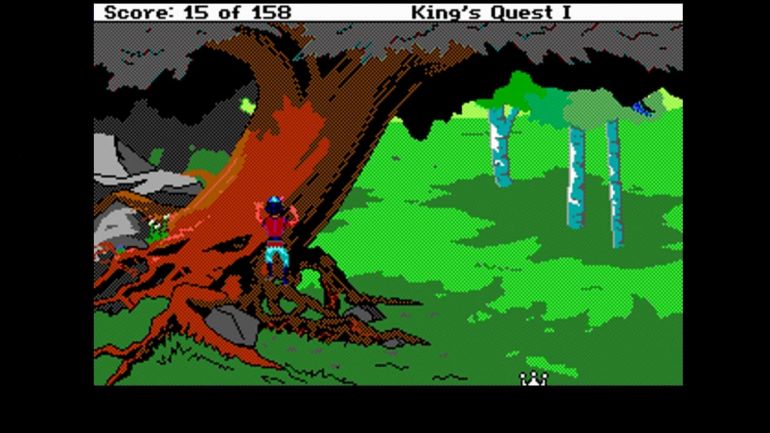
In 1990, Sierra On-Line decided to mark the new decade by remaking King’s Quest I on its new engine to bring it as close as possible to the look of the latest game in the series, King’s Quest IV. The result was Roberta Williams' King's Quest I: Quest for the Crown. The graphics and sound got an upgrade, and the script got a few tweaks. New characters appeared, and the puzzles got different solutions. The gameplay stayed exactly the same, and that's what took most of the criticism.
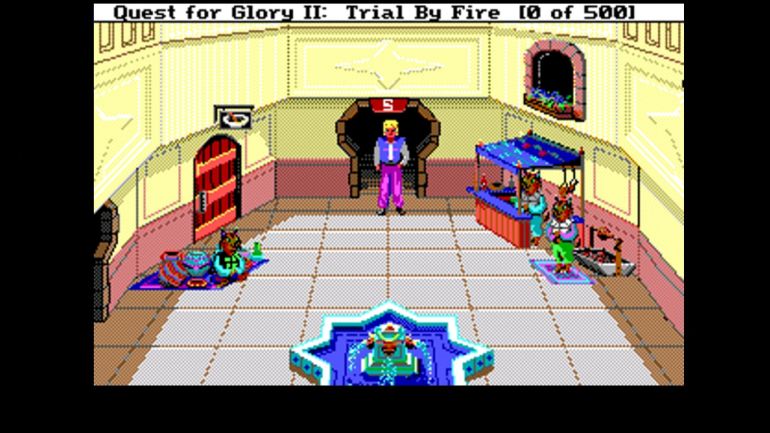
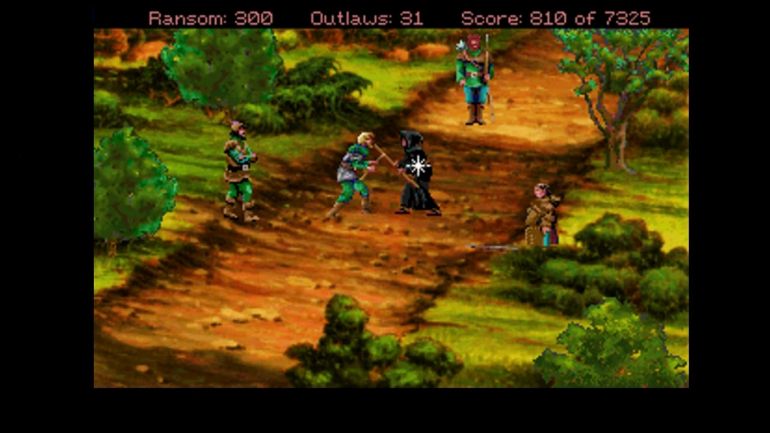
Sierra's other 1990 games had no such problems. New entries in established franchises earned good reviews and sold well. The year's releases included Quest for Glory II: Trial by Fire, Conquests of Camelot: The Search for the Grail, and Rise of the Dragon. The last one was interesting because it was developed by Dynamix, which Sierra On-Line bought that same year.
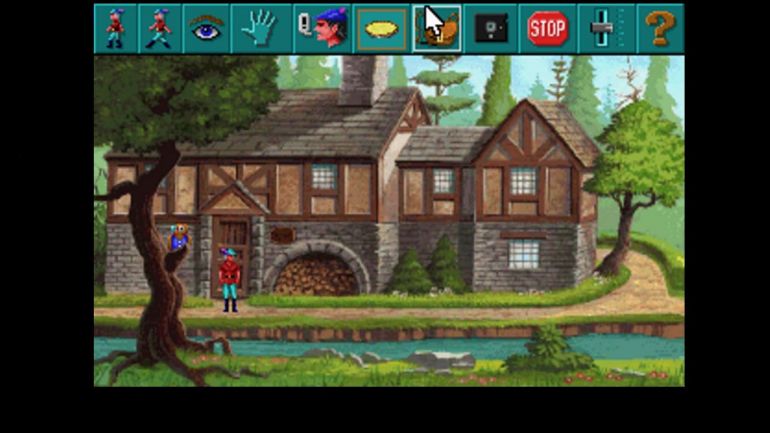
King’s Quest remained the flagship series. Its new sequel in 1990, King's Quest V: Absence Makes the Heart Go Yonder!, marked the company's shift from the traditional text parser to a point-and-click interface. Visually, it was one of the most beautiful games in the series. Davis deserves some credit for that. He had the artists draw all the artwork by hand and then digitize it. The fifth King’s Quest was also one of the first fully voiced Sierra On-Line games, although only the CD-ROM version had voice acting. In fact, King’s Quest V was the company's first adventure to come out on CD. Critics and players received it very warmly, and sales were as strong as expected.
In 1991, Sierra On-Line launched the world's first online service devoted to gaming, with a little room for chatting: The Sierra Network. It was something like a social network. Here again, Sierra played to its biggest strength: great visuals. TSN's big draw was a graphical interface that made it look as much like a game as possible. It did actually have several games built in, both single-player and multiplayer.
In its first year alone, Sierra On-Line signed up 25,000 subscribers. That was pretty good for a service focused entirely on gaming and chatting. Innovative as it was, though, it lost money. In 1993, a stake in TSN was sold to AT&T, which bought it outright by 1994 and continued developing it as the ImagiNation Network. They didn't get particularly far with it either and later sold it on to America On-Line. It was under their ownership that the network shut down for good in 1998.
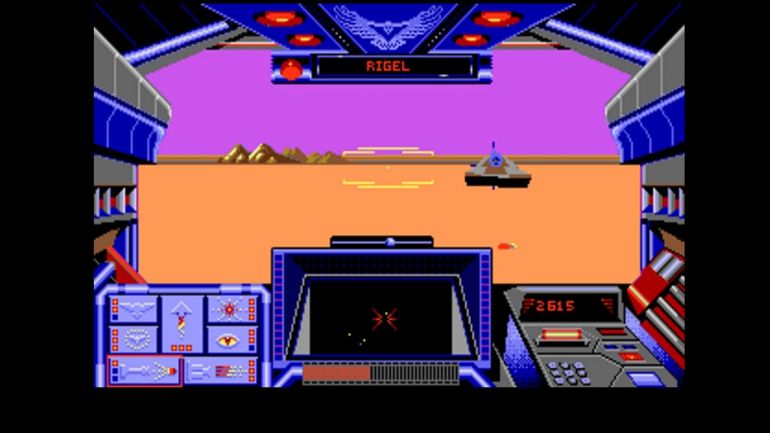
That same year saw a flood of remakes of earlier Sierra On-Line games, built on the studio's new engine. Among the releases were updated versions of Space Quest and Leisure Suit Larry in the Land of the Lounge Lizards. Meanwhile, Dynamix, now part of Sierra On-Line, released an updated version of the tank sim Stellar 7, which dated back to 1983 and was based on the popular arcade game Battlezone. The third game in the Stellar 7 series, Nova 9: The Return of Gir Draxon, came out that year too. Another sequel, Stellar 7: Draxon's Revenge, followed two years later.
the sequel, Arcticfox, was released by Dynamix with Electronic Arts
The Police Quest series got a new game in 1991 too, with the third entry titled Police Quest III: The Kindred. It also switched to a point-and-click interface. Several action sequences with shooting and driving broke up the traditional adventure gameplay. By this point, the company also had a studio of its own for shooting video and recording audio.
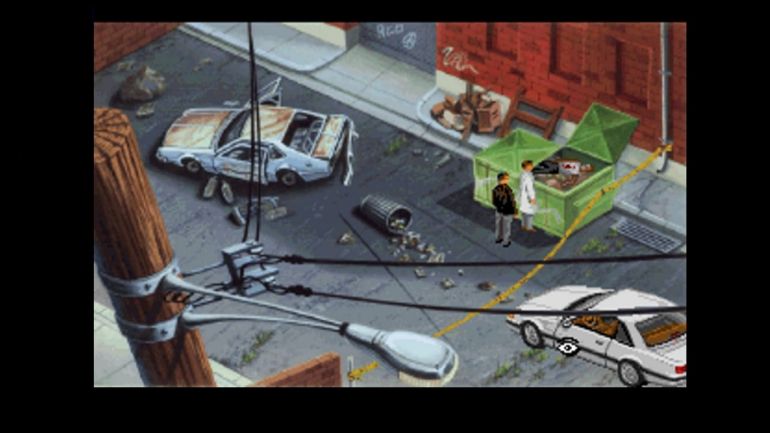
During development,Space Quest IV was conceived as a game with a classic text parser, but management insisted on adding point-and-click mechanics. Something funny happened with the new Leisure Suit Larry. You see, it came out as Leisure Suit Larry 5: Passionate Patti Does a Little Undercover Work. The joke is that there is no fourth game, which the story explains.
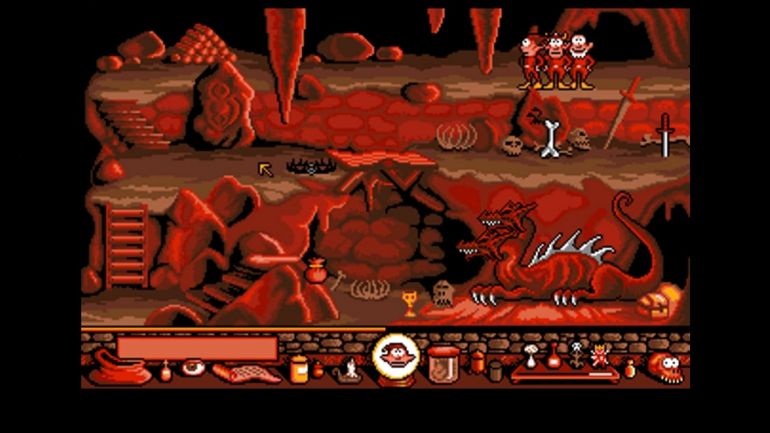
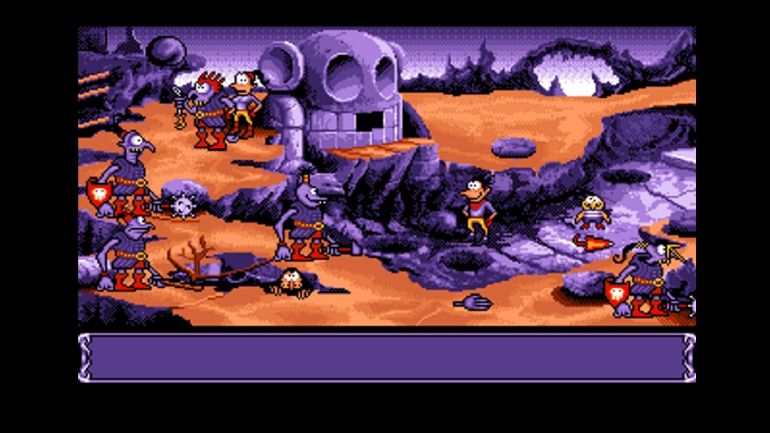
It was a record year for releases overall. In addition to all of the above, there were the adventures Heart of China, Conquests of the Longbow: The Legend of Robin Hood, The Adventures of Willy Beamish, and the more puzzle-heavy Gobliiins. Several educational adventures came out too: Castle of Dr. Brain, EcoQuest: The Search for Cetus, and Mixed-Up Fairy Tales.
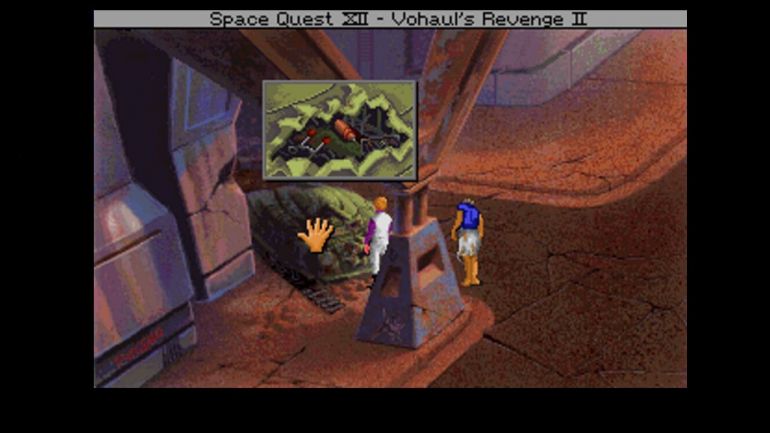
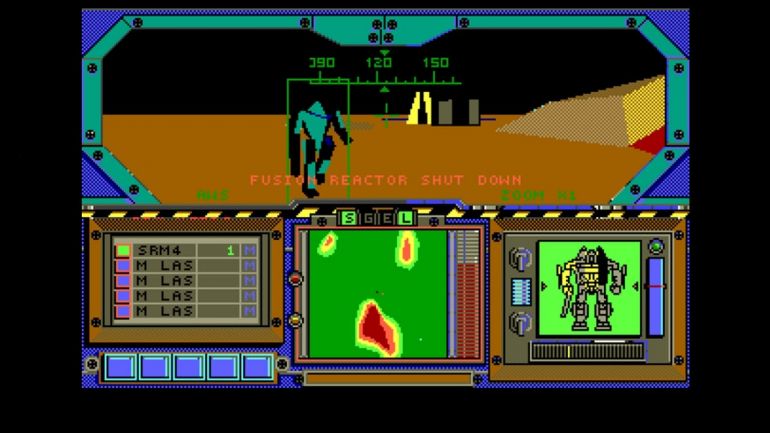
Dynamix, the studio Sierra On-Line bought in 1990, had been known for its varied catalog from the start. There were sports sims, a loose remake of Battlezone, movie tie-ins, and assorted military vehicle sims, including the very first MechWarrior. That range inspired Ken Williams, who gradually shifted the company's focus away from adventure games. That's how collections of card and board games such as Hoyle Book of Games ended up in its catalog.
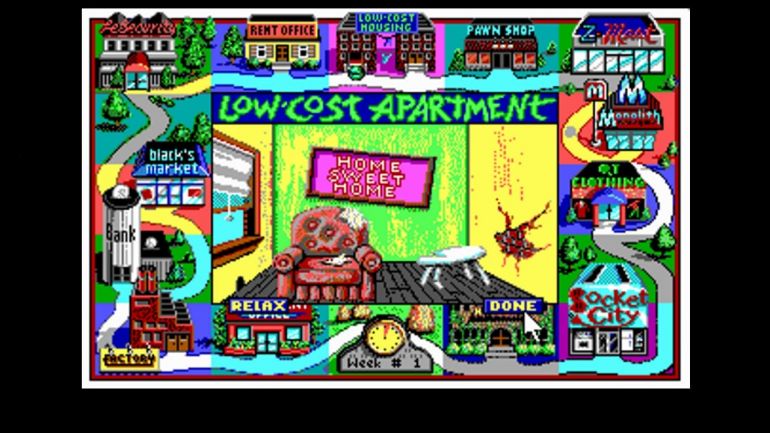
One of the most unusual games of 1991 was Jones in the Fast Lane, a life sim presented as a turn-based strategy board game. You have a limited amount of time on each turn , and you have to decide how to spend it. The goal is pretty simple: live your life and work so you can live a little better.
equivalent to one week in your character's life
Sierra On-Line went on an expansion spree in 1992. First, it acquired Bright Star Technology, which specialized in educational software. It was a good deal for the Williamses' company, since Sierra had put out plenty of educational games itself. On top of that, Bright Star had some very interesting technology for syncing voices with characters' lip movements on screen. The upcoming King’s Quest VI put it to use.
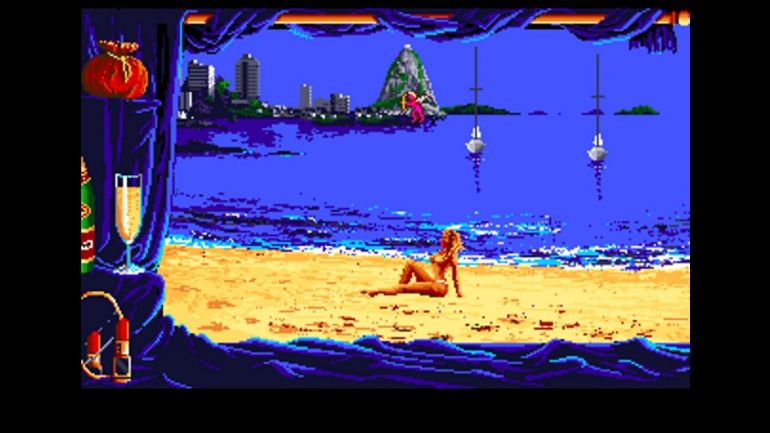
Then, in 1993, it bought the French game developer and publisher Coktel Vision. It also made educational games and software, along with full-fledged game releases. Two years earlier, Sierra On-Line had published one of them, Gobliiins, in the United States. Coktel had also made a few erotic adventures: Geisha, Emmanuelle, and Fascination. The biggest benefit of the acquisition, though, was that Sierra On-Line could now sell its games in Europe itself.
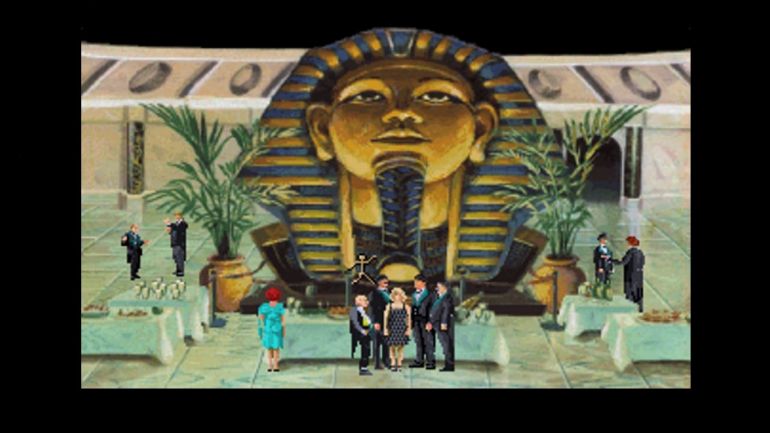
1992 was a pretty packed year for games, too. Two of the company's older games got remakes on the new engine: Police Quest and Quest for Glory: So You Want to Be a Hero. The Quest for Glory series also got a third game, Quest for Glory III: Wages of War, which would turn out to be the weakest entry. The studio's only original adventure that year was The Dagger of Amon Ra, which Roberta worked on. It was the second and final entry in the Sierra On-Line detective series unofficially known as Laura Bow.
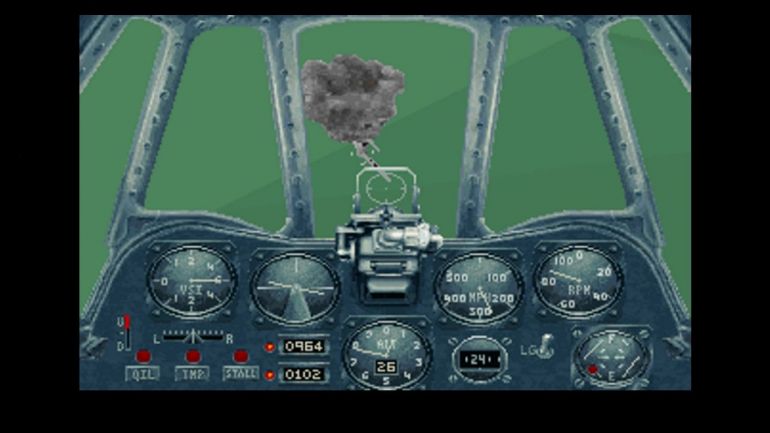
Dynamix stood out most in 1992. The studio managed to make four games spanning almost as many genres. Take a Break! Crosswords and The Incredible Machine were puzzle games with plenty of brainteasers. Front Page Sports Football was an American football sim and one of the first to offer a career mode. And the combat flight sim Aces of the Pacific became one of the year's most profitable games.
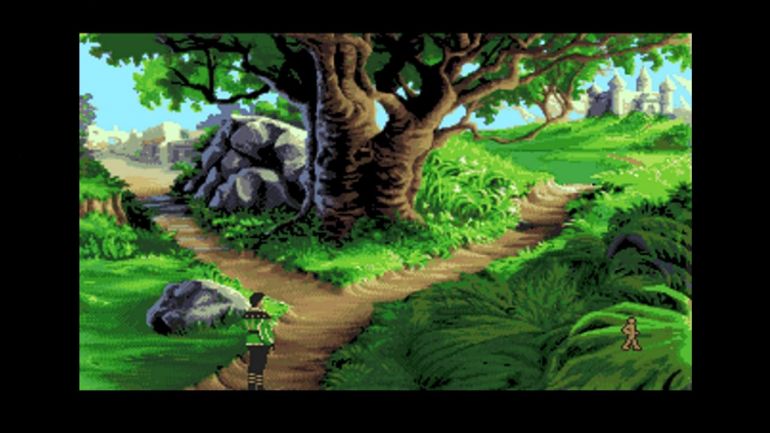
1992 also brought King’s Quest VI, continuing a tradition begun after KQ III of releasing new games in the series in even-numbered years . The new entry showed off all sorts of modern technology: motion capture with live actors, hand-drawn backgrounds digitized as in the previous game, MIDI music, full voice acting, and 3D animation. It turned out great and sold about 400,000 copies in its first week.
Part III came out in '86, VI in '88, and V in '90
Today, King’s Quest VI is considered one of the series' best, and fans tend to credit the involvement of Jane Jensen, who had previously worked on EcoQuest. Its puzzles were more logical and more challenging than in earlier games, yet the game itself felt more welcoming to players.
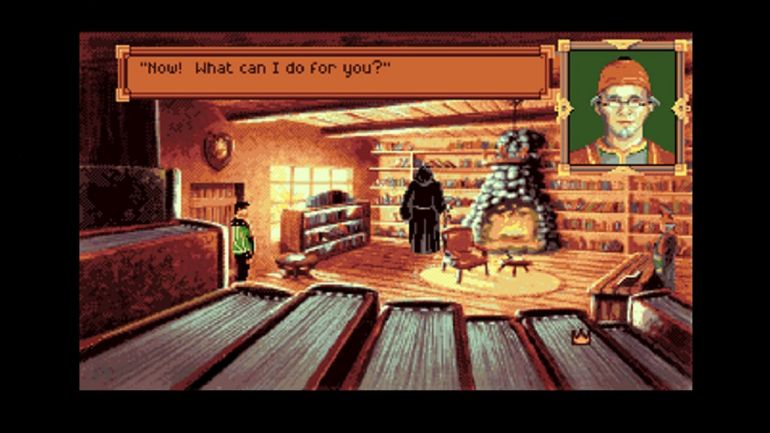
In 1992, Sierra On-Line began working with another company it would eventually buy, the British studio Impressions Games. The first game it published was Air Bucks, a business sim about running an airline. The second was Caesar, a city-building strategy game that played a lot like SimCity in an ancient Roman setting. You played the ruler of a small Roman province. The series would also become closely associated with Sierra On-Line.
In that same eventful year, Sierra On-Line made another rather unusual hire. The company brought on 66-year-old Daryl F. Gates as a game designer. What made it surprising was who Mr. Gates was. He had only just stepped down as chief of the Los Angeles Police Department, amid a major scandal over police mistreatment of Black residents.
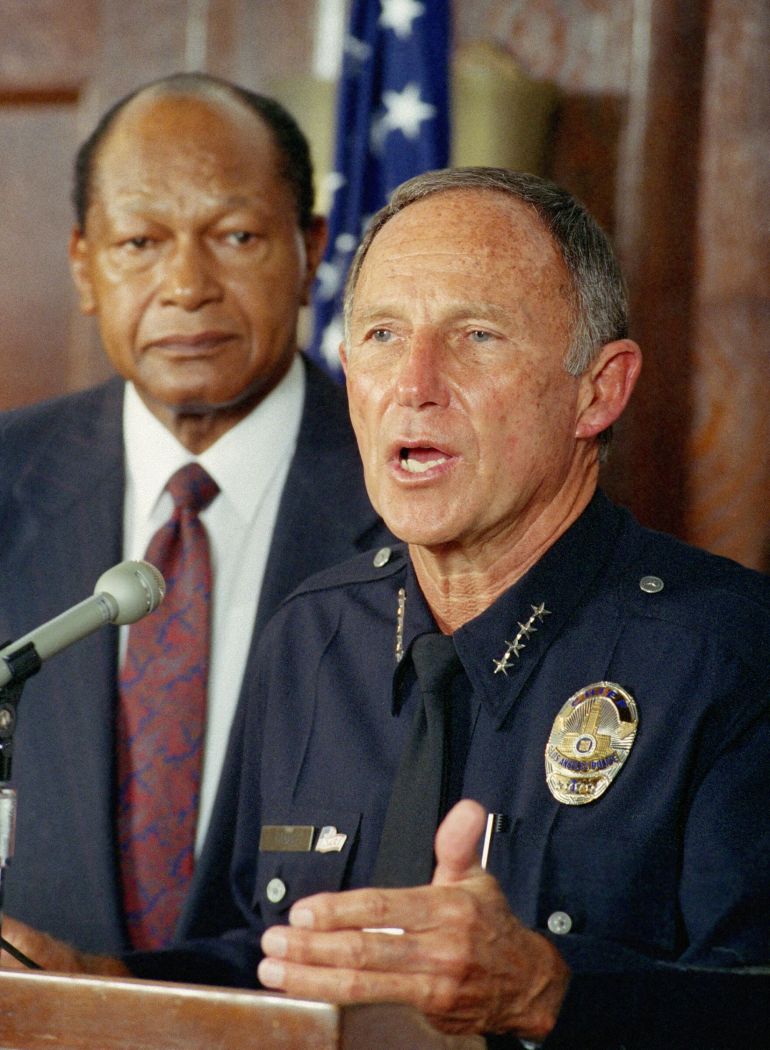
Darryl F. Gates
There was a reason for it. After Police Quest III, Sierra On-Line lost its police consultant, Jim Walls. He moved to Tsunami Media, which another former employee had recently founded in Oakhurst after leaving Sierra. That employee was Edmond Heinbockel. Daryl Gates was supposed to take Walls's place. But Walls had been directly involved in development, and it would've been odd to expect the same of Gates. So he got some help from Tammy Dargan, who had previously worked on Quest for Glory III. She was a recent hire herself, having previously worked on the TV show “America's Most Wanted.”
Their efforts, along with those of the rest of the Sierra On-Line team, produced Daryl F. Gates* Police Quest: Open Season, released in 1993 and built on the updated SCI2 engine. It failed to live up to expectations, got mixed reviews, and became the lowest-rated game in the series. Why Gates's name wound up in the title is anyone's guess. It could have been clever PR to draw more attention to the game given the scandals surrounding him. Maybe Ken Williams wanted to impress the former Los Angeles police chief. Or it could have been Gates's own idea. After all, he had helped out considerably, arranging for Sierra On-Line staff to visit LAPD headquarters and a popular cop bar. Whatever the reason, putting such a controversial figure's name on the box probably drove players away.
*Funny enough, a couple of years later the Police Quest collection also got Gates's name on it. Daryl F. Gates' Police Quest Collection: The 4 Most Wanted contained every game released to that point, although Gates had been involved with only one.
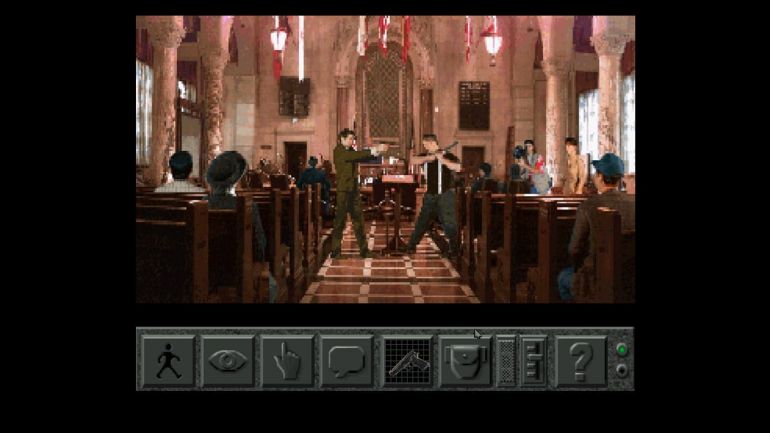
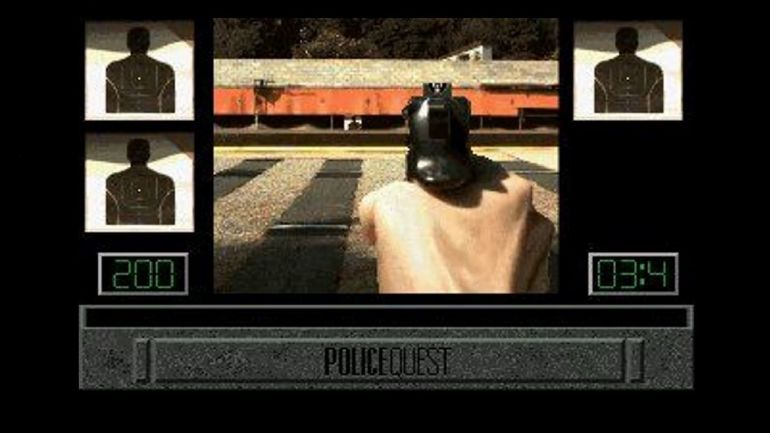
Sierra On-Line was growing so fast that it needed more office space. In 1993, it moved into a new office clear across the country in Bellevue, near Seattle, Washington. The Oakhurst office was renamed Yosemite Entertainment and operated under that name until it closed in 1999. At this point, Sierra On-Line comprised five divisions: publisher Sierra Publishing and development studios Sierra Northwest, Dynamix, Bright Star Technology, and Coktel Vision.
The number of releases from Sierra On-Line kept growing. Sierra itself developed Leisure Suit Larry 6: Shape Up or Slip Out! and some lower-profile adventures, Freddy Pharkas: Frontier Pharmacist and EcoQuest 2: Lost Secret of the Rainforest, as well as the educational games Slater & Charlie Go Camping, Pepper's Adventures in Time, and Sid & Al's Incredible Toons.
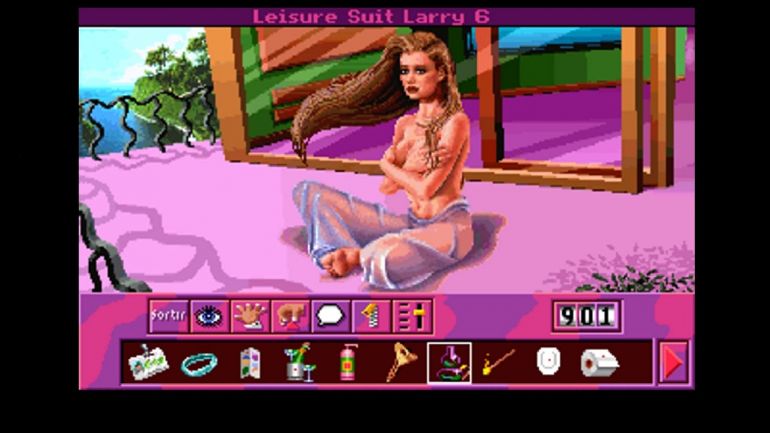
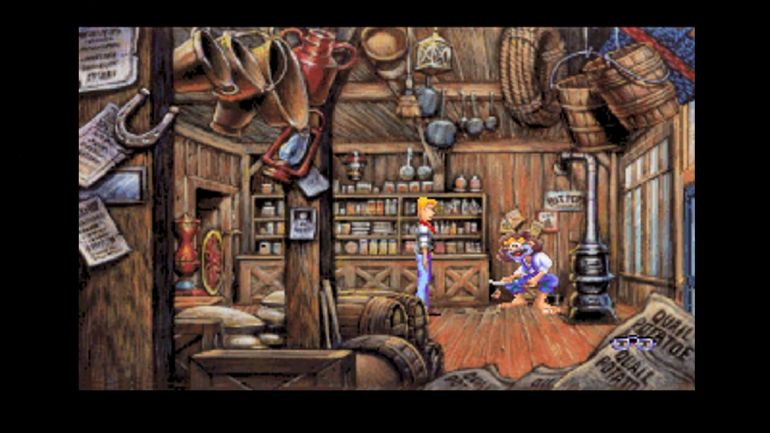
Bright Star Technology released several educational titles. Coktel Vision released the third game in its Gobliiins series, renamed Goblins Quest III to tie it in with the other adventures fromSierra. The studio also released Inca II: Nations of Immortality, a sequel to the previous year's action adventure Inca. Both games used FMV. It also put out a more traditional adventure, The Prophecy.
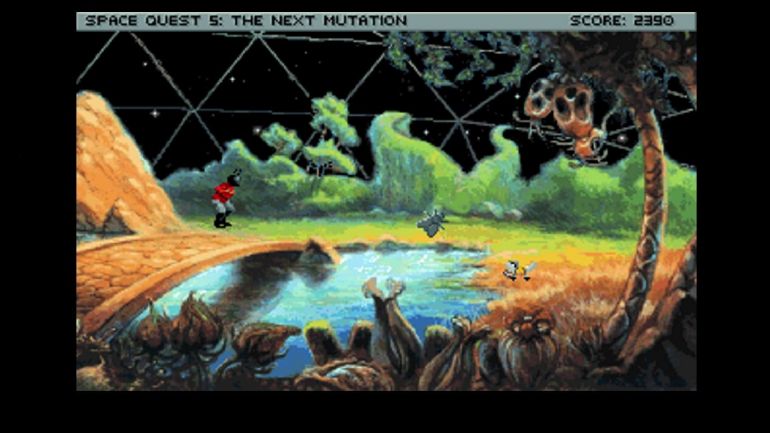
Dynamix continued the classic space adventure series with Space Quest V: Roger Wilco in the Next Mutation. Next came a new Incredible Machine game, The Even More Incredible Machine, the pinball game Take a Break! Pinball, and the combat flight sim Aces Over Europe. Then there was a full-fledged RPG, Betrayal at Krondor, which combined the classic role-playing gameplay of something like Eye of the Beholder with first-person exploration and battles in the style of turn-based tactical strategy games.
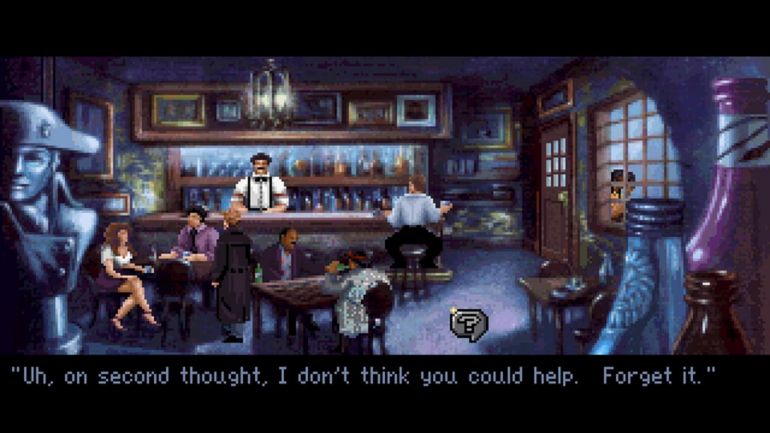
One of the biggest releases of 1993 was the adventure Gabriel Knight: Sins of the Fathers, Jane Jensen's own project. As far back as her work on EcoQuest and King’s Quest VI, she'd been thinking about making a dark, Gothic horror story unlike anything Sierra On-Line had done before. After proving herself on those earlier projects, she got her chance. The higher-ups at Sierra weren't thrilled with the direction she'd chosen, but Gabriel Knight fit the company's new vision nicely as a transitional game aimed at a more mature audience. That's exactly why it used the improved SCI2 engine.
Risky as the project was, the company didn't hesitate to spend money on it. Hollywood stars came in to voice the characters, including Tim Curry , Mark Hamill , and Michael Dorn . Its design was more considered too, or at least it was more player-friendly than any of the King’s Quest games.
Pennywise the clown from the two-part It
Luke Skywalker from Star Wars
Worf from Star Trek: The Next Generation
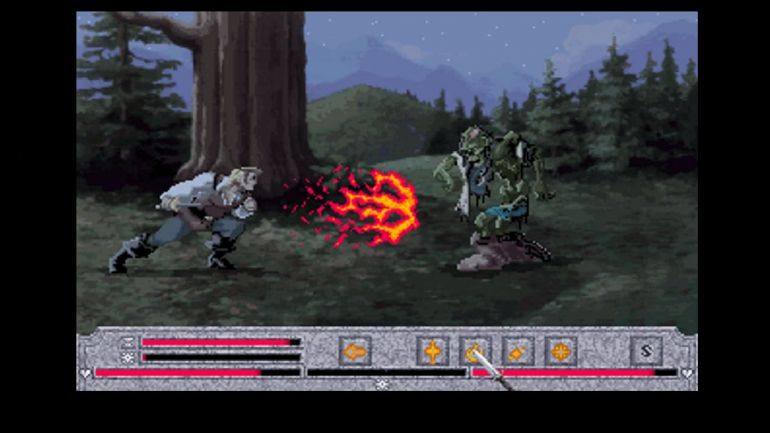
Right at the end of 1993, Sierra On-Line started screwing up in a big way. Quest for Glory IV, released on December 31, was so plainly unfinished that you couldn't beat it. It did earn a place in history as one of the first games that had to be fixed with post-release patches. The ugly trend continued the next year with the equally unplayable Outpost and Alien Legacy. All three made their reporting deadlines, so the company could avoid taking a loss at launch. The trade-off was long-term profits and damage to Sierra On-Line's reputation.
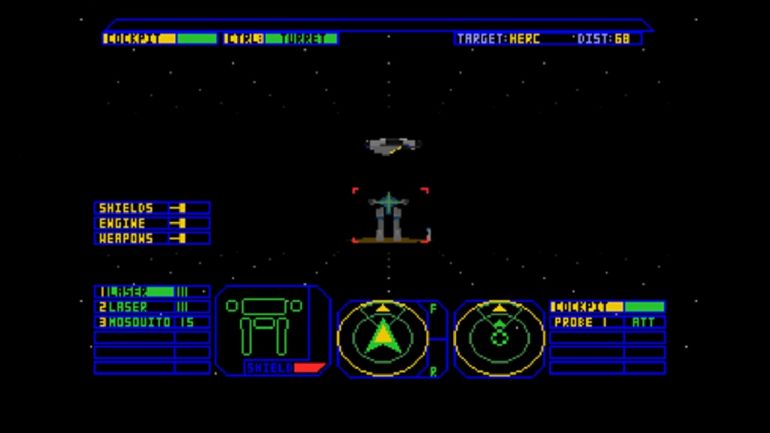
Dynamix kept churning out a steady stream of games across all sorts of genres. In 1994, it put out a new Front Page Sports American football sim, Football Pro '95, with fully licensed NFL teams and players. The studio also released its first baseball sim in the same series, Front Page Sports: Baseball '94. There were two puzzle games in the Incredible Machine series: The Incredible Machine 2 and The Incredible Toon Machine. It also put out a new Aces game, Aces of the Deep. This time it was about World War II submarines, with the player commanding a German U-boat. And Dynamix found time for a pair of combat mech sims, releasing Metaltech: Battledrome and Metaltech: EarthSiege in the same year.
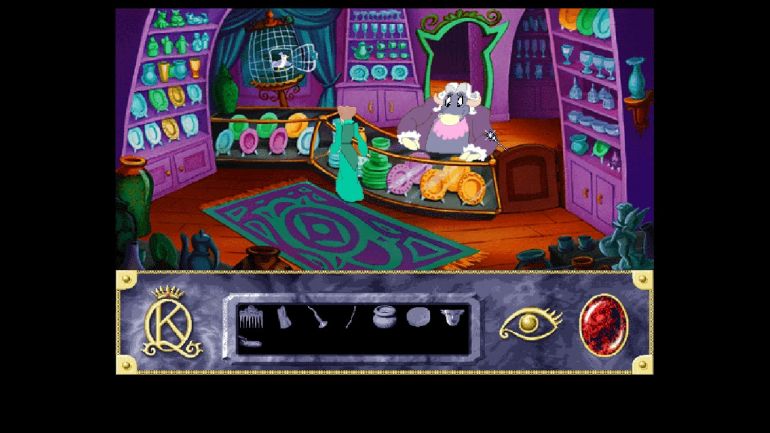
Sierra itself didn't release many games that year. The big one was the next King’s Quest. This time Roberta Williams decided to remind everyone who was boss, so the seventh entry became Roberta Williams' King's Quest VII: The Princeless Bride. The team went all in on making it an audiovisual showpiece. Sierra On-Line signed contracts with several animation studios and hired a number of new staff artists. And you know what? It worked. The game looked like a proper Disney fairy tale.
The new game was also the most accessible one in the series. There was no way to get stuck in a dead end you couldn't recover from. Competition from LucasArts in general and The Secret of Monkey Island in particular had made an impact. Sales were excellent. By this point, though, Roberta's fatigue with the series was palpable. She was also working on a different, more ambitious game alongside King's Quest VII.
In the summer of 1994, Sierra On-Line brought in Mike Brochu as chief financial officer. He would soon play a key role in the company's expansion. Around the same time, the company conducted an internal audit to decide where to go next and which series to focus on.
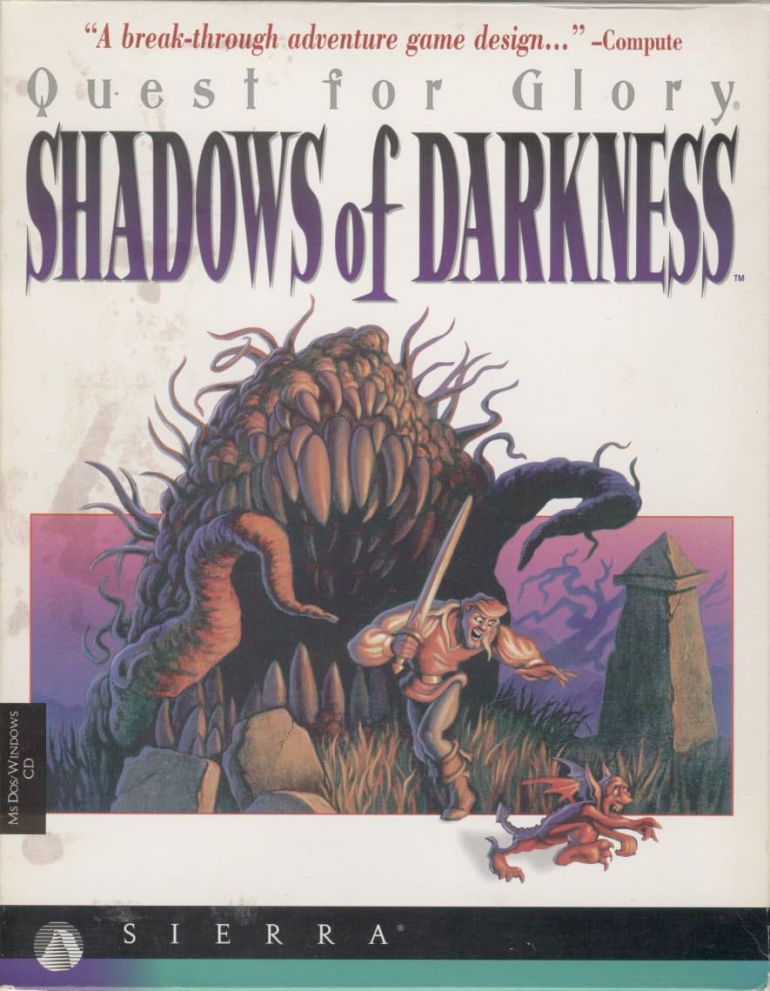
Omot igre Quest for Glory IV
After numerous meetings, the decision was to keep only the most profitable series: King’s Quest and Leisure Suit Larry. Space Quest got one last chance at another game. Quest for Glory was canceled outright after the troubled launch of its latest entry, and its creators, Corey and Lori Cole, were let go. Police Quest was put on hold and later reworked into a tactical shooter series. On top of that, Sierra On-Line planned to focus on big-budget adventures with live actors.
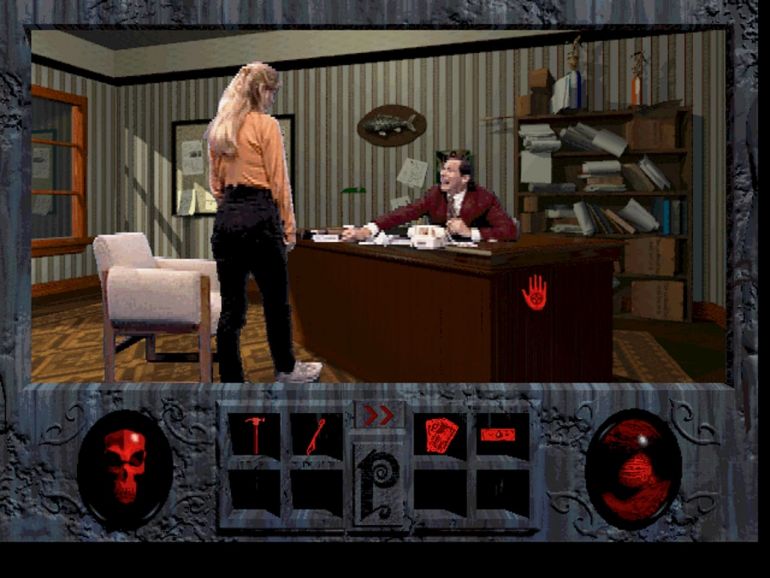
Roberta Williams had been making exactly that sort of game alongside King’s Quest VII. In August 1995 came Roberta Williams' Phantasmagoria, or just Phantasmagoria, an interactive movie with elements of classic point-and-click adventures. Most of its $4 million budget went toward setting up the Oakhurst studio with future FMV projects in mind, though of course the company kept quiet about that. Instead, it took every opportunity to tell the gaming press that all that money had gone into Phantasmagoria. At the time, it was a staggering budget.
The game got a very warm reception in 1995, although reviews cooled considerably over time. At first, Phantasmagoria was a bona fide hit, selling past that magic million-copy mark. Like Gabriel Knight, Roberta's new game was aimed at a more mature audience, which gave her room for a darker atmosphere with a touch of horror. It also leaned into sex appeal, as in the days of Softporn Adventure. The game was built on FMV, with live actors on screen. The lead was played by Victoria Morsell, who had previously appeared in supporting roles on various TV shows.
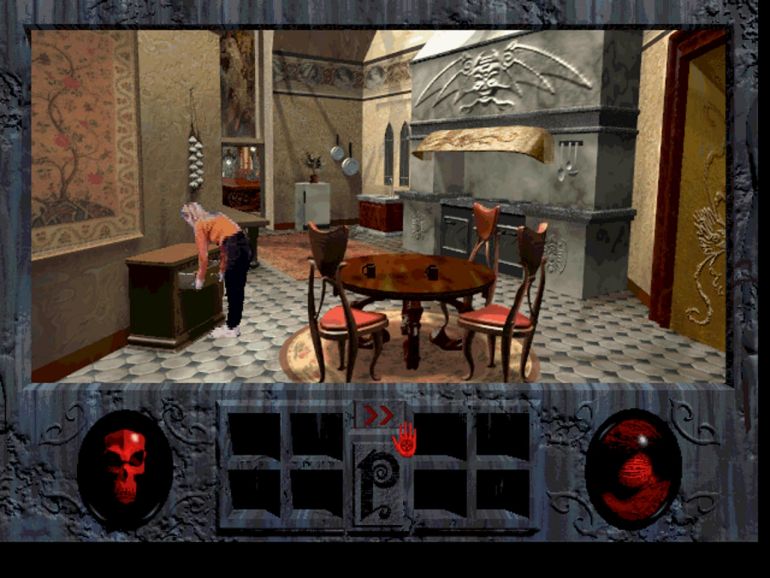
The FMV in Phantasmagoria put some limits on the gameplay, too. For one thing, static video sharply limits how much you can interact with your surroundings. The puzzles also had to be far simpler than in something like King’s Quest. That same FMV kept the game from aging well. In 2025 it looks painfully cringeworthy, unlike many of Sierra On-Line's adventures with hand-drawn graphics.
The runaway success of Phantasmagoria wasn't the only adventure from Sierra On-Line that year. There was Shivers, which looked an awful lot like Myst. Then came the prettiest, if hardly the best, entry in Space Quest, Space Quest 6: Roger Wilco in the Spinal Frontier. Another fantasy adventure, Torin's Passage, came from Al Lowe . In spirit it was somewhere between King's Quest and Leisure Suit Larry. That year also brought Caesar II from Impressions Games.
the creator of most Leisure Suit Larry games
Gabriel Knight got a sequel too. To play down its connection to the original, it got the less recognizable title The Beast Within: A Gabriel Knight Mystery. For some reason, management thought the association with the first game would hurt sales. Exactly the opposite happened, and sales came in below expectations.
Jane Jensen was in charge again. As with Phantasmagoria, the Gabriel Knight sequel went with FMV. Filming at the same studio used for Roberta Williams's game kept costs down. Once again, relatively unknown actors were brought in for the leads, even though the first Gabriel Knight had featured some pretty big names in its voice cast. Dean Erickson played Gabriel, and Joanne Takahashi played Grace Nakamura.
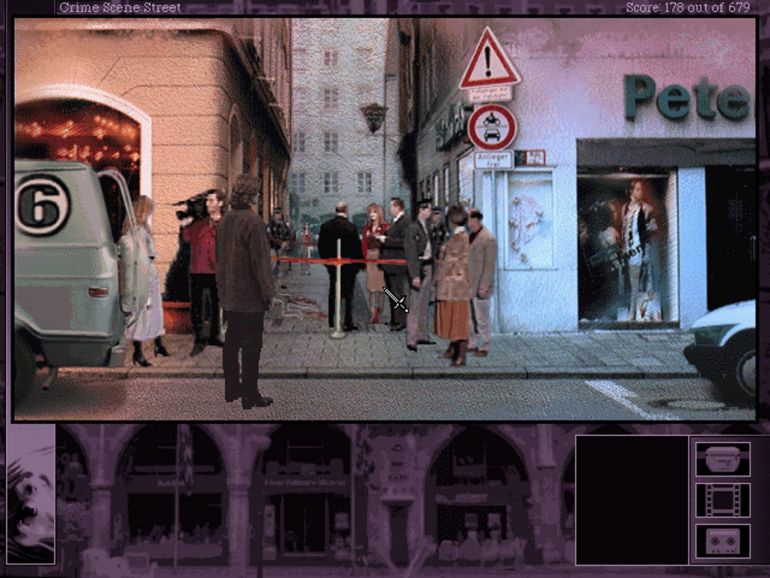
The team took some lessons from what hadn't worked in the studio's first big FMV game. The backgrounds, for instance, were now made from retouched photographs, without the crude 3D graphics. Unlike in Phantasmagoria, the puzzles weren't simplified. They were more varied and more difficult than in the first game.
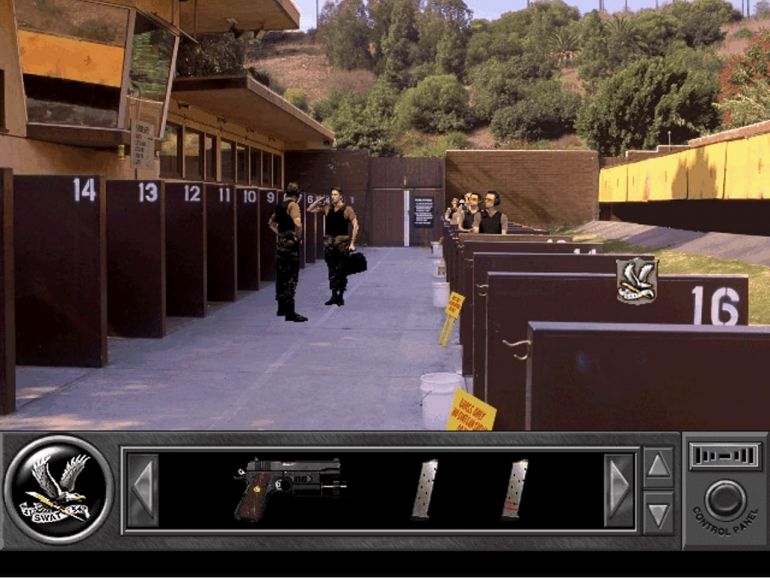
Another Sierra FMV game that year came from the Police Quest series: Daryl F. Gates' Police Quest: SWAT. As the name suggests, Daryl Gates was still the consultant, and the focus had shifted to a special operations team, S.W.A.T. . Where the previous game was a straight adventure, this one mixed adventure gameplay with full-on action and first-person shooter elements. Critics weren't particularly impressed, but the game sold well and got a sequel a few years later without Gates's involvement.
Special Weapons And Tactics
In June, Sierra On-Line and Japanese electronics manufacturer Pioneer Electric Corp agreed to form a joint venture, Sierra Venture, to develop and publish Sierra products for the Japanese market. Sierra On-Line also kept expanding in 1995, with Michael Brochu now handling almost all of its day-to-day management. Over the course of the year it acquired Arion Software, Green Thumb Software, Impressions Software, Papyrus Design Group, Pixellite Group, and Headgate Studios. Far from all of them specialized in making games.
It was Brochu who led the February talks with CUC International over the purchase of Sierra On-Line, with Ken Williams taking part. Brochu was the one who convinced Williams to go through with the deal. It's also worth noting that Walter Forbes, the CEO of CUC, had sat on Sierra On-Line's board since 1991. Naturally, he was gently nudging Williams toward the sale too. The offer was genuinely generous, valuing the company at $1.5 billion. Sierra On-Line was bringing in about $160 million a year. The news was quite a shock, because the gaming community had no idea what kind of company CUC was or what it did. Its main business was selling goods by mail through various subscription clubs. Inside Sierra On-Line, Ken Williams's decision to sell was met with concern, including from Roberta herself.

That step into the abyss ended the most important chapter in Sierra On-Line's history. From then on, the company had effectively lost its independence and was little more than a big name in the game industry.
Enjoyed this article? Found it helpful? Support GameSpirit.org and help us create more great content.
Author: Godlike_Goblin for GameSpirit.org


