
The History of Sierra Entertainment, Part 4
Title: | The History of Sierra Entertainment |
Developer: | Sierra Entertainment |
Publisher: | Sierra Entertainment |
Release: | 20.10.2025 |
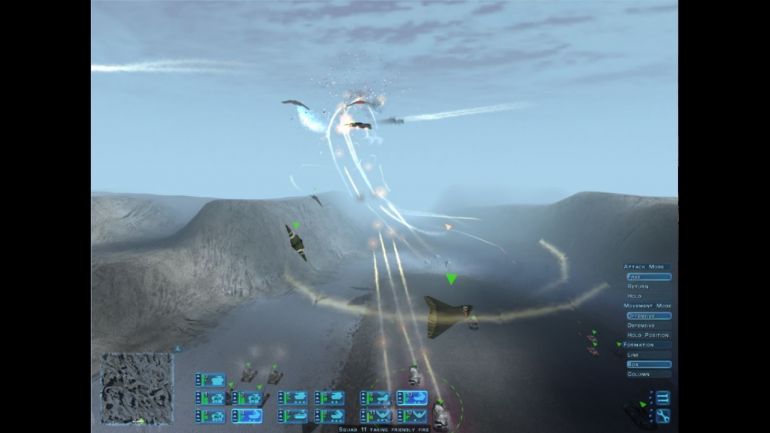
By the 2000s, Sierra had stopped developing games and focused entirely on publishing outside projects. In 2000, it put out an interesting FPS called Gunman Chronicles, built on the Half-Life engine by Rewolf Software under an agreement with Valve. Impressions Games delivered another strategy game in the vein of Caesar, this time set in ancient Greece and more focused on mythology: Zeus: Master of Olympus. Another strategy game published under the Sierra On-Line banner was Ground Control from Sweden's Massive Entertainment. It focused on commanding squads, without the need to build bases or gather resources.
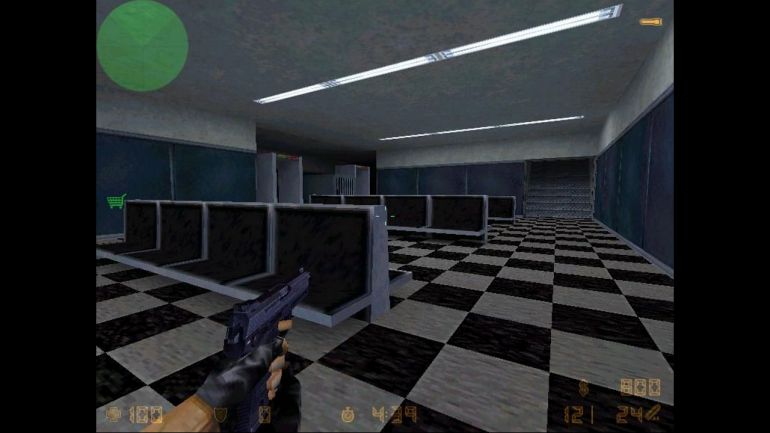
November 2000 saw the release of the Half-Life mod Counter-Strike. Two students, Minh Le and Jess Cliffe, made it. After an open beta, it attracted enough attention to interest Valve, which bought their idea and released it as a standalone game in partnership with them. You know the rest. Counter-Strike became one of the most popular games around and a cornerstone of esports, with professional tournaments dating back to 2000.
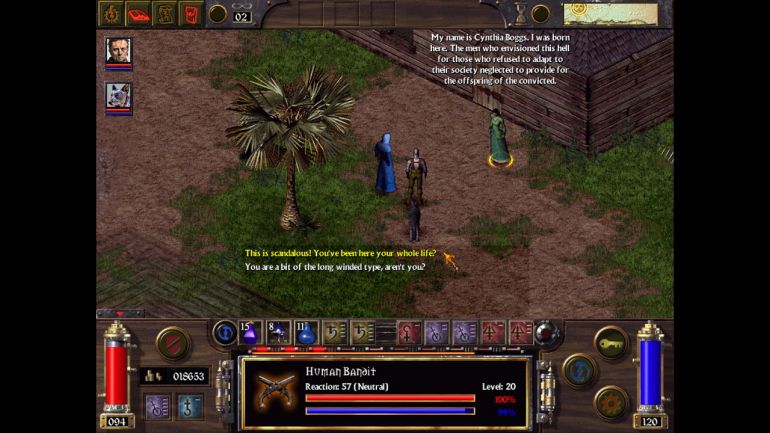
In 2001, Sierra On-Line published a string of fairly successful releases. That summer brought the RPG Arcanum: Of Steamworks & Magick Obscura. The concept called to mind Fallout, but it took place in a world of its own that mixed magic and steampunk technology. Critics and players received it warmly, it sold reasonably well, and in time it became a legend.
Dynamix put out one of its last games, the multiplayer shooter Tribes 2, a sequel to Starsiege: Tribes. It was a commercial success, selling more than 200,000 copies by the time the studio closed. Alongside the second Tribes, Dynamix also managed to release The Incredible Machine: Even More Contraptions. Its third project wasn't so lucky. Mini Golf Maniacs was canceled.
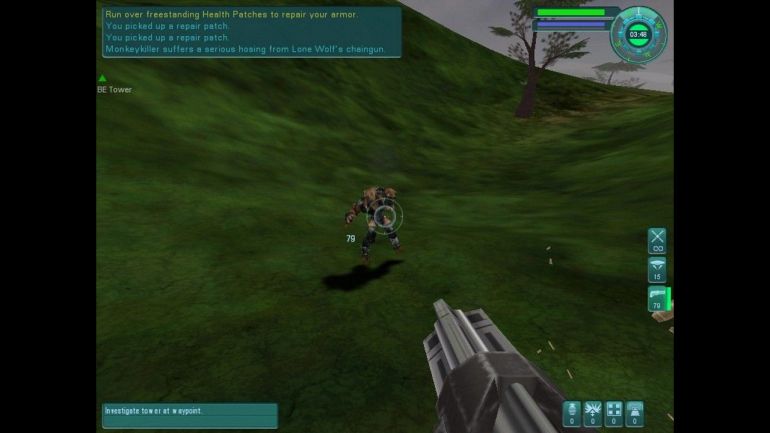
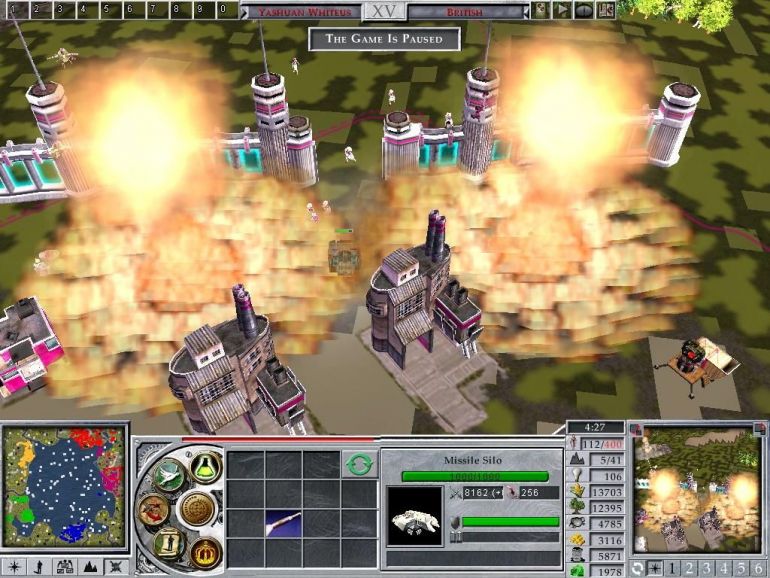
Another interesting strategy game was Empire Earth, developed by Stainless Steel Studios Inc. Its carefully designed tech tree let you lead a nation of your choice through a host of eras, from prehistory to the distant future. Of course, that was hardly the whole release slate. There were casino sims, new entries in racing sim series , expansions for existing games , and assorted rereleases of earlier titles.
NASCAR Racing 4
Half-Life: Blue Shift and Half-Life: Decay
The Operative: No One Lives Forever – Game of the Year Edition
That year, Sierra On-Line and Valve also renegotiated their deal. Newell and Harrington weren't happy that the rights to Half-Life belonged to Sierra, so they staged a little revolt and threatened to halt development on all their current projects. They also reminded the publisher of past disagreements, like the time Sierra simply didn't want to advertise Valve's first game, which turned out to be a hit. Now Half-Life 2 was in development and looked promising, and Sierra stood to make good money off it again without lifting a finger. Valve ended up with the rights to the series and the right to distribute digital copies, while the physical editions were Sierra's problem.
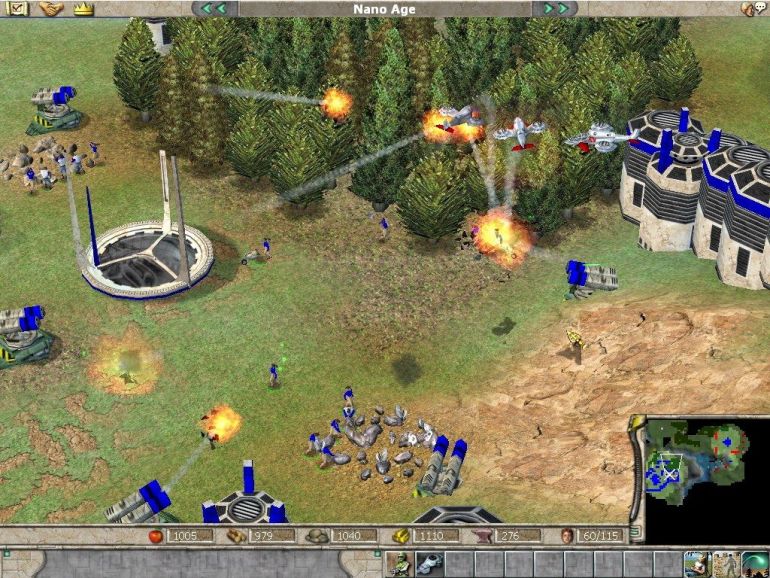
In 2002, Sierra On-Line changed its name to Sierra Entertainment. Little changed internally. There were fewer releases than the previous year, and fewer worth talking about. Impressions Games turned out another Caesar-style strategy game, Emperor: Rise of the Middle Kingdom, this time centered on Chinese culture. The renamed Sierra also published the shooters Die Hard: Nakatomi Plaza, Die Hard: Vendetta, No One Lives Forever 2: A Spy in H.A.R.M.'s Way, and Aliens Versus Predator 2, along with the action game James Cameron's Dark Angel.
In the early 2000s, Vivendi got its hands on a license to make games based on the works of J.R.R. Tolkien. That naturally excluded Jackson's movie trilogy, the rights to which Electronic Arts had secured. Vivendi used the license to put out The Lord of the Rings: The Fellowship of the Ring in September 2002, without Sierra's involvement, and it flopped. The next two games went out under the more recognizable publisher, which didn't help much either. The 3D platformer The Hobbit and real-time strategy game The Lord of the Rings: War of the Ring were both pretty middling.
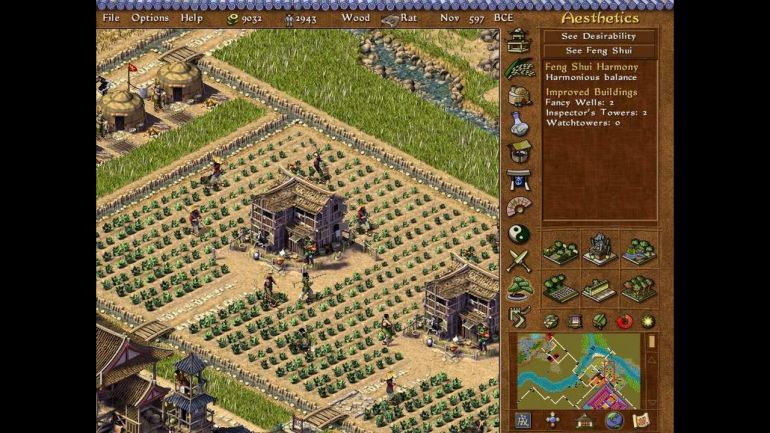
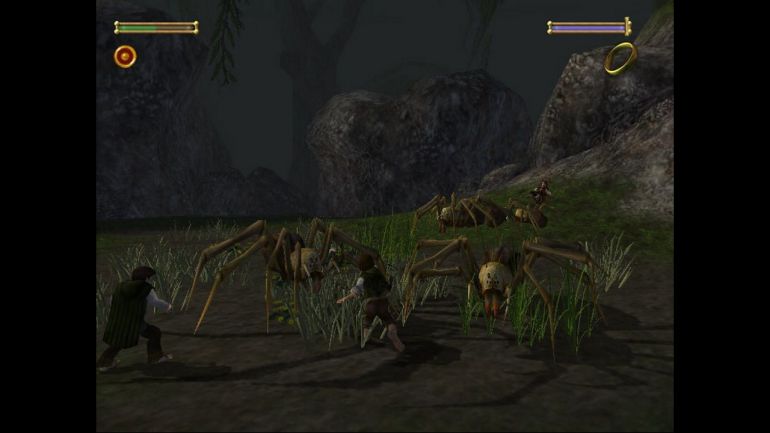
Sierra had also done some work on an MMORPG set in Middle-earth. During a rough patch for the studio, the project was first put on ice, then scrapped. It was time to dust off Middle-Earth Online and hand it to Turbine Entertainment Software in 2003. Nothing was left of Sierra's original plans to make a worthy rival to Ultima Online. A new MMO king, World of Warcraft, was on its way. It too had been announced in 2001, with release set for 2004. That was what Turbine planned to measure itself against.
Besides games based on The Hobbit and The Lord of the Rings, Sierra published the hybrid SWAT: Global Strike Team in 2003 for Xbox and PlayStation 2. It mixed the tactical elements of SWAT 3 with the arcade rail shooting of Virtua Cop. There was also a prequel to No One Lives Forever 2, Contract J.A.C.K., another FPS developed by Monolith Productions.
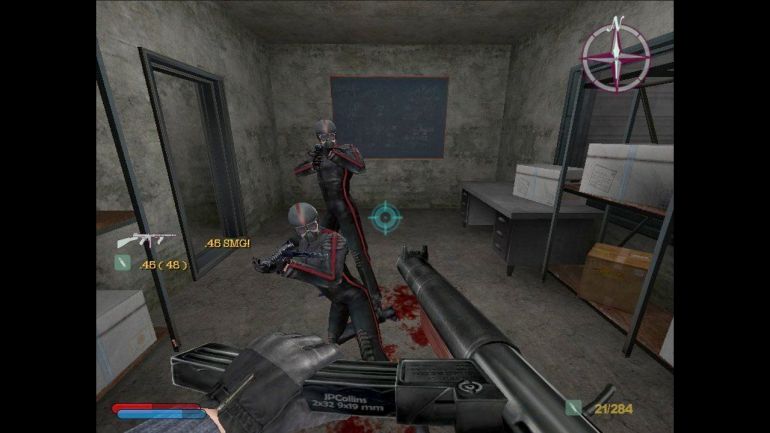
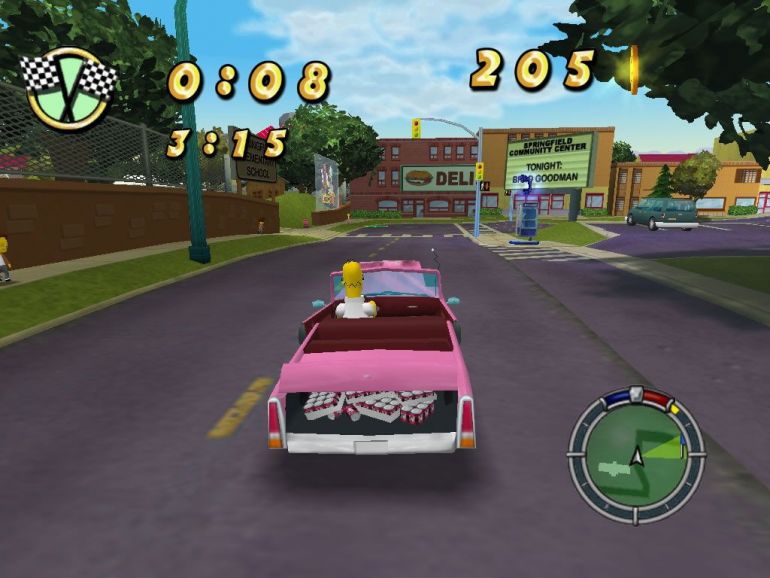
The push into consoles continued. Across GameCube, PlayStation 2, Xbox, and Xbox 360, Sierra Entertainment published the third-person shooter Metal Arms: Glitch in the System, the first-person shooter Judge Dredd: Dredd vs. Death, and the GTA-style action-adventure The Simpsons: Hit & Run.
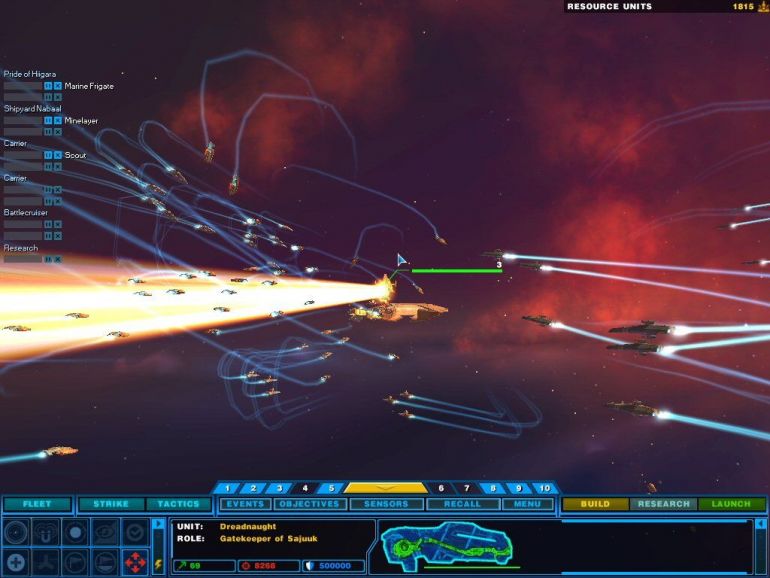
The biggest payoff came from working with Relic on Homeworld 2. It improved on practically everything, as a good sequel should. The visuals and sound got an upgrade, and the gameplay picked up a few new tricks. Homeworld 2 got a warm reception and sold well for a strategy game.
In 2004, another major purge swept through the studios at Sierra Entertainment. This time Impressions Games and Papyrus Design Group were shut down entirely. The Sierra office in Bellevue also closed. Some Sierra franchises were sold to other companies, and the remaining assets were moved to Vivendi's California headquarters. It was the worst wave of layoffs, costing around 400 people their jobs. Sierra Entertainment effectively ceased to exist. The company was dissolved in August 2004, leaving just a publishing label and trademark that kept appearing on games until 2008.
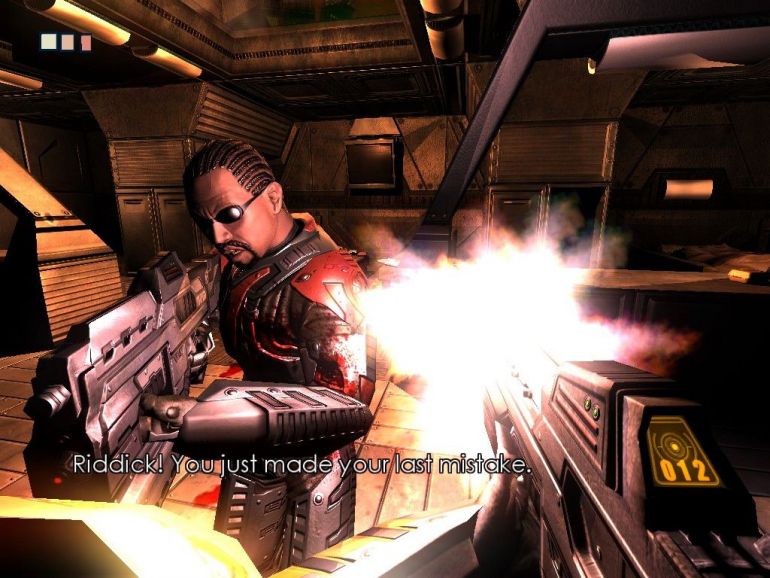
There were still some substantial releases under the Sierra name in 2004. Strategy fans got Lords of the Realm III, Ground Control II, and Nexus: The Jupiter Incident. The last of those felt like a cross between Homeworld and Ground Control set in space. There was also an Xbox-exclusive shooter, Men of Valor, and the action game The Chronicles of Riddick: Escape from Butcher Bay from Starbreeze Studios, which mixed stealth and first-person shooting. The Counter-Strike sequel Condition Zero also came out, developed under license from Valve by a succession of studios. Valve itself released its own Counter-Strike: Source that year, on the updated engine built for Half-Life 2 and its other upcoming games.
Half-Life 2 itself came out in November 2004. And it was, if you'll pardon the expression, a f*cking smash that hardly needs an introduction. Sierra Entertainment distributed the physical copies. Just a couple of weeks after release, the two-year court fight ended. It had started when Valve caught Sierra distributing copies of its games through internet cafés . The court sided with Newell and Harrington. Naturally, that was the last year the developer and publisher worked together. Half-Life 2 was the last Valve game published by Sierra.
in violation of the contract
A year after Sierra effectively shut down, Vivendi suddenly decided to revive it by registering a new company, Sierra Online . It was meant to handle online distribution, apparently in response to the launch of Steam by Valve. In 2005 and 2006, several studios were acquired: Massive Entertainment , High Moon Studios , Radical Entertainment , Secret Lair Studios , and Swordfish Studios . All of them joined the revamped Sierra.
which had no ties to the old company
the developers of Ground Control
which hadn't released anything yet
the developer of The Simpsons: Hit & Run
founded in 2005 and hadn't released anything yet
which worked on sports simulations
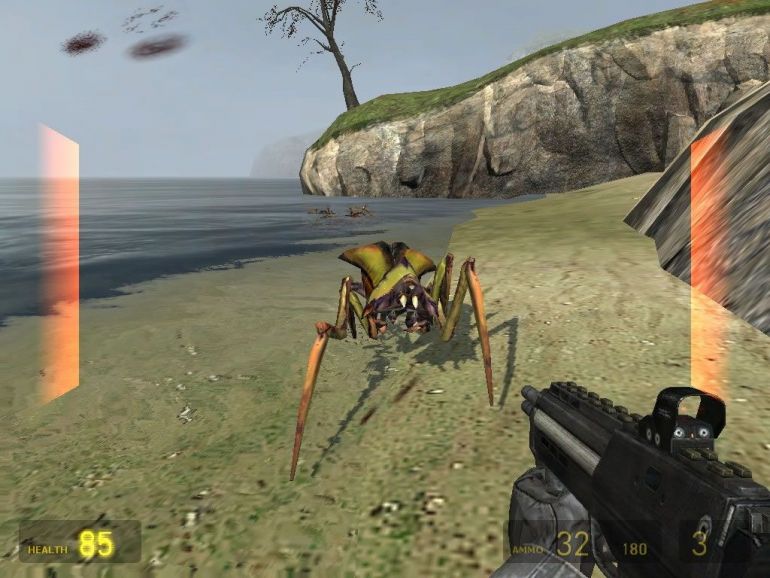
Few games came out with Sierra Entertainment on the box during yet another transition. Among them were a few games based on Universal licenses acquired in 2005: Crash Tag Team Racing and Spyro: Shadow Legacy. There was also Empire Earth II, this time developed by Mad Doc Software, which had made expansions for the first Empire Earth. Sierra also published the action game Predator: Concrete Jungle for Xbox and PS2.
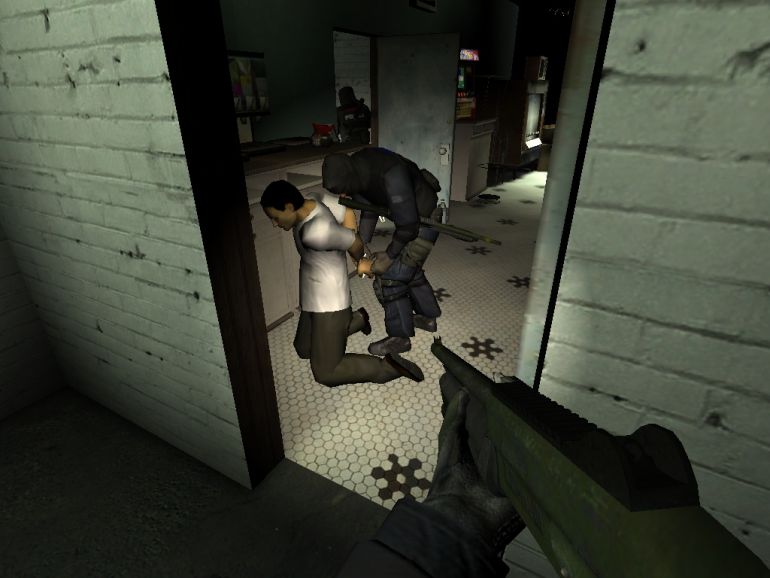
The year's biggest success was SWAT 4 from Irrational Games, led by Ken Levine, who would give the industry BioShock a couple of years later. The fourth game in the Police Quest subseries was once again about the day-to-day work of a police tactical unit, with the emphasis firmly on realism. You have to follow strict rules of engagement and avoid shooting at suspects first.
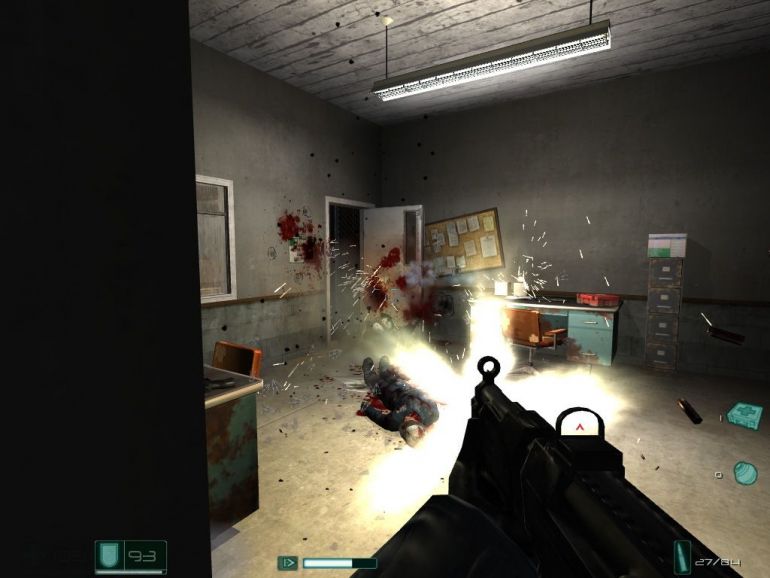
Another first-person shooter wasn't far behind in popularity: F.E.A.R.: First Encounter Assault Recon from Monolith Productions. It stood out for its horror, gorgeous visuals, slow-motion mechanics, and absurdly smart AI.
Things improved a little for Sierra in 2006, and more games came out. There were new entries in Spyro and Crash Bandicoot, and expansions for Empire Earth II and SWAT 4. Classic Sierra games were rereleased in the King's Quest Collection, Police Quest Collection, and Space Quest Collection. The Caesar city-building series got Caesar IV, developed by Tilted Mill Entertainment in place of the now-closed Impressions Games.
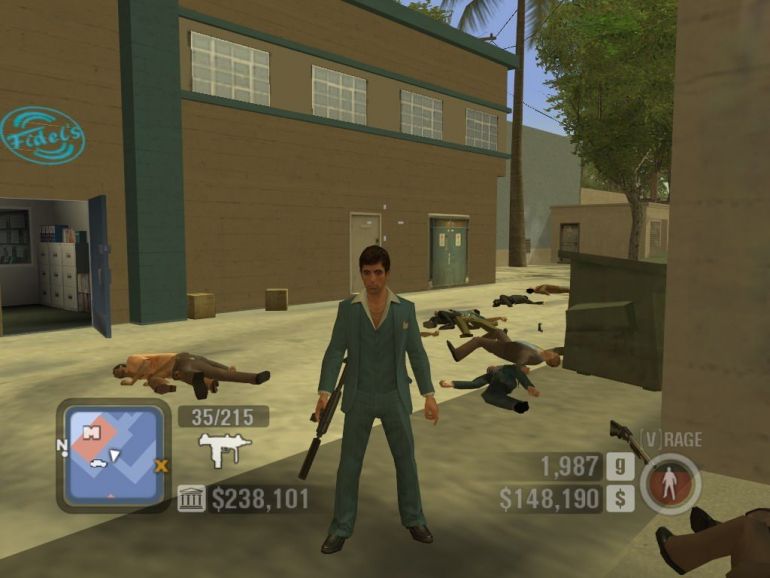
Other releases worth a look included Scarface: Money. Power. Respect. for the PlayStation Portable and Scarface: The World Is Yours for home consoles and PC. The adventure game Eragon, based on the film of the same name, got a whole pile of versions for different platforms. Sierra published every one, and they were all mediocre. The previous year's hit F.E.A.R. also got a proper standalone multiplayer client, F.E.A.R. Combat.
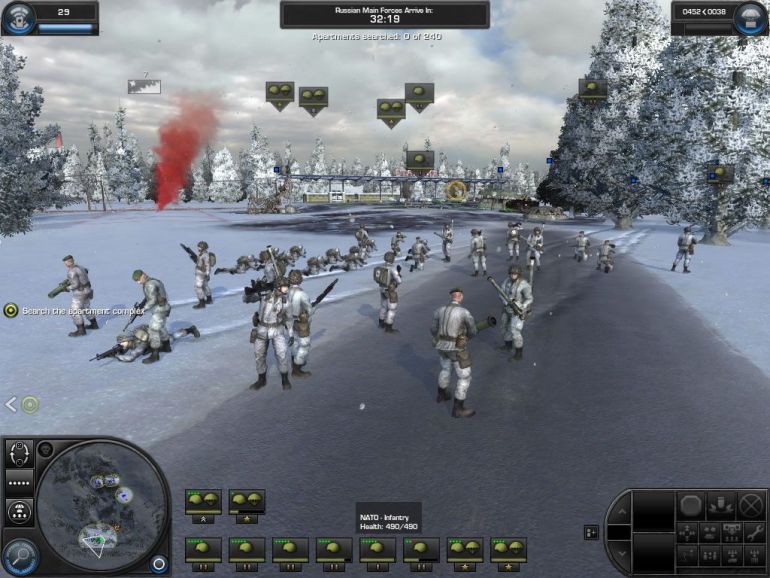
The 2007 lineup looked much like the previous year's. There were more Spyro and Crash Bandicoot games, a few more expansions for F.E.A.R., and the less successful Aliens vs. Predator: Requiem and SWAT: Target Liberty for PSP. Strategy games, on the other hand, did pretty well. Two came out in 2007: World in Conflict from the makers of Ground Control, Massive Entertainment, and Empire Earth III from Mad Doc Software.
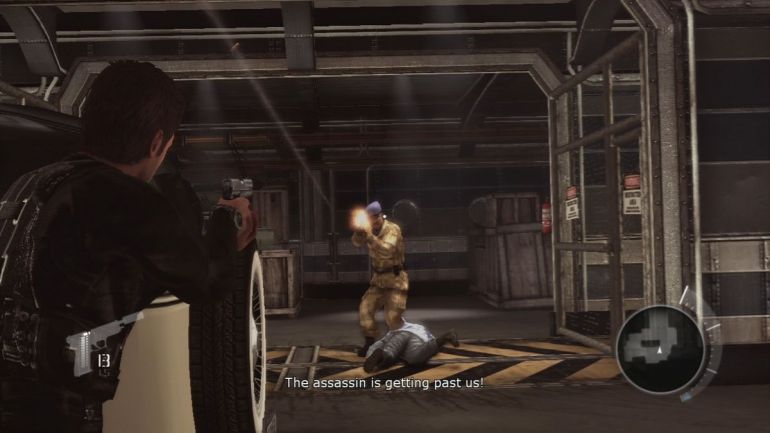
The 2008 release slate wasn't much different from the previous two years, but things were getting worse. There were more games about Spyro the dragon and Crash the bandicoot. Sierra also released a few movie tie-ins. Two of them, The Spiderwick Chronicles and The Mummy: Tomb of the Dragon Emperor, were disappointingly bad. The stealth action game The Bourne Conspiracy, based on the film and book The Bourne Identity, turned out to be quite good.
In 2008, Sierra Entertainment faced another upheaval and a new owner. Vivendi Games and Activision announced their merger into Activision Blizzard, which absorbed Sierra Entertainment and all its intellectual property. Right after the deal, the new company announced that Sierra would shut down again and that the games in its library would be handed to other studios within the group or sold.
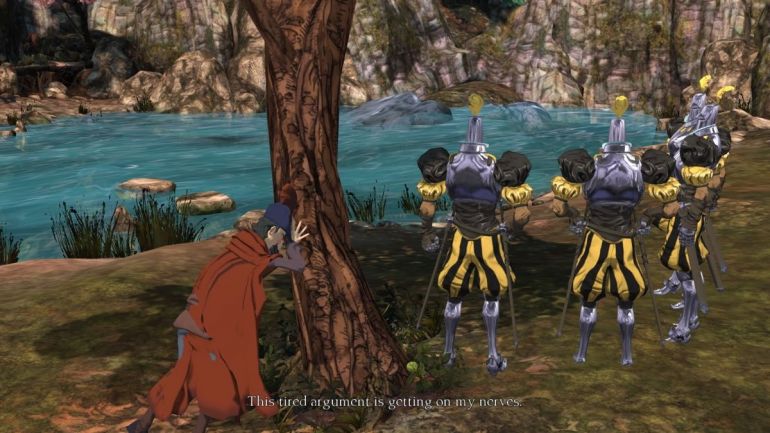
In 2014, another attempt to revive the Sierra brand came from Activision Blizzard, with plans to distribute games digitally through PlayStation Network, Steam, and Xbox Live. Once again, it didn't take. The revival lasted just two years and produced only a handful of games: Geometry Wars 3: Dimensions, Shiftlings, Velocity 2X, and a full reboot of King's Quest.
That last one was developed by The Odd Gentlemen, who didn't make another point-and-click adventure. Instead they turned King's Quest into an episodic adventure in the mold of Telltale's games. The story centered on King Graham telling his granddaughter stories about his youth. The reboot is packed with nods to classic King's Quest adventures, but the main storyline is entirely new, so don't think of it as a remake.
For two years, Sierra published episodes of King's Quest. Unfortunately, once the epilogue came out in December 2016, nobody had any use for Sierra again, even though the reimagined King's Quest had been warmly received. The company remains forgotten today, for all the ground it covered from a little family business to a studio that laid the foundations for entire genres. Could Sierra make a triumphant return someday? Who knows?
Enjoyed this article? Found it helpful? Support GameSpirit.org and help us create more great content.
Author: Godlike_Goblin for GameSpirit.org


