
The History of Nintendo: Part 9

Title: | The History of Nintendo |
Developer: | Nintendo |
Publisher: | Nintendo |
Release: | 11.01.2030 |
The first half of the 2000s hadn't been nearly as rosy as Nintendo was used to. Demand for the company's home consoles kept falling, and only its handhelds and game franchises with large, established fan bases were turning a profit. Still, the company remained optimistic about the future and was ready to turn the industry upside down once again.
2006 got off to a lively start with the announcement of the redesigned Nintendo DS Lite handheld. It was unveiled in January, following criticism of the original DS for its bulky size. The console itself launched in March of that year, but only in Japan. The DS Lite quickly became a commercial success, although high demand led to shortages that lasted until the end of 2007.
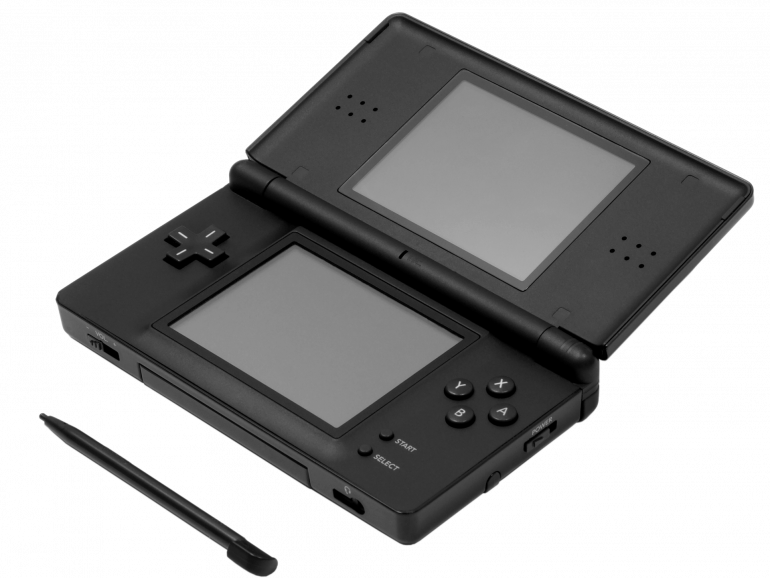
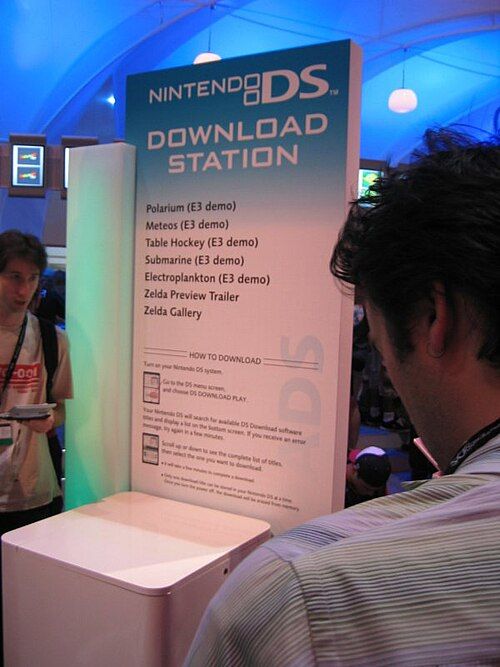
The rest of the world got the handheld that summer, following its appearance at E3 2006 in May. In America, the launch of the DS Lite wasn't the only news: DS Download Station kiosks had been appearing in stores since early 2006, letting players download game demos straight to their DS handhelds. Each download station consisted of several ordinary Nintendo DS systems hidden inside a dedicated kiosk. Each console held a special DS Download Station cartridge containing a demo of one game, which it could share with up to 15 other systems at once.
The company also continued expanding its reach into the global gaming community. To enter the South Korean market, Nintendo established its own subsidiary, Nintendo of Korea, in July 2006. Official sales of the DS Lite began there in January 2007. More than a million DS Lite systems were sold in South Korea in their first year. There were also a few odd incidents during this period: in Hong Kong, a shipment of consoles and games was stolen. According to some reports, the loss may have amounted to as much as $2.5 million.
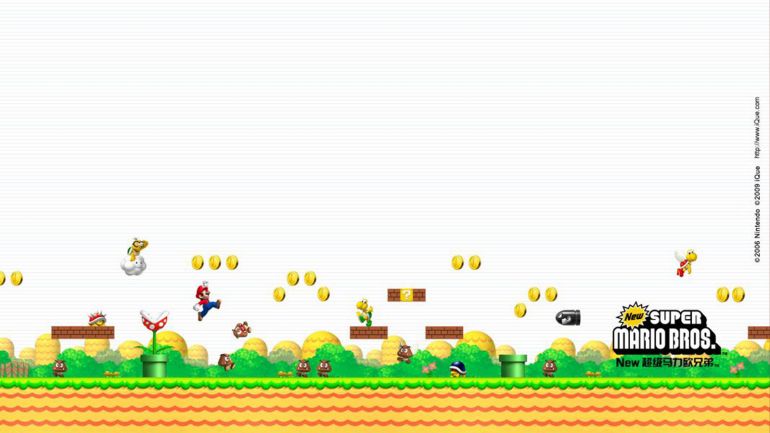
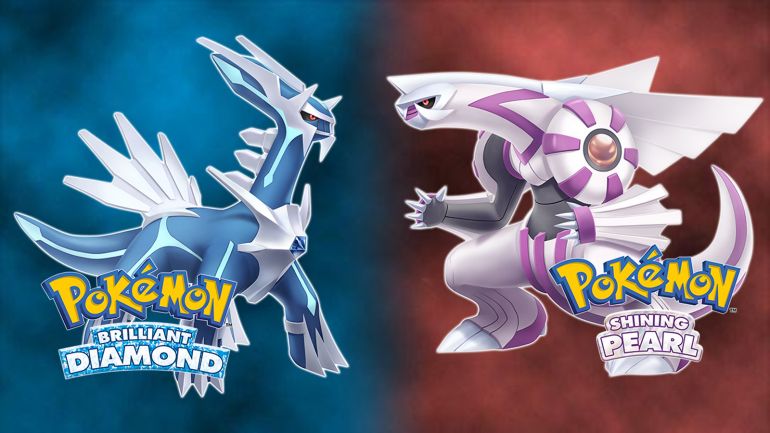
As for games, the company's internal studios put out just over a dozen releases for theNintendo DS that year. Several of its biggest franchises got new entries: Metroid Prime Hunters and Mario vs. Donkey Kong 2: March of the Minis from NST, and New Super Mario Bros from EAD. The Nintendogs series, which had already found its own audience, remained popular too. Naturally, there was also a classic rerelease in the form of Game & Watch Collection. And what would a Nintendo lineup be without Pokémon? Game Freak's Diamond and Pearl versions arrived that year. In all, around 190 games were released for the Nintendo DS over the year.
The library of the previous generation's handheld, the Game Boy Advance, got a more modest update. Just under 140 games came out for it in 2006. Notable releases included Rhythm Tengoku from the SPD division. Among projects from Nintendo's close partners, only Mother 3, released in Japan, stood out. By then, though, developers were largely focused on games for the new handheld.
May 2006 also brought some personnel changes within the company. Reggie Fils-Aimé became the third president and chief operating officer of Nintendo of America, succeeding Tatsumi Kimishima. Mr. Kimishima himself moved up to become CEO and chairman of the board of Nintendo of America.
The year's biggest event was the release of a new home console developed by the IRD division. As recently as spring, Nintendo's new system had been known as the Revolution, but in April, ahead of E3 2006, it was renamed the Wii. The short new name was memorable, easy to pronounce, and associated with the idea of playing together. But far more exciting than the name were the unusual controllers, which let players control characters with gestures as well as button presses. Later, in September, the price was announced, and this time it was lower than the competition's.
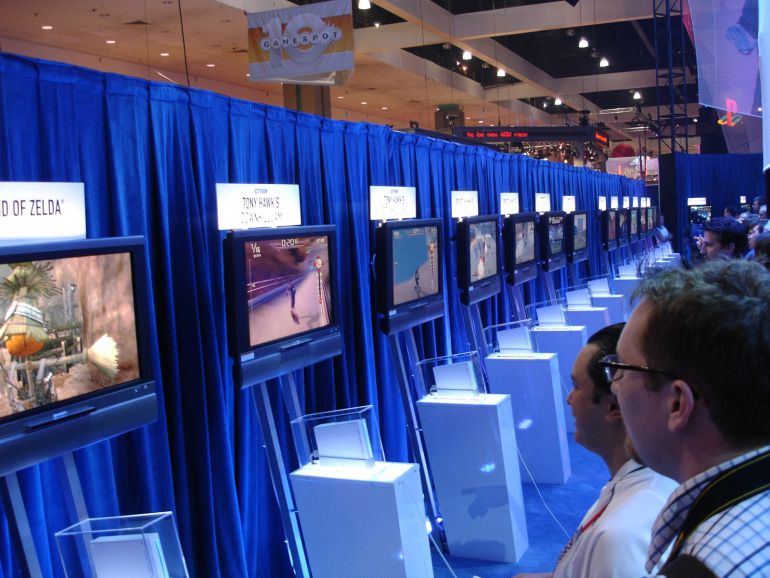
The Nintendo Wii launched on November 19, 2006, initially only in North America. Japan, Europe, and Australia had to wait until December. The console began appearing in other regions later, starting at the end of 2007. By the time the Wii arrived, the Xbox 360 had already been on the market for a year. Perhaps Nintendo decided to launch in North America first because of the Japanese launch of the PlayStation 3 on November 11, 2006. Clearly, the Big N decided not to take any chances.
Surprisingly, this wasn't much of a problem for the Wii. The new Xbox sold poorly in Japan, and the early versions of the American console suffered from serious technical problems. Things weren't all that rosy for Sony either. The PS3 was extremely expensive, and its first few months on sale were marked by shortages that weren't resolved until December.
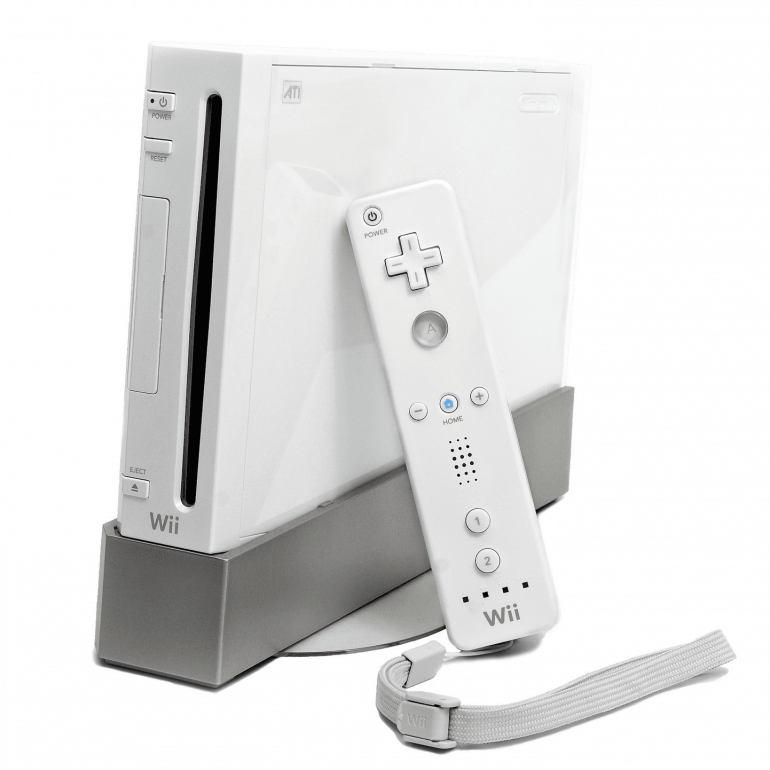
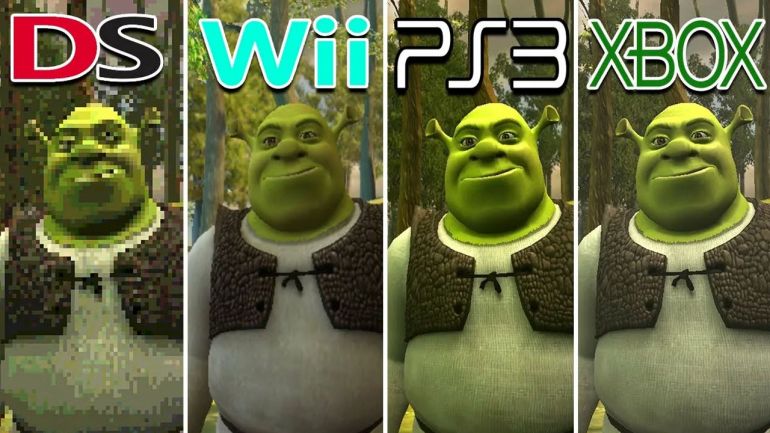
While Nintendo's home console rivals were moving in roughly the same direction with big blockbusters and realistic HD graphics, the Big N chose a completely different path. It planned to attract players with gameplay innovations and a unique way to control games. The trade-off was that the Wii was extremely underpowered for its generation. Just look at the difference between the processors in the Microsoft, Sony, and Nintendo consoles. The Cell and Xenon ran at 3.2 GHz, while the Broadway used in the Wii managed a modest 729 MHz.
Because of its modest specs, the Wii was often seen as something of an odd one out in the seventh generation. Its limited online features played a part in that too. Technically, the Wii, Xbox 360, and PlayStation 3 all belonged to the same generation, but their capabilities and philosophies were worlds apart.
Still, some good decisions were made during the development of the Wii. For one thing, it was the cheapest console of its generation. It was also the only one to turn a profit right from launch. Its competitors, meanwhile, had to spend more time optimizing their hardware to stop selling it at a loss. Its games were cheaper than those on competing systems too. The Wii also benefited from being designed for a broader audience from the start.
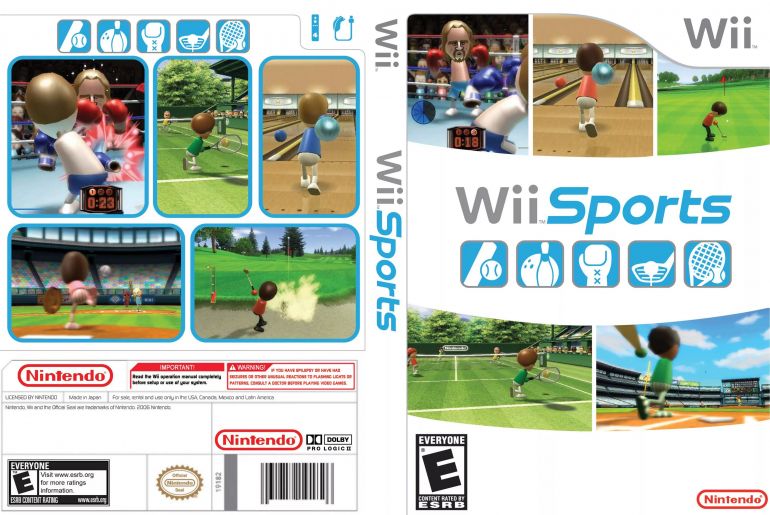
Sales were boosted by new games in popular series like Mario, Legend of Zelda, Metroid, Donkey Kong, Kirby, and, of course, Pokemon. Nintendo hardly had to do anything there: those series already had huge fan bases. A whole range of games using motion and gesture controls helped attract new kinds of players. It started with Wii Sports, followed later by Wii Fit and Wii Music. Players didn't just press buttons on a controller; they mimicked their characters' actions, swinging rackets, fencing, shooting bows, and playing musical instruments, turning their movements into the main part of the gameplay. Those who preferred more traditional controls could buy a Wii Classic Controller separately, with sales starting in December 2006.
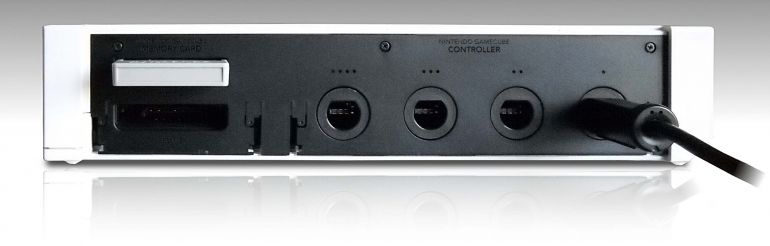
The Nintendo Wii was also impressively friendly to the company's older devices. First, it offered backward compatibility with its predecessor, the GameCube, at the hardware level rather than through emulation. Playing games required original GameCube discs, controllers, and memory cards, so early Wii models had the necessary ports and slots. Second, the console could connect wirelessly to the Nintendo DS, allowing games that supported the feature to use the handheld's built-in microphone and touchscreens for input.
Besides supporting the GameCube, the new console let players revisit older Nintendo games through the Virtual Console service, this time using software emulation. The selection was extensive, ranging from NES games to N64 titles. Best of all, Virtual Console also offered games from entirely different platforms that had once competed with Nintendo. There were arcade games, Mega Drive, TurboGrafx-16, Neo Geo, and even various home computers. A real treasure trove. Later, that variety was scaled back: the service focused only on games associated with Nintendo.
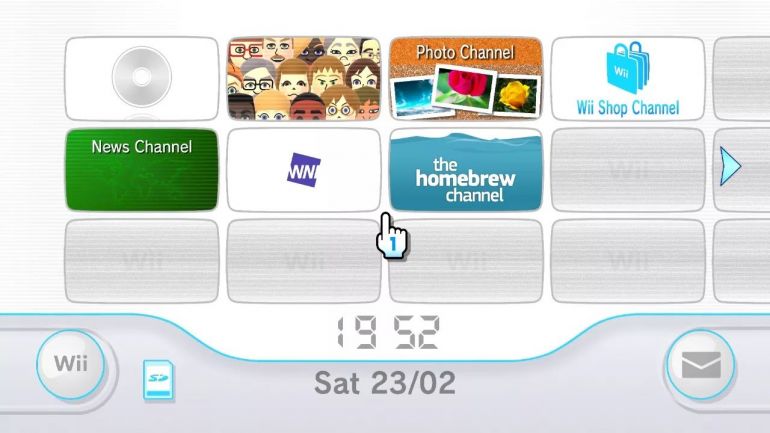
In the previous generation, Nintendo had almost completely ignored the GameCube's online capabilities. Ridiculous as it sounds, the console had just five games with internet play and another three with local network play. This time, the company completely rethought its approach to online features, though it couldn't quite match its competitors. The console could maintain a constant internet connection. Its main gateway to the internet was Nintendo Wi-Fi Connection, a service launched in 2005 and tested on the Nintendo DS.Notably, online play through the service didn't require a separate paid subscription, unlike Xbox Live.
The Wii's online features went beyond Virtual Console. Players could also buy contemporary games online, including exclusive WiiWare titles, which would launch in 2008. Purchases were made through the Wii Shop Channel using Nintendo Points, an internal currency bought exclusively with real money. Additional software for the console was available there too. There was also WiiConnect24, which kept the console connected to the internet in the background and let it receive messages from friends, updates, and other content. And naturally, the Big N made sure to include some advertising. The console also had its own browser, the Internet Channel, based on Opera 9. And, of course, it supported multiplayer both online and over a wireless local network.
All in all, Nintendo had once again made a highly revolutionary console. But in pursuit of a broader audience, something had to give. The most common criticism of the Wii was that it was too casual. It was called unsuitable for a more hardcore, more demanding audience, so to speak. This wasn't just the opinion of players: developers often chose not to bring some of their biggest games to the Wii. In practice, the best-selling games on the Big N's console came from the Big N itself and its closest partners.
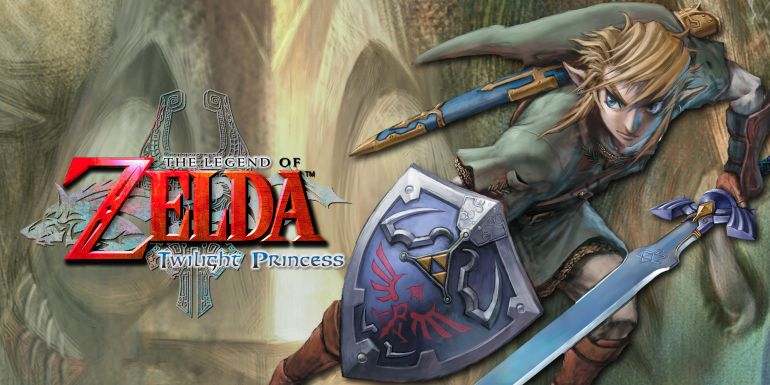
Nintendo's new console also boasted a solid launch lineup. There were around 20 games in America, though only a small fraction came from the company's internal studios. Among them, Wii Sports and The Legend of Zelda: Twilight Princess stood out. Other regions also got Wii Play and WarioWare: Smooth Moves. In all, just 95 games were released for the Wii in 2006, some of which also appeared on other Nintendo systems.
In the shadow of the successful Nintendo Wii, the previous generation's GameCube received a much more modest lineup of just under 50 releases. The Cube was living out its final days. The only major GameCube release during this period was The Legend of Zelda: Twilight Princess. The console also got a couple of exclusives: Baten Kaitos Origins and Odama.
After the success of the Wii, Nintendo's philosophy began to shift. With Satoru Iwata at the helm, the company began expanding its idea of what Nintendo devices could be: not just game consoles, but tools for fitness and well-being. The idea eventually became a separate Quality of Life initiative focused on making products that improve quality of life. It showed up almost immediately in Wii Fit. Later, in 2009, the company announced a more ambitious device, the Wii Vitality Sensor, an accessory designed to measure pulse and other bodily signals. It never made it to a full release, and neither did another similar Nintendo project.
2007 was relatively quiet. The company had already unleashed all its ready-to-go innovations in 2006. The Wii and DS continued to bring in enormous profits, and Nintendo reaped the rewards of its work, well aware that its new strategy was paying off. Wii sales were phenomenal. Throughout the year, the Wii repeatedly outsold the Xbox 360 in monthly US sales. Japan was another story altogether, as the Xbox still wasn't particularly popular there. The Nintendo console's total sales became the highest of its generation.
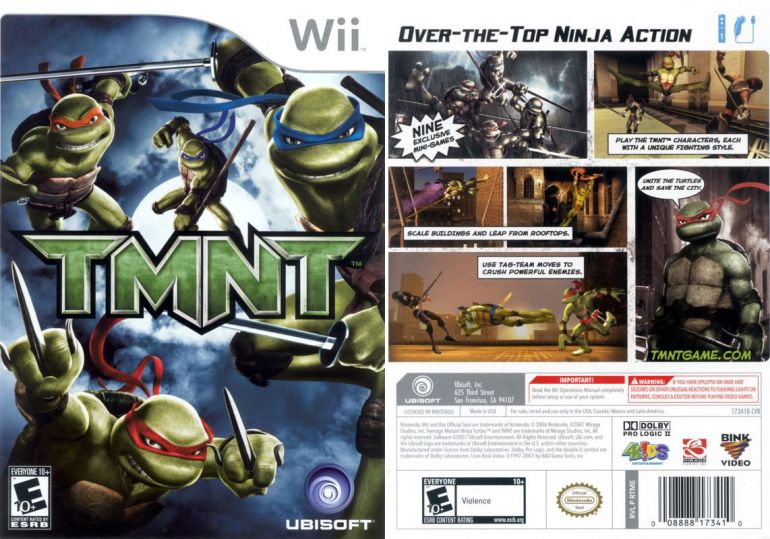
On the games front, the year saw the last releases for the GameCube. There were just six: half were sports sims and the other half were based on Disney cartoons. The only standout among them was the multiplatform TMNT from Ubisoft, based on the computer-animated movie of the same name, TMNT . Needless to say, there were no more games from Nintendo's internal studios.
TMNT in the original
Things were only slightly better for the previous generation's handheld, the Game Boy Advance. It received just under 40 games in 2007, but Nintendo stayed out of it, releasing nothing for the old handheld itself. For all practical purposes, 2007 was the last year with a significant number of GBA releases. The following year brought just three games, none of them particularly good.
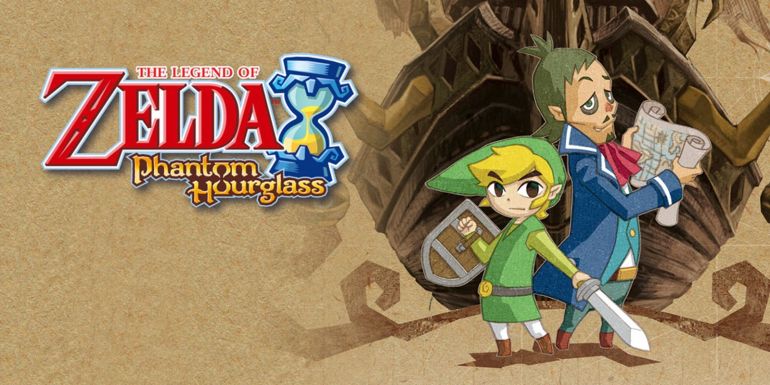
The new consoles, on the other hand, were doing extremely well. The DS continued to dominate the handheld market, receiving 400 new releases. Oddly, the Big N itself made hardly any effort on the handheld front. Only one notable internal release stood out: The Legend of Zelda: Phantom Hourglass, made by EAD. It was the first full-fledged The Legend of Zelda game for the DS, and it made full use of the system's features, from touch controls to the microphone.
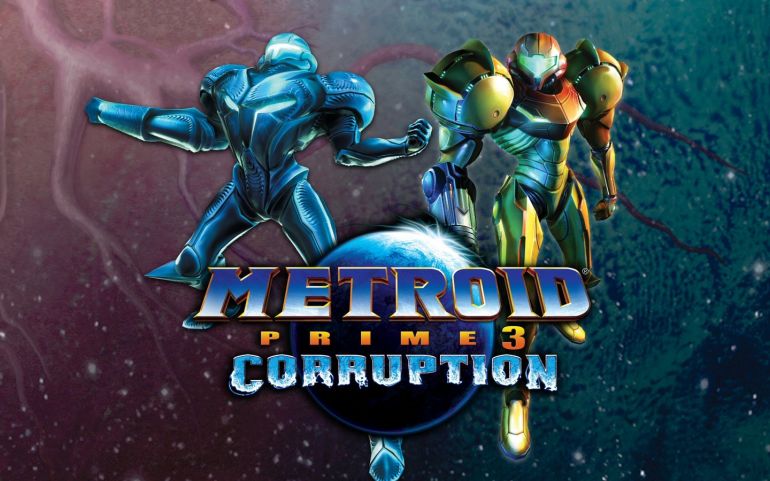
The Wii got its own 400 games in 2007. There's a catch, though: a substantial number were older games released through Virtual Console. Among new releases in established franchises, partner studios made their mark: Intelligent Systems released Super Paper Mario and Fire Emblem: Radiant Dawn, while Retro Studios treated fans to Metroid Prime 3: Corruption. It clearly showed that the Wii could deliver a substantial sci-fi action adventure. The internal EAD team produced Super Mario Galaxy, which showed off the console's major technical features to great effect.
But there was another category of Wii games: hugely popular, yet less beloved by players who preferred lengthy stories, complex progression systems, and deep mechanics. These were collections of simple minigames designed for short sessions and competition between players. Big Brain Academy: Wii Degree from EAD was a prime example. That sort of design suited the Wii's new audience, but also reinforced the perception that the console's library consisted mostly of shallow entertainment.
In November 2007, the Japanese Wii online services gained the Nintendo Channel. It was a dedicated channel for company news, trailers, and information on both new and upcoming games. The Nintendo Channelalso let users download demos of certain Nintendo DS games, turning the home console into a sort of demo platform. Thanks to its wireless connection to the DS, the Wii could send demos straight to the handheld. This showed that Nintendo saw the Wiiand DS as connected devices in one ecosystem rather than separate products.
other regions had to wait
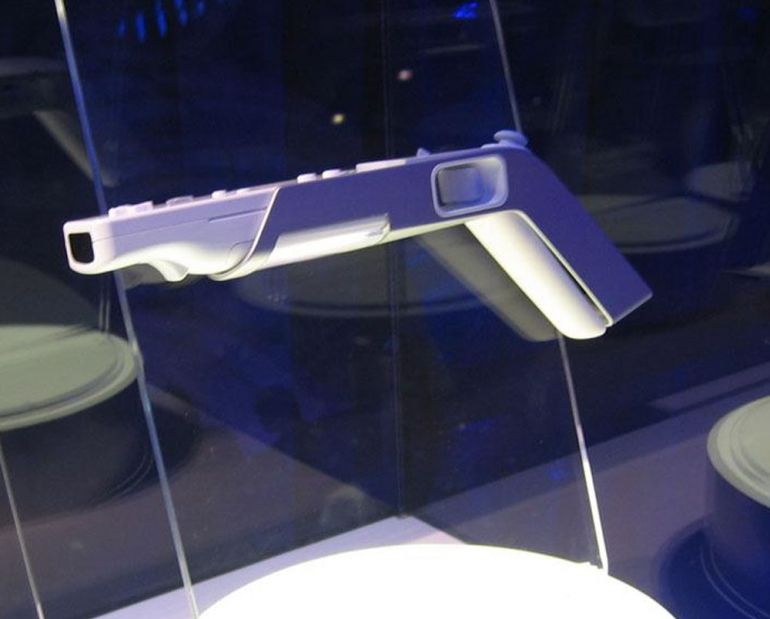
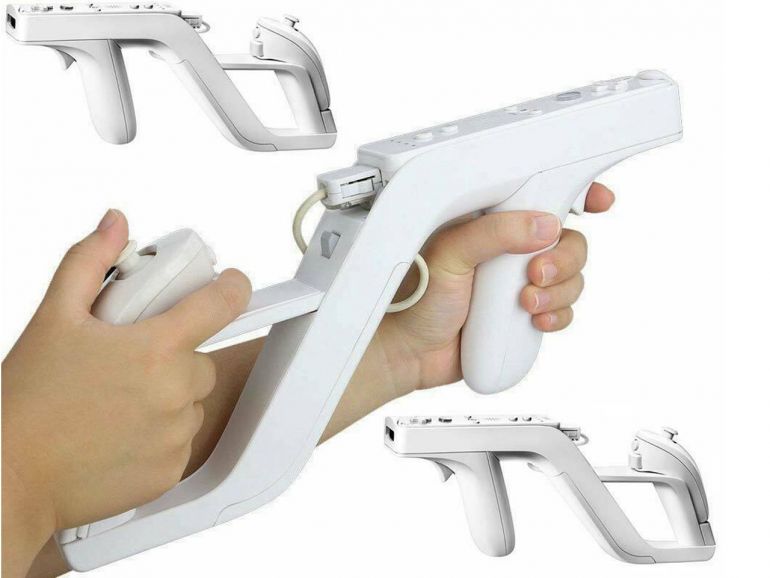
A couple more EAD creations were similarly popular without being particularly deep, and also stood out for requiring additional accessories. Link's Crossbow Training, for example, came bundled with the Wii Zapper shell, which resembled a submachine gun. To play with it, you had to attach the Wii Remote and Nunchuck controllers that came with the console. The Wii Zapper also worked great in more serious games from the Call of Duty, Medal of Honor, and Resident Evil series, among others.
named after the NES Zapper light gun
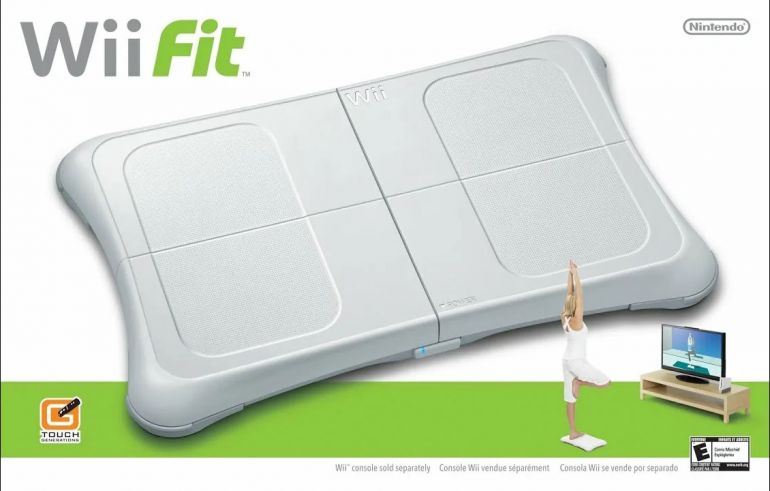
Toward the end of 2007, Japan got Wii Fit, a game designed around a special platform called the Wii Balance Board. The two were sold together. Players stood on the board and followed exercises on the screen while it measured their weight and distribution of their center of gravity. Later, Wii Fit and the Balance Board were studied in a medical context as well. A review of several studies found promising results for improving balance in older users, though the researchers noted that there wasn't yet enough evidence to make definitive recommendations about exercise methods and safety. Even so, both Wii Fit and the Wii Balance Board fit neatly into the new strategy ofimproving quality of life.
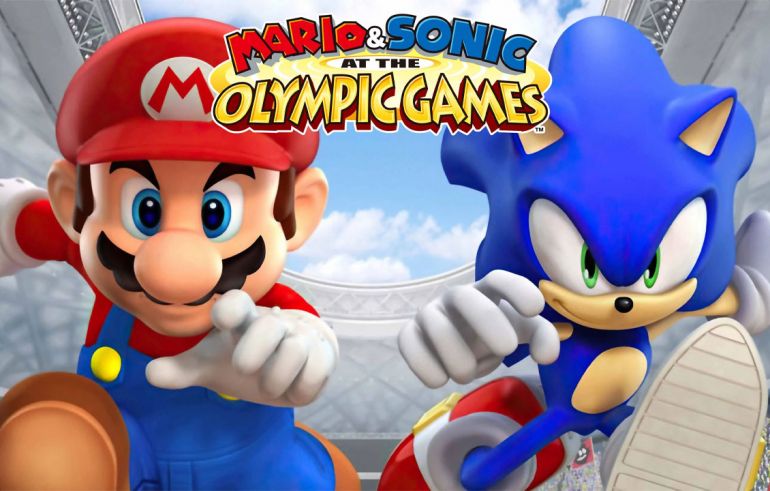
Another notable event was the release of Mario & Sonic at the Olympic Games. For the first time, the once-rival mascots of Nintendo and Sega appeared together. The game was a collection of Olympic sports that made extensive use of Wii Remote controls. Designed for a broad audience and multiplayer competition, it fit the Wii's strategy well. It launched first as a Nintendo Wii exclusive, reaching DS handhelds a couple of months later.
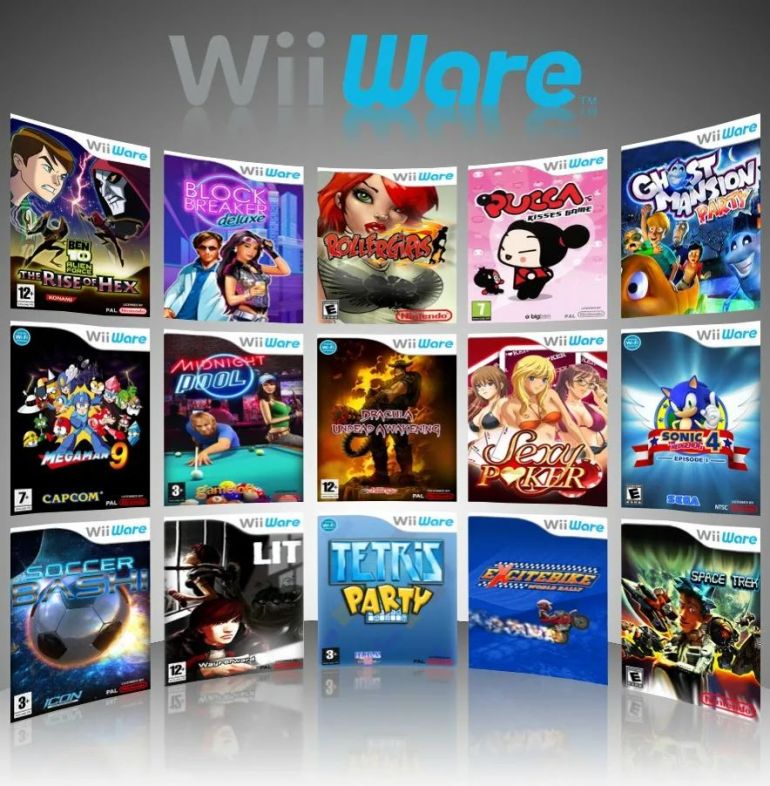
In spring 2008, Nintendo launched a new initiative on the Wii: WiiWare. Essentially, it was a separate section of the Wii Shop online store where players could find and buy games and applications released exclusively in digital form. WiiWare offered new releases made specifically for the Wii. Unlike Virtual Console, it didn't include games from the classic libraries of earlier platforms.
Thanks to digital distribution and the absence of physical publishing costs, Nintendo marketed the service as especially friendly to small studios and solo developers. That was partly true, but there were problems. First, WiiWare games had a strict 40 MB size limit, which kept some indie projects from ever reaching the Wii. Second, Nintendo required developers to sell at least 6,000 copies before it would start paying them. The Big N never commented on the claim, so it may just be a myth.
In 2008, the Nintendo Wii continued its march around the world, officially launching in South Korea and Taiwan. A Chinese launch was planned too. The idea was to arrange it through longtime partner iQue, with which Nintendo had sold the iQue Player in 2003. Based on Nintendo 64 technology, that console was released exclusively in China. A Chinese Wii launch was discussed, but the console was never officially released there.
Toward the end of the year, another version of the Nintendo DS handheld was released, this time called the DSi. As with the Wii, there's a bit of wordplay in the name. While the home console's name referred to the English word "We" and a philosophy of bringing people together, the "i" in DSi stood for "I," emphasizing the handheld's personal nature.
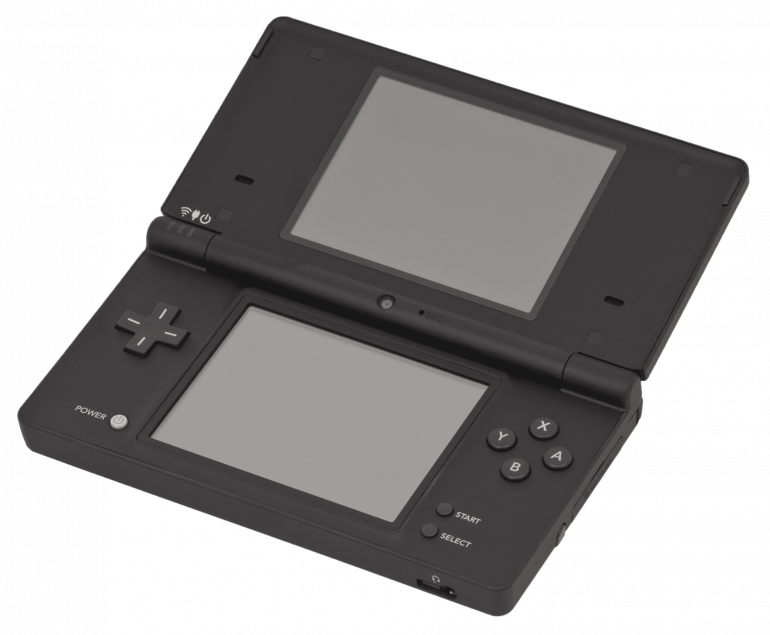
The DSi wasn't a fundamentally new device, just another evolution of the original DS and the lighter DS Lite. The console was even thinner, and its screens were a little bigger. That compact size came at the cost of the Game Boy Advance cartridge slot. The new handheld also gained two cameras and an SD card slot.
one on the inside and one on the outside
The Nintendo DSi became Nintendo's first handheld with a built-in store for downloadable games and applications: the DSi Shop, which sold DSiWare titles. It was essentially a portable version of the services on the Wii. The digital products offered for the DSi, however, weren't available on either the DS or even the DS Lite. Amusingly, just a few weeks earlier, Nintendo's main handheld competitor, Sony, had added the PS Store to its PSP.
As for Wii games, Nintendo's internal studios weren't just developing new projects; they were also rereleasing games from its earlier platforms. More than 500 games came out for the console that year in total. 1080° Snowboarding, StarTropics, Pokémon Puzzle League, and Kirby 64: The Crystal Shards were released on Virtual Console. Pikmin and Donkey Kong: Jungle Beat got separate disc releases. Both were reworked for the Wii's control system.
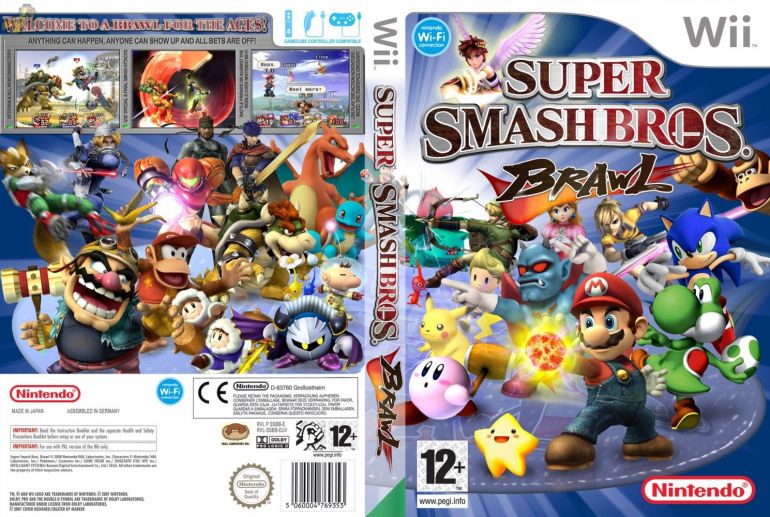
One of the best Wii games of 2008 was the fighting game Super Smash Bros. Brawl, made by a combined team of developers from 19 different studios. It included staff from Nintendo, Monolith Soft, Paon, and Game Arts. Development and the whole team were led by Masahiro Sakurai, formerly of HAL Laboratory.
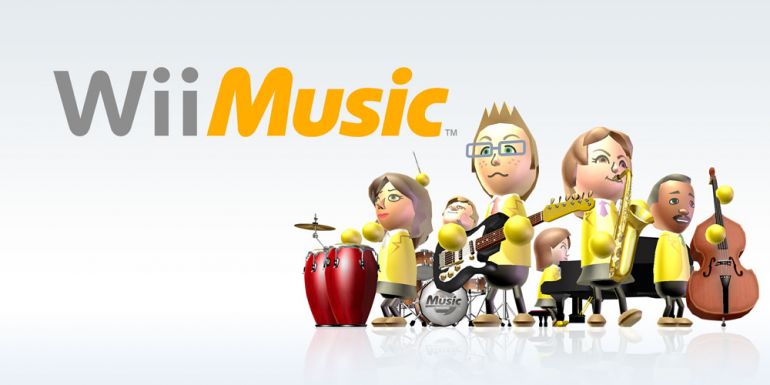
The loosely defined Wii series got some new additions too. Wii Music and Wii Chess joined the previously released Wii Play, Fit, and Sport. The first was more typical of the lineup and used all the bells and whistles of the system's controls. The idea was to use the controllers to mimic playing instruments with gestures. Unlike Guitar Hero and Rock Band, the game focused on making music freely rather than hitting notes precisely
The second game, Wii Chess, was also part of the WiiWare lineup. What's particularly funny is that Wii Chess was the only game in the Wii series without motion controls. Instead, it used the Wii Remote's D-pad, or you could buy a separate Wii Classic Controller that plugged into the Remote.
In 2008, only two games delighted players with both engaging gameplay and the chance to use new accessories. One was Animal Crossing: City Folk, which could be bought bundled with the Wii Speak microphone. Both were also sold separately. The microphone was only needed for voice chat in the Wii Speak Channel and, aside from Animal Crossing, was used in just a handful of games: The Conduit, Endless Ocean 2, and Monster Hunter Tri.
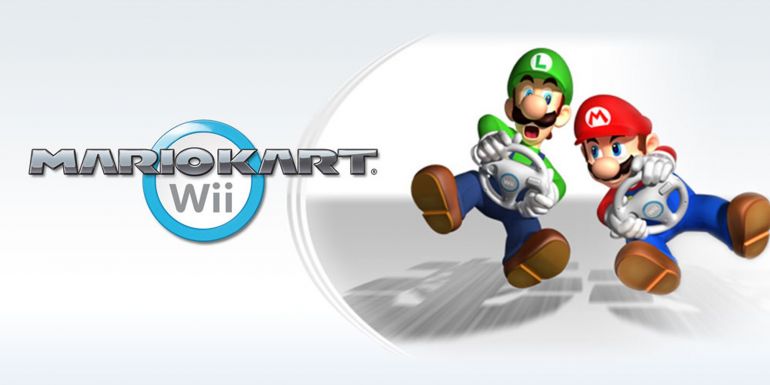
The other accessory had a much happier fate. The Wii Wheel originally came bundled with the racing game Mario Kart Wii, though it could also be bought separately. It was a plastic steering wheel with a Wii Remote slotted into it, and you turned the whole thing like something out of an old joke about a truck steering wheel. It looked strange, but people liked it, and some other racing games supported the Wii Wheel too. Mario Kart Wii itself became one of the console's biggest hits and one of the most popular games of 2008.
Like the Wii, the Nintendo DS received around 500 releases. Only a couple of internal projects are worth mentioning. Both came from the SPD division, and both were music rhythm games: Jam with the Bandand Rhythm Heaven. Intelligent Systems treated players to two tactical games, Advance Wars: Days of Ruin and Fire Emblem: Shadow Dragon. Two Pokémon games also came out in 2008: Pokémon Platinum Version from Game Freak and Pokémon Ranger: Shadows of Almia from Creatures. Meanwhile, HAL Laboratory released a new Kirby game, Kirby Super Star Ultra.
Games for the new DSi were just starting to appear, and by the end of 2008 the handheld had a small selection. Japan got Chotto Dr. Mario, Utsusu Made in Wario, and the puzzle games Art Style: Aquario and Decode. All of them were DSiWare. Players could also mess around with the cameras using DSi Camera and download a browser to surf the web. Naturally, regular Nintendo DS games ran on the DSi too, or at least most of them did. That library was already more than substantial, so there was plenty to keep players busy.
In November 2008, the Nintendo Zone service launched in North America and Japan, building on the ideas behind DS Download Station. It let users access Nintendo Wi-Fi Connection and the DSi Shop through hotspots or download stations scattered around cities, including at McDonald's restaurants and airports. DS users could download free game demos and other content, including local Nintendo advertising.
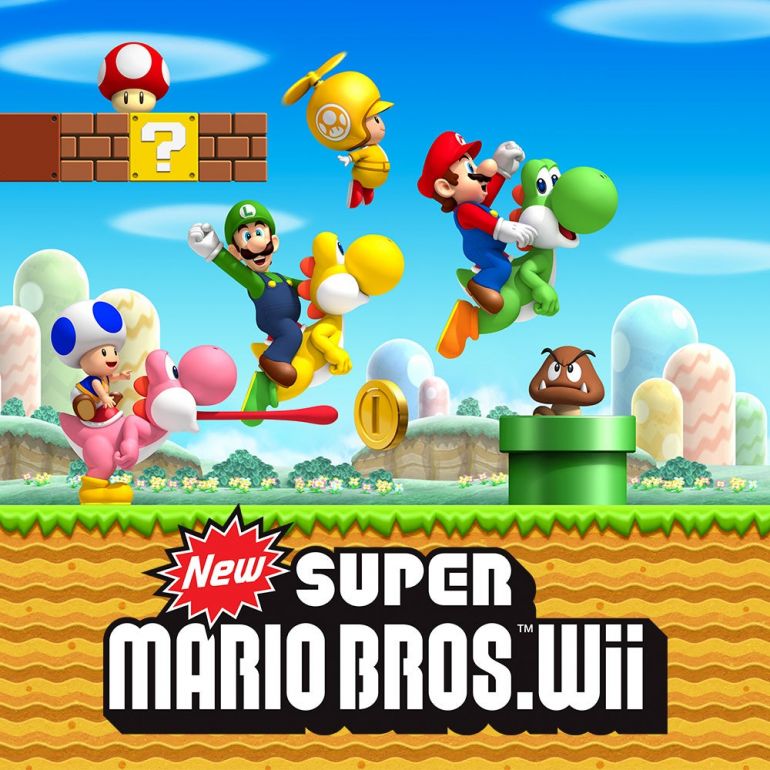
By 2009, sales of the Wii home console had begun to slow, although the holiday season at the end of the year helped even things out. Major releases that used the system's main features helped too. These included Wii Fit Plus, which made extensive use of the Wii Balance Board, and New Super Mario Bros., an undisputed bestseller and one of the best Wii games. More than 600 games were released that year in total, including the usual batch of rereleases from older systems.
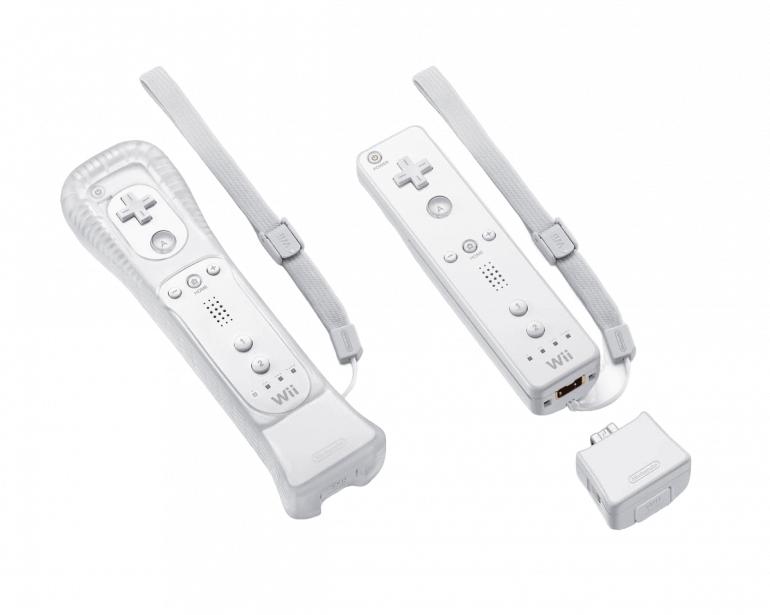
The year's gameplay innovation came courtesy of Wii Sports Resort, released the same summer as the Wii MotionPlus accessory. This add-on for the Wii Remote let the console recognize more complex movements and expanded its control options. The accessory could only be used in games designed to support it. Earlier games that weren't designed for MotionPlus still worked with the accessory attached; they just didn't use its extra features. Around 60 games were released with Wii MotionPlus support in total.
some of which were released on Wii U
Things were going great for Nintendo's handhelds that year, just as they had in previous years. The DS passed 100 million systems sold. In April, the DSi set out to conquer Australia, North America, and Europe, and by the end of the year the company had also launched the handheld in China through its partner iQue.
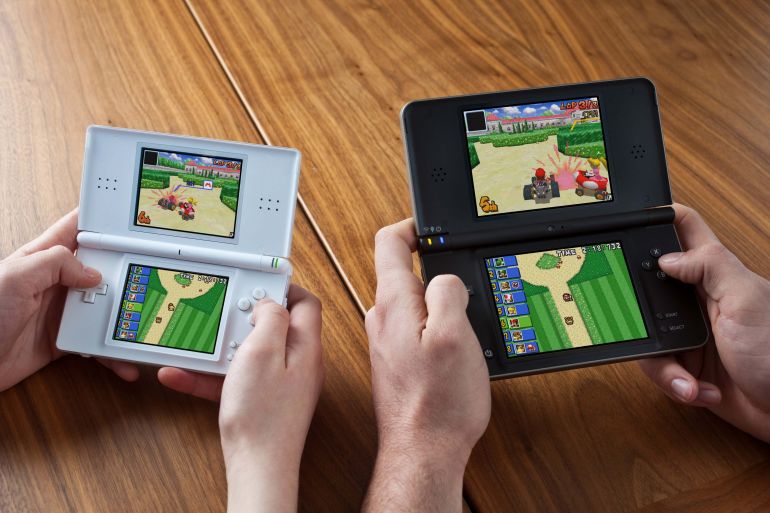
In November 2009, the fourth version of the Nintendo DS, called the Nintendo DSi LL, launched in Japan. It would become known in the West as the DSi XL, but that came a little later. The redesigned model was considerably larger, allowing for even bigger screens, as well as larger speakers and a bigger battery. The new screens also offered wider viewing angles. Curiously, the handheld was no longer positioned as a personal device. Iwata himself suggested that players enjoy games from the Tomodachi Collection or Professor Layton series with loved ones, which could make them even more fun.
The DSi itself received just over 100 titles that year, most of them on DSiWare, which also launched outside Japan in 2009. Players got to try WarioWare: Snapped!, a collection of minigames that used the handheld's cameras. Mario vs. Donkey Kong: Minis March Again! followed later, with the ability to create custom levels. And Flipnote Studio offered a completely different kind of fun: an application for creating animated clips and sharing them with other users.
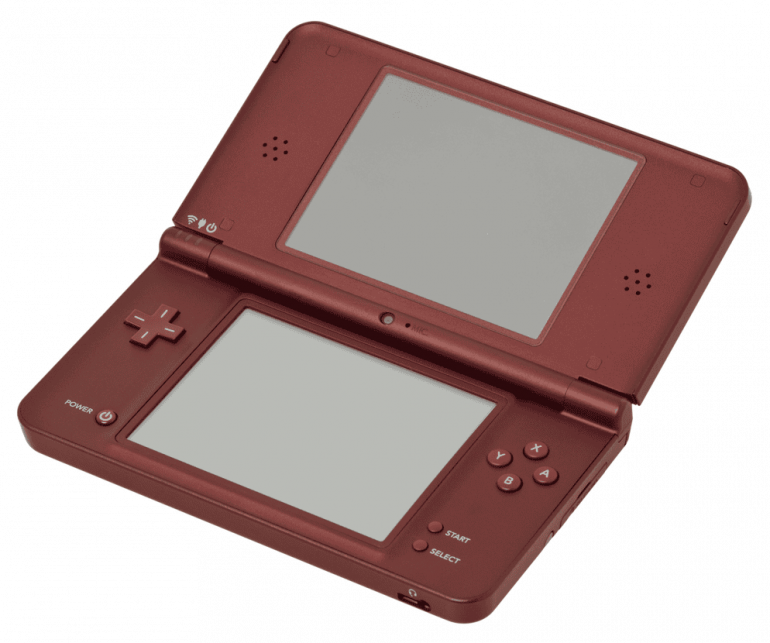
The number of games released for the classic DS dipped slightly, falling short of 500. The games, however, were genuinely good and varied. Internal studios and close partners released Legend of Zelda: Spirit Tracks, Mario & Luigi: Bowser’s Inside Story, WarioWare: D.I.Y., and the customary pair of Pokémon games, Pokémon HeartGold and SoulSilver. Of course, all of them could also be played on the new DSi and DSi XL.
The decline in DS releases continued in 2010, with the total falling below 400 games. But this was also when one of the strongest Pokémon entries for the DS came out in Japan: Pokémon Black Version and White Version, developed by Game Freak itself. Besides that pair, fans of the pocket monsters also got Pokémon Ranger: Guardian Signs from Creatures. Other notable releases from Nintendo and its partners included Mario vs. Donkey Kong: Mini-Land Mayhem! from NST.
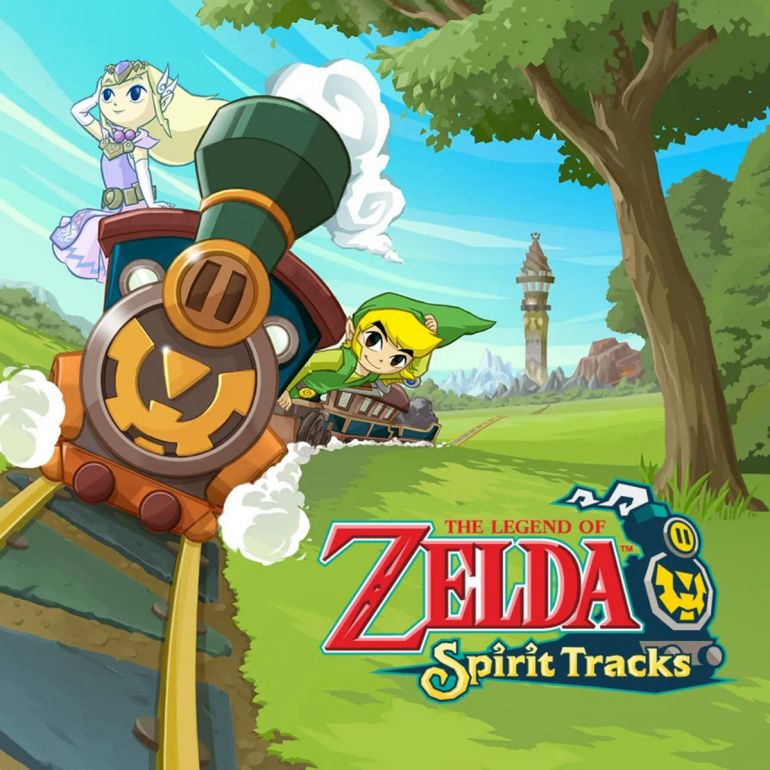
While releases for the DS were starting to decline, the DSi was picking up steam. It got just over 200 releases in 2010. But there was one big catch: almost all of them were DSiWare. In other words, most were junk. Among the more notable releases were the arcade game Aura-Aura Climber, the unusual puzzle game Looksley’s Line Up, and Face Pilot, which used the console's camera to control flight. And let's not forget that DS games ran on the DSi too, provided they didn't require accessories the newer console no longer supported.
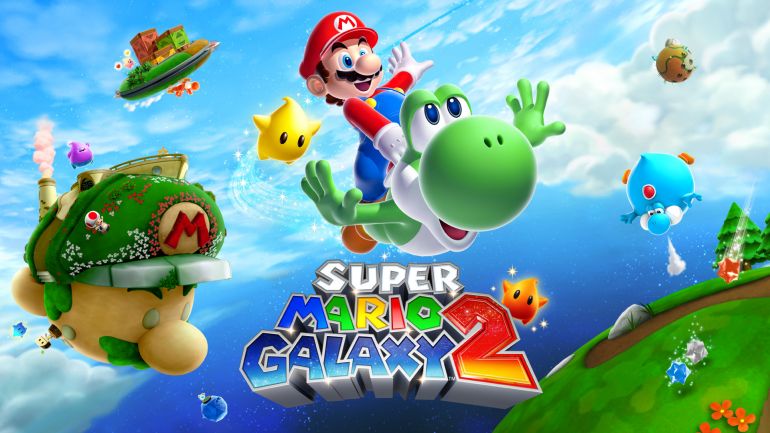
The number of Wii games remained around 500. EAD delivered the excellent Super Mario Galaxy 2. Xenoblade Chroniclesfrom Monolith Software was received just as warmly. There were also Donkey Kong Country Returns, Metroid: Other M, WarioWare: D.I.Y. Showcase, and others. The active Wii game lineup gained Wii Party from NDCube.
On the hardware side, the year brought three important events in the company's history. First, Nintendo officially announced its new handheld, the 3DS, in March 2010, then gave it a full reveal at E3 2010, promising a release early the following year. Second, the company released the Wii Remote Plus, an updated version of the standard Wii Remote, combining it with Wii MotionPlus in a single shell. Third, 2010 marked the 25th anniversary of Super Mario Bros, and Nintendo celebrated with special red editions of the DSi XL and Wii.
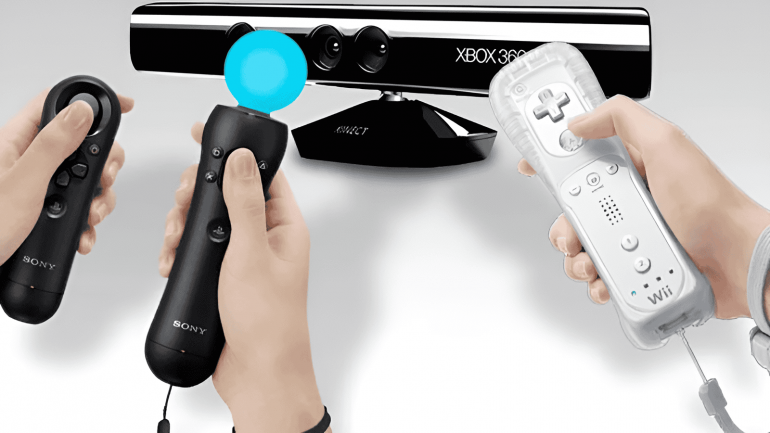
The year also saw some interesting clashes with the competition. In 2010, motion controls were no longer just a feature of the Wii; they became a major battleground for other consoles too. Sony made the PS Move motion control system for its PlayStation 3. Microsoft went even further, releasing the Kinect sensor, which let players control games without a controller at all.
That brought the first decade of the new millennium in Nintendo's history to a close. The second half of the 2000s had been a commercial success for the company. The handheld DS and innovative Wii had attracted a new audience to Nintendo, and motion controls had become their calling card. The Big N entered the next stage of its history in a strong position, but could it surprise players again? That's a story for next time.
Enjoyed this article? Found it helpful? Support GameSpirit.org and help us create more great content.
Author: Godlike_Goblin for GameSpirit.org


