
The History of Nintendo, Part 8

Title: | The History of Nintendo |
Developer: | Nintendo |
Publisher: | Nintendo |
Release: | 11.01.2030 |
In the new millennium, the Big N continued losing ground, surrendering the lead to Sony. There was some good news, though. Early in 2001, longtime rival Sega announced it was leaving the console market to focus entirely on making games. It was too early to celebrate, however. By the end of the year, Microsoft had rushed into the vacant spot with its brand-new Xbox.
And what about Nintendo itself? The company certainly had big plans. It had announced its new home and handheld consoles back in the late ’90s, and their releases were now approaching. The handheld Game Boy Advance was first to go on sale, launching in March 2001. It was a success. The GBA had good performance, decent battery life, and a large screen, albeit without a backlight, like the original Game Boy. The new handheld was also backward compatible with games for both the original GB and the Game Boy Color, making it even more desirable. The price was steep, though.
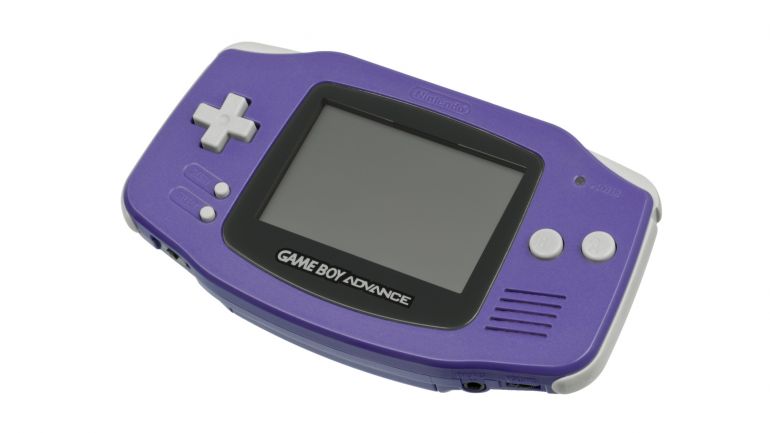
A fairly extensive launch lineup also helped sales. Japan got 25 games, while America and Europe received fewer, with 17 and 15 respectively. Depending on the region, players could enjoy Castlevania: Circle of the Moon, Earthworm Jim, Top Gear GT Championship, Tony Hawk's Pro Skater 2, Super Mario Advance, Rayman Advance, Super Dodge Ball Advance from the Kunio-kun series, and other titles. By the end of 2001, though, the new handheld’s library had already passed 100 games.
Things went less smoothly for the full-sized console, released in September 2001. Like the Nintendo 64, the GameCube was hard to call a success. The Big N made the same mistake again when choosing its storage medium. This time it used optical discs rather than cartridges, but instead of the DVD format its competitors used, it chose a proprietary standard based on mini-DVD. The console couldn’t play regular DVDs.
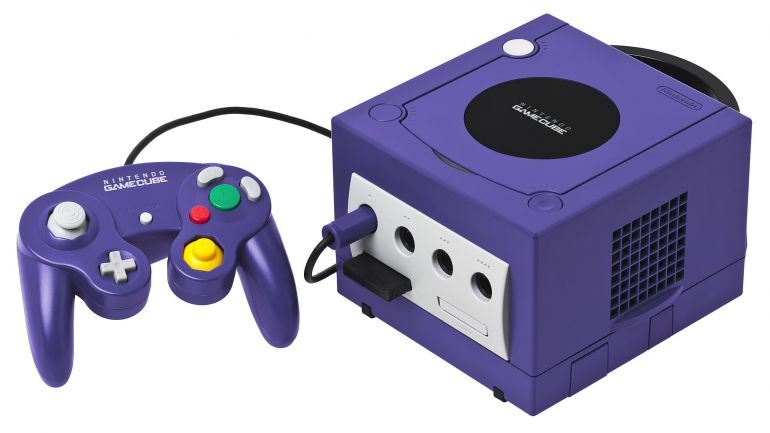
The company was also a little late sending development kits to third parties, leaving it with a very weak launch lineup. In Japan, for example, there were only three games to play. Amusingly, one of them, Super Monkey Ball, was made by Sega. By the end of the console’s life, the GameCube library was still relatively small, barely passing 600 titles. For comparison, the prematurely discontinued Dreamcast had roughly as many, while the Sony PS2 had more than 4,000!
Nevertheless, the console sometimes managed to compete quite well thanks to its low price and fairly successful exclusives, such as Super Smash Bros. Melee, Super Mario Sunshine, Metroid Prime, and The Legend of Zelda: The Wind Waker. There was a problem here too, though. Both the games and the GameCube’s design were often accused of being overly childish, as though the Big N still couldn’t grasp that the children who had been playing its consoles since the ’80s had long since grown up.
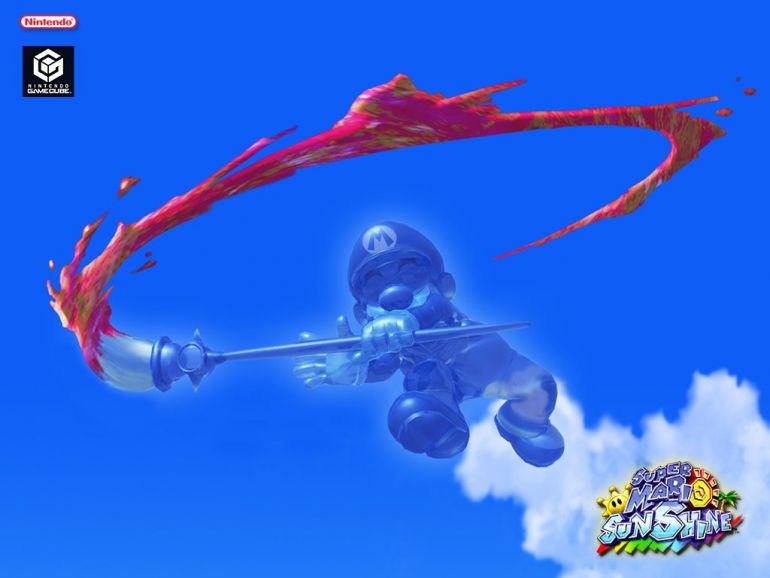
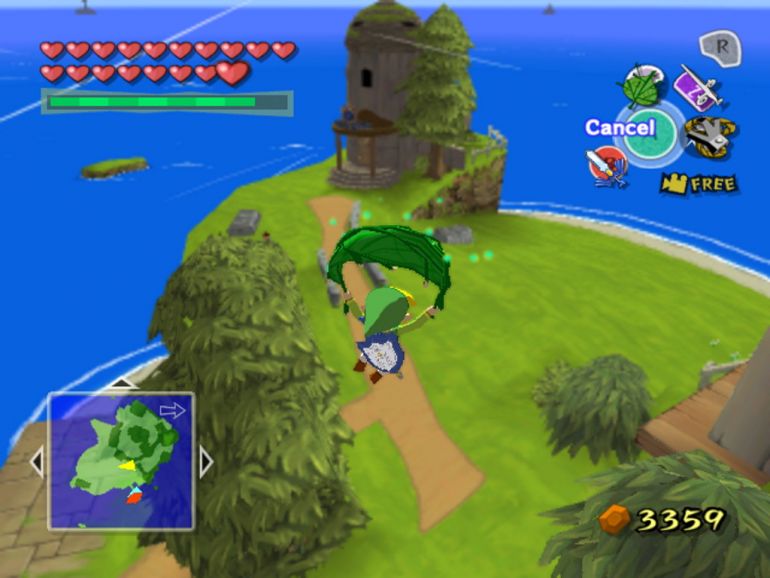
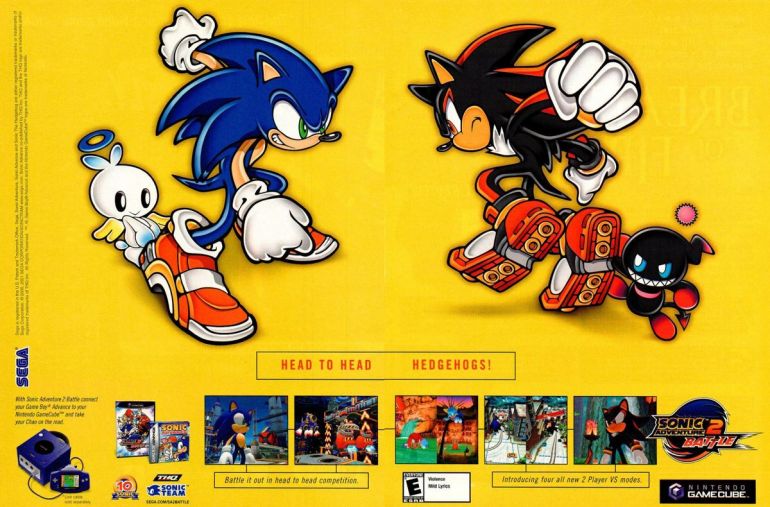
Another 18 games arrived for the GameCube by the end of 2001. A substantial portion were sports games like NHL, FIFA, and NFL. Nintendo itself delivered Pikmin and Animal Crossing from EAD, and Super Smash Bros. Melee from HAL Laboratory. Third-party developers contributed Crazy Taxi, Star Wars Rogue Squadron II: Rogue Leader, Tony Hawk's Pro Skater 3, and even Sonic Adventure 2.
2001 also brought the last games for the original Game Boy. There were just two, both belonging to the Shikakui Atama o Maruku Suru quiz series. The color handheld, GB Color, received more than 100 titles. Nintendo itself only chipped in a couple, and even then as publisher rather than developer. Those were two new The Legend of Zelda games, Oracle of Ages and Oracle of Seasons, incidentally the first games in the series made outside Nintendo.
The Nintendo 64 wasn’t forgotten that year either. It didn’t get many games, but they included Conker's Bad Fur Day from Rare, Dr. Mario 64 from Nintendo, and Animal Crossing from EAD. This was essentially the console’s final year, apart from its sole 2002 release, Tony Hawk's Pro Skater 3.
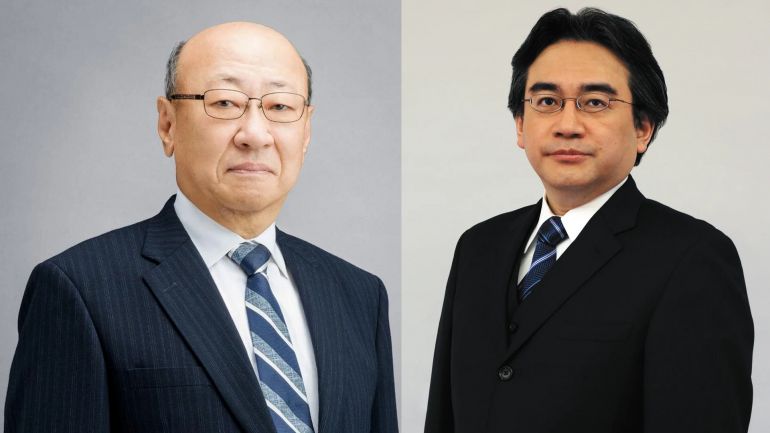
2002 brought major changes to Nintendo’s upper management. On January 8, Minoru Arakawa stepped down as president of the American division, Nintendo of America. He was replaced by Tatsumi Kimishima, who had previously served first as chief financial officer and then president of The Pokémon Company. Hiroshi Yamauchi also left in May that year, with Satoru Iwata taking his place. His leadership began at a fairly uncertain time. The company was still profitable, of course, but its home console sales were trailing even the new Xbox. The Big N was getting by almost entirely on its handhelds.
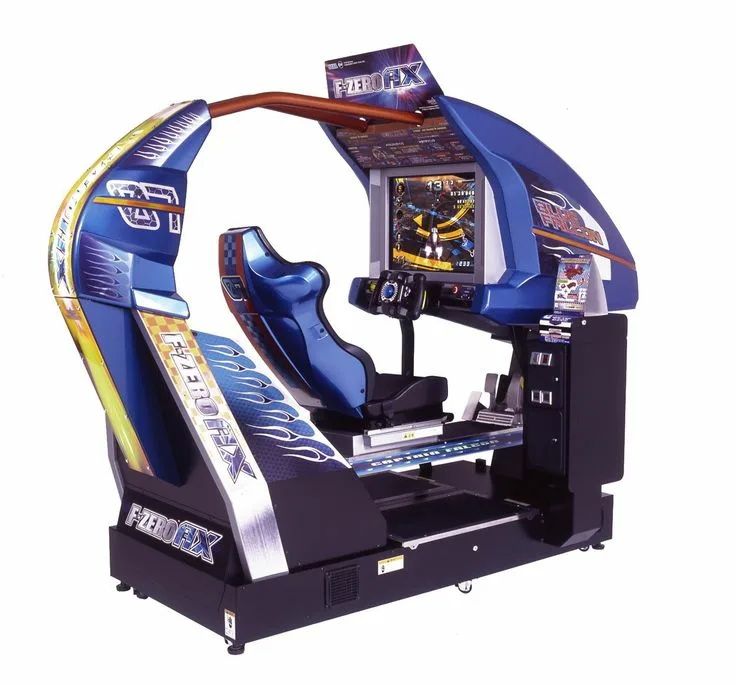
There was new hardware in 2002 as well, although no major launches. Together with Namco and Sega, Nintendo took part in developing the Triforce line of arcade machines. For the most part, though, it didn’t do much beyond granting permission to use the GameCube architecture. Namco and Sega would then build the arcade machines and port their games to the GameCube.
Around 20 games were released under the project, including Mario Kart Arcade GP, the soccer game Virtua Striker 4, and the tabletop card game Avalon no Kagi, or The Key of Avalon. Some games, such as the racer F-Zero AX, let you use a GameCube memory card to transfer content between the arcade machine and the home version, F-Zero GX. You could select your own vehicles and even unlock unique parts unavailable any other way.
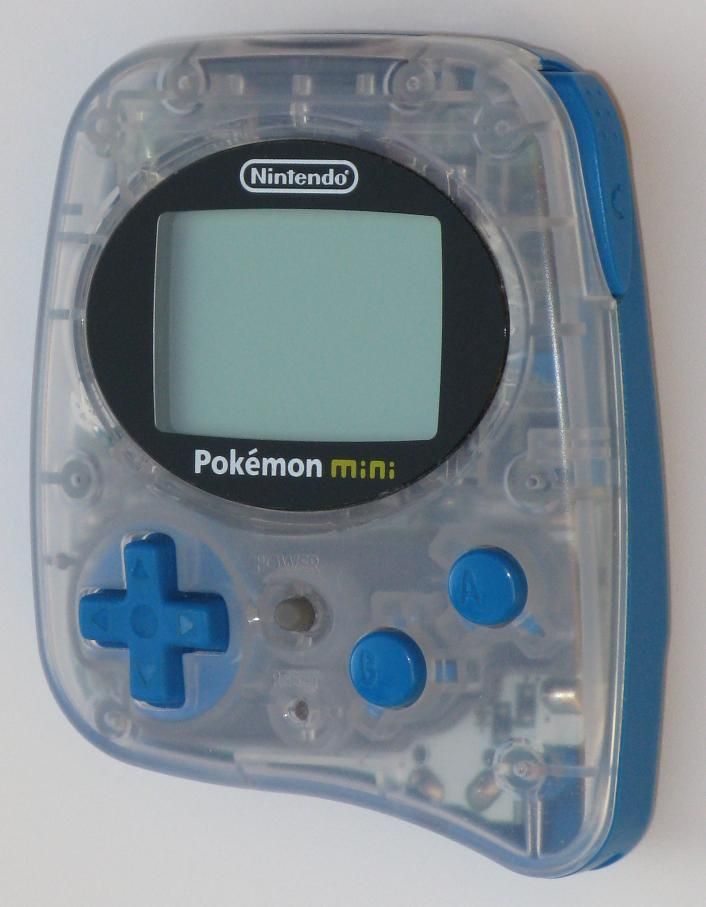
The Big N also distinguished itself with another handheld. The Pokémon mini, Nintendo’s smallest game console, arrived by the end of 2002. As the name suggests, it supported only Pokémon games, of which exactly ten were released. In performance, it beat little beyond the Game & Watch line. It never became particularly popular, and production simply wasn’t continued in 2003.
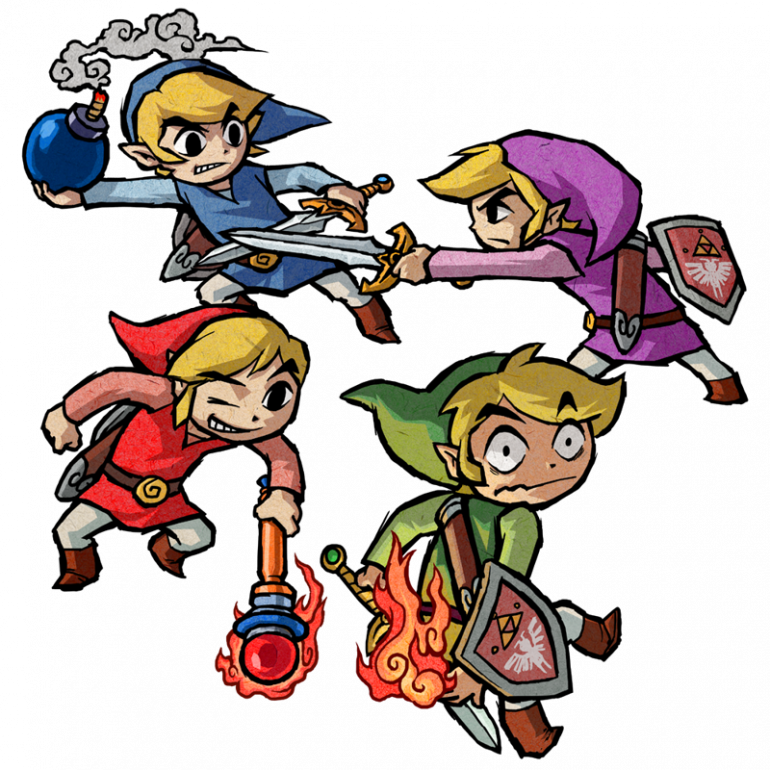
2002 saw a sharp drop in Game Boy Color releases, with just over 30 games this time. Understandably so, as all efforts had shifted to the new Game Boy Advance. Its library grew by more than 300 titles, ranging from assorted junk to decent ports, including Desert Strike Advance, Doom II, Duke Nukem Advance, Earthworm Jim 2, a couple of Mortal Kombat games, one Tomb Raider, and more. Internal studios released Metroid Fusion and The Legend of Zelda: A Link to the Past and Four Swords. At the end of 2002, Game Freak delivered the paired Pokémon Ruby and Pokémon Sapphire.
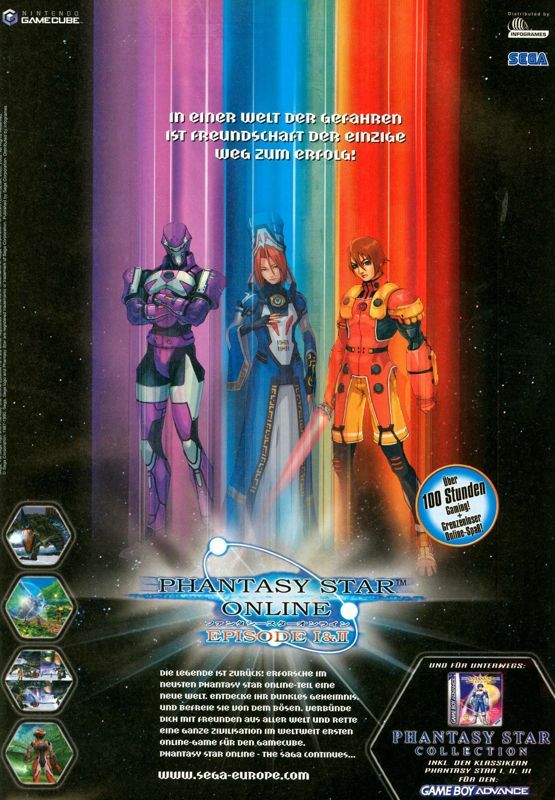
The home platform, GameCube, received almost 200 releases. EAD supplied Super Mario Sunshine, The Legend of Zelda: The Wind Waker, and a rerelease of The Legend of Zelda: Ocarina of Time known in the West as Master Quest. Closely affiliated studios delivered Star Fox Adventures from Rare, Metroid Prime from Retro Studios, and Mario Party 4 from Hudson Soft. Other releases included Lost Kingdoms from FromSoftware, Eternal Darkness: Sanity's Requiem from Silicon Knights, Turok: Evolution from Acclaim, Resident Evil Zero from Capcom, and Star Wars: Bounty Hunter from LucasArts. Nintendo also broke into online gaming thanks to Sega and its Phantasy Star Online Episode I & II.
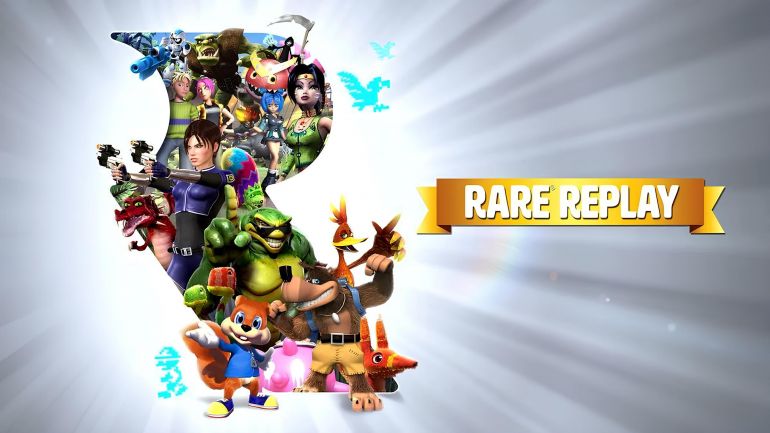
Another turning point in Nintendo’s history in 2002 was the loss of Rare, which had consistently delivered excellent games for the company’s hardware. Rare needed money, but for some reason the Big N was being stingy. In the end, its direct competitor Microsoft bought the developer for $375 million. Along with the studio, Microsoft acquired the Conker and Banjo-Kazooie franchises, while Donkey Kong Racing, which was supposed to come out on GameCube, was canceled.
In 2002, the Big N also managed to land one of the largest fines from the European antitrust commission for attempting to manipulate Europe’s video game market. The company and several distributors were found to have colluded and artificially inflated prices in certain European countries. Prices in Germany and the Netherlands were 65% higher than in the United Kingdom. In total, around €120 million was squeezed out of Nintendo, and only in 2008, although the original fine had been €149 million.
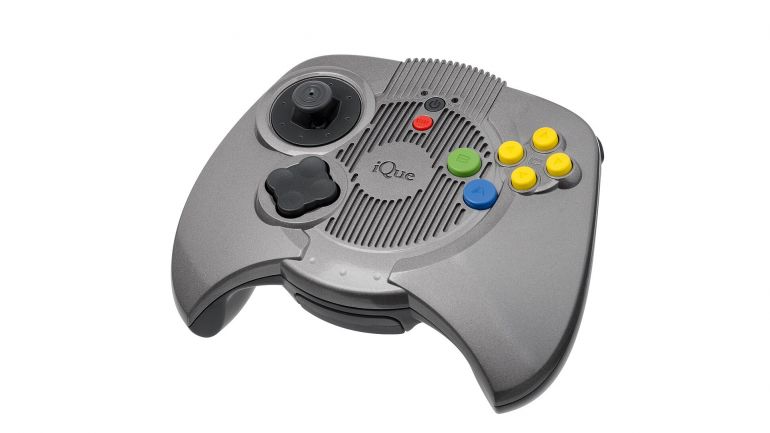
That same year, Nintendo became interested in the Chinese gaming market, where piracy was flourishing. The lost revenue troubled the Japanese company, and in 2002 it joined Wei Yen* to found the Chinese-Japanese company iQue, which would localize and adapt its consoles and games for the local market. The handheld iQue Player launched the following year, 2003, letting Chinese players experience 14 games previously released for the Nintendo 64. Every game was fully translated into Chinese. The lineup included The Legend of Zelda: Ocarina of Time, Star Fox 64, Animal Crossing, and more.
*Wei Yen previously served as senior vice president at Silicon Graphics (SGI), where he worked with the Big N on the Nintendo 64. He left in the late ’90s and founded ArtX, which went on to develop the GameCube’s graphics chip.
In addition to conventional sales, iQue games had a distribution system similar to the Disk System for Famicom and Nintendo Power for Super Famicom. Stations equipped with special hardware were scattered across the country, letting users write and overwrite games on special flash cartridges.
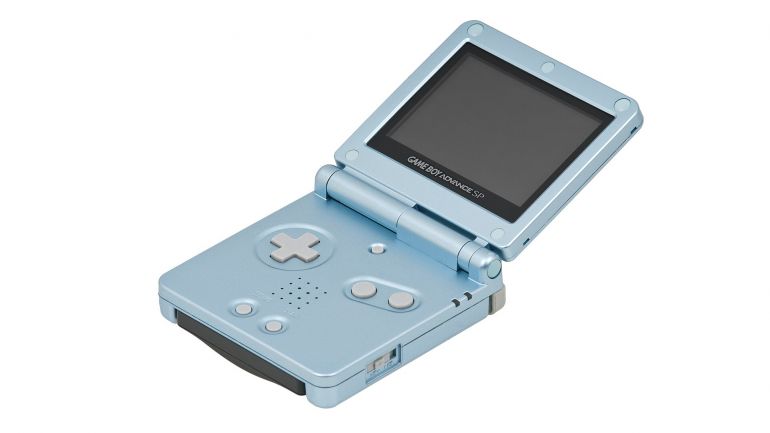
Nintendo’s appetite for new handheld hardware continued in 2003. Thanks to Satoru Okada’s efforts, his team brought an updated version of the GBA to release, the Special, or Game Boy Advance SP. It differed from the original in having a more compact clamshell design, a lit screen, and a built-in rechargeable battery. Disposable batteries were no longer needed.
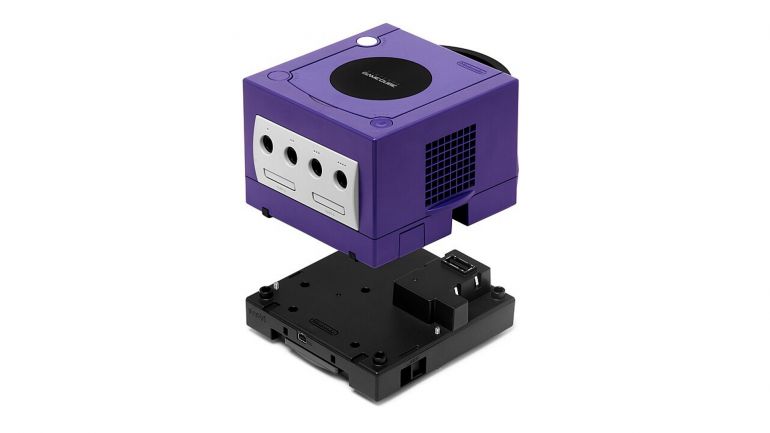
The “big” home GameCube, meanwhile, received a very interesting accessory called the Game Boy Player. It let the console run games for the Game Boy, Game Boy Color, and even the Game Boy Advance. You could also connect a GBA or GBA SP to the console with a special cable and use the handheld to control those games.
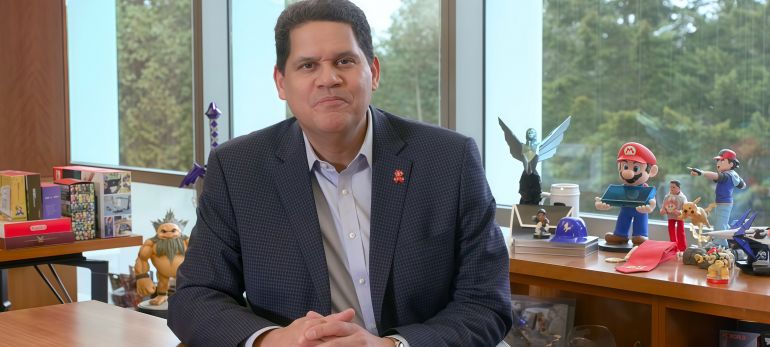
The only significant appointment in 2003 came at the American division, Nintendo of America. Reginald Fils-Aimé joined as vice president of sales and marketing, or simply Reggie, as fans would call him after the company’s E3 2004 presentation.
The final three Game Boy Color games arrived in 2003, Bomberman Selection, Kanji Boy 3, and Doraemon no Study Boy: Kanji Yomikaki Master. Game Boy Advance releases also declined noticeably, barely passing 200 titles. Nintendo itself contributed WarioWare, Inc.: Mega Microgames! from R&D1. There was alsoSuper Mario Advance 4: Super Mario Bros. 3(how they keep their own names straight is a mystery). EvenRare released Donkey Kong Country.
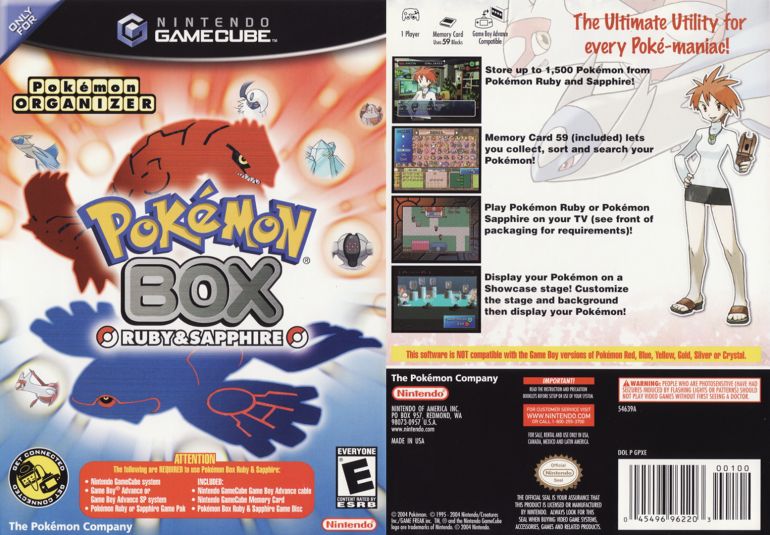
The “big” GameCube got roughly as many games as the handhelds. Most, of course, were multiplatform titles. Nintendo’s internal studios released Nintendo Puzzle Collection and 1080° Avalanche from NST; Pokémon Box: Ruby and Sapphire from EAD and Game Freak; Dōbutsu no Mori e+, The Legend of Zelda: Collector's Edition, and Mario Kart: Double Dash!! from EAD; and WarioWare, Inc.: Mega Party Games! from R&D1.
The following year, 2004, brought a major restructuring led by Satoru Iwata. A fourth department joined EAD, IRD, and RED, called Nintendo Software Planning & Development, or SPD. This new division was formed by merging the company’s oldest departments, R&D1 and R&D2. As part of the same reshuffle, some staff from both teams moved to EAD, which was itself reorganized into a larger division. The company kept this structure for a little over ten years.
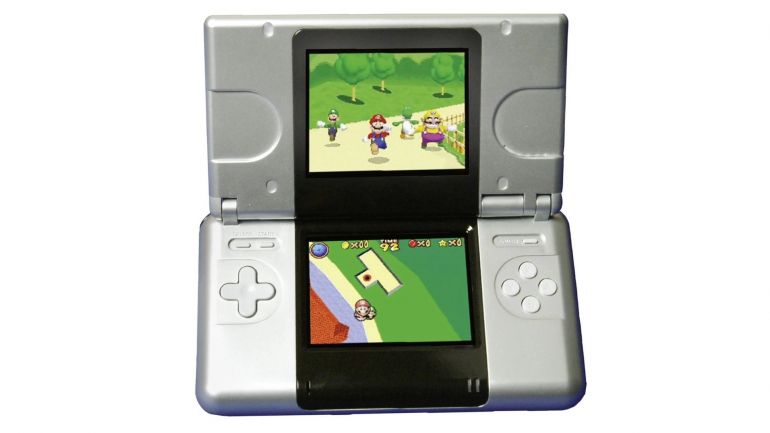
2004 actually began with the announcement of a new handheld, the Nintendo DS. It was positioned as a new experimental device rather than a successor to the Game Boy Advance. Details were initially scarce, but a working prototype with two screens, one of them a touchscreen, was later shown at E3. The company made sure to mention that the console’s design would change.
The first official word on the Big N’s new full-fledged console, intended to replace the GameCube, also came at E3 2004. For now, it went by Revolution, a name reflecting Nintendo’s willingness to experiment. The company planned to use its new device to spark a revolution comparable to the launch of the Famicom. Few details were shared, as most of the presentation was devoted to the NDS.
The new Nintendo DS handheld launched in November 2004 for $150. Less than a month later, Sony joined the handheld race with its PSP. The DS arrived with a launch lineup of 22 games, with selections varying by region. Nintendo itself released Daigasso! Band Brothers, Metroid Prime Hunters: First Hunt, Pokémon Dash, Polarium, Super Mario 64 DS, and WarioWare: Touched!. It was a success. Japan alone placed three million preorders, which naturally couldn’t all be filled. Looking at worldwide sales, though, 2.8 million systems had been sold by the end of 2004.
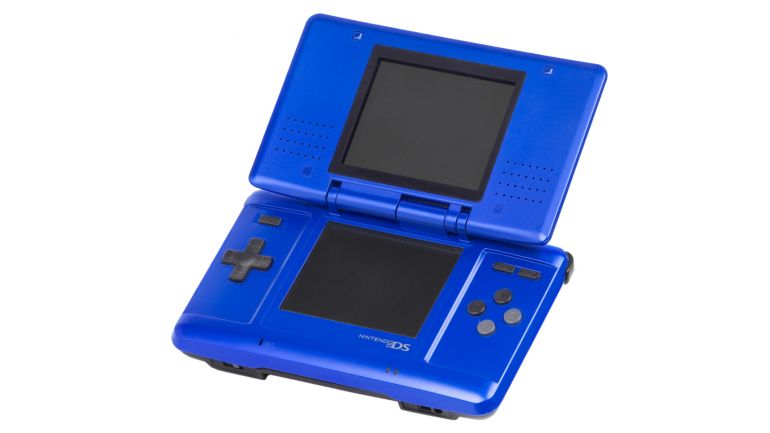
The NDS received no more releases beyond its launch lineup in 2004. The Game Boy Advance, however, got quite a few. Game Freak delivered the customary pair of new Pokémon games, FireRed and LeafGreen. The Ruby and Sapphire pair from two years earlier was joined by Pokémon Emerald, the series’ last game on this generation of consoles. Rare’s Donkey Kong Country got a sequel. The Metroid series received a handheld remake of its first game, Metroid: Zero Mission. Capcom contributed a new The Legend of Zelda, The Minish Cap. And almost all the classic Famicom and NES games were rereleased in compilations.
The GameCube added 101 games to its library in 2004. Once again, most were multiplatform releases. EAD delivered three games, The Legend of Zelda: Four Swords Adventures, Donkey Kong Jungle Beat, and Pikmin. Closely affiliated studios released Metroid Prime 2: Echoes from Retro Studios, Donkey Konga 2 from Namco, Mario Party 6 from Hudson Soft, and Paper Mario: The Thousand-Year Door from Intelligent Systems.
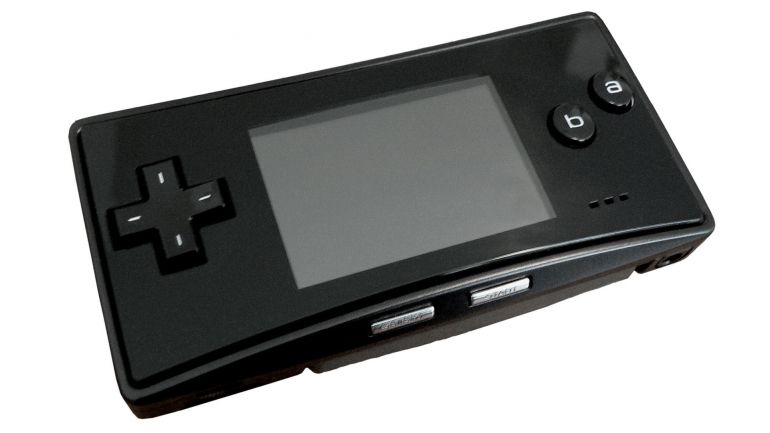
2005 brought no particularly major hardware launches. The year’s only new console was the Game Boy Micro, a miniature GBA. It was the last model in the Game Boy line. Unlike the larger handheld, it didn’t support GB or GBC games. It did have a backlit screen and interchangeable faceplates, though. Speaking of backlighting, 2005 also saw the AGS-101 version of the Game Boy Advance SP, whose only difference from the standard model was an improved screen lighting system.
In May 2005, the American division, Nintendo of America, opened its first Nintendo World retail store in New York. The two-story building carried not only current consoles like the GameCube, Game Boy Advance, and Nintendo DS, but older systems too. There was even space for the old hanafuda playing cards the company was still producing.
That same year’s E3 saw the full announcement of the new Nintendo Revolution console. The hardware was finally shown, presented by Satoru Iwata himself. Its design aimed for minimalism. There was no word about the controllers, however. Their prototypes weren’t shown until September at the Tokyo Game Show, where they showed off motion detection. Online gaming and backward compatibility with the GameCube were also promised.
The Game Boy Advance once again received a substantial number of games, passing 200 releases. As usual, Rare supplied another Donkey Kong Country, the third this time. It also released Banjo-Pilot from the Banjo-Kazooie series, but the publisher was now THQ, rather than Nintendo as before. Game Freak unexpectedly released the platformer Drill Dozer instead of Pokémon. Mario Party got a handheld outing in Mario Party Advance. Many other Nintendo series received new games too.
Just under 150 games were released for Nintendo DS in 2005. These included Animal Crossing: Wild World, Mario Kart DS, Big Brain Academy, and several Nintendogs games from EAD; several Brain Age titles from Nintendo SDD; and a few compilations of older company games. Naturally, third-party developers also delivered a number of games using Big N licenses.
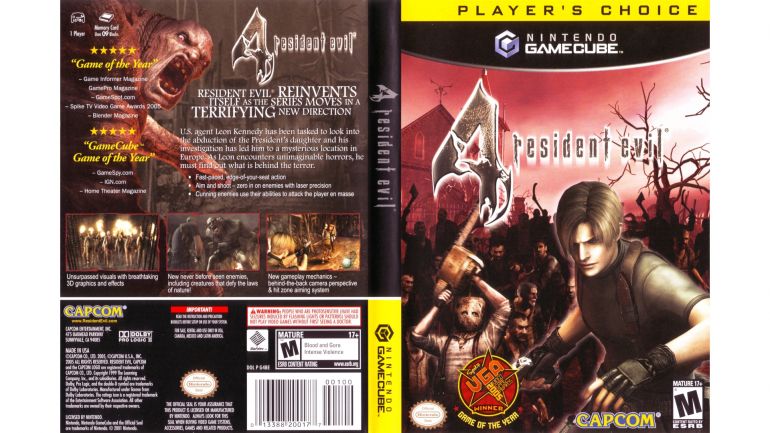
The full-sized GameCube added roughly 100 games to its library. The year’s biggest hit was, of course, Capcom’s Resident Evil 4, a timed GameCube exclusive. The Big N’s internal departments didn’t develop a single game independently in 2005. Only SPD contributed development support to Fire Emblem: Path of Radiance and Mario Superstar Baseball. The following year would be the last in which the console received a substantial number of releases.
What can we say about Nintendo’s transition into the new millennium? The 2000s got off to a troubled start. Sony had no intention of giving up its position and was actually strengthening it with the hugely successful PlayStation 2. Microsoft stormed into the console industry atop an enormous pile of dollars. Even Sega abandoning consoles and making games, including for Nintendo, brought little cheer. Two full-sized consoles in a row, the Nintendo 64 and GameCube, had failed. In practice, the company was getting by on handhelds alone. Here, Nintendo remained king, as it had been since the Game & Watch days.
Enjoyed this article? Found it helpful? Support GameSpirit.org and help us create more great content.
Author: Godlike_Goblin for GameSpirit.org


