
The History of Nintendo. Part 7

Title: | The History of Nintendo |
Developer: | Nintendo |
Publisher: | Nintendo |
Release: | 11.01.2030 |
The first half of the ’90s went brilliantly for Nintendo. It dominated the global gaming market, losing the console war to Sega and its Mega Drive/Genesis in only a couple of regions. By 1995, though, the Big N’s position had taken a serious hit. First, Sega released its next-generation Saturn in November. Then a new contender entered the arena: Sony and its PlayStation. Both consoles used CDs, which held more data and were easier to manufacture than cartridges.
The Saturn had the more successful launch simply because it was Sega. Sony, at that point, was an unknown upstart. Sega’s new console also had an ace in Sega’s sleeve: Virtua Fighter, an almost exact reproduction of the arcade version. By the end of 1994, Saturn sales had reached half a million, against three hundred thousand PlayStations. In 1995, both companies decided to storm North America, opening with a bang through announcements at the very first E3 . Incidentally, this was the show where Sony earned a standing ovation simply by naming its console’s price.
Electronic Entertainment Expo
In response, Sega moved the Saturn launch from fall to May, effectively shooting itself in the foot. Many American retailers, presented with a done deal, refused to stock Sega’s new consoles. The Saturn also cost more, and its complicated architecture made game development difficult enough that few third-party developers dared attempt it. In just its first two days on sale, the PlayStation surpassed the Saturn’s five-month sales total! It was a complete disaster for Sega.
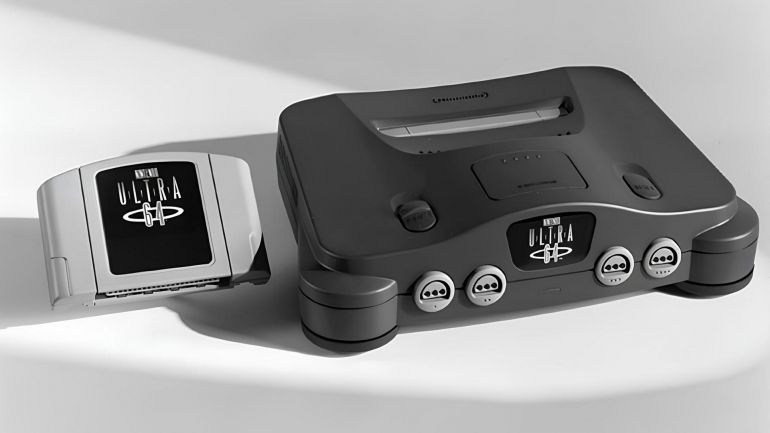
What about Nintendo? It was hardly sitting idle. It first discussed its fifth-generation console in 1993, giving the upcoming venture the straightforward name Project Reality. It worked closely with SGI , which supplied the N64 with its VR4300* CPU and Reality Coprocessor graphics chip. Another Big N partner was Rambus, which implemented a unified RDRAM memory architecture for the future console. At the 1994 CES in Las Vegas, Nintendo revealed the hardware’s design and announced the name Ultra 64.
Silicon Graphics, Inc
Consumer Electronics Show
*The VR4300 is a licensed version of the R4300i processor developed by NEC. The MIPS R4300i processors themselves were created by MIPS Technologies, an SGI subsidiary.
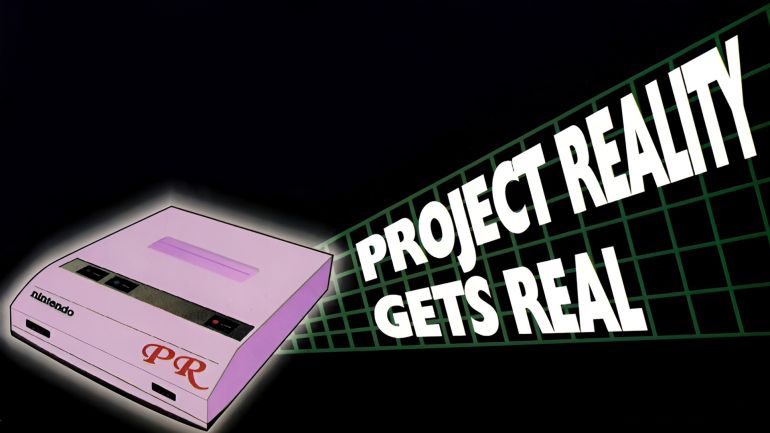
In April 1995, the Big N announced major partnerships with developers working on games for its fifth-generation console. These included Acclaim, Angel Studios, DMA Design, GameTek, Midway, Paradigm, Rare, Sierra On-Line, Virgin Interactive, and others. Amusingly, various difficulties and Nintendo’s narrow-mindedness meant that some never released even one game for the console. By May that year, incidentally, it was clear that the original plan to launch in time for Christmas 1995 was unrealistic, and the release slipped by almost a year.
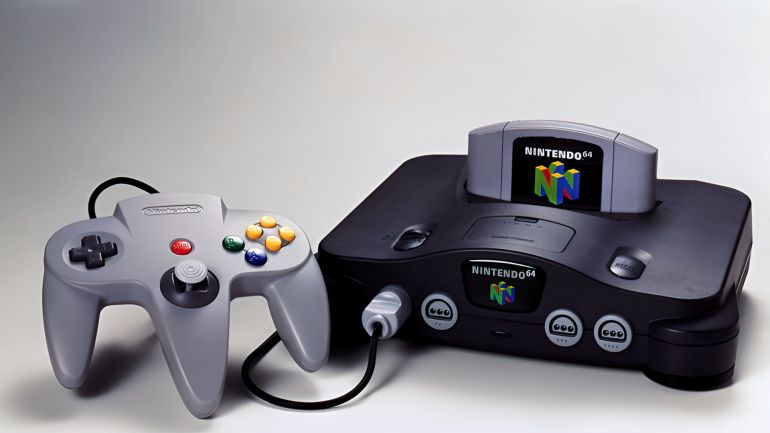
Toward the end of 1995, the flashy Ultra 64 name gave way to the concise Nintendo 64. The updated console appeared at November’s Shoshinkai 95 show in Chiba. This was the final announcement, followed by coverage in Japanese gaming magazines. Release was still planned for April 1996.
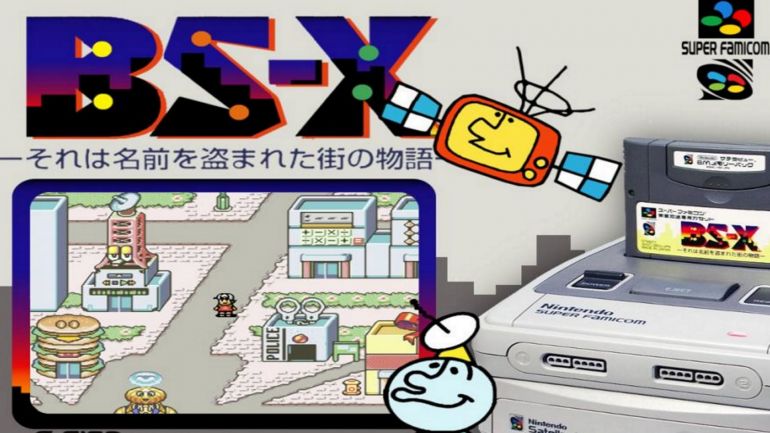
While working on its new console, the Big N also developed various innovative gadgets. Japan alone received Satellaview, a full-fledged modem designed for satellite broadcasts. Owners could connect to a network, download entirely new games available for limited periods, receive digital gaming magazines, participate in voice communication , and read Nintendo news. It was a true forerunner of modern online services and digital distribution, decades ahead of its time. The project was relatively niche and expensive. After a couple of years, its user count had only just surpassed 100,000. Nintendo stopped supporting it in March 1999. Broadcasting ended entirely in 2000, and satellite service provider St.GIGA declared bankruptcy in 2001.
BS Zelda, for example
the SoundLink system
Another innovative Nintendo product released in 1995 was a new gaming device, the Virtual Boy. This portable 32-bit console could display stereoscopic 3D graphics. Gunpei Yokoi led development. Here, ambition collided with harsh reality yet again. To cut costs, Nintendo used red LEDs against a black background, resulting in a monochrome image. Its ergonomics were awkward too. You had to put the console on a table and press your face against it.
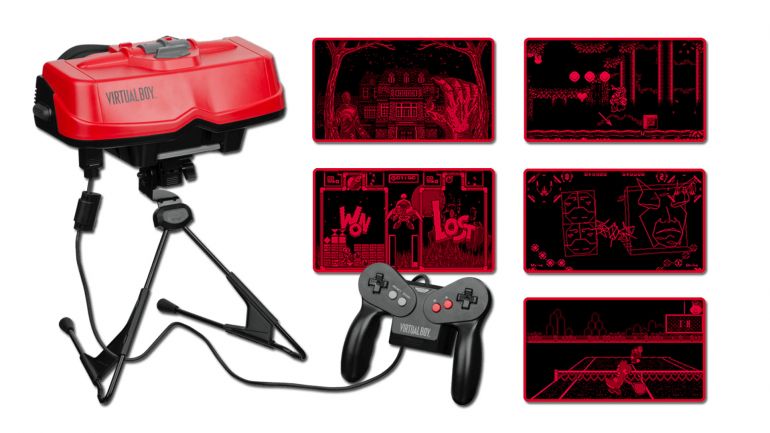
The Virtual Boy became one of Nintendo’s biggest failures. Production ended less than a year after launch. The main problems were players reporting rapid fatigue, headaches, sore eyes, nausea, even seizures, and the other joys of early virtual reality devices. An extremely thin game library was an equally serious issue. The Virtual Boy lasted less than six months in Japan and was pulled from sale in December 1995. In America, it lasted almost a year, from August 1995 to August 1996. After the Virtual Boy failed, Yokoi left Nintendo after 31 years. His departure was reportedly prompted by dissatisfaction with Yamauchi’s decision to release the Virtual Boy in its existing state, which Yokoi considered unfinished.
While the Big N experimented and prepared its answer to the Sega Saturn and Sony PlayStation combined, it also continued developing its older products. March 1995 brought the first Game Boy refresh, called Play It Loud! Only the casing changed: new colors appeared, and the display bezel became black . Every region received black, green, red, yellow, and transparent models. Japan and the UK got an extremely rare white version. Europe received a blue Game Boy, while British buyers also got a red version bearing the Manchester United soccer club logo.
on every model except the black one
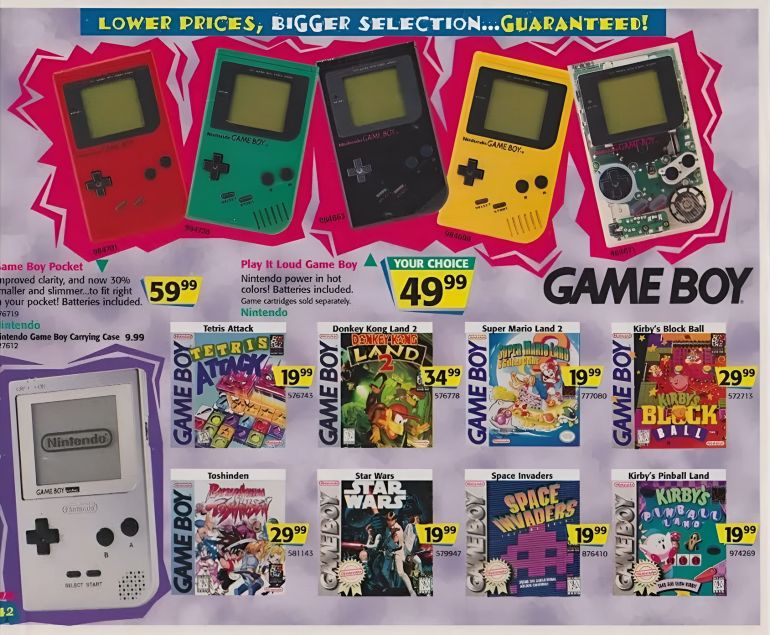
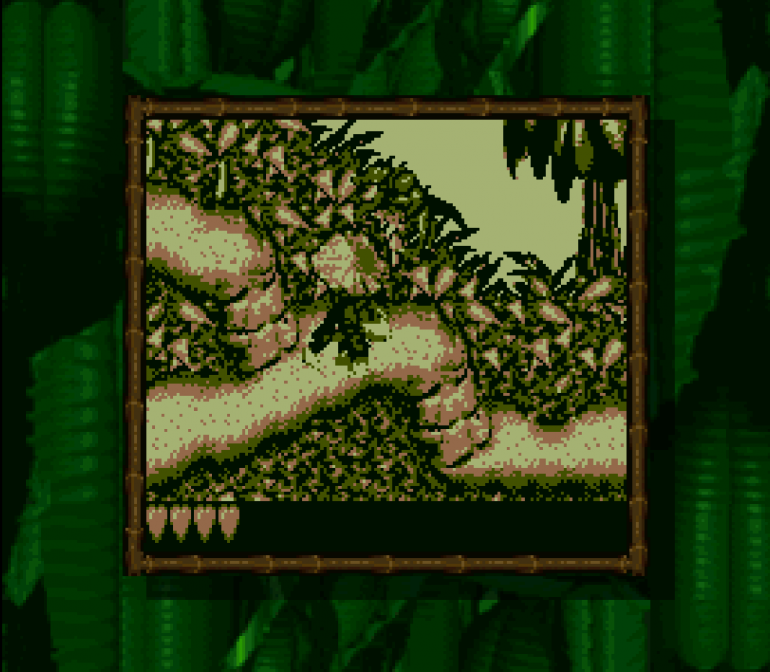
As for Game Boy games, Nintendo cut releases even further. Around 60 games came out in Japan, including Pac-In-Time from Namco, Mario’s Picross from Nintendo itself, Kirby’s Dream Land 2 from HAL Laboratory, and Donkey Kong Land from Rare. Just over 30 more were released only in America and Europe, including Desert Strike: Return to the Gulf, True Lies, The Lion King, Earthworm Jim, Aladdin, and Mortal Kombat 3. European exclusives included Asterix & Obelix, The Smurfs 2, Worms, Waterworld, and others, eight in total.
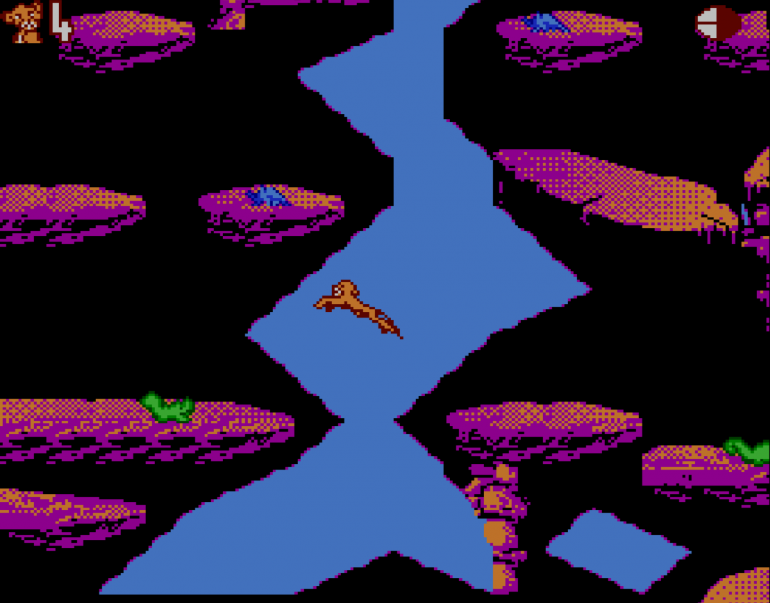
TheNES received its final games in 1995: just two, both released in Europe. First came Wario’s World, a year after its Japanese and American releases. The other was the PAL-exclusive The Lion King, a port of the 16-bit game. These were the final official games for Nintendo’s 8-bit consoles, but the generation’s story continued. Taiwanese and Chinese pirates kept releasing unofficial games, mostly rather mediocre efforts based on famous franchises. From the 2000s onward, enthusiasts joined in and continue releasing entirely new games to this day.
The SNES library, however, kept growing. Nintendo’s 16-bit console received a record number of games in 1995: more than four hundred! That year brought Japanese releases of masterpieces in the system’s strong suit, JRPGs: Dragon Quest VI, Chrono Trigger, Romancing SaGa 3, Seiken Densetsu 3 , and Tales of Phantasia. Most did not leave Japan at the time. America answered with exclusives including Might and Magic III, Metal Warriors, King Arthur & the Knights of Justice, Super Turrican 2, and Earthworm Jim 2. Europe, as usual, played games from the Asterix & Obelix and Tintin series. Every region could play Yoshi’s Island and Donkey Kong Country 2, which squeezed every ounce of power from the SNES.
Trials of Mana
By early 1996, the successful Game Boy handhelds were running out of steam. The consoles were already a respectable seven years old. The colorful shells introduced with Play It Loud! breathed a little life into the aging hardware. Tokyo’s Game Freak, however, did far more to boost Game Boy sales, releasing Pokémon Red and Pokémon Green in February 1996, followed by Pokémon Blue* in October. These games launched the enormously popular Pokémon franchise and offered a unique mechanic that let players trade monsters using a special Game Link cable.
*Red and Green differed in which Pokémon were available to catch. The later Pokémon Blue was essentially a slightly revised Green, with some Pokémon from Red available. Incidentally, selling different versions with unique Pokémon lineups was Shigeru Miyamoto’s idea.
In March 1996, it became clear that the Nintendo 64 needed another delay. This time, two reasons forced the release window to move. First, developers needed more time to polish the launch lineup. Second, Nintendo could not meet all the initial demand for its new console. June 1996 became the new release date.
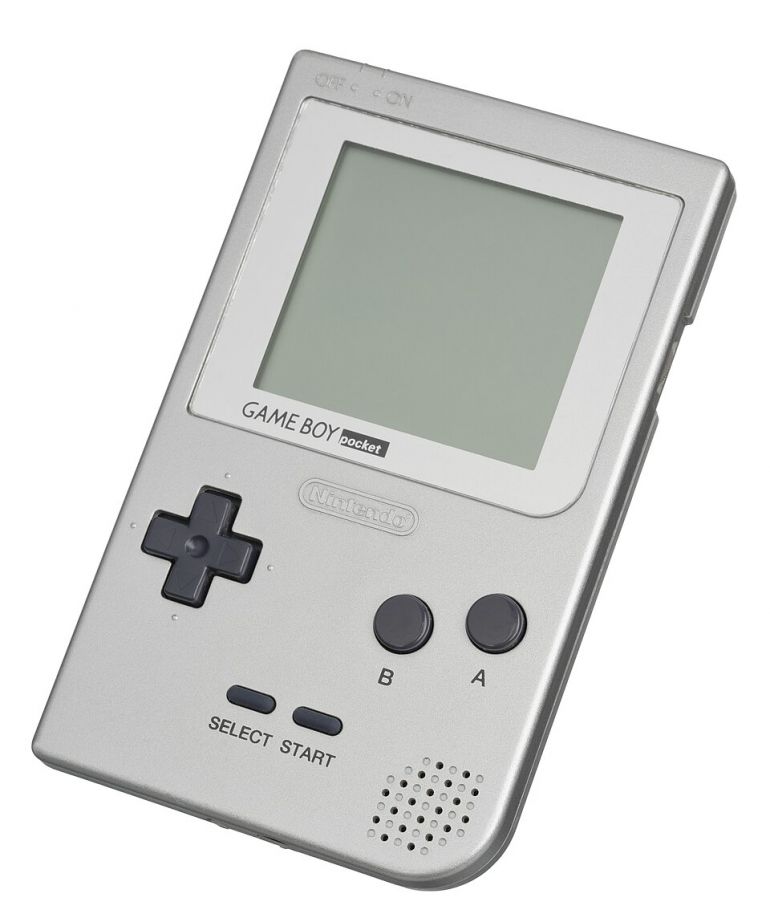
Another successful attempt to revive Game Boy sales was a revised model, the Game Boy Pocket. It was smaller, had an improved screen, and needed just two AAA batteries. Battery life paid the price: 10 hours against the original GB’s 30. Still, the new model cost only $70, and its launch lined up perfectly with the excitement around Pokémon. It was the last device Gunpei Yokoi worked on. A week after release, he left to found Koto Laboratory.
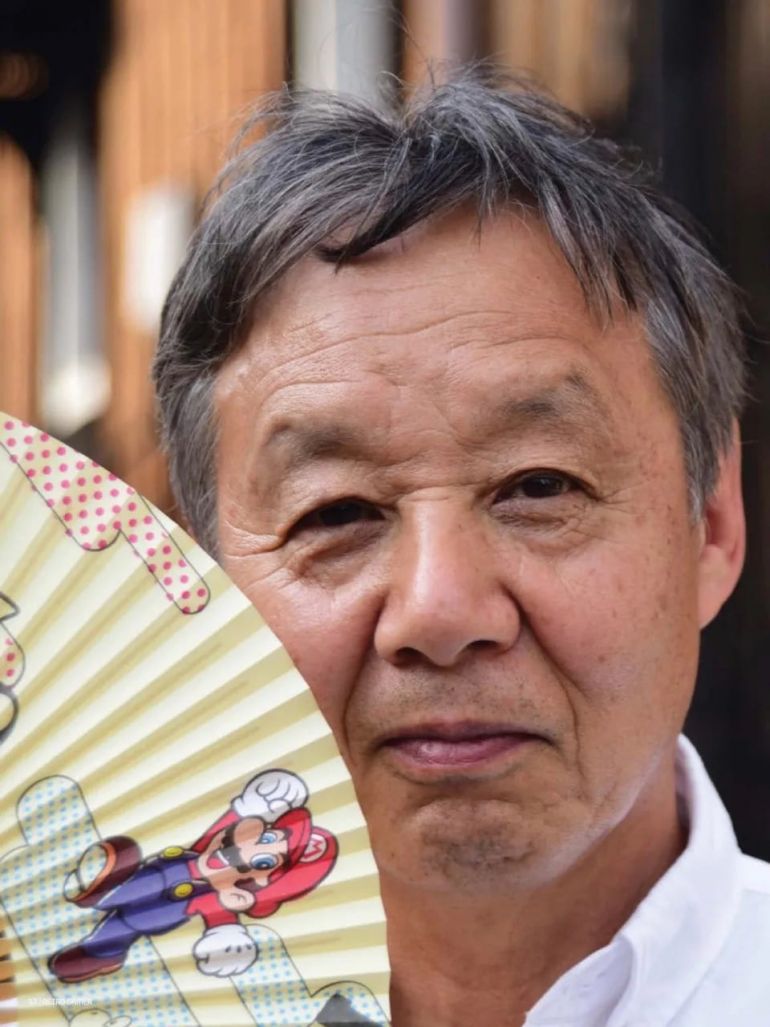
After Yokoi left Nintendo, his former R&D1 department was reorganized. Takehiro Izushi became its new head, retaining the software development team. The following year, it released Game & Watch Gallery, a collection of classic LCD games for the Game Boy. The hardware staff moved into the new Nintendo Research & Engineering Department, or simply RED. Satoru Okada took charge there, and the team was tasked with creating the successor to the Game Boy handheld family.
Despite the Game Boy’s renewed popularity, fewer than 40 games arrived for it in 1996, and relatively few were particularly interesting. Pokémon Red and Green certainly brought in money, though. An updated Tetris, Tetris Plus, also appeared. Donkey Kong Land 2 from Rare deserves mention too. American and European players received a batch of sports games such as NHL 96, NBA 96, and others.
1996 marked Nintendo’s transition from the fourth console generation to the fifth, sharply reducing releases for the aging Super Famicom/SNES. This was especially noticeable in America and Europe, where Nintendo’s 16-bit machine received just six and two releases, respectively. Japan, meanwhile, got a whopping 182 exclusive games, including plenty of top JRPGs: Star Ocean, Bahamut Lagoon, Fire Emblem: Genealogy of the Holy War, and others. Super Mario RPG, Kirby Super Star, and Donkey Kong Country 3 were available in every region.
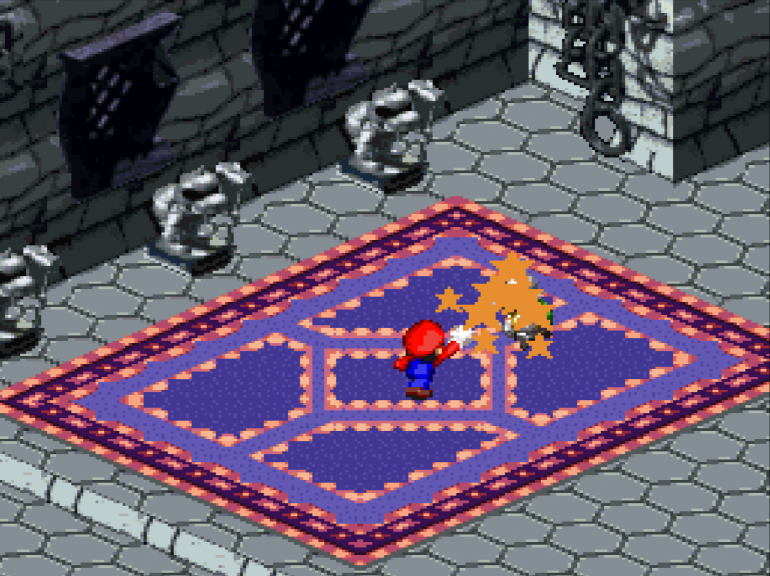
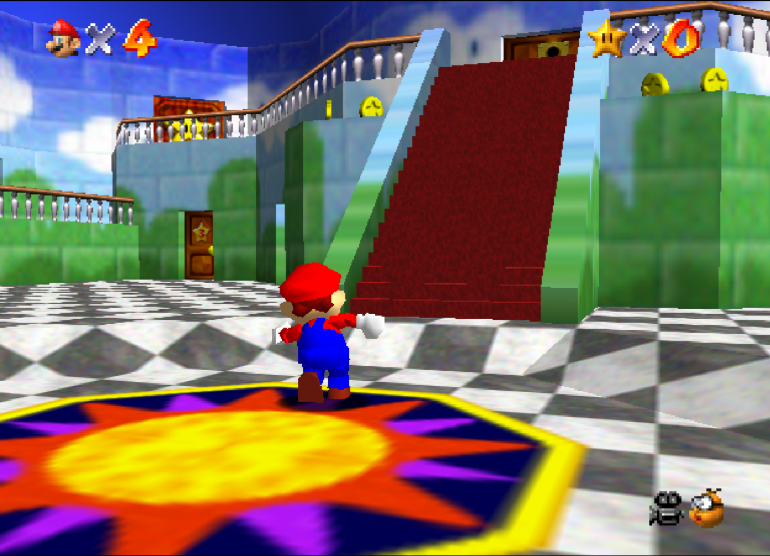
The Nintendo 64 launched that same year without further delays. It arrived in Japan on June 23, 1996. All 300,000 consoles in the initial shipment sold on day one. A second shipment of 200,000 N64s reached stores on June 26 and 30, but most had already been preordered. The launch lineup contained just three games: Super Mario 64, Pilotwings 64, and Saikyo Habu Shogi .
shogi, or Japanese chess
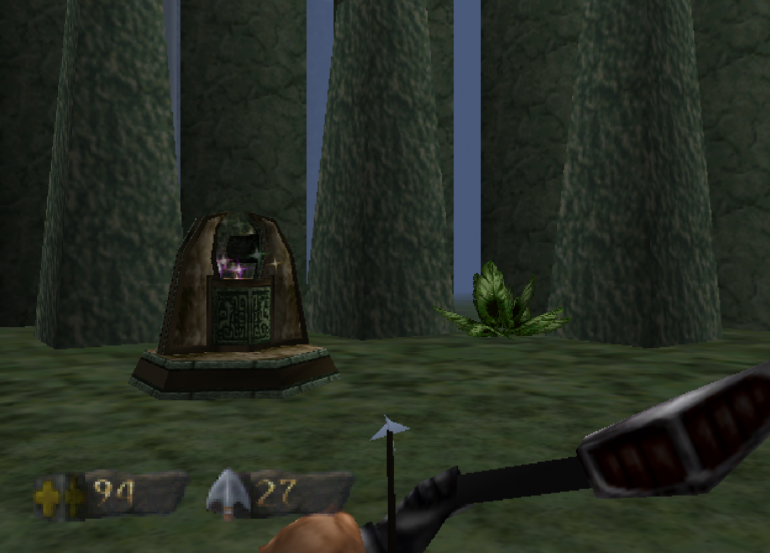
The console reached America in September 1996. Nintendo staggered the regional launches to avoid hardware shortages, and the strategy largely worked. North America’s launch lineup shrank to two games: Super Mario 64 and Pilotwings 64. The Nintendo 64 reached Europe in March 1997 with an expanded lineup. Star Wars: Shadows of the Empire, Turok: Dinosaur Hunter, and Wave Race 64 joined those two games.
Despite Nintendo’s considerable goodwill and the excitement around the Nintendo 64, the console never led the fifth generation, either at launch or later. The original PlayStation ruled the global market. In America, the Nintendo 64 only outsold Sony’s machine briefly during its first year. At home, Nintendo’s new system proved even less popular than the Sega Saturn.
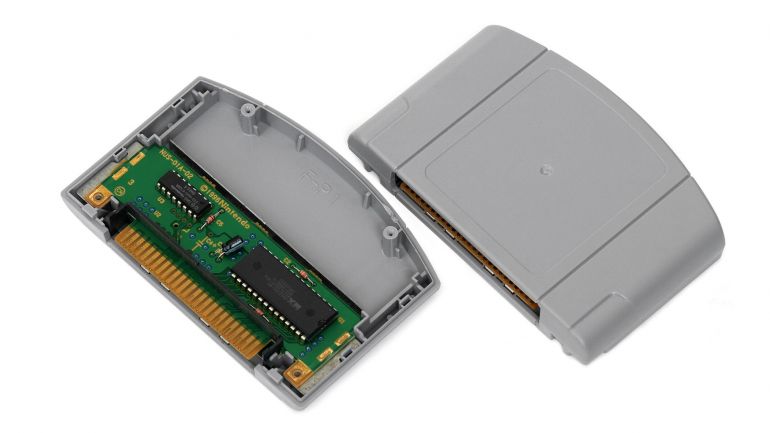
Several unpopular Nintendo decisions caused this. First, the N64 used outdated cartridges, severely limiting developers. Second, Nintendo still tormented developers with its terms, while Sony charged much smaller royalties, imposed no limits on print runs or release counts, and spared developers excessive censorship. Third, the Big N lost the library comparison too: its new console received just under 400 games. Even the NES had twice as many!
By the end of 1996, the new Nintendo 64’s lineup had grown by 12 games. Nintendo’s internal teams—specifically Miyamoto’s EAD—delivered Wave Race 64 and Mario Kart 64. Rare released an enhanced version of Killer Instinct called Gold. LucasArts delivered Star Wars: Shadows of the Empire, while Konami managed only mahjong with Mahjong Master and soccer with International Superstar Soccer 64.
1997 brought relatively few events involving Nintendo. Perhaps the main one was the European Economic Community ’s decision to pressure Nintendo into easing its draconian developer agreements. The complaints primarily concerned limits on how many games companies could release for Nintendo systems each year. European officials also believed the Big N could not explicitly forbid developers from releasing games on rival platforms. Most interestingly, the Japanese company had to soften its policies to keep the European market.
EEC
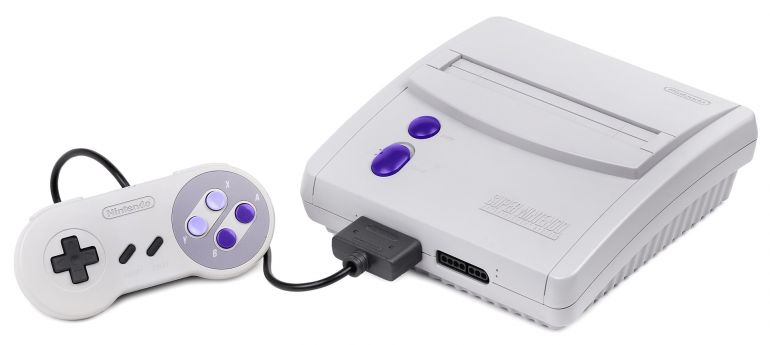
October 1997 also brought an updated version of Nintendo’s 16-bit console to America, called the New-Style Super NES. Its redesigned shell was smaller and rounder. Hardware manufacturing costs also fell. The consoles now used a single-chip design , combining CPU and PPU functions in one chip. A bundle with the console and Super Mario World 2 launched at $100.
SoC
Nintendo underwent another internal restructuring too. A team split from R&D3 to become Nintendo Special Planning & Development , developing software and peripherals for Nintendo consoles. This same team launched Satellaview in 1995 and developed the Nintendo Power service.
SPD
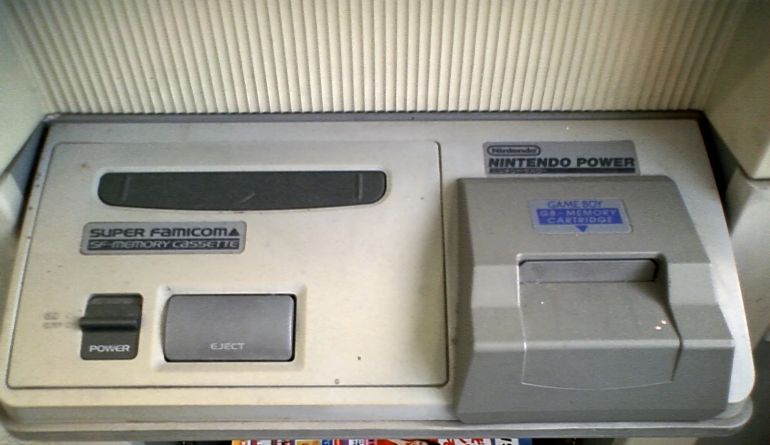
The latter expanded on Disk System ideas. Available only in Japan, Nintendo Power involved placing special game-writing machines in game stores. Customers could write games to special flash cartridges for less than buying manufactured cartridges. Each special cartridge could hold up to seven games, depending on size. Interestingly, Nintendo Power had several exclusives unavailable at retail, including Wizardry I-II-III: Story of Llylgamyn, Wrecking Crew ’98, Kaettekita Mario Bros., Tamagotchi Town, and others. The system also let players write Satellaview-exclusive games to cartridges.
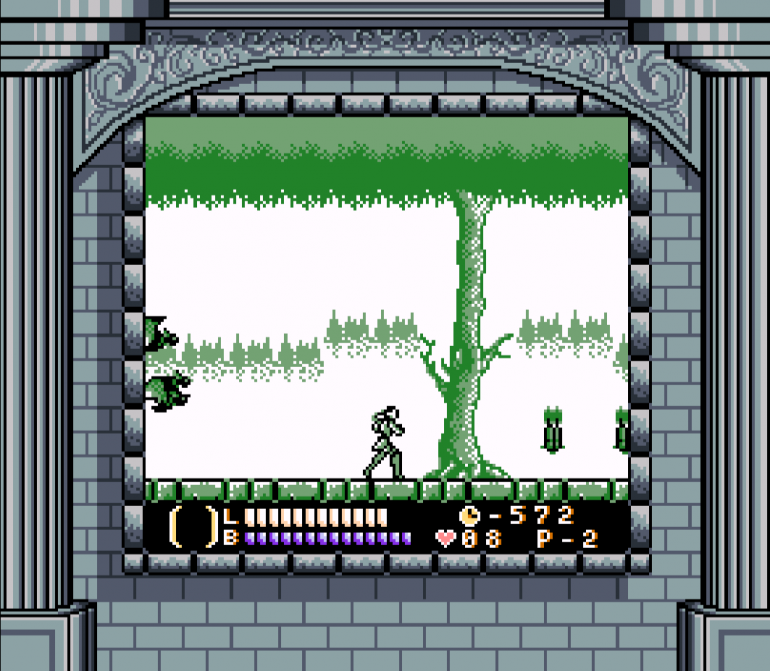
The number of Game Boy releases rose rather unexpectedly, although most stayed in Japan and were known only to local players. Among worldwide releases, only Castlevania Legends really stands out. Europe and America received The Lost World: Jurassic Park, Donkey Kong Land III, and a few other games unavailable in Japan.
Additions to the SNES/Super Famicom library were even thinner. Japan received just 27 games, including Super Bomberman 5, Casper, Animaniacs, and others. America mostly got sports simulations, while Europe received its usual limited exclusives, The Adventures of Tintin: Prisoners of the Sun and Lucky Luke, plus some soccer with FIFA: Road to World Cup 98. Of the worldwide releases, perhaps only The Lost Vikings 2 warrants mention.
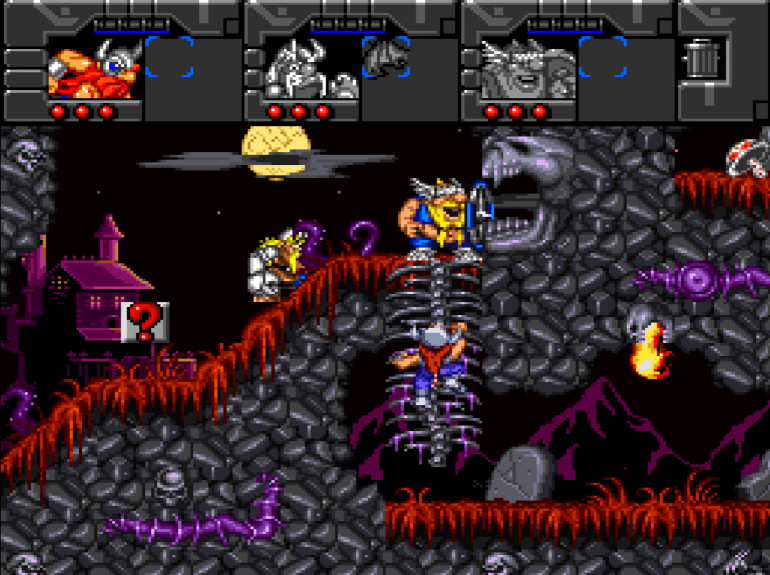
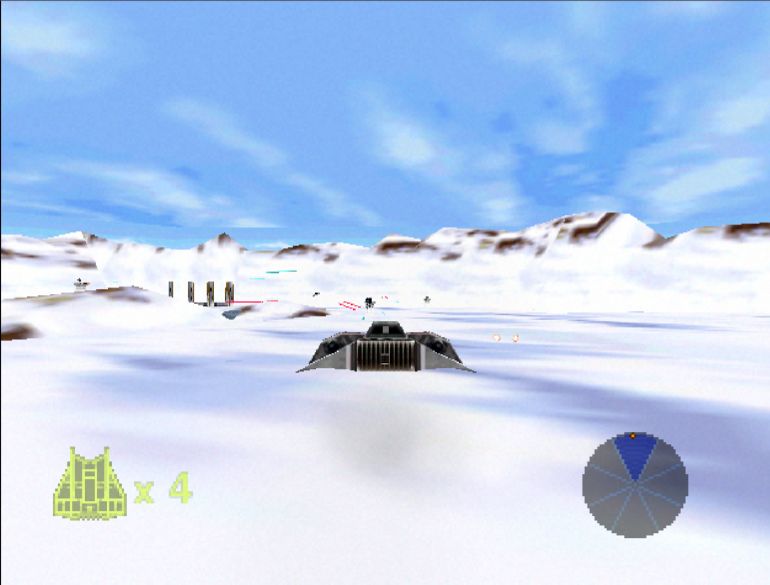
Naturally, in 1997 third-party developers and Nintendo itself focused all their efforts on the new Nintendo 64. Internal releases included Star Fox 64 and Yoshi’s Story from EAD. Rare produced Diddy Kong Racing and GoldenEye 007, one of the best console shooters of its day. Other shooters included Turok: Dinosaur Hunter, Doom 64, Hexen, and Duke Nukem 64. There were plenty of fighting games, so beloved in Japan, too: War Gods, Mace: The Dark Age, ClayFighter 63⅓, WCW vs. nWo: World Tour, and others.
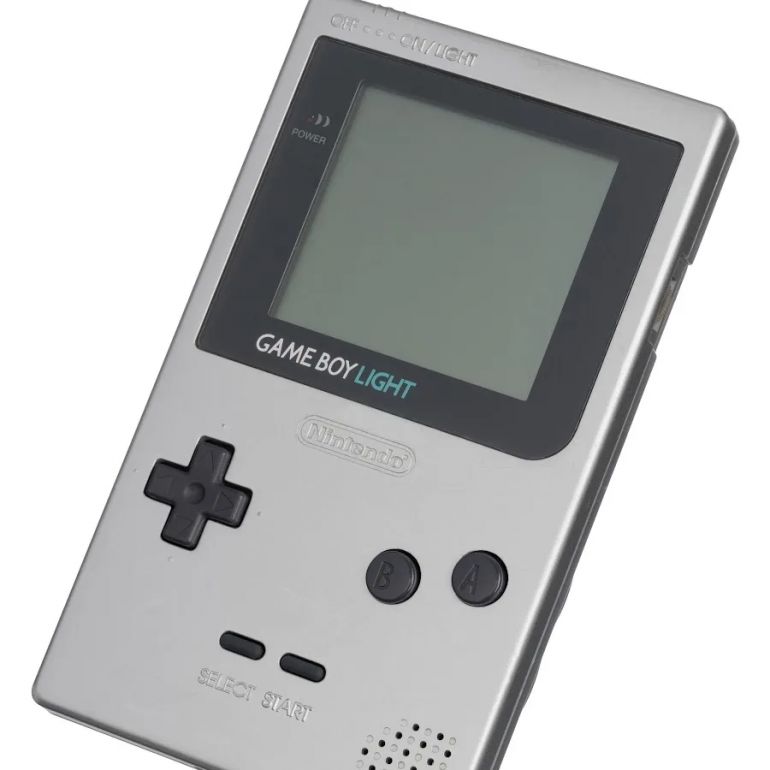
The following year, 1998, offered few interesting developments either. April brought another Game Boy model, the Light. Essentially, it addressed the Pocket’s shortcomings. It had an even clearer LCD, an electroluminescent backlight, and an updated power system using two AA batteries. It could run for 12 hours with the light on or 20 without it. Unfortunately for the rest of the world, the Light remained exclusive to Japan.
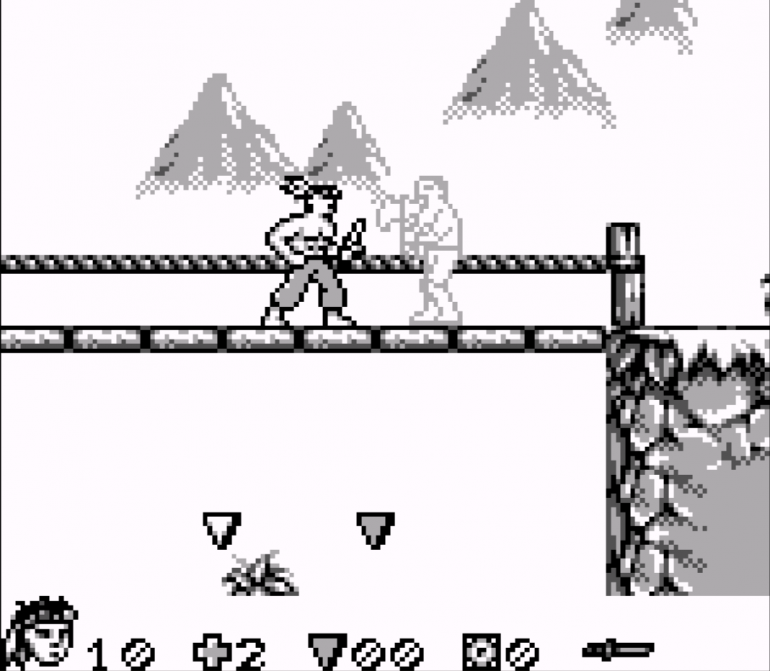
Alongside the Game Boy Light’s release, GB game releases increased too. Around 100 games came out across all regions, although most, naturally, stayed in Japan. The biggest releases available everywhere were Pokémon Yellow Version: Special Pikachu Edition and Turok: Battle of the Bionosaurs. American and European players could try the previous year’s Castlevania Legends, along with James Bond 007, Wario Land II, Oddworld Adventures, and Beavis and Butt-head, which were unavailable in Asia.
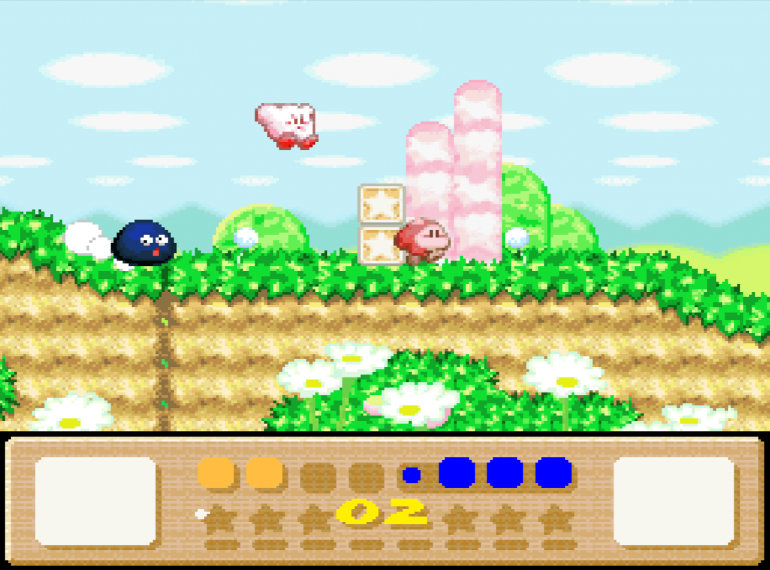
1998 was the final year of SNES releases in Europe and America. The Western Hemisphere received a single game, the regional exclusive Frogger. Europe got two: Harvest Moon and Timon & Pumbaa’s Jungle Games, both previously released elsewhere. Japan’s total barely passed 15. There were few especially interesting releases, just Kirby’s Dream Land 3, previously released in America, plus Dr. Mario and Mega Man & Bass.
Just over 100 games reached the Nintendo 64 in 1998. These included multiplatform titles such as SimCity 2000, Quake 64, Forsaken, Nightmare Creatures, Mortal Kombat 4, Turok 2: Seeds of Evil, South Park, and others. Games available only on N64 included Mario Party, Quest 64,Hey You, Pikachu!, and Banjo-Kazooie from Rare. EAD delivered four games across very different genres: 1080° Snowboarding, Pocket Monsters Stadium, F-Zero X, and, of course, the first 3D Legend of Zelda, The Legend of Zelda: Ocarina of Time.
1998 also marked the beginning of active development on Nintendo’s next home console. In May, the Big N signed an agreement with ArtX to develop a graphics processor called Flipper. Unsurprisingly, the console would become the Nintendo GameCube, known during development as Dolphin.
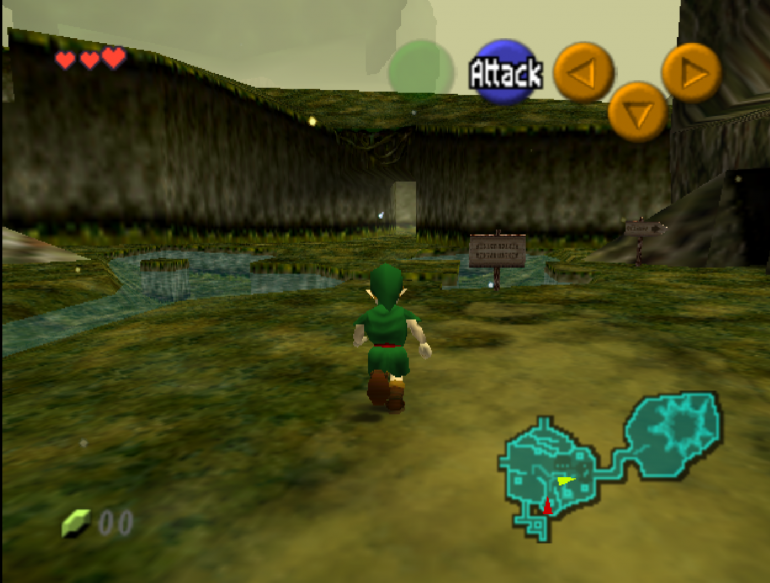
Almost immediately after work on the new console began, Nintendo decided to give itself a little insurance by investing in a new game company to develop future GameCube exclusives. Its founder was Jeff Spangenberg, with whom the Big N had worked successfully on Iguana Entertainment’s Turok series. By the end of 1998, Retro Studios employed just four people, growing to 25 by the first half of 1999. It started its first games before even receiving Dolphin development kits.
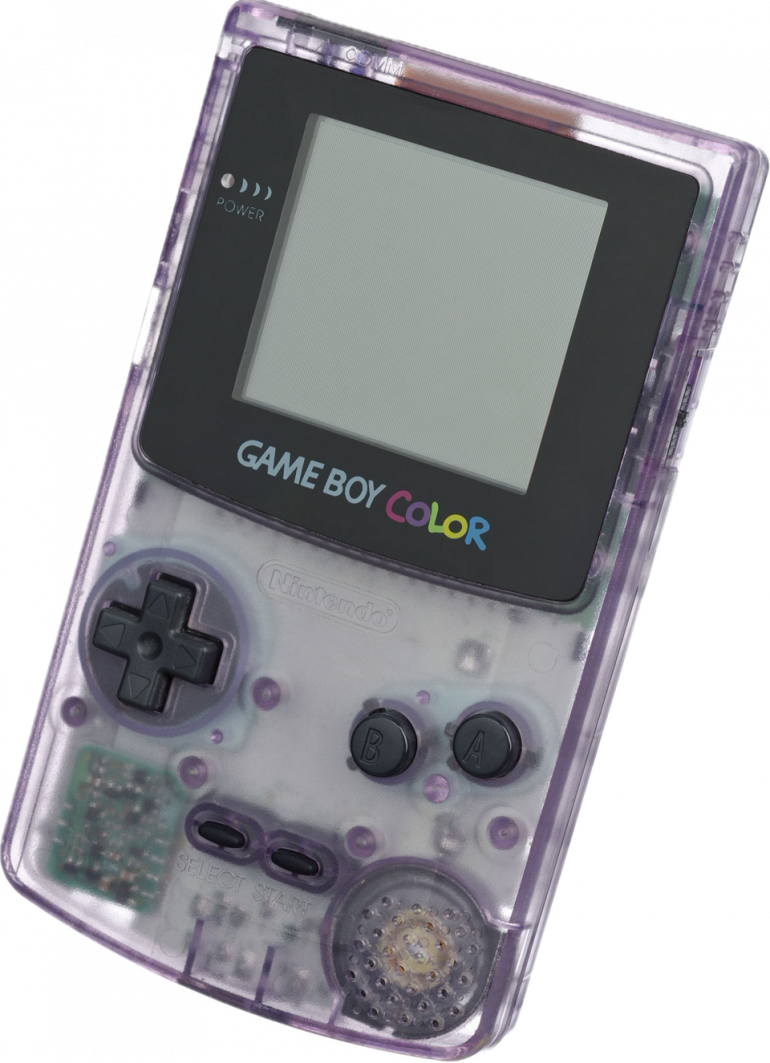
Late in 1998, Nintendo released the next-generation Game Boy, the Color. Calling it a new generation is a stretch, though. In practice, it partly returned to the Project Atlantis prototype developed in 1990, but again, only partly. Several reasons prompted a return to developing a GB successor. First, color LCDs had become more affordable. Second, rival Atari had its color Atari Lynx. Third, Namco, with Gunpei Yokoi’s support, was preparing its WonderSwan handheld. Sadly, Yokoi never lived to see its launch. He died in a car accident in October 1997.
Under these circumstances, the initial plan to use a 32-bit chip in the new Game Boy was abandoned almost immediately. Instead, Nintendo chose an 8-bit processor similar to the original GB’s, but faster and more modern. This saved enormous development time. Exact details are uncertain, of course, but active work on the GBC lasted only about 1.5–2 years, and Nintendo’s new handheld reached the market in October 1998.
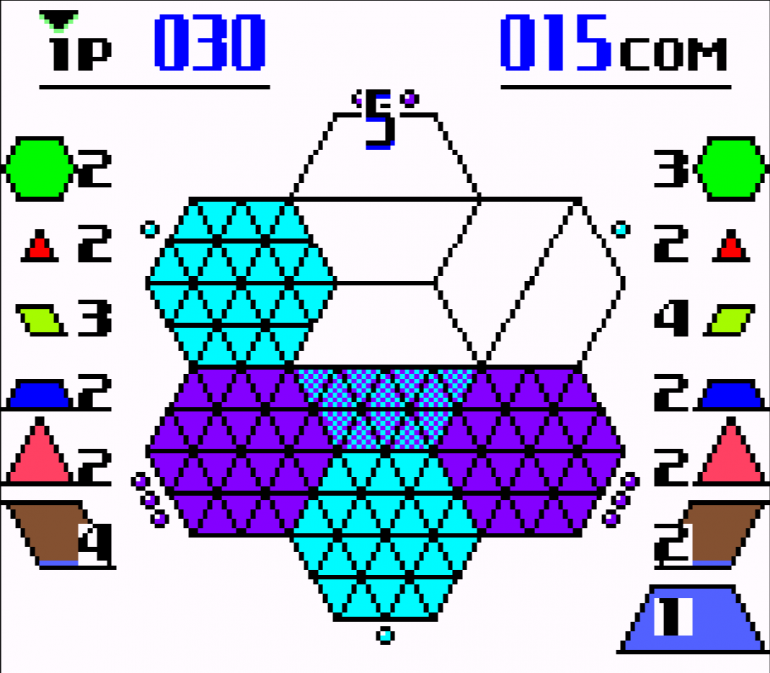
The Game Boy Color launch lineup contained three games: Hexcite: The Shapes of Victory, Tetris DX, and Wario Land II. Its 8-bit processor also let it run original Game Boy games, giving it an impressive library from day one. The GBC could also run NES games with almost no differences. Some games for the new handheld also ran on earlier Game Boy models, naturally losing their color graphics. For example, an early GBC game, Dragon Warrior Monsters, was released for the original GB a month before the new system launched.
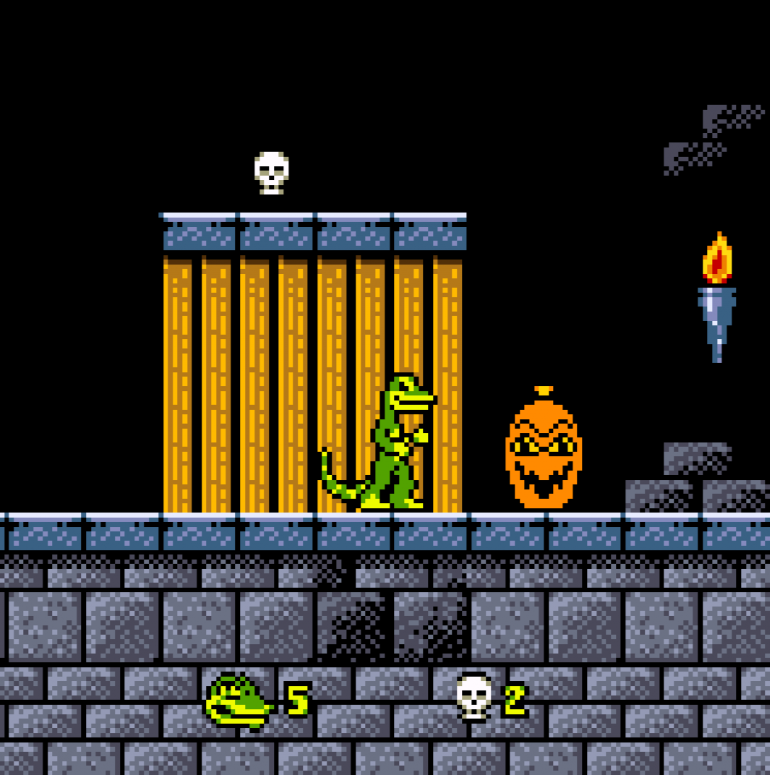
By the end of 1998, the Game Boy Color had received 39 new games. Some were ports from its predecessor, such as The Legend of Zelda: Link’s Awakening DX. Others came from entirely different platforms, like Mortal Kombat 4 and Rampage: World Tour. Others were full-fledged exclusives, including Turok 2: Seeds of Evil, Gex: Enter the Gecko, Men in Black: The Series, and more.
The final year of the 20th century was similarly light on events. America and Europe received no more SNES games, while the Super Famicom got just 14. Nintendo itself published most, including Power Lode Runner, Kirby no Kirakira Kizzu from HAL Laboratory, Columns, and others. Five more games appeared for the Game Boy in Japan: educational titles in the Shikakui Atama o Maruku Suru series, plus Pachinko Data Card. America got just two, Beavis and Butt-head and Pokémon Yellow: Special Pikachu Edition. These were the final Game Boy releases in that region.
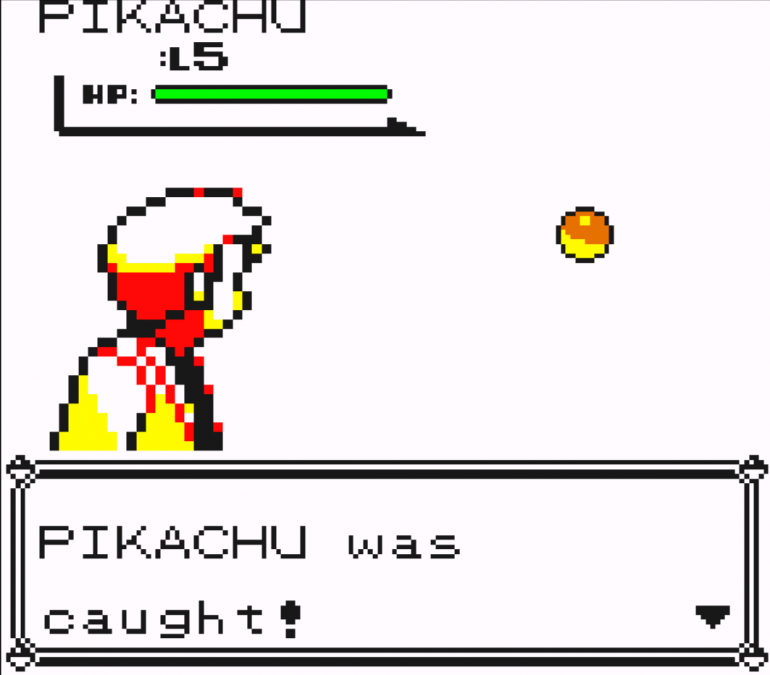
More than 120 games reached the Nintendo 64 across all regions, naturally with regional restrictions. The console received Super Smash Bros. and Pokémon Snap from HAL Laboratory. EAD produced just one game, Pokémon Stadium. Rare delivered two, Jet Force Gemini and Donkey Kong 64. Konami released a whole string, including Castlevania and its expansion, Castlevania: Legacy of Darkness. American studio Sucker Punch made its debut with Rocket: Robot on Wheels, later becoming a leading developer of major Sony exclusives.
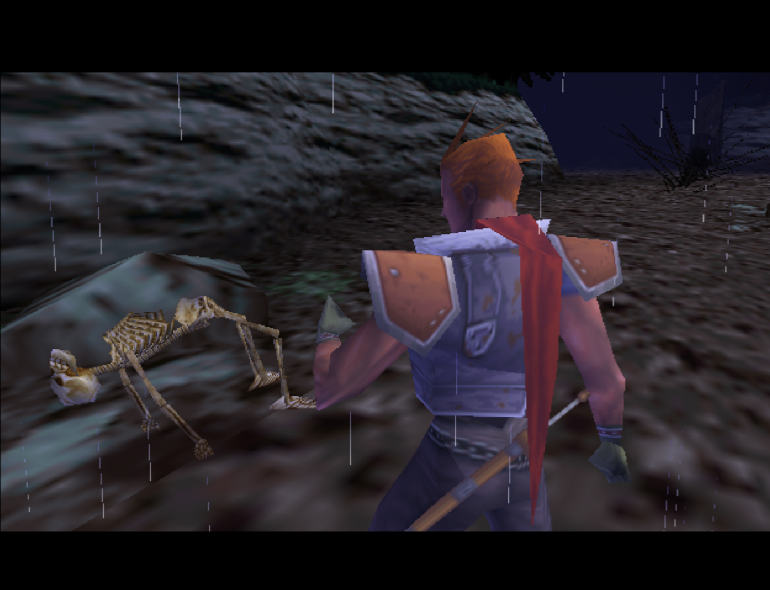
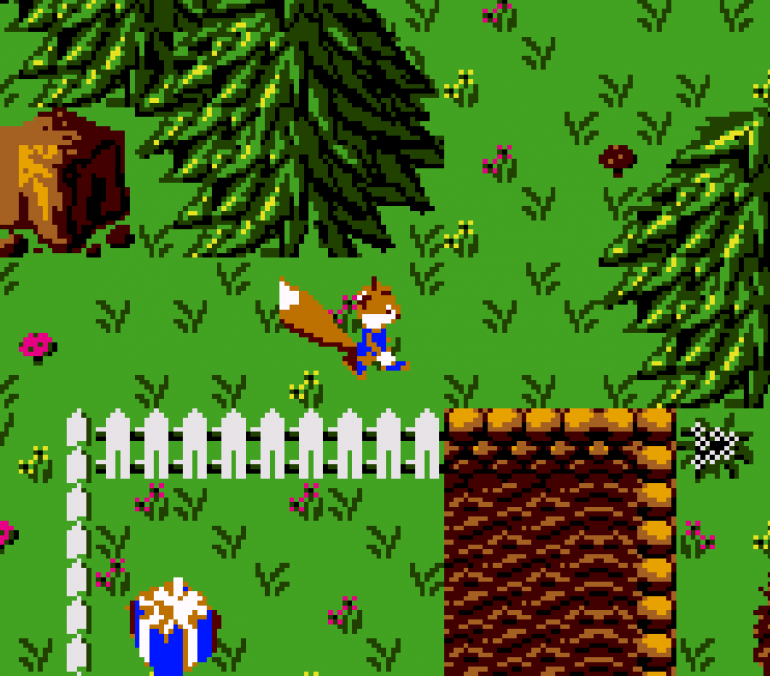
The fresh Game Boy Color also received an impressive lineup: around 250 games. Interestingly, 1999 began for the GBC with European exclusives: Astérix & Obelix, Hugo 2½, and Maya the Bee & Her Friends. HAL Laboratory delivered Pokémon Pinball. The Big N itself, through Nintendo R&D2, released Super Mario Bros. Deluxe. Rare contributed two games, Conker’s Pocket Tales and Mickey’s Racing Adventure. Game Freak pulled out the big guns with new Pokémon games, naturally in multiple versions: Pokémon Gold Version and Pokémon Silver Version.
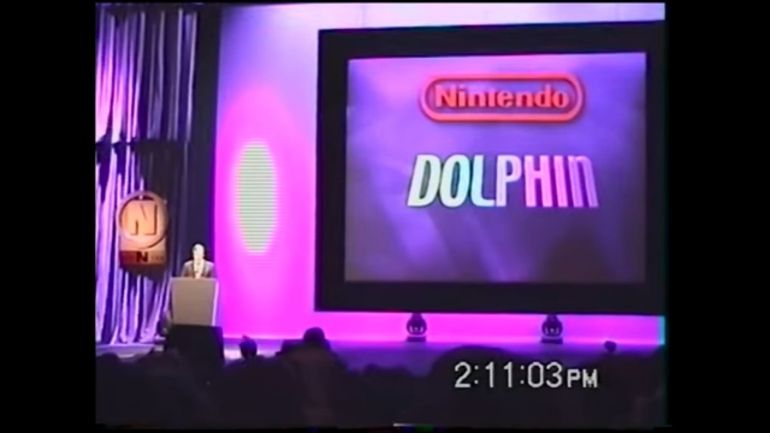
At E3 in May 1999, Nintendo officially announced its next-generation console, Dolphin. Alongside its graphics-chip partnership with ArtX, Nintendo brought in IBM to develop the CPU. In September 1999, Nintendo also announced a new handheld, the Game Boy Advance. Like the upcoming home console, it would belong to the sixth generation.
Another Nintendo collaboration was Mobile21, formed jointly with Konami. Both giants contributed ¥100 million. Masaki Yoneoka headed the company. The arrangement mirrored Retro Studios, established to make games for the future GameCube. Mobile21, meanwhile, would develop for the Game Boy Advance handheld.
That same year, the multifunction 64DD add-on arrived for the Nintendo 64. It let the console use and rewrite magnetic disks, and provided subscription-based internet access through the Randnet network. For this, the Big N partnered with media conglomerate Recruit. Naturally, the 64DD also supported a handful of exclusive games: just ten in total. Examples included SimCity 64, F-Zero X Expansion Kit, and several Mario Artist titles. The 64DD was exclusive to Japan and consequently could hardly boast major success.
The new millennium began with major internal changes. Nintendo’s headquarters moved to Kyoto. R&D3 became the Integrated Research & Development Division, or IRD. Its previous head, Genyo Takeda, remained in charge. It was to focus on Nintendo’s next home console, already under development as Dolphin. The new division worked alongside RED, which was developing the upcoming Game Boy Advance handheld.
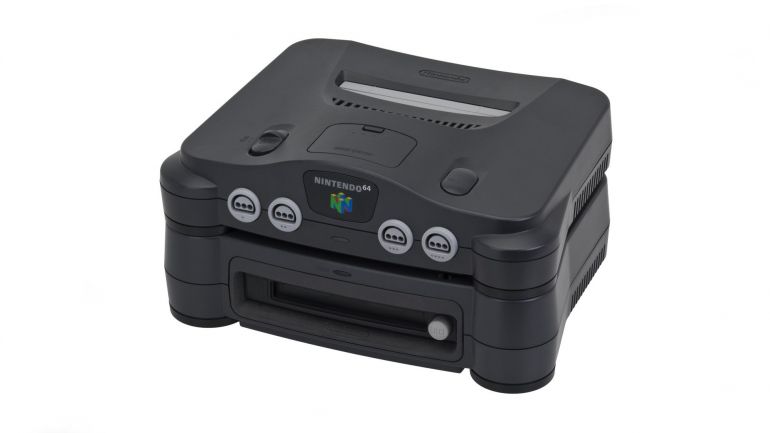
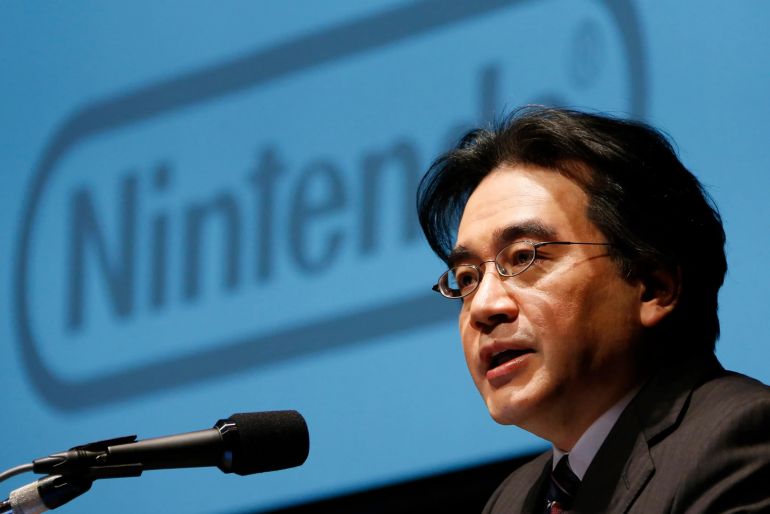
Another important moment in Nintendo’s history was the arrival of Satoru Iwata from HAL Laboratory, where he had been president since 1993. He had also actively participated in developing games for Big N consoles. Iwata created graphics compression tools and worked on Pokémon Gold and Silver for the Game Boy Color, and Super Smash Bros. and Pokémon Stadium for the Nintendo 64. Earlier, he had devised a localization plan for Pokémon Red and Green for Western audiences. At Nintendo, he became head of corporate planning and joined the board of directors.
The original Game Boy received just three games in 2000, all exclusive to Japan and all educational entries in the Shikakui Atama o Maruku Suru series. Pokémon Yellow Version: Special Pikachu Edition also reached Europe. The Super Famicom received its final five releases, including Fire Emblem: Thracia 776 and Metal Slader Glory: Director’s Cut.
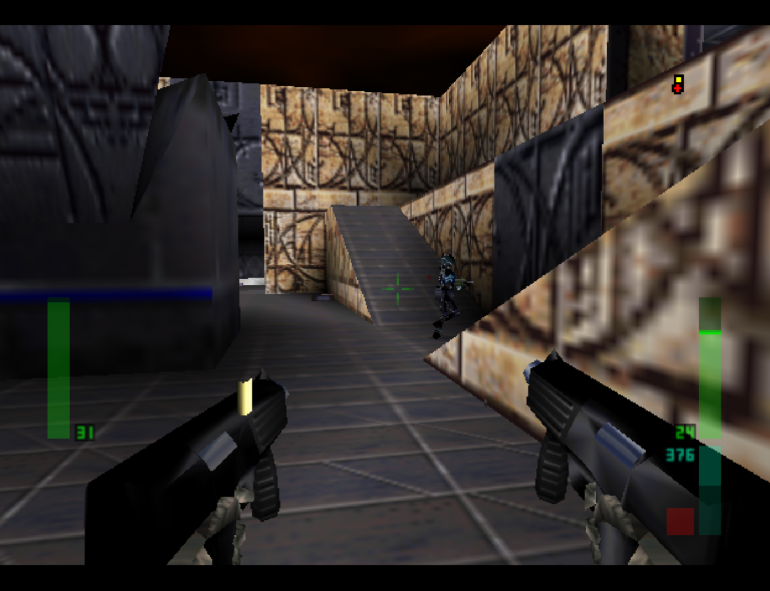
Nintendo 64 releases declined too, to just 75. EAD delivered two games, Pokémon Stadium 2 and The Legend of Zelda: Majora’s Mask. The R&D 1 team contributed one, Sin and Punishment. Third-party studios particularly close to the Big N released Banjo-Tooie, Mickey’s Speedway USA, and Perfect Dark from Rare, plus Kirby 64: The Crystal Shards and Itoi Shigesato no Bass Tsuri No. 1 Kettehan! from HAL Laboratory. Intelligent Systems released Paper Mario. The newly formed American studio Nintendo Software Technology, unexpectedly funded by Nintendo, delivered Pokémon Puzzle League and Ridge Racer 64. Blizzard also deserves mention for porting one of its RTS games to the N64 as StarCraft 64.
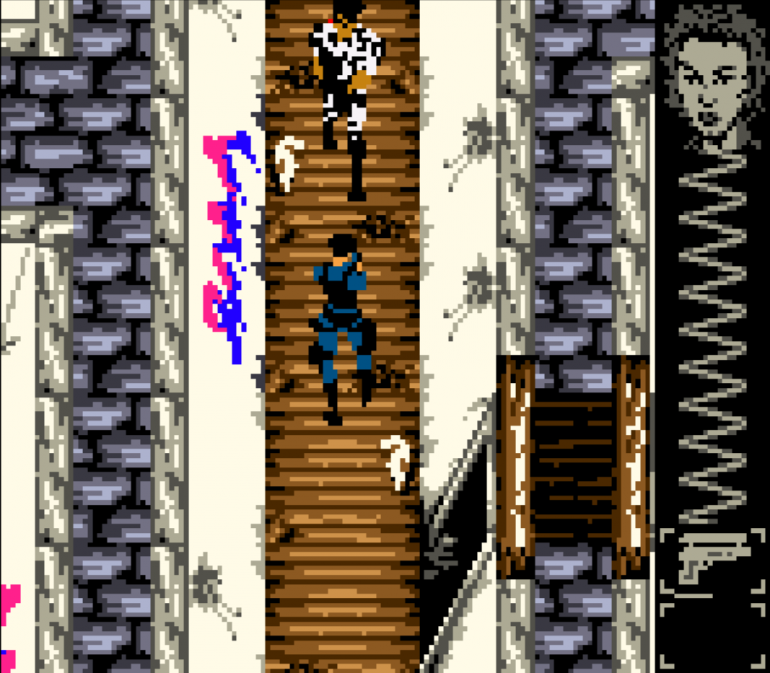
The Game Boy Color received more than 360 games. Nintendo’s internal studios produced three in total: Trade & Battle: Card Hero and Wario Land 3 from R&D1, and Kirby Tilt ’n’ Tumble from R&D2. Rare, as usual, proved remarkably prolific, releasing three games in the first year of the 21st century: Donkey Kong GB: Dinky Kong & Dixie Kong, Donkey Kong Country, and Perfect Dark. Nintendo Software Technology delivered two, Bionic Commando: Elite Forces and Crystalis. Other close partners each released one: Intelligent Systems had Pokémon Puzzle Challenge, Game Freak had Pokémon Crystal Version, and HAL Laboratory, rather unexpectedly, had Blade, based on Marvel comics.
Nintendo entered the new millennium having lost its gaming crown to Sony and the PlayStation. A fierce struggle lay ahead, with another competitor already looming on the horizon.
Enjoyed this article? Found it helpful? Support GameSpirit.org and help us create more great content.
Author: Godlike_Goblin for GameSpirit.org


