
A History of Nintendo, Part 6

Title: | The History of Nintendo |
Developer: | Nintendo |
Publisher: | Nintendo |
Release: | 11.01.2030 |
Nintendo entered the ’90s feeling optimistic, and it had good reason to. The previous decade had seen the wildly successful Game & Watch handhelds, the 8-bit Famicom/NES consoles, and a pile of games for them. The ’80s closed out with the even more successful Game Boy, a handheld made possible by the R&D1 team.
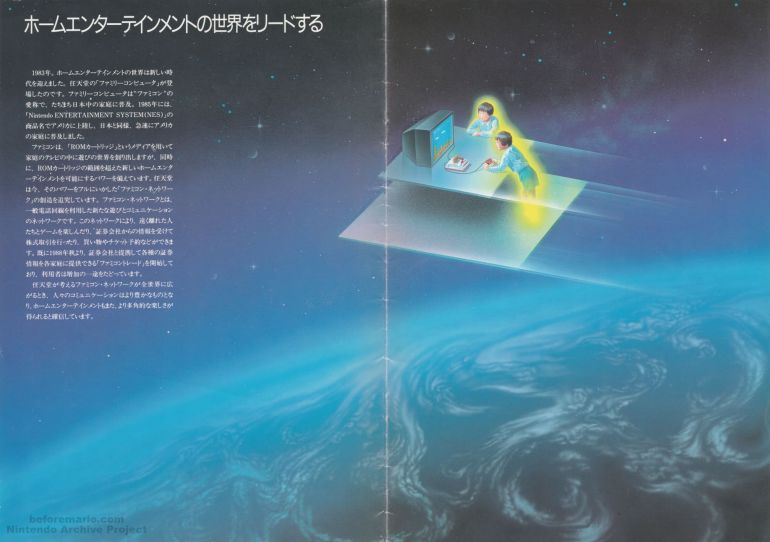
Surprisingly, through all of this, the company still listed playing card manufacturing as its main business. The Big N also made amusement and leisure equipment, sporting goods, children's products, household items, office machines, audio and communications equipment, electronics, and even vehicles. Its considerable printing experience also let it work in commercial printing, paper goods, and publishing, including educational materials and stationery.
But we're here for Nintendo's games. In late 1990, with Hiroshi Yamauchi still at the helm, the company followed its competitors into the 16-bit era with the Super Famicom. By then, the PC Engine/TurboGrafx-16 from NEC/Hudson Soft and the Mega Drive/Genesis from Sega were already battling over the market. After Nintendo's earlier successes, demand was enormous and the company couldn't keep up, even though the launch lineup had just two games: Super Mario World and F-Zero. Both came from the recently formed EAD division, led by Shigeru Miyamoto and Takao Sawano.
Entertainment Analysis & Development
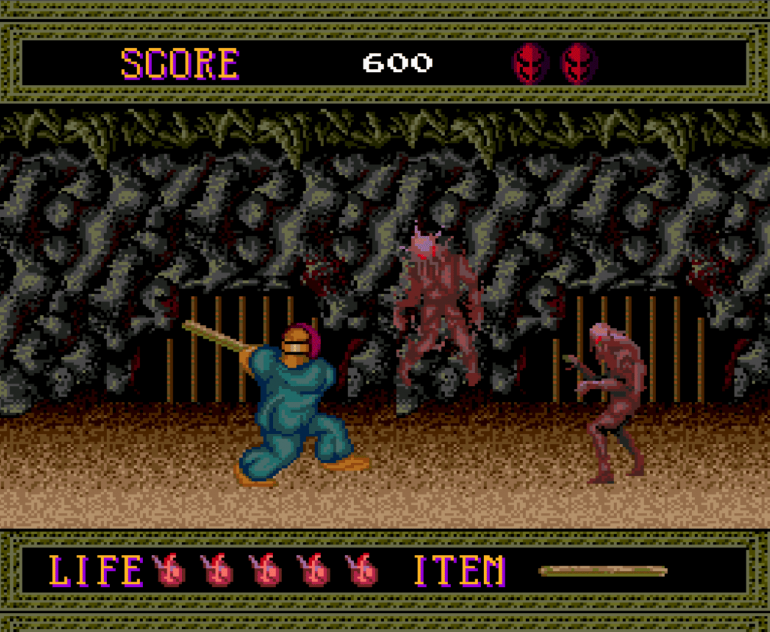
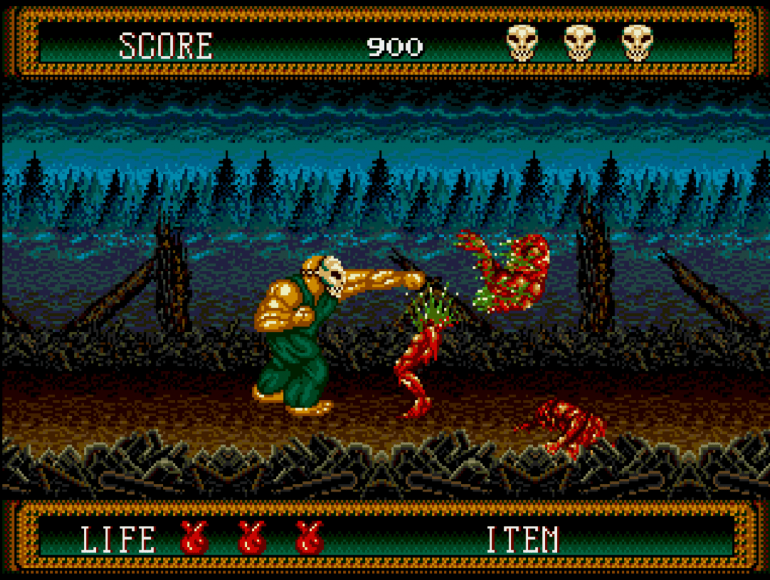
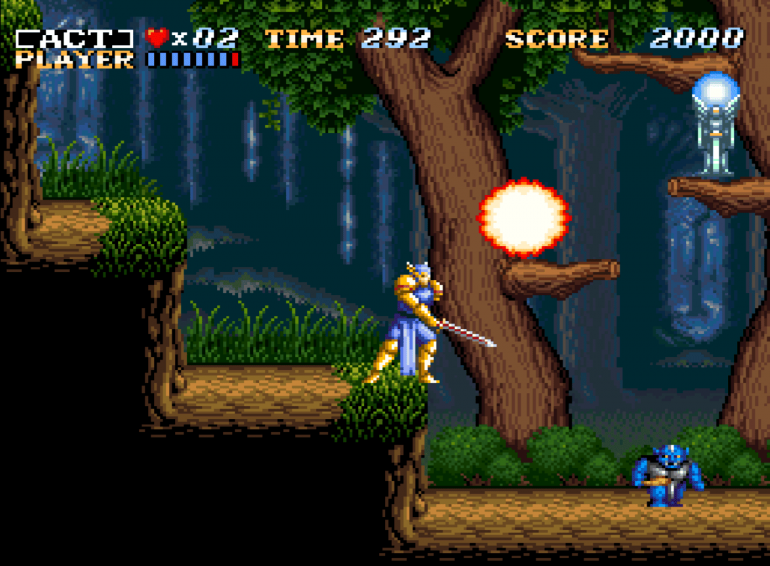
More games came out for the new console before the year was over. There was ActRaiser, a terrific mix of hack-and-slash platforming, RPG elements, and city building from Quintet and Enix. There was also a port of the previous year's arcade hit Final Fight from Capcom, which would make itself at home on Nintendo's 16-bit console for almost a decade. Another arcade port was Gradius III. The exclusives included the flight sim Pilotwings and the top-down shooter SD The Great Battle, a noteworthy crossover between Ultraman, Kamen Rider, and Gundam.
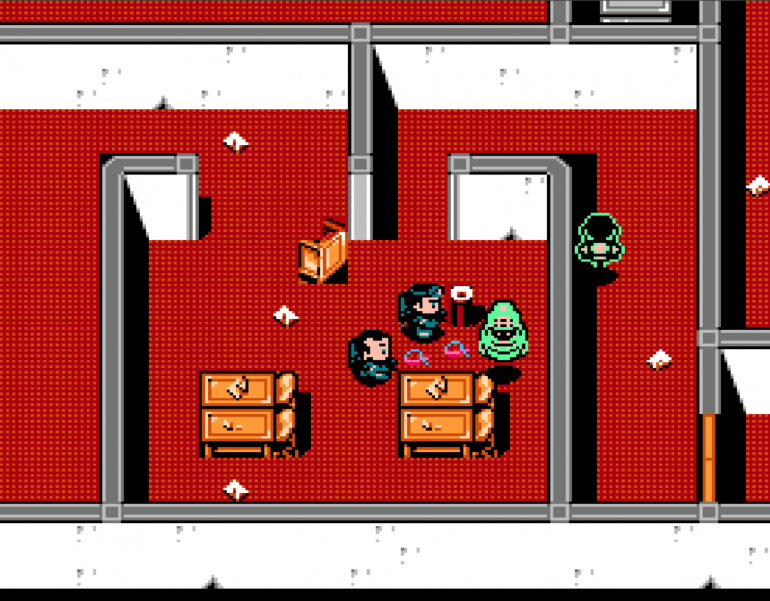
The 8-bit Famicom/NES undoubtedly dominated Japan and other markets going into the ’90s. It got about 250 games in 1990 alone, distributed fairly unevenly across regions. Most were exclusive to Japan, North America, or Europe, and only a small share could be played everywhere, bootleg carts aside. That year brought excellent games such as Super Contra, Ninja Gaiden II, Power Blade, Shadow of the Ninja, Chip ’n Dale Rescue Rangers, Rollergames, several Nekketsu titles, Teenage Mutant Ninja Turtles II: The Arcade Game, New Ghostbusters II, and more.
including the soccer game known in Russia as GOAL 3
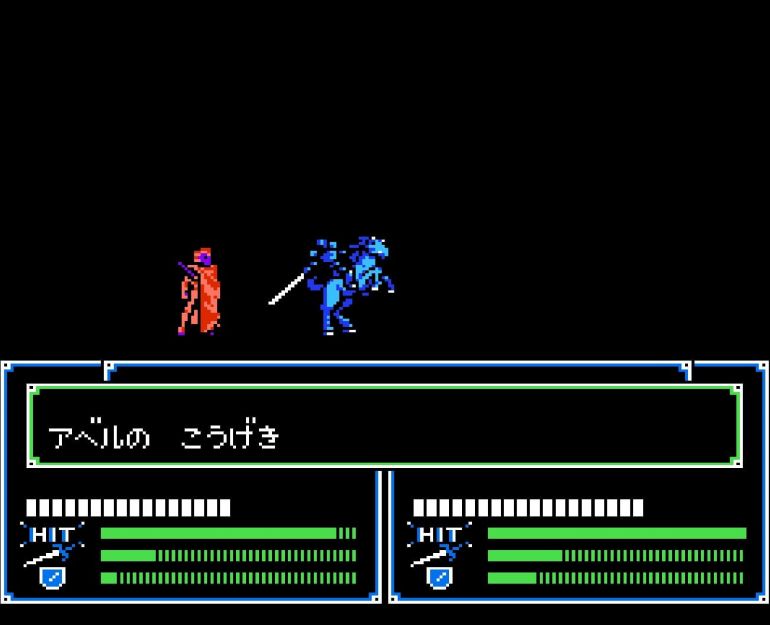
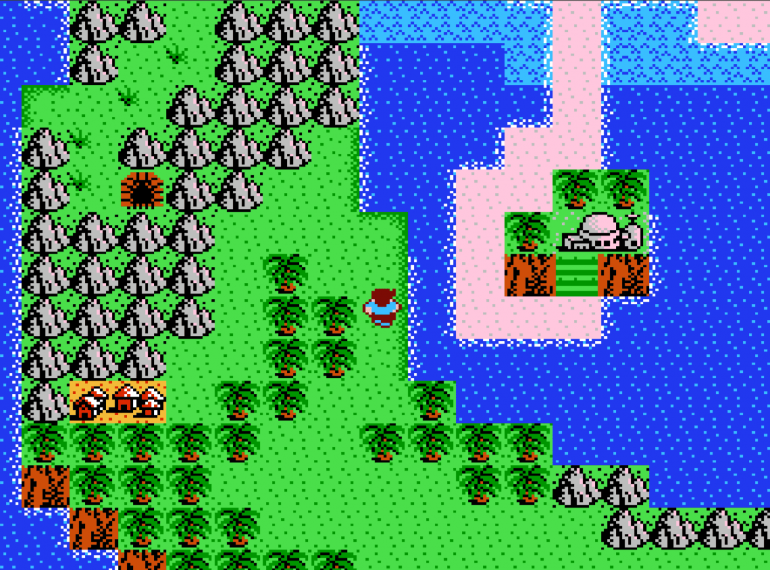
The Big N's internal studios, of course, only put out a handful of games. R&D3, led by Genyo Takeda, released the action-adventure StarTropics, which took some criticism for playing a lot like The Legend of Zelda. R&D1, which had released the Game Boy the previous year, put out three games: Dr. Mario, Barker Bill's Trick Shooting, and Fire Emblem: Shadow Dragon and the Blade of Light.
Fire Emblem deserves a closer look because it was developed by Intelligent Systems. The team was spun out of R&D1 in 1986 and had previously consisted of one person, Toru Narihiro, who ported Famicom Disk System games to NES cartridges. The new company became a support division for Nintendo, helping R&D1 develop games. Fire Emblem was the first project Intelligent Systems led itself. After its release, the team grew into a full-fledged developer and Nintendo partner.
The Game Boy got 120 games, many of them ports of earlier arcade releases, including Double Dragon, Pac-Man, Space Invaders, Kung-Fu Master, Power Racer, Lunar Ladder, and others. As with the Big N's NES/Famicom games, its own teams didn't release many, though there were Solar Striker, Radar Mission, and F-1 Race. The most successful were Dr. Mario from Nintendo itself and, of course, Tetris. The latter was often credited as the main reason for the Game Boy's success, and there's some truth to it, since Tetris was bundled with the console. Still, Nintendo's first full-fledged handheld would have caught on without it.
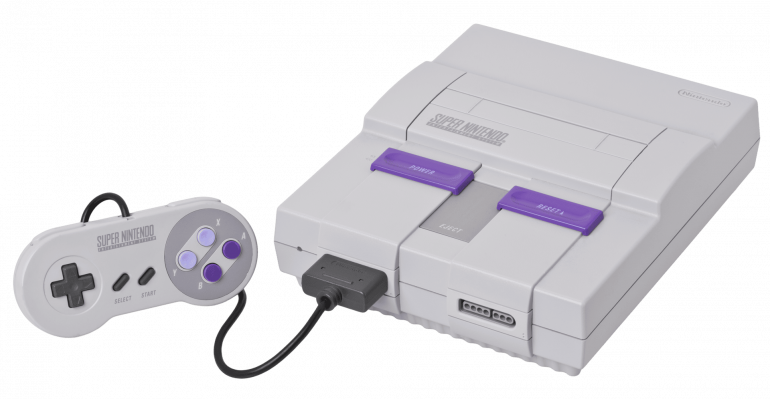
In summer 1991, the SNES set out to conquer the US. It had a new name, Super Nintendo Entertainment System, and a new look for both the console and cartridges. The controllers kept their design with a different color scheme. The console came bundled with Super Mario World, and the launch lineup added Pilotwings, SimCity, and Gradius III alongside it and F-Zero. Pilotwings and F-Zero both showed off the Mode 7 graphics mode. It let the console scale and rotate the background layer for tricks like perspective and pseudo-3D.
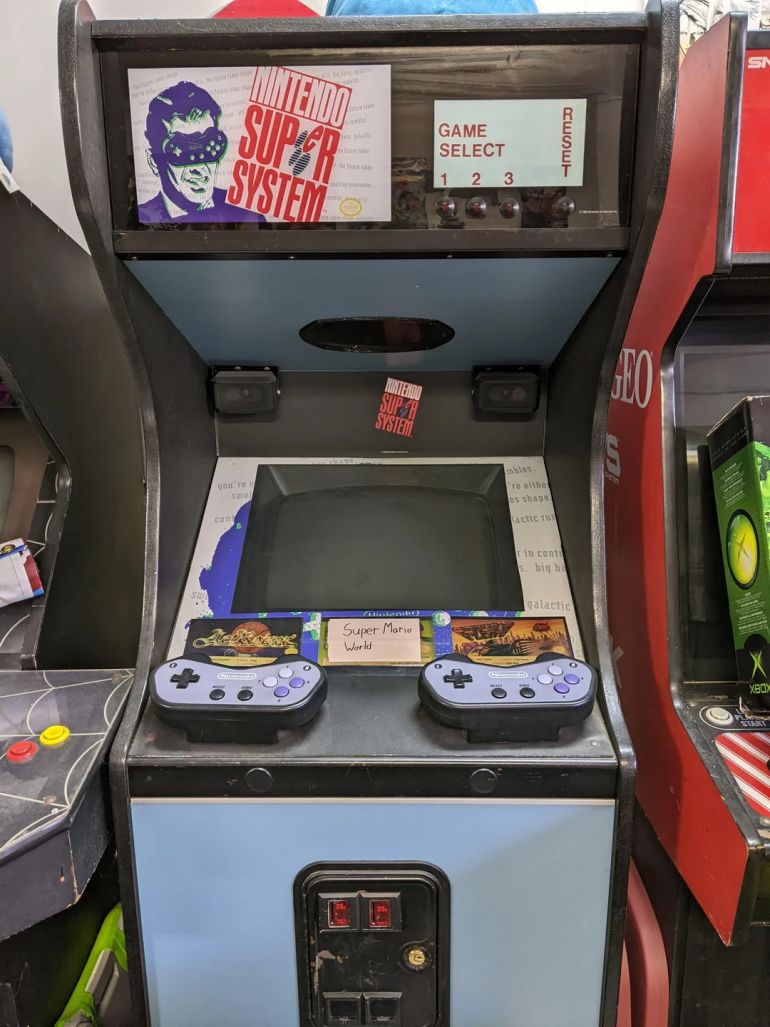
As with the NES, Nintendo put arcade cabinets out before the new console launched to gauge interest and get people excited. The new system was the Nintendo Super System . The cabinets ran on the same hardware as the SNES, with a few changes for the arcade. The NSS got 11 games, including ActRaiser, Contra III, F-Zero, Super Mario World, and others.
NSS
Also in 1991, Nintendo took the top spot in the all-time top 10 anime betrayals. The Big N's victim this time was Sony, which had already worked closely with the company on the sound chip for the Super Famicom and by extension the SNES. By 1991, Sony was supposed to make a CD add-on for Nintendo's 16-bit console. It delivered a lot more than an add-on for the Super Famicom. It made a complete console that could run games from cartridges and CDs. The prototype was called the Nintendo PlayStation.
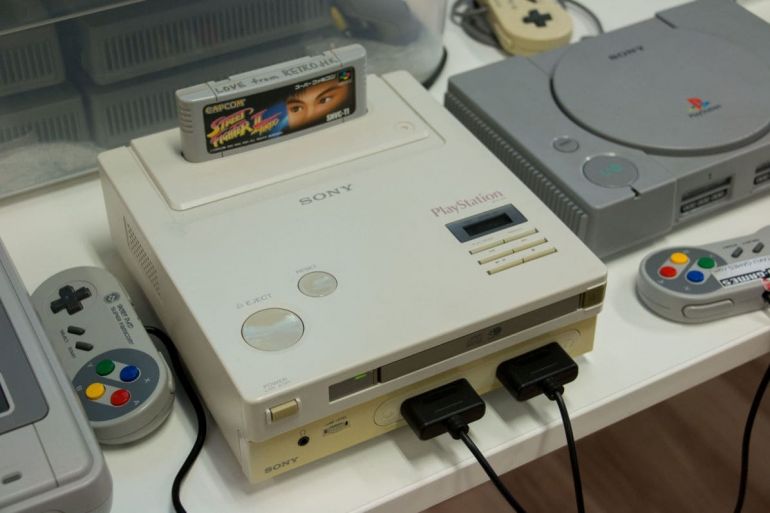
The console was announced at the 1991 Consumer Electronics Show . A day later, Nintendo suddenly announced a partnership with Philips and unilaterally ended its agreements with Sony. Maybe it was karma, but the deal with the Europeans didn't amount to much. The Big N never released a CD drive for its console, though Philips got to use Nintendo characters in games for the CD-i. Naturally, they all turned out lousy, and the console itself was a commercial flop.
CES
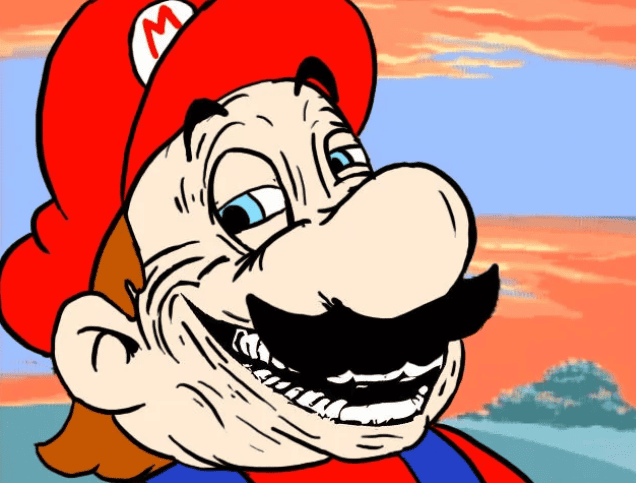
So why did Nintendo, under Hiroshi Yamauchi, get involved in a deal that smelled this bad? It's an interesting question. Sony already had leverage over Nintendo, since only Sony could make the SNES sound chip, on its own equipment. Now Sony stood to become the sole manufacturer of CDs for the upcoming Nintendo PlayStation. The Big N liked to control absolutely everything and couldn't let that happen. We all know how that ended.
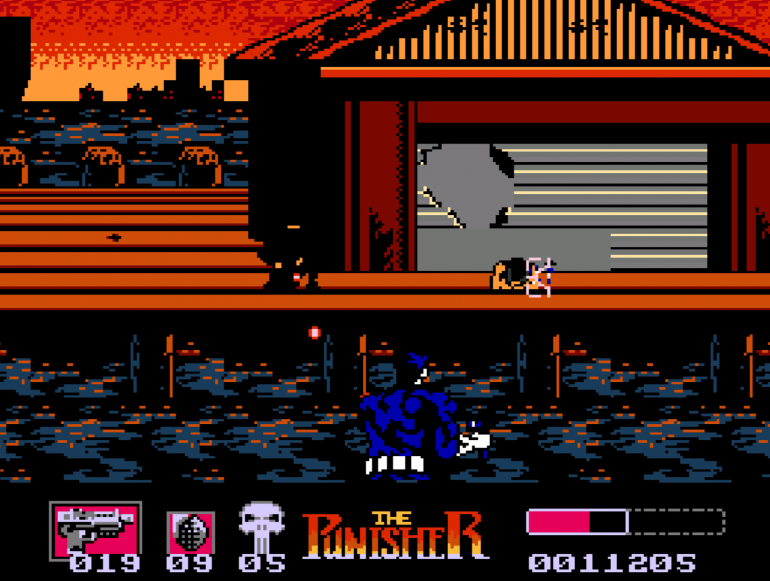
Looking across Nintendo's platforms, the NES was once again the clear leader. It got nearly 200 games in 1991, including The Punisher, Double Dragon III: The Sacred Stones, Battletoads, Ninja Gaiden III, Shatterhand, Eliminator Boat Duel, and Teenage Mutant Ninja Turtles III: The Manhattan Project. The company's internal studios only worked on one game, NES Open Tournament Golf, which they made with HAL Laboratory.
Speaking of HAL Laboratory, thanks to Satoru Iwata, it had been one of Nintendo's most reliable partners since 1983. By 1990 it was working exclusively on the Big N's platforms. In 1991, things took a turn for both HAL Laboratory and Nintendo, all because of Metal Slader Glory. The Japan-only release was one of the most expensive and time-consuming projects in Famicom history. Its cartridges are now among the rarest, with only 12,000 copies produced. That's because Nintendo wouldn't, or couldn't , supply more boards with the MMC5* mapper.
who could say now?
*MMC5 is a memory controller chip Nintendo made for the Famicom. It contains a mapper and a sound generator. The MMC5 was very expensive, so many developers used it sparingly or skipped it entirely.
The Multi Memory Controller 5
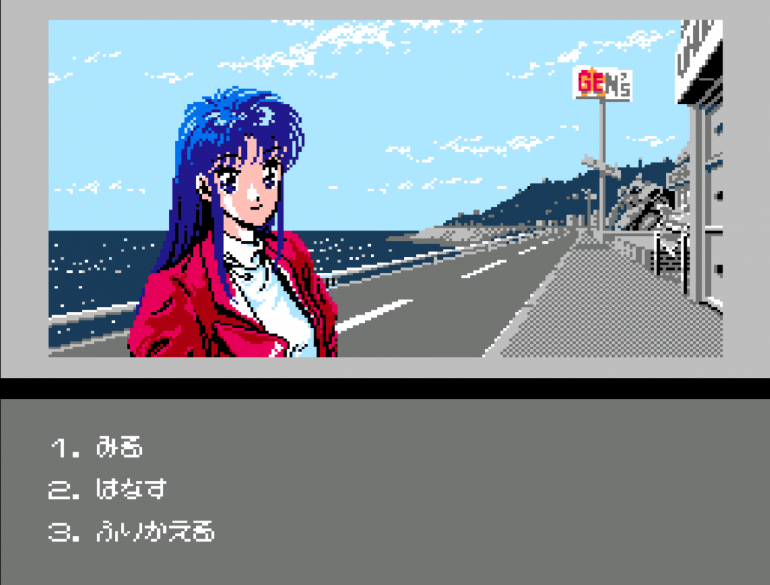
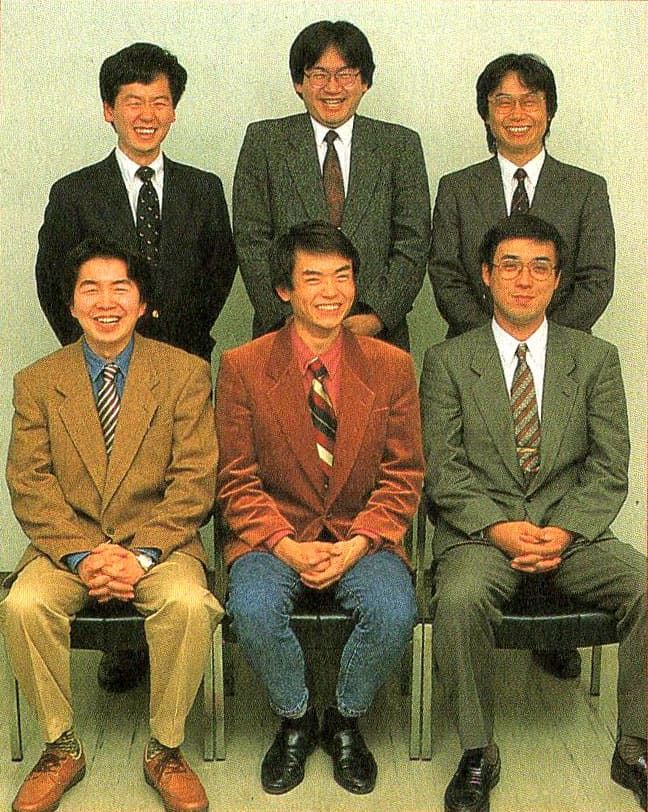
Naturally, such a small run couldn't cover development costs or even the marketing campaign. The flop broke up the development team and put HAL Laboratory on the brink of closure. In 1992, Nintendo bailed its partner out. There was a condition: Hiroshi Yamauchi wanted HAL Laboratory to put Satoru Iwata in charge, since he'd helped establish ties between the two companies in the early Famicom days. It happened in 1993, when Iwata took over HAL Laboratory. The story of this dedicated young man only gets more interesting from there, but we'll get to that later.
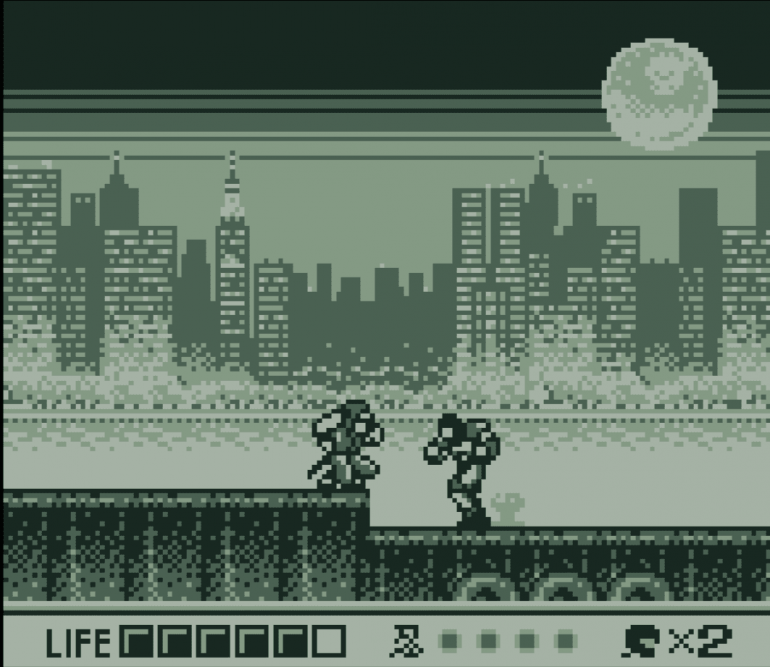
By then, the Game Boy had gotten just over 130 games. There were Contra and RoboCop, along with Castlevania II: Belmont's Revenge, Battle City, Nekketsu Kōkō Dodgeball Bu, Teenage Mutant Ninja Turtles II: Back from the Sewers, Ninja Gaiden Shadow, Turrican, and Faceball 2000. As with the NES, the Big N's internal teams barely contributed to the handheld's library because they were busy making SNES games.
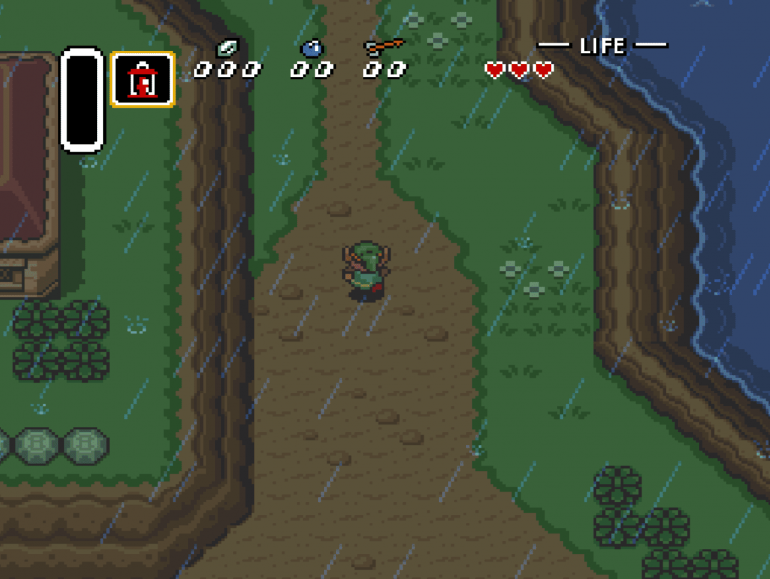
About 50 games came out for Nintendo's new 16-bit console in 1991. Third-party developers were just getting up to speed. Taito released Darius Twin. Square put out Final Fantasy IV. Konami had The Legend of the Mystical Ninja and Super Castlevania IV. Capcom released Super Ghouls ’n Ghosts. Nintendo EAD and Intelligent Systems ported SimCity, then closed out the year with a new adventure for Link, The Legend of Zelda: A Link to the Past.
In spring 1991, Nintendo got embroiled in another scandal and landed in court. This time, its American division was accused of price fixing. Nintendo wasn't satisfied with the profits from its 80% share of the global games market, so it resorted to some rather clever schemes. Nintendo of America pressured some of the biggest retailers to keep the NES around US$99.99. Drop the price by even a few cents and a store risked having its shipments cut back or stopped entirely. To settle out of court, Nintendo had to pay $30 million. That included an offer of $5 coupons for NES owners to use on games for the 8-bit console.
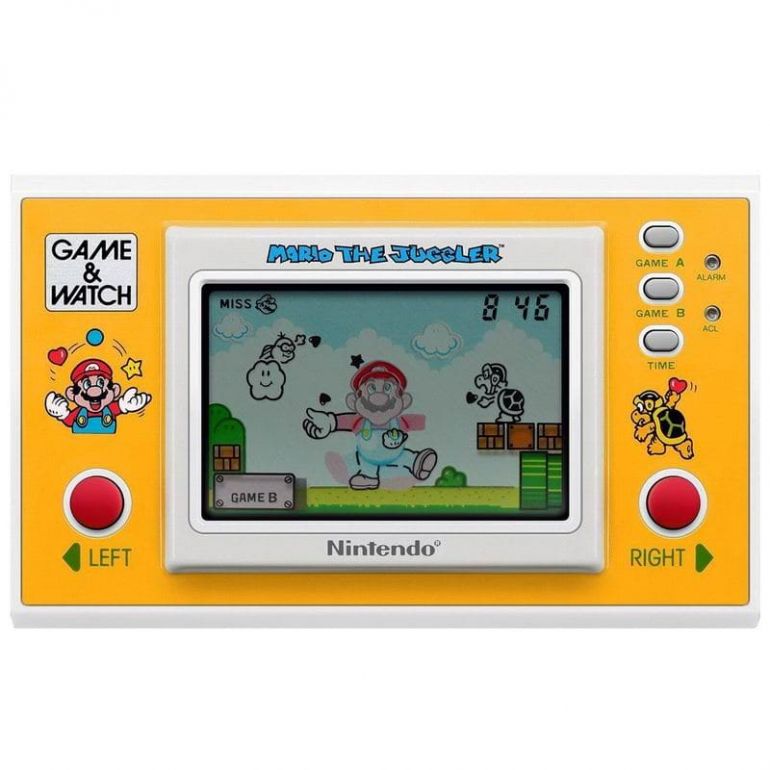
The Game & Watch era officially ended in late 1991. The last of those handhelds, Mario the Juggler in the New Wide Screen series, came out in October. You control Mario as he juggles bombs, stars, and hearts. You start with one object, then two more are added and things speed up. Make three mistakes and it's game over. The toy was a modest success compared with the Game Boy.
The Super Famicom landed with a bang in Japan, sweeping aside competitors like the Sega Mega Drive and NEC PC Engine. Things weren't so rosy for Nintendo in North America and Europe. That's where the console war between the Big N and Sega got most heated. By the time the SNES came out, Sega already had a sizable chunk of the American market. Its new ads aimed at older teenage players helped, as did dropping the console's price to the point of selling it at a loss. And, of course, Sonic the Hedgehog did its part. Over two years, Sega had also built relationships with American studios that made exclusive games for it. All of that made the Sega Genesis the most popular console in America, though it had to cede the top spot to the SNES by the end of the generation.
The SNES reached the UK and Ireland in spring 1992. The rest of Europe had to wait until June 1993. Europe didn't get a new design. It got Japanese Super Famicom units renamed SNES. The European consoles were adapted for PAL, so they couldn't run games from NTSC regions. One reason was a region-lock chip , and the other was the difference in refresh rates. PAL ran at 50 Hz and NTSC at 60 Hz. Add-ons that got around both problems eventually appeared.
CIC
1992 was also the end of the line for Nintendo's arcade business. By then, all three remaining Research & Development teams that had worked on arcade games had long since stopped making them. It's hard to call the Big N's arcade run a success overall. Its cabinets rarely made Japan's national top three. Nintendo had stopped making its own arcade games by 1985, and the last title in the VS. System line came out in 1988. It was The Quest of Ki from Namco. From then on, the company only released cabinets in North America to promote NES games through the PlayChoice-10 line and SNES games through NSS. In summer 1992, it announced it was stopping arcade cabinet production altogether.
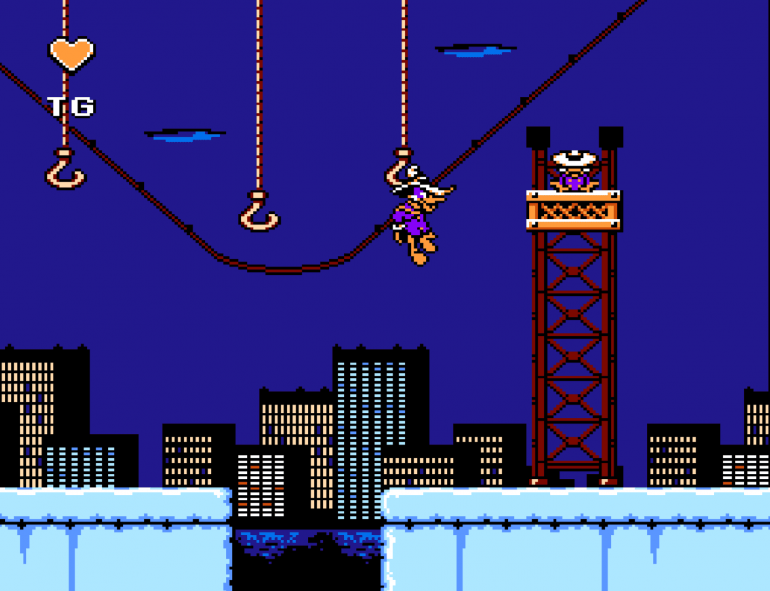
The number of NES releases also fell that year. Understandably, the new 16-bit platform needed the attention. The count slipped to under 150, and Nintendo again worked on just one, Hello Kitty World. Other developers gave us some excellent games, including Darkwing Duck, Power Blade 2, Joe & Mac: Caveman Ninja, Contra Force, RoboCop 3, and a hockey game from the Nekketsu series.
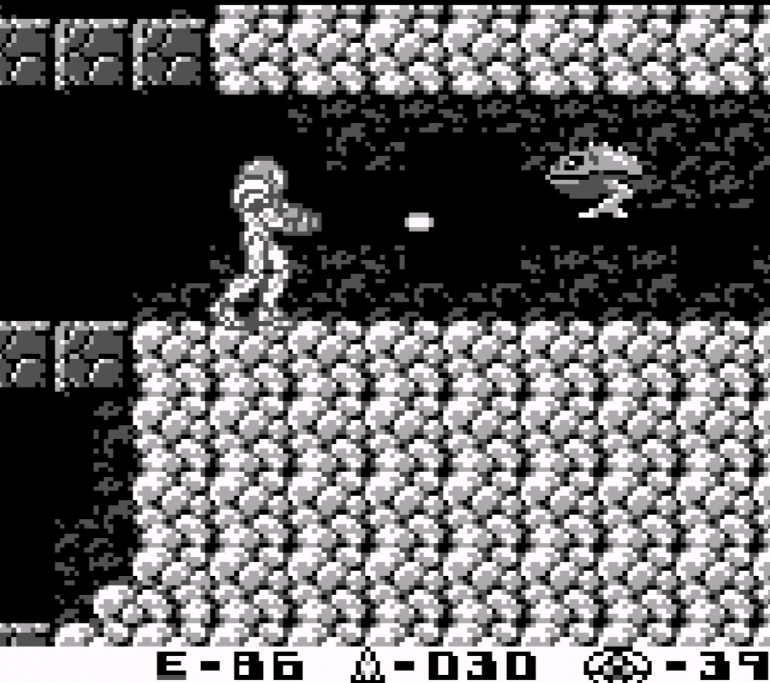
The number of games released for the Game Boy stayed around the previous year's level, at just over 120. There was the puzzle game Q*bert, the platformer Adventure Island, and Blades of Steel, a hockey game from Konami. Nintendo itself delivered another pair of standouts, Super Mario Land 2 and Metroid II: Return of Samus. HAL Laboratory and Satoru Iwata gave us Kirby's Dream Land. North America and Europe got The Amazing Spider-Man 2, Darkman, and Double Dragon II.
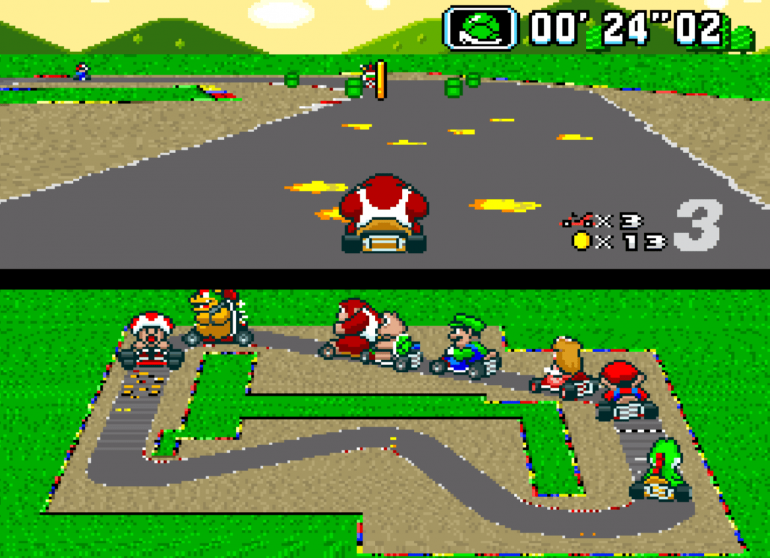
Over the course of 1992, the 16-bit Super Famicom and SNES got nearly 200 games. With help from Intelligent Systems, R&D1 put out Mario Paint, a creative collection of minigames, a simple drawing tool, and a coloring book. EAD delivered Super Mario Kart, the first entry in Mario's racing series. Other studios put out Contra III: The Alien Wars, Top Gear, Teenage Mutant Ninja Turtles IV: Turtles in Time, Super Double Dragon, Another World, Final Fantasy V, and plenty more.
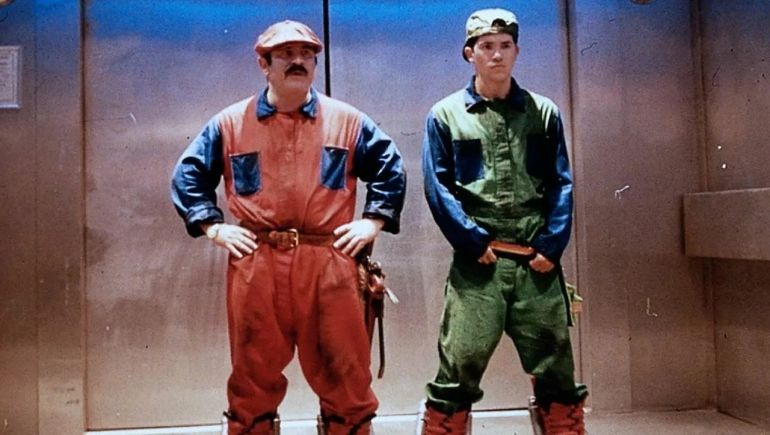
In the late ’80s and early ’90s, the Big N decided to extend its reach to television. Starting in 1989, there were several animated series: Captain N: The Game Master, Super Mario World, and The Adventures of Super Mario Bros. 3. There were also live-action TV shows, The Super Mario Bros. Super Show! and King Koopa's Kool Kartoons. After a few failed attempts, Mario finally made it to the big screen in 1993 thanks to Roland Joffé and Lightmotive. Bob Hoskins played Mario himself, John Leguizamo played Luigi, and the main villain, King Koopa, was played by Dennis Hopper. The movie bombed at the box office, mainly because of its weak story, but it went on to become a cult film.
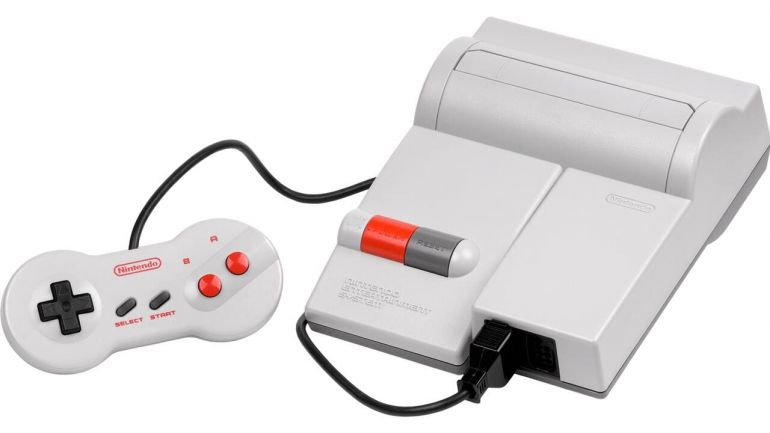
Also in 1993, Nintendo released redesigned versions of its 8-bit consoles under the New-Style name. The American New-Style NES came out first in October, followed by the New Famicom in Japan in December. The two shared a similar design and were smaller, cheaper versions of the original consoles. The redesigned NES stayed in production until 1995, while the new Famicom lasted all the way to 2003.
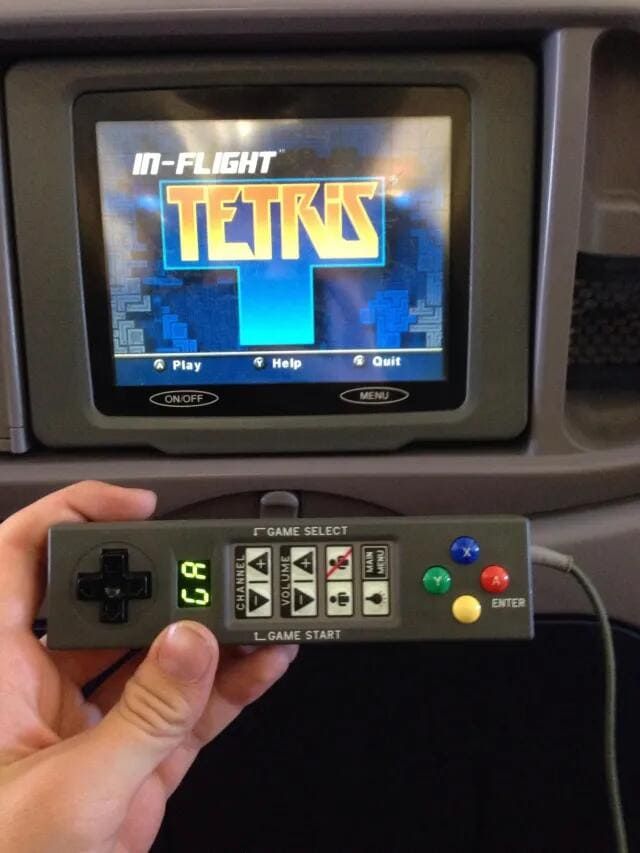
Another Nintendo initiative, this time from its American division, NoA, was an attempt to broaden its reach by partnering with a few international airlines and LodgeNet, an American supplier of hotel entertainment systems. The result was the Nintendo Gateway System, which let people play certain SNES games on airplanes and in hotel rooms. In hotels, it cost $6.95 an hour. The system was later updated for the N64, GameCube, Game Boy, Game Boy Color, and Game Boy Advance.
49 games were available in all
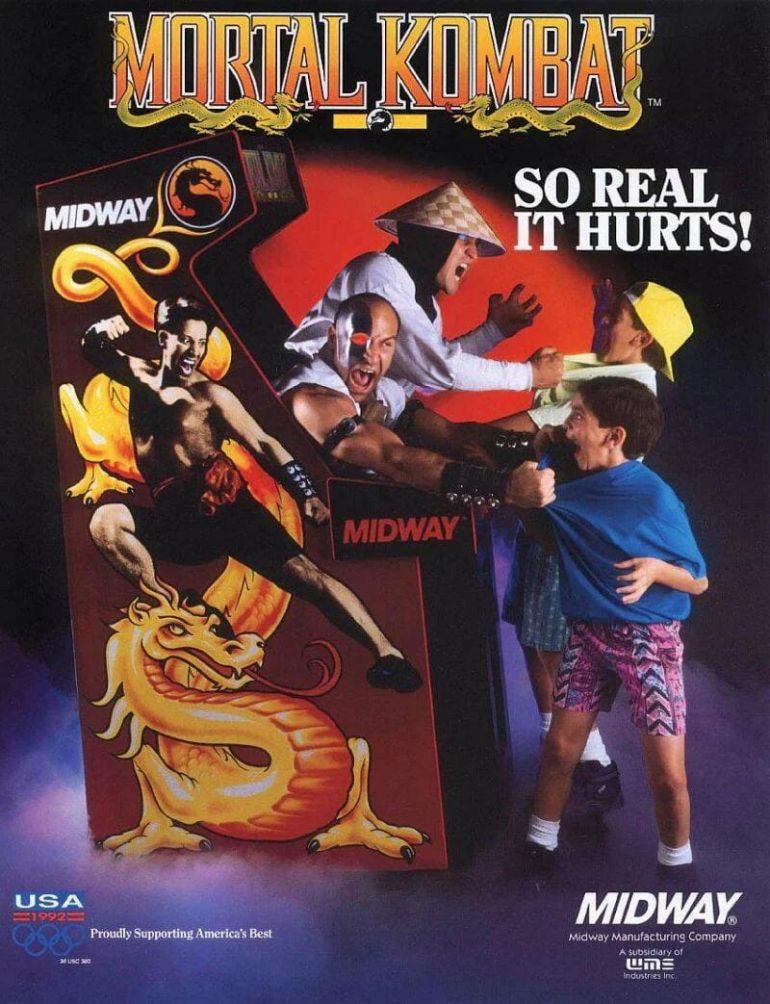
When the bloody Mortal Kombat came out in arcades in 1992 and on home systems in 1993, it set off a chain of events that led to game ratings in the US. Japan already had the EOCS , which had been operating since November 1992. In America, Senators Joseph Lieberman of Connecticut and Herb Kohl of Wisconsin raised the alarm. Both were outraged at MK's violence. Funny enough, the people who had to answer for it weren't at Midway Games or even Acclaim. They were Nintendo of America vice president Howard Lincoln and Sega of America vice president Bill White.
Ethics Organization of Computer Software
Sega defended itself by pointing to its own ratings system, while Nintendo positioned itself as a company for kids. Both said they'd heavily censored their versions of MK for Sega Genesis and SNES. Sega was being a little sneaky, though. A special code, ABACABB, brought back the blood and fatalities.
A series of congressional hearings in 1993 and 1994 led to the founding of the Entertainment Software Rating Board to set and assign ratings for video games and other entertainment software in the US and Canada. Sega readily dropped its own ratings system and adopted the ESRB, as did Nintendo. Funnily enough, for the Big N, adopting the standard gave third-party developers and publishers more freedom by loosening its grip on censorship.
ESRB
It had been a decade since the Famicom launched, and the number of releases for the 8-bit system kept shrinking. In 1993, the Famicom and NES got fewer than 70 games. Third parties gave us Batman Returns, Alien 3, Zen: Intergalactic Ninja, DuckTales 2, Battletoads & Double Dragon, and Chip ’n Dale Rescue Rangers 2. Nintendo's own R&D1 team put out just one release, Joy Mech Fight. EAD also released Mario Bros. Classic, a Europe-only version of Mario Bros. It added cutscenes and improved sprites from the arcade version, a bonus level, and the ability to steer your character in midair. Its friends at HAL Laboratory made a new Kirby game, Kirby's Adventure.
The Game Boy got around 120 games in 1993. EAD released The Legend of Zelda: Link's Awakening, and HAL Laboratory put out Kirby's Pinball Land. Third-party releases included Kid Dracula, Mega Man IV, Megami Tensei Gaiden: Last Bible II, Teenage Mutant Ninja Turtles III: Radical Rescue, DuckTales 2, Zen: Intergalactic Ninja, Darkwing Duck, Battletoads in Ragnarok's World, Joe & Mac, Felix the Cat, Ms. Pac-Man, and even Mortal Kombat.
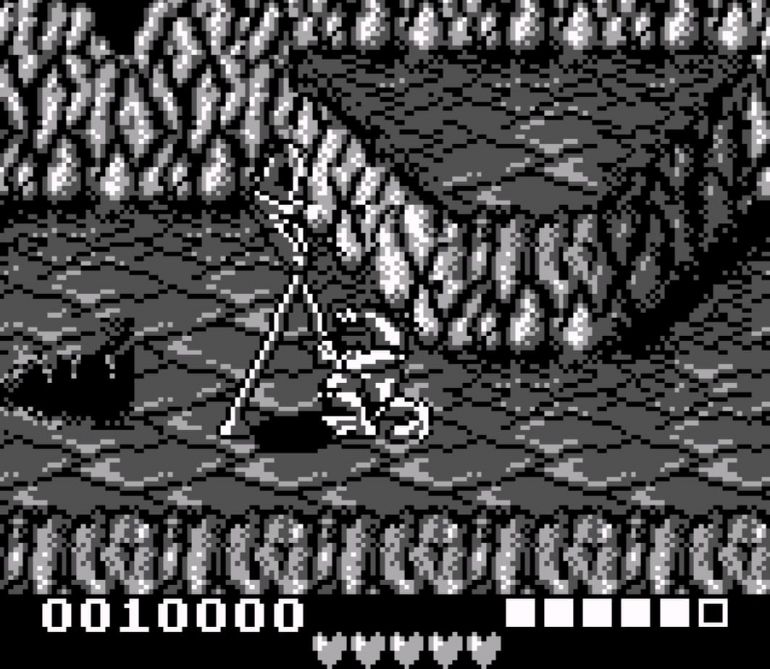
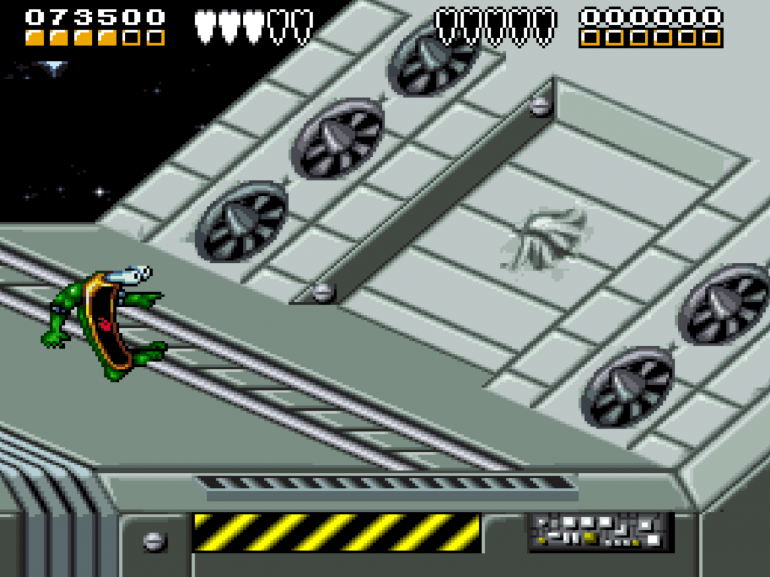
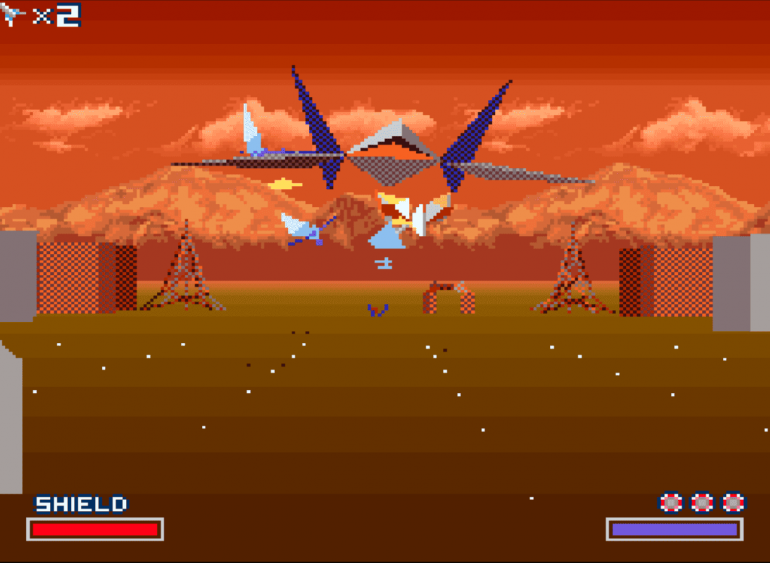
The 16-bit SNES library kept growing, with nearly 300 new games that year. There were Alien vs. Predator and RoboCop Versus The Terminator, MechWarrior and Desert Strike: Return to the Gulf, Final Fight 2 and Fatal Fury 2, ActRaiser 2 and Flashback, The Lost Vikings, Downtown Nekketsu Baseball Monogatari, Top Gear 2, The Terminator, and plenty more. Internal teams EAD and R&D1 produced the Super Mario All-Stars collection, Yoshi's Safari, and Super Scope 6. The clear hit was the fully 3D Star Fox from EAD and Argonaut Software. It was a genuine bestseller that opened the door to 3D worlds on consoles. It made enough money to establish a full-fledged European division, Nintendo of Europe, with change to spare.
Still in 1993, Nintendo spoke publicly about its next-generation console for the first time, at its annual Nintendo trade show, Shoshinkai. It also announced a partnership between Nintendo and Silicon Graphics , who were already working together on the Big N's next machine. The plan was to go straight to 64-bit hardware to take on rival 32-bit consoles of the fifth generation. Early on, the console was code-named Project Reality. It ultimately shipped as the Nintendo 64.
SGI
While Nintendo was busy conquering the world, there were still plenty of places the Big N hadn't reached. Russia was one of them. Nintendo didn't see any business potential there, so domestic companies had to show just how interested young Russians were in video games. One was Steepler. In December 1992, it started selling well-made Taiwanese Famicom clones from TXC Corporation under its own Dendy brand. It built interest ahead of launch with a viral ad on national television that gave no clue what it was advertising.
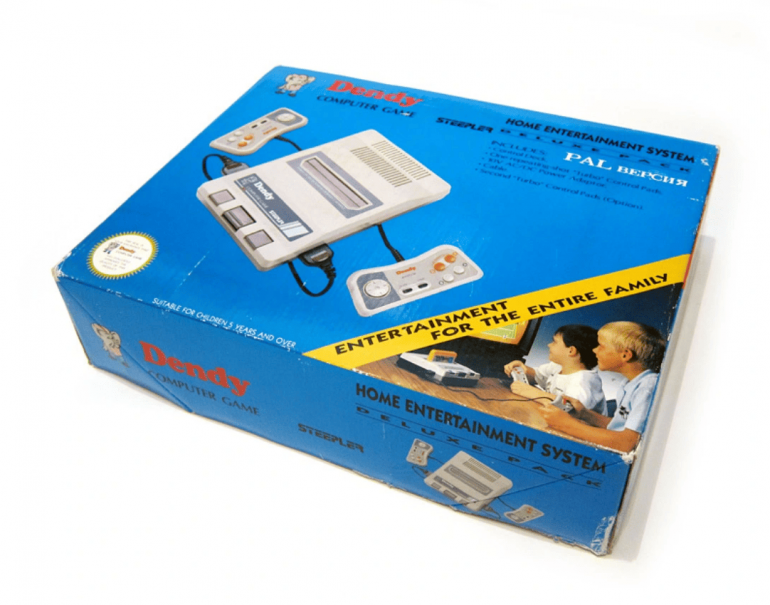
The plan worked anyway and sales took off, despite some confusion over analog color TV standards. Business was booming, and in early 1993 the first branded stores opened in Moscow. Sales were 3,000 consoles a month that winter, and by year's end they had topped 4,000 a day!
the first Dendy units arrived configured for PAL-I instead of SECAM
As soon as Steepler realized the full extent of the video game “disaster” on its hands, it tried to move its gaming business from bootlegs to licensed products. It reached out to Nintendo's German division, but the Russian company was ignored throughout 1993. It finally got through in spring 1994, when Nintendo itself invited Steepler to Seattle. Nintendo of America executives Minoru Arakawa and Howard Lincoln met with Viktor Savyuk, who secured a deal to bring the SNES, Game Boy, and games for both to Russia.
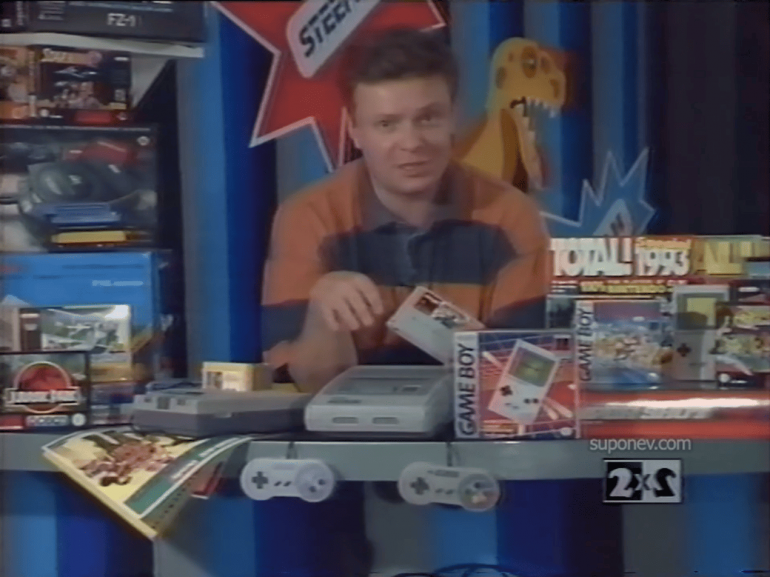
The Big N made some unprecedented concessions. It chose to take no action over the bootleg Dendy and even let sales continue. It also reconsidered its established practice of requiring large orders six months in advance, which was a poor fit for Russia given how much the products cost. All the Big N wanted in return was a complete ban on selling Sega products. Steepler stuck to it at first, right up until sales of the Dendy, SNES, and Game Boy slumped under fierce competition from cheaper Chinese clones.
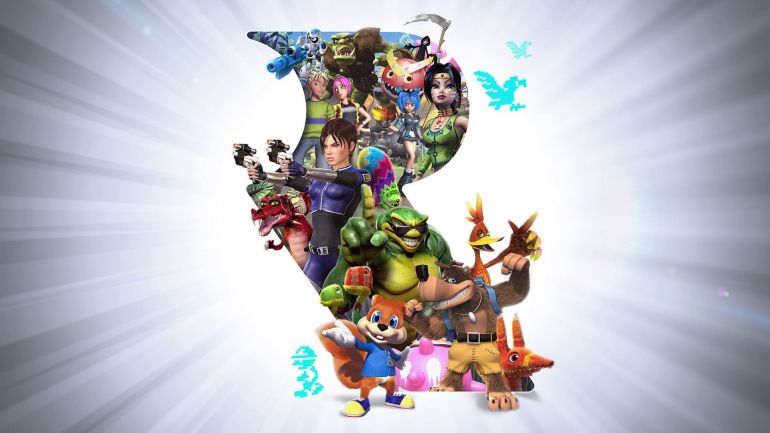
In 1994, after many years, Nintendo finally opened its own Australian division. Its products had previously been distributed by Mattel. Another big development was Nintendo's purchase of a 25% stake in Rare, which it later raised to 49%. The decision came after Rare impressed the company with its graphics work on SGI hardware. The Big N already had a partnership with SGI, too. That's how Rare became one of Nintendo's key developers.
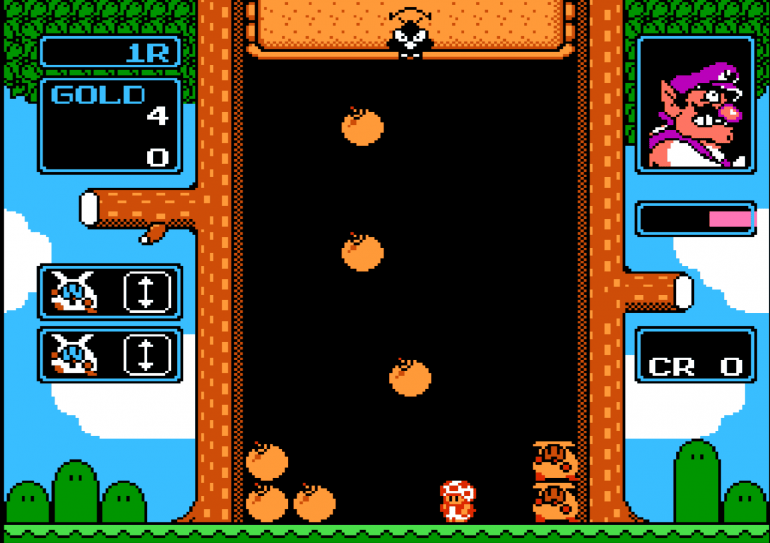
The number of releases for the 8-bit Famicom and NES fell sharply in 1994, barely clearing the first year's total. They were mostly cartoon tie-ins like Beauty and the Beast, The Smurfs, The Jungle Book, and Aladdin. Some were ports from the more powerful SNES. Internal teams R&D1 and R&D3 released two games, the puzzler Wario's Woods and the action-adventure Zoda's Revenge: StarTropics II.
Releases for the Game Boy dipped a little as well, to just under 100 in 1994. There were Contra: The Alien Wars, Mortal Kombat II, Pac-Attack, Mega Man V, Road Rash, RoboCop Versus The Terminator, Mighty Morphin Power Rangers, Space Invaders, and Stargate. Quite a few were US exclusives. Close partners HAL and Rare each put out a game, Adventures of Lolo and Battletoads, respectively. Among the internal teams, R&D1 delivered Wario Land: Super Mario Land 3 and EAD released Donkey Kong. Tetris 2 from R&D1 made it to Japan and Europe after launching in America in December 1993.
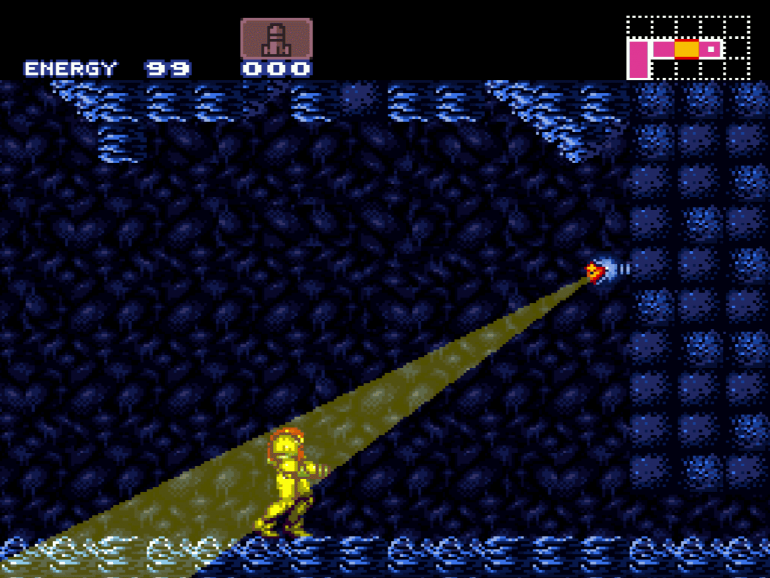
The SNES got 350 games in 1994. The internal R&D1 division released Super Metroid. Nintendo EAD made Stunt Race FX, which, like Star Fox, made full use of the Super FX chip. It then worked with HAL Laboratory on another Kirby game, Kirby's Dream Course. HAL also released EarthBound, or Mother 2: Gyiyg Strikes Back, on its own. Other close partners put out Battletoads in Battlemaniacs from Rare and Fire Emblem: Mystery of the Emblem from Intelligent Systems.
By late 1994, Nintendo's mostly carefree days were over. The first fifth-generation console, the Sega Saturn, came out in November. With Virtua Fighter in the launch lineup, it sold 200,000 units, a respectable result. Just a few weeks later, a new player entered the fray. Sony's first console, the PlayStation, was built around 3D games. Sony was new to the games industry, but its debut drew plenty of excitement thanks to the sheer number of 3D games it promised. On day one, 100,000 consoles went home with buyers. The next stage of the console war was just beginning…
Enjoyed this article? Found it helpful? Support GameSpirit.org and help us create more great content.
Author: Godlike_Goblin for GameSpirit.org


