
Silent Hill f Review
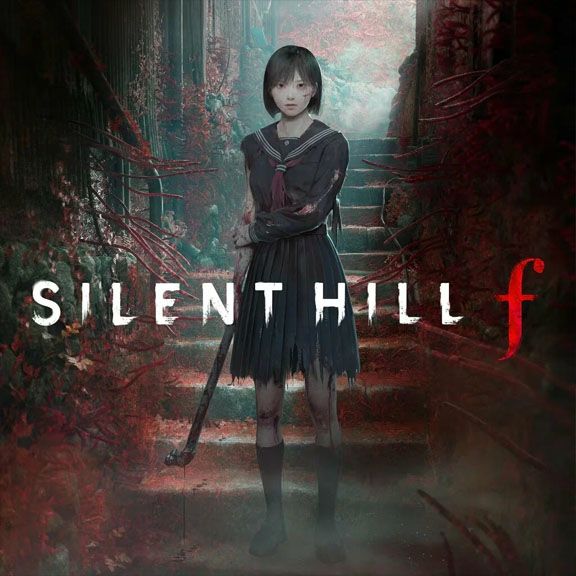
Title: | Silent Hill f |
Developer: | NeoBards Entertainment |
Publisher: | Konami Corporation |
Release: | 16.01.2026 |
When Kojima left and his studio within Konami shut down, the upcoming Silent Hills was canceled and the future of SH disappeared into the fog again, this time for longer. For nearly a decade, fans were fed pachislot machines, merch, and Pyramid Head, who seemed to turn up everywhere. In 2022, Konami finally laid out its vision for Silent Hill's future. After years of stagnation came a whole pile of announcements: The Short Message, f, Townfall, and a remake of Silent Hill 2.
Along with reviving old games, the new vision meant expanding the boundaries of the series. It was time to get farther away from Silent Hill itself, something the series had done before. Part of SH4 took place in Ashfield, and Homecoming visited Shepherd's Glen. Both towns, notably, were close to Silent Hill.

The first sign of the series' new direction was the interactive series Ascension, which ventured outside Maine, with some of the story taking place in Pennsylvania and some in Norway. The next project, The Short Message, took players to Germany, to a town called Kettenstadt. And Silent Hill f, the game we're talking about today, heads to the franchise's birthplace, Japan.
Oddly enough, the Japanese Silent Hill was developed by NeoBards, a studio from Hong Kong. Its track record gave fans some reason to worry. It had mostly done contract work on remakes and ports for Capcom, helped Crystal Dynamics with Marvel’s Avengers, and worked on Resident Evil Resistance and Resident Evil Re:Verse. The rather underwhelming team was bolstered by visual novel writer Ryukishi07 , best known for works such as Higurashi When They Cry.
Ryukishi_07
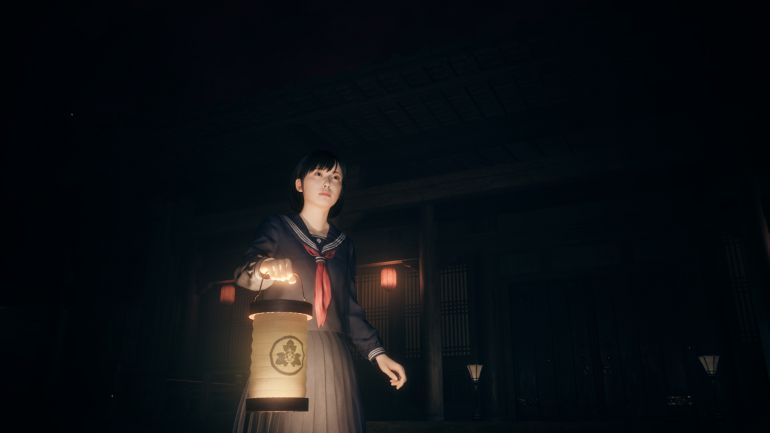
First off, you won't find a single mention of the town of Silent Hill in the story. Silent Hill f takes place in 1960s Japan, in a small village with a name that's a mouthful: Ebisugaoka. As you can imagine, nobody here has ever heard of that foggy American town. The story follows high school student Hinako Shimizu. As in earlier Silent Hill games, the opening gives little away. We meet Hinako as she says goodbye to her sister, whom she's very close to. The reason is ordinary enough. Her sister has married and has to move in with her husband. Hinako is still young and stays with her parents. Her father is a drunk and a tyrant, and her mother puts up with it. Hinako resents them both, and the experience leaves her with plenty of childhood trauma.
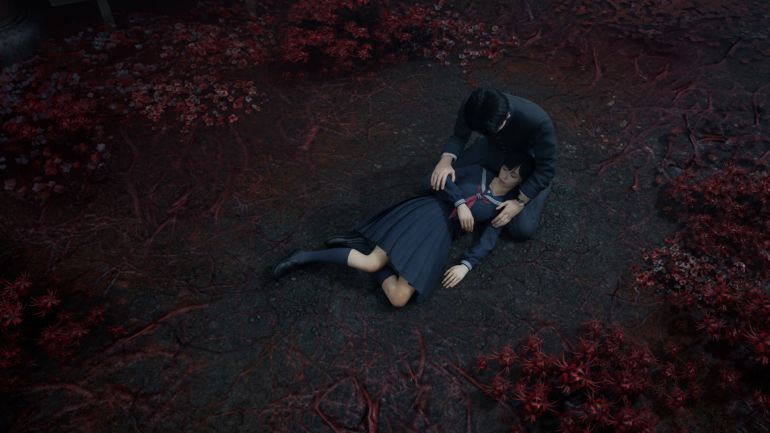
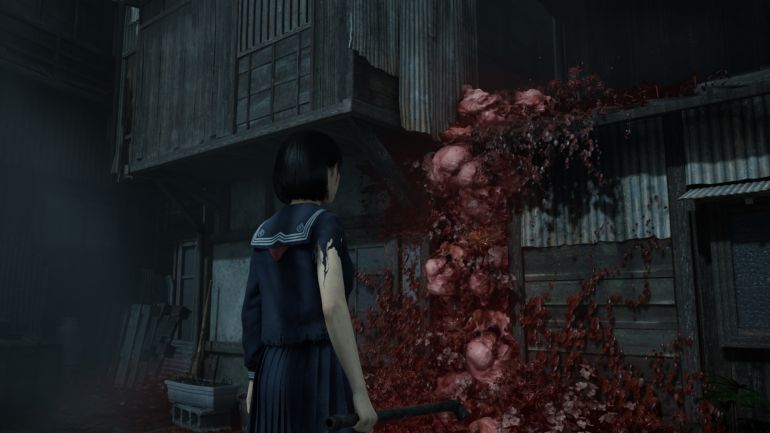
So Silent Hill f runs on roughly the same tracks as the second game. You play someone who's deeply scarred and has to confront her inner conflicts, problems, and fears once the Fog World gives them form. Before that, you get the briefest peek at what passes for the normal world here. In those couple of minutes, we see one of the Shimizu family's arguments. Hinako takes a walk to cool down and meets her friends by the local shop. While they're hanging out, fog settles over the town, and red spider lilies* start blooming everywhere, finding fertile ground in heaps of flesh.
*Lycoris is a genus of flowering plants in the amaryllis family, native to South and East Asia. These scarlet flowers typically bloom around cemeteries near the autumn equinox. Japanese and Chinese translations of the Lotus Sutra describe them as frightening flowers that grow in Diyu or Huangquan and guide the dead to their next reincarnation.
the afterlife or hell
Chinese: 黄泉, ‘the other world’
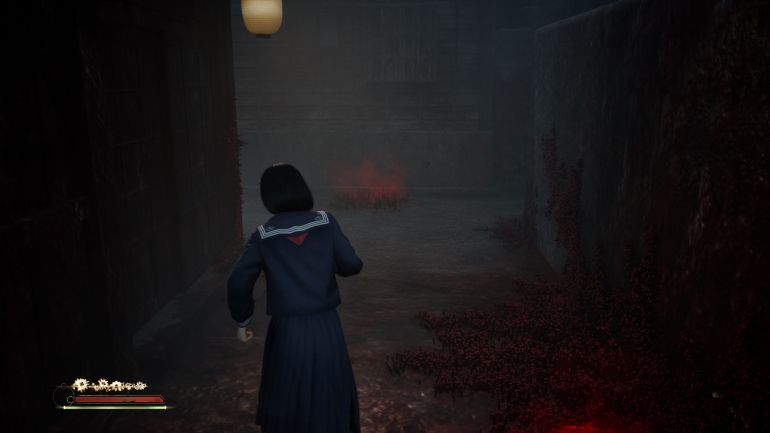
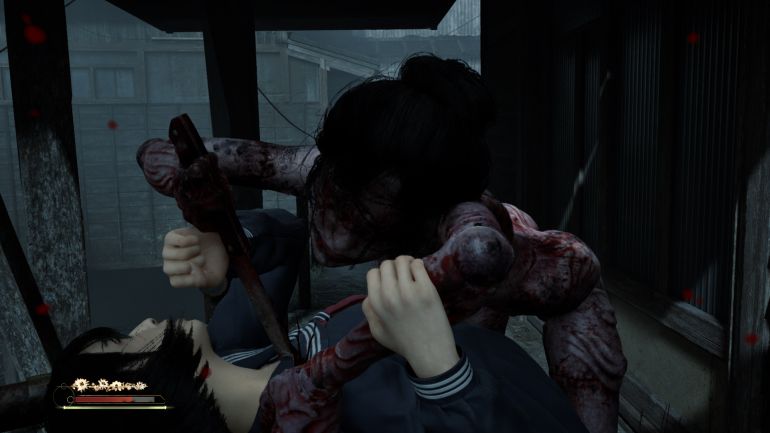
One of Hinako's friends dies right away and the teenagers scatter. In the chaos, Hinako loses sight of her friends and runs into her first monster. That's where we run into the game's symbolism, too. Like earlier entries, this one deals in personal nightmares. The enemies reflect Hinako's inner fears and troubles. In Silent Hill 2 , each character saw something different. In f, as in the original, the whole nightmare is Hinako's projection, and it affects everyone. We don't know exactly what monsters the other characters see, though. And of course the game plays with the idea that the monsters could just be people as Hinako sees them.
and some other entries in the series
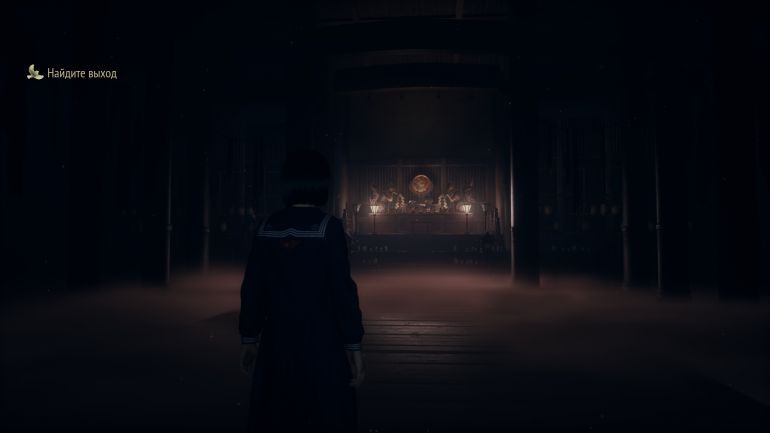
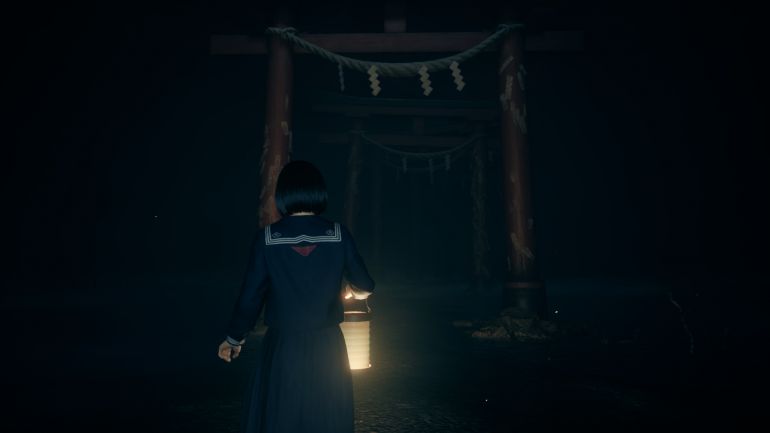
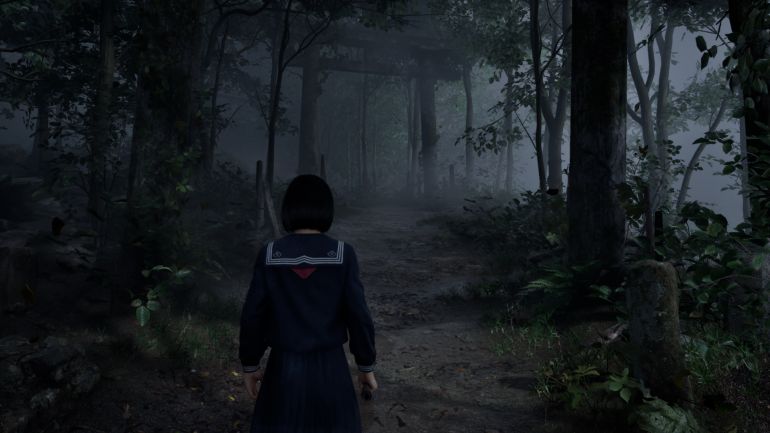
Atmosphere-wise, Silent Hill f fits right in. The horror comes from a slow build of dread through the overall mood, without leaning on jump scares. It's psychological horror, achieved through the environments, sound, monsters, and so on. There are a few caveats. The concept of the Otherworld, for instance, has changed completely. In place of the usual grotesque, ruined reflection of the real world, all blood and rust, there's an entirely new, mysterious realm of ancient shrines with just as much fog. You get a guide there, too, a man in a fox mask.
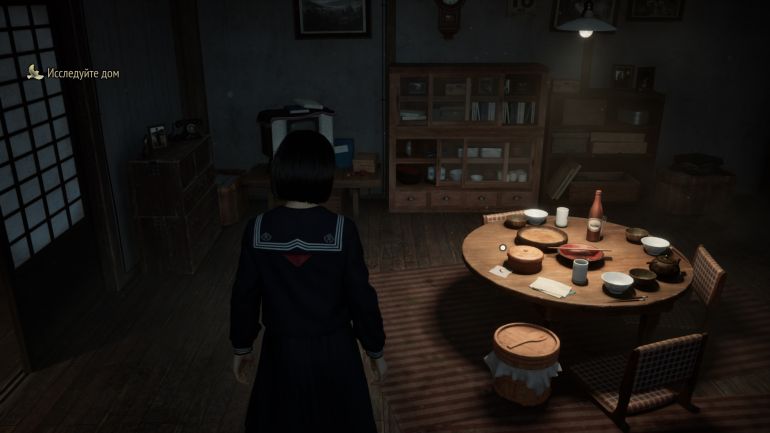
Silent Hill f also has something the other entries can't boast about: Hinako's beautiful in-game journal. It holds the notes you find and Hinako's own thoughts about the village and the people she knows. You'll even find her thoughts on puzzles and information about monsters she's encountered. The illustrations are wonderfully atmospheric. As you play, entries can change as well as grow, reflecting what Hinako goes through over the course of the game. The map is just as beautifully presented, with annotations and drawings appearing as you go.
The core gameplay in f is pretty standard for the series and for survival horror in general. For one thing, you'll explore as the story progresses. There are plenty of optional corners where you might find something useful. In typical Silent Hill fashion, there are lots of puzzles, from simple logic problems to real head-scratchers. They're well thought out and carefully worked into the story and surroundings. You'll need an eye for detail and a willingness to look at every possible clue.
The first half leans heavily into survival horror, while the second shifts toward action. That's a bit of a departure, nudging the game closer to Silent Hill's main horror rival, Resident Evil. It doesn't do the game any favors, especially given that the series has never been known for sensible combat and there are no firearms here. The setting explains that well enough. Boomsticks weren't easy to come by in postwar Japan.
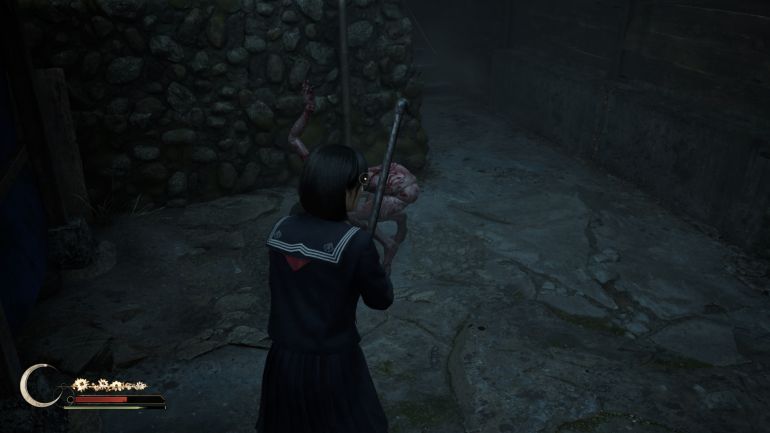
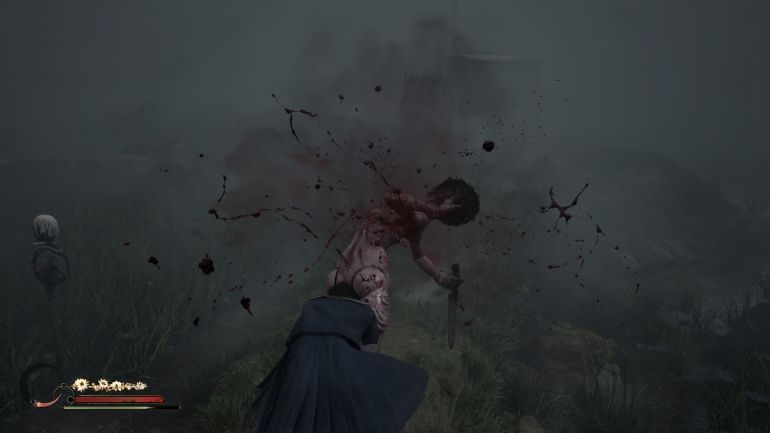
Combat in Silent Hill f is a real grab bag. Weapons break with use, like in SH4. Luckily, you can carry up to three and patch them up with repair kits. If everything breaks, though, you can't fight back. You'll have to run. That's where dodging helps, a little like it did in Homecoming. In the new Silent Hill, Hinako can dash out of the way of attacks. At least there are no dodge rolls, or the game would've caught even more flak for feeling like a Soulslike.
The resemblance to the leading action RPG series is already pretty clear. First, there are light and heavy attacks. Second, there's a stamina bar. Keep an eye on it, because if it runs out, you can't attack or run away. Third, you can counter enemies, which makes fights considerably easier. Sometimes a creature freezes just before it strikes and a glitch effect appears around it. Hit attack in that moment and Hinako lands a powerful blow that staggers it.
Souls
Sanity and Focus are another pair of additions, and they're tied together. The floral Sanity gauge sits above the health bar. It drains when monsters deal psychological damage and at certain points in the Otherworld. Once Sanity runs out, Hinako starts taking damage. You can also spend it on Focus for stronger attacks and a longer counter window.
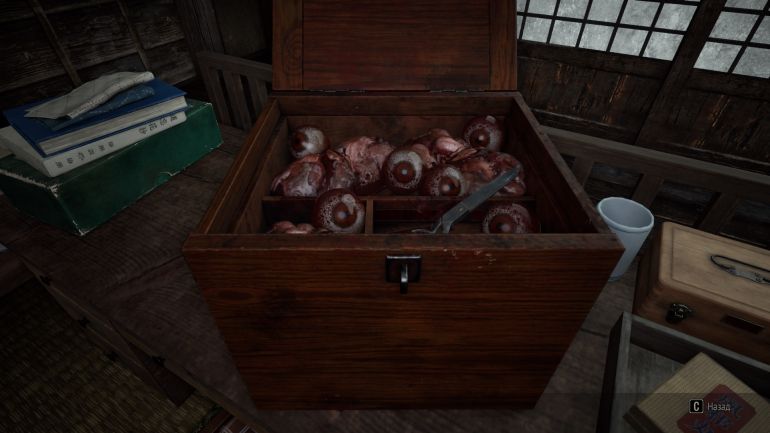
The biggest surprise was the addition of a character upgrade system and a simple economy. Both work through the save points, Hokora*. There you can raise your maximum health, stamina, and Sanity with Faith, the local currency. Earn it by making offerings at Hokora, giving up snacks or special religious items like dried frogs.
You can also strengthen Hinako with Omamori charms. They give you all sorts of perks, from faster Focus Attack charging to bonuses to your core stats . Upgrading Hinako increases how many charms she can wear. You can find new Omamori as you play or buy them at shrines, though the one you get is random.
health and the like
*A hokora or hokura is a miniature Shinto shrine that may stand on the grounds of a larger shrine or on its own.
祠 or 神庫
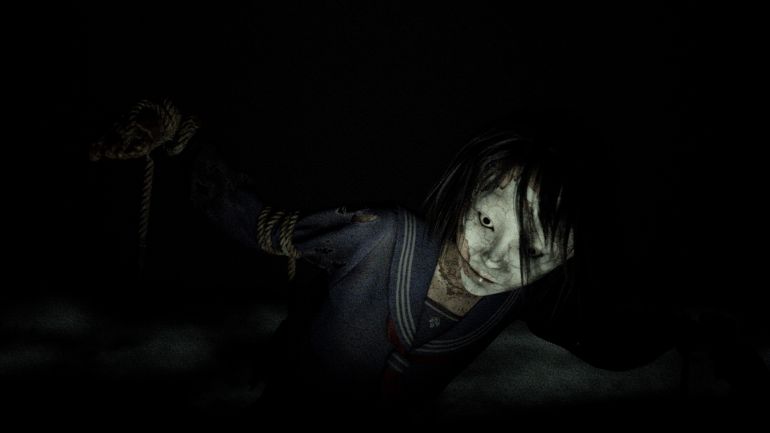
The inventory system got an overhaul, too. Space is limited, and you don't get an infinite item box like in Resident Evil. This only applies to consumables and items you can sell. That includes pills, bandages, drinks, sweets, snacks for restoring Sanity or boosting stamina, and plenty more. There are also lots of items only useful as offerings. Story items have no limit. If you need room for something new, you'll have to use or discard whatever consumable is in the way.
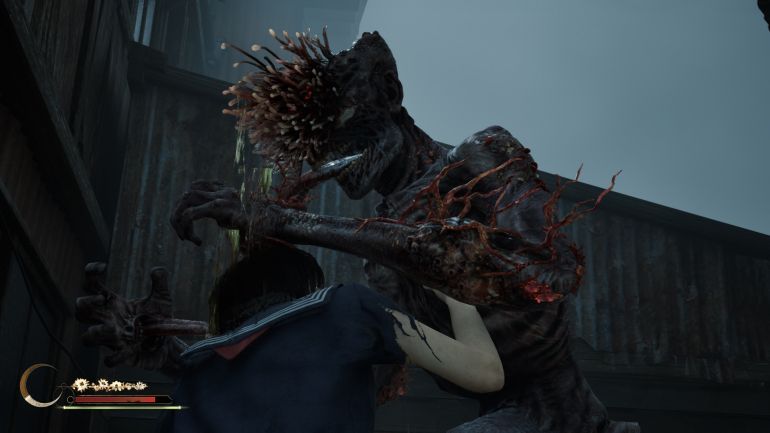
Visually, Silent Hill fis easily one of 2025's most striking games. Comparing it with the rest of the series, whose last major game came out way back in 2012, feels a little silly. Ebisugaoka has plenty of atmosphere and feels convincingly isolated, which is ideal for a Silent Hill game. It's certainly interesting to explore. This take on the Fog World departs from series tradition, yet it manages to blend the grotesque and the beautiful remarkably well. The village gradually gets overgrown with strange fleshy matter tangled with red flowers. The monsters look incredible, beautiful even, and still manage to scare you.
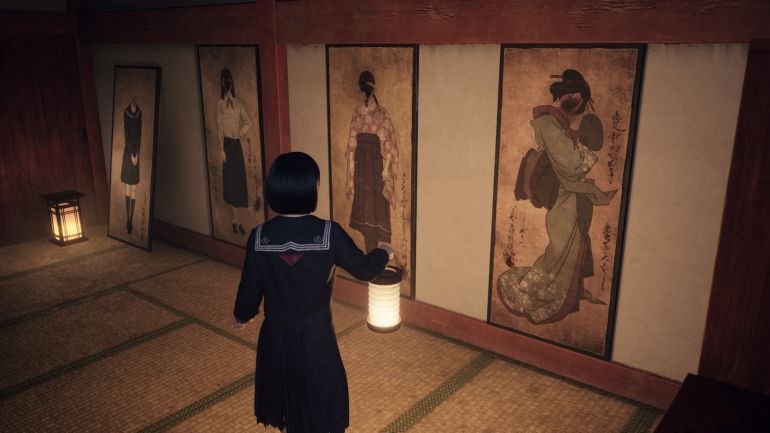
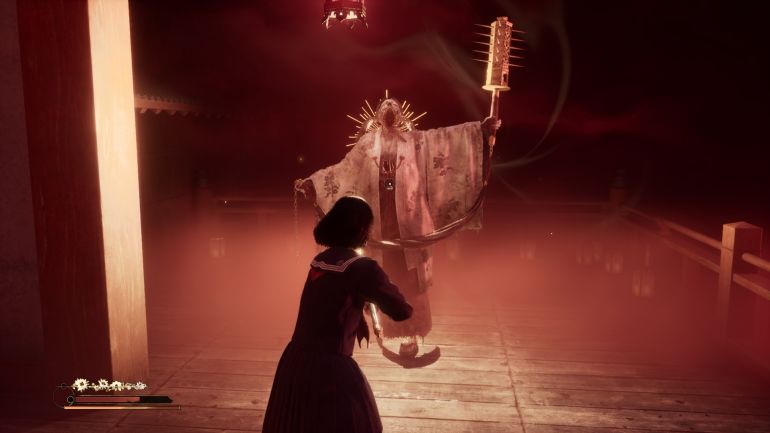
Like the visuals, the sound design in Silent Hill fis among the best in SH. Credit goes to the duo of series mainstay Akira Yamaoka and Kensuke Inage, who worked on music for Tekken 8 and Samurai Shodown. Yamaoka's faint, unsettling themes, played on traditional Japanese instruments, are heard in the Fog World. Inage handles the sound of the Otherworld. Two industry titans created sharply different moods, and the soundtrack is just about perfect.
Technically, things aren't so rosy. Performance is the first problem. At launch, it was so bad that even high-end rigs wouldn't run the game without a few workarounds. f also suffers from frame rate drops, brief freezes, and stutters, especially when entering or leaving buildings. There are minor character animation hiccups and collision issues. And the series' signature feature, the fog, was far more interesting in Bloober's Silent Hill 2 remake.
Silent Hill f is practically made for endless arguments about whether it's really Silent Hill. Here's how we see it. Give it another name and you could have the start of a pretty good new survival horror series, one people would inevitably compare with SH and set against it. Set those comparisons aside for a second and fis an excellent horror game with a gripping story and thick atmosphere.
Enjoyed this article? Found it helpful? Support GameSpirit.org and help us create more great content.
Author: Godlike_Goblin for GameSpirit.org


