
Siberian Way Review
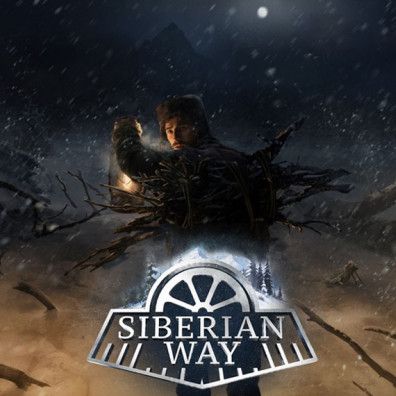
Title: | Siberian Way |
Developer: | RootGame |
Publisher: | RootGame |
Release: | 15.05.2025 |
Visual novels are a genre all their own, mixing literature, art in a distinctive style, and a degree of interactivity. They invite players to read a story and take an active part in it. The genre started in Japan, but long ago crossed its borders and won millions of fans around the world. Russia is no exception. Lately, homegrown visual novels have been coming out at a steady clip.
One of them, Siberian Way, or “Siberian Journey,” came out in March 2025. It's the first game from Bishkek-based RootGame. When it was announced, we were promised a detective thriller with a branching story and choices that carry consequences. What did we get? Let's take a look.
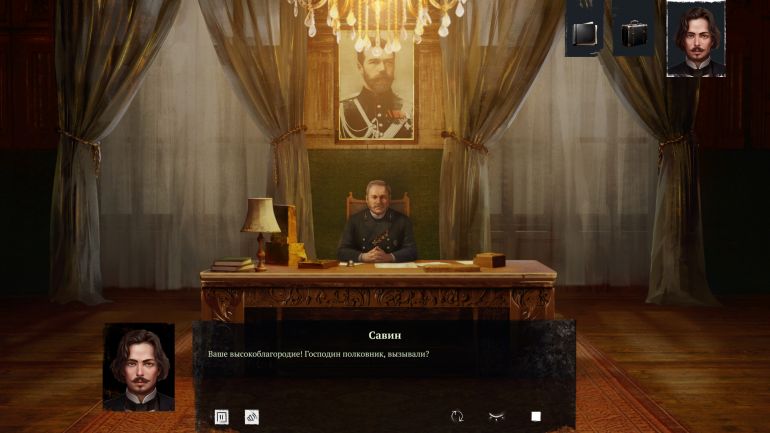
Before getting into the game, it's worth noting that its story was written by a published author, Alexander Lons. He's written around 30 books and works mostly in speculative fiction. This was his first time doing anything like this. Lons didn't write the script itself. He wrote the novella that formed the basis for the game's story, and the writers at RootGame took it from there.
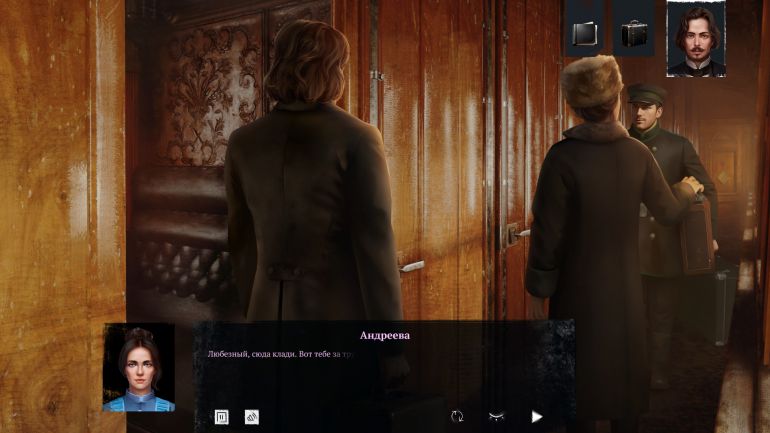
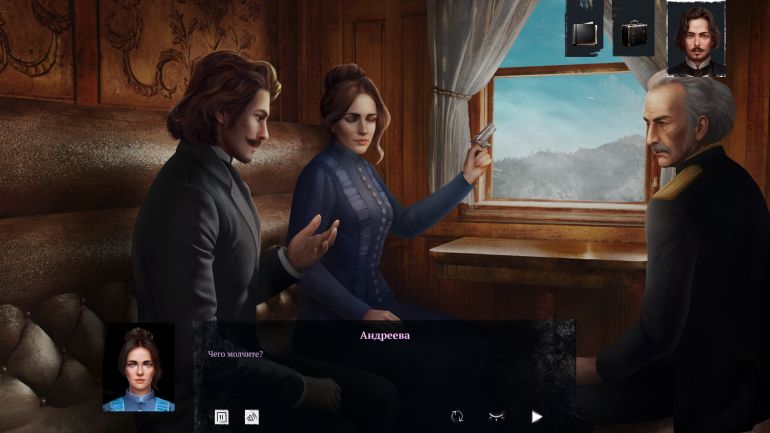
Siberian Way takes place at the end of the 19th century. A string of mysterious deaths at one of the construction sites along the Trans-Siberian Railway has scared the hell out of everyone from laborers to engineers. The man sent to investigate is Ilya Savin, an official on special assignment from St. Petersburg itself! His first stop on the way to the crime scene is Krasnoyarsk. There he's joined by local investigator Rakhnov, police physician Klimov, and reporter Andreyeva, who also happens to be the local general's daughter.
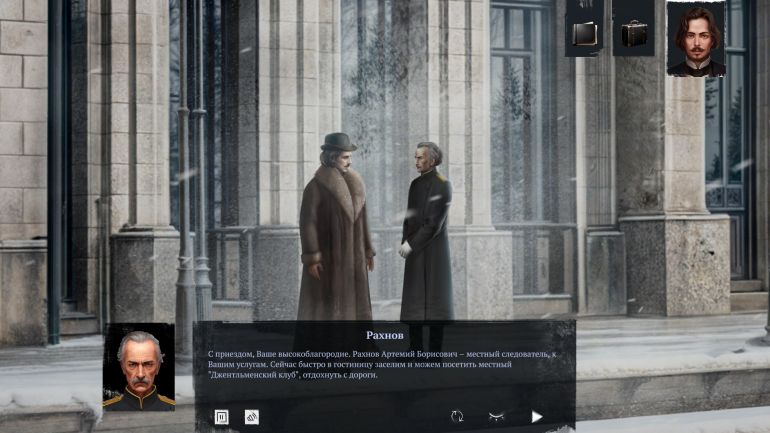
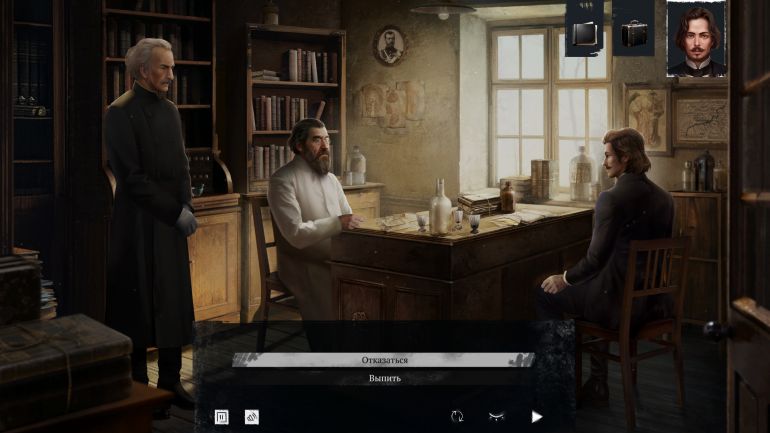
The group takes a train from Krasnoyarsk to the construction site and gets swept up in a tangle of eerie happenings, secrets, superstitions, and local tales. To make matters worse, the killings keep happening after they arrive. What happens next is up to you and the choices you make.
In terms of gameplay, Siberian Way is an adventure visual novel with a branching story. Every so often, you'll choose what the protagonist says and make decisions on his behalf. Those choices affect what happens next and how the supporting cast feels about him, which in turn also changes how the story unfolds.
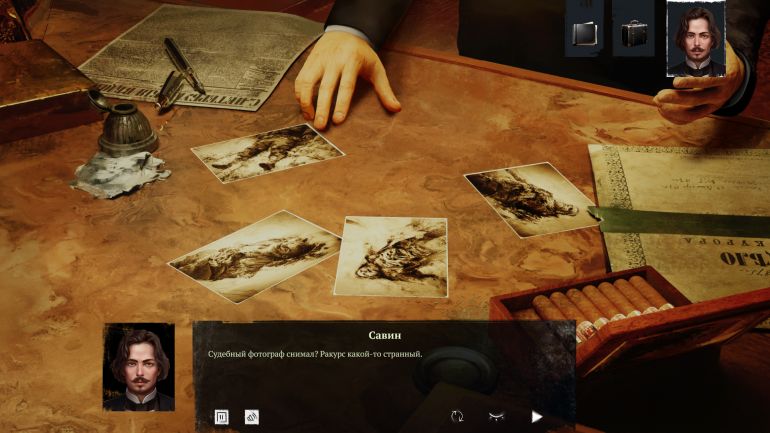
When one door closes, another can open. Your decisions sometimes determine whether you see or miss fairly substantial chunks of the story. Right at the start, for instance, Savin's superior shows him a few photographs of the murder victims. You can leave them behind or take them with you. Take them and you'll get to talk to the police photographer. Leave them and you'll miss that scene.
To its credit, Siberian Way is easily one of the most extensively branching visual novels out there right now. There are 11 endings in all. And what's especially interesting is that your journey through Siberian Way can often be cut short by the protagonist's death.
among homegrown releases
Funny enough, Savin's deaths and the fact that only a couple of paths lead to a proper ending are the biggest problems with Siberian Way. He can die in all sorts of situations, some of which leave you with practically no other option. The autosave system also behaves strangely. Put those things together and you'll sometimes get killed and have to start from scratch because there was no save, it was made past a point of no return, or it dates all the way back to the start. Replaying happens often enough to get irritating.
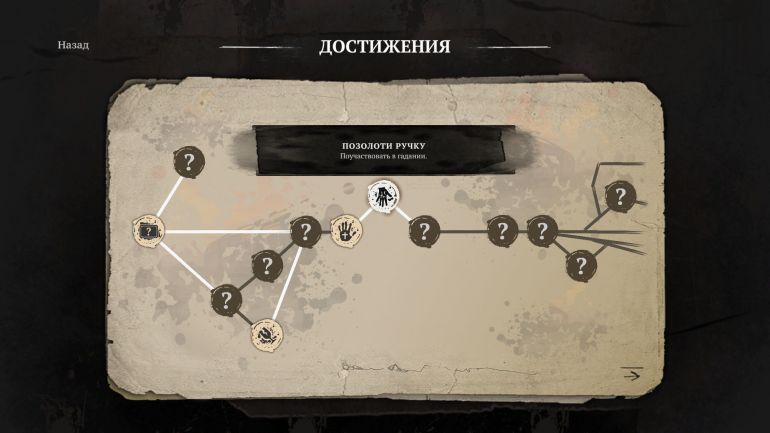
An update made things a little easier by adding in-game achievements. They let you see some of the story branches and get at least a rough idea of how the nonlinear structure works. They also tell you how many endings and Savin deaths you've unlocked and how many scenes you still have to see.
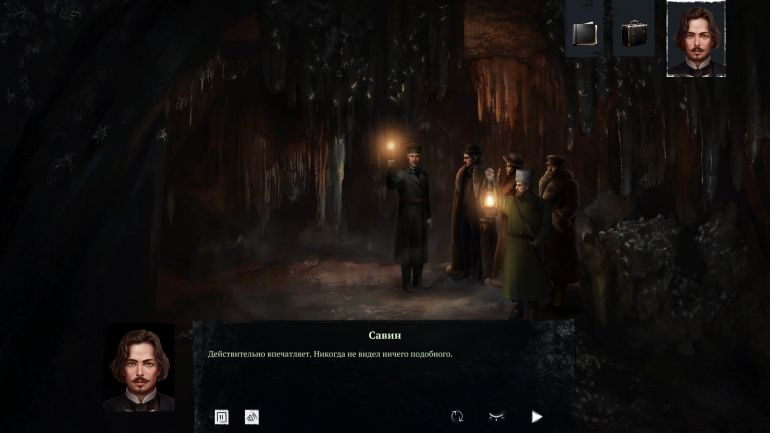
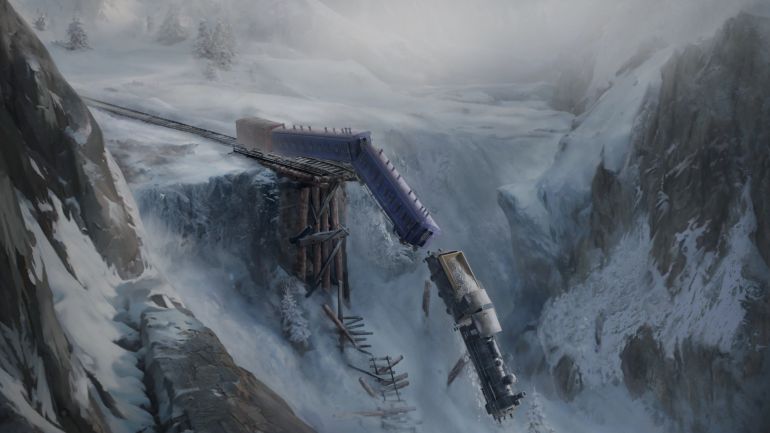
Other mechanics raise questions, too, including Savin's relationships with the supporting cast. You can spend the whole game carefully earning someone's trust, only to undo it all with one bad decision at the end. And once again, that can get Savin killed and leave you replaying the game.
The inventory in Siberian Way also feels like it was added to check a box. You can look at the items and examine them, but the game uses them automatically when the situation calls for it. The game would hardly lose anything without it.
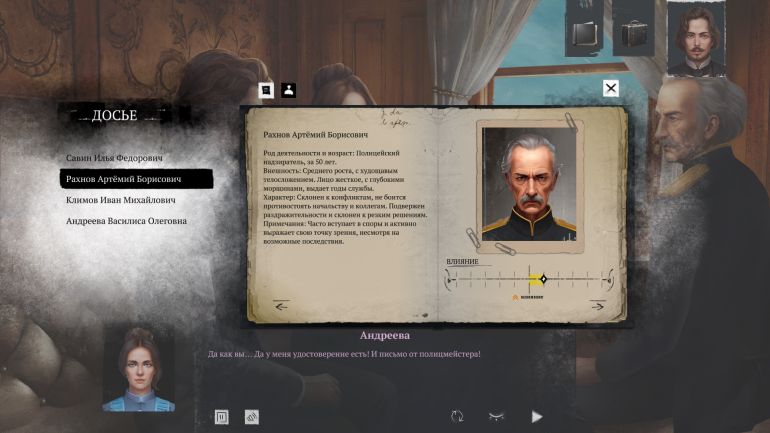

Savin also has a journal that records events and people he meets. You can use it to track how the other characters feel about him. It has its own problems, though. For some reason, a few characters never make it into the journal.
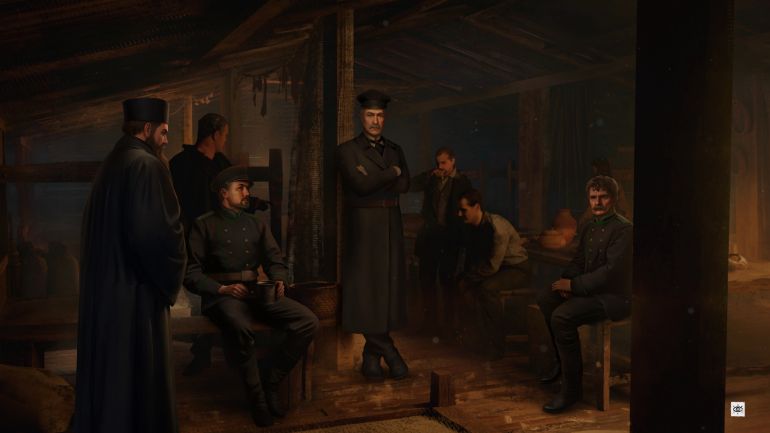
Technically, Siberian Way is in decent shape. It's a good-looking game. There are plenty of varied backgrounds, the art is pleasant, and the characters are interesting. There are a few rough spots, but it looks good overall. The visuals also leave you with the feeling that some AI was involved. The developers are upfront about that. They say some of the work was done with AI, then finished by artists. The audio is excellent. The music is pleasant, and all the dialogue is fully voiced. The one place I missed the voice acting was at the end, where the game briefly tells you what happened to the characters afterward.
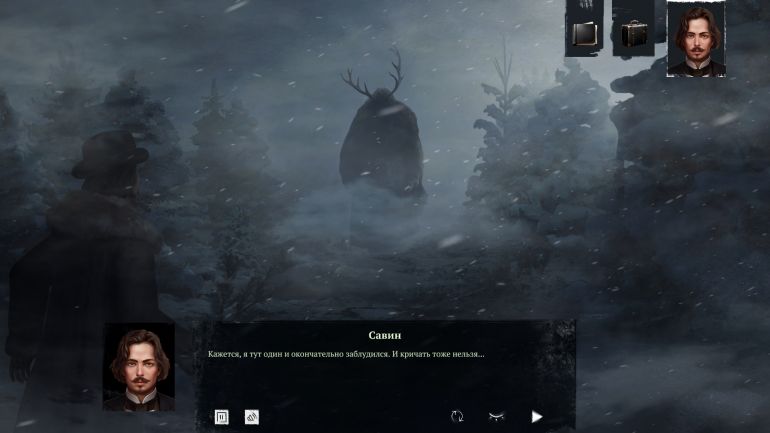
Most of the issues with Siberian Way are little things. A character wears something different from what they're talking about. On rare occasions, the text and the image disagree. Letters in the dialogue box run behind the character portraits. An image starts jerking around in a cutscene.
All those little flaws make it hard to call Siberian Way outstanding, but it's easily a worthwhile game. The story and branching paths hook you early, and the voiced dialogue and rural pre-revolutionary Russian setting keep you interested. There are issues, sure, but they're mostly minor and don't always get in the way. If you like visual novels, we recommend giving Siberian Way a look.
Enjoyed this article? Found it helpful? Support GameSpirit.org and help us create more great content.
Author: Godlike_Goblin for GameSpirit.org


