
Post Trauma Review
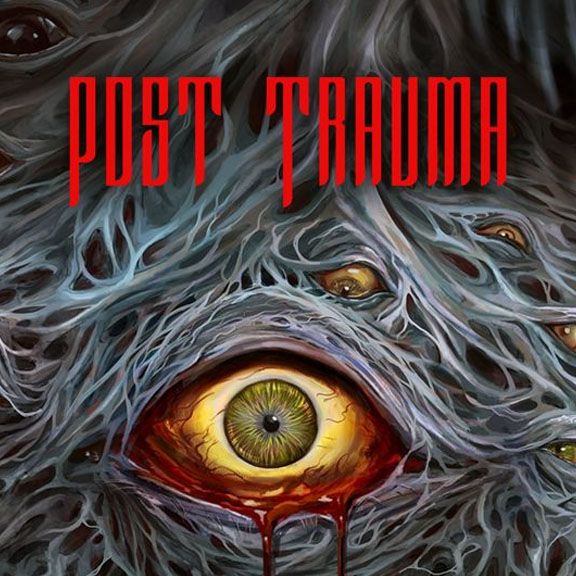
Title: | Post Trauma |
Developer: | Red Soul Games |
Publisher: | Raw Fury |
Release: | 22.04.2025 |
The accessibility of today’s gaming industry has let a huge number of people break into game development. That, in turn, has produced a flood of games paying tribute to legendary titles from the past. Survival horror is one of the most crowded corners of that market. With so many games around, most obviously aren’t worth your time, but something worthwhile does turn up now and then.
One of those games is Post Trauma, which began as the work of one man, Roberto Serra, who shared his first ideas and screenshots on the Unreal Engine forums. That was in 2020. By 2021, the game had its first demo and a Steam page, and the development team had grown a little. A year later, it had a publisher, the Swedish company Raw Fury. Release was scheduled for the first half of 2024, but the team missed that window and moved it to the fall. It then slipped to early 2025, followed by one last delay to March.
From its very first unsettling minutes, Post Trauma makes no secret of what it is. This is a game inspired by classic old-school horror, immersing you in an anxious atmosphere. Expect a fixed camera, character controls that aren’t especially responsive, tense fights, demanding puzzles, and the spirit of the PlayStation 2 era.
At the center of Post Trauma’s story is a middle-aged man named Roman, whose entire appearance suggests he’s hardly the heroic type. He works as a subway conductor and suffers from recurring panic attacks. One of those attacks strikes just before the game begins. Roman wakes up in a strange parallel world with the simple, tasteful name Gloom. It’s a sort of purgatory shaped by the protagonist’s guilt and trauma.
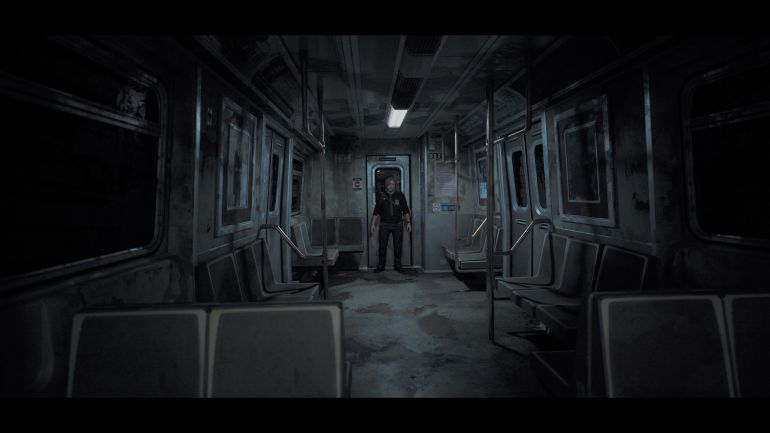
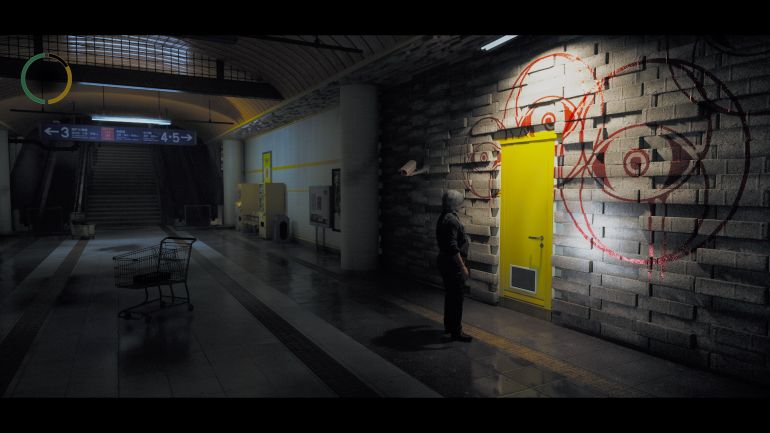
Other characters soon become entangled in Roman’s story, each with problems of their own. You even get to play as some of them. One is Carlos, a sadistic cop whose sections switch to a first-person view. Another is Freya, a schoolgirl who communicates exclusively through her phone. Both characters’ segments feature no combat. That certainly adds variety, but the problem is that these characters only appear briefly and disappear before they can be properly developed. And since the game isn’t particularly long, their sections take a substantial bite out of Roman’s story.
The first thing to note about Post Trauma’s gameplay is that it brings nothing new to the genre. Absolutely nothing. Everything here has been done dozens of times, including both the genre’s strengths and its weaknesses. At heart, it’s more of a horror adventure with interesting puzzles than classic survival horror. You spend most of your time exploring creepy, often surreal locations and solving puzzles to move forward. Leaving players without any kind of journal for recording important information was a very strange decision. Still, it encourages you to take your own notes, which can do quite a bit for the atmosphere. Whether that approach suits you is another question.
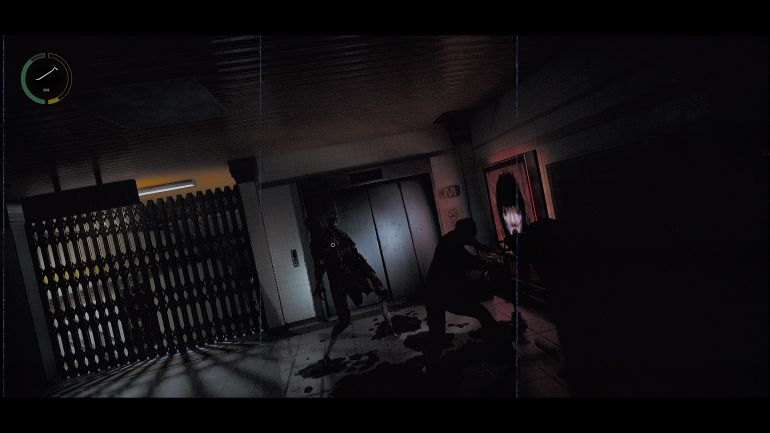
Taking notes and keeping track of information also comes in handy when solving the puzzles. After all, who knows when you might need the time displayed on a broken clock? Most of Post Trauma’s puzzles are genuinely good. They gradually get harder as you progress. The puzzles are challenging but logical, requiring thorough exploration, close attention, and careful thought. There are simple combination locks too, of course.
Post Trauma’s weakest element is its combat. Roman can use both melee weapons and firearms, but fights generally feel clumsy and offer little enjoyment. First, dodging is unreliable and doesn’t always work as intended. Second, the AI is extremely basic, and monsters frequently get stuck. Third, enemy variety is limited, and the monsters add almost nothing new to the gameplay.
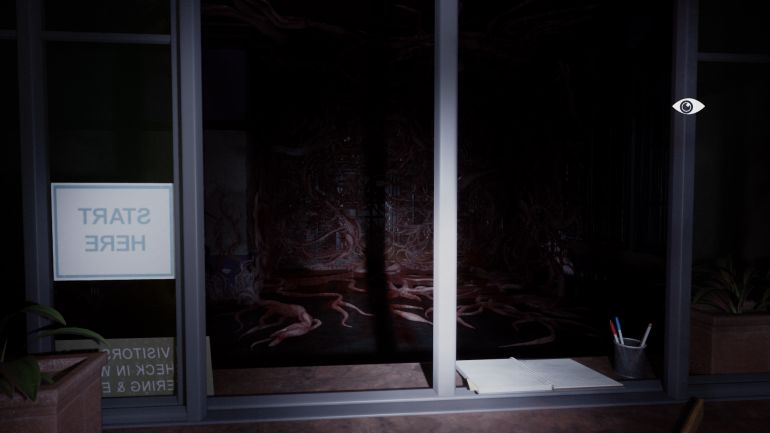
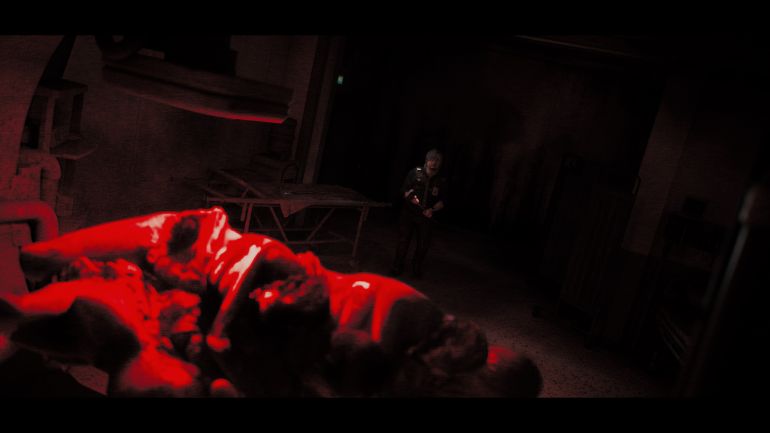
Often, if you have the option to avoid a fight, it’s better and easier to do exactly that, simply running past enemies. And when playing as the other characters, you won’t have to fight anyone at all. Boss fights fare no better. Only one boss has a fully developed, unique mechanic, making its encounter feel more like another puzzle than a fierce battle. Overall, though, everything described above is a fairly common problem for this kind of game. People don’t love Silent Hill for its excellent combat either.
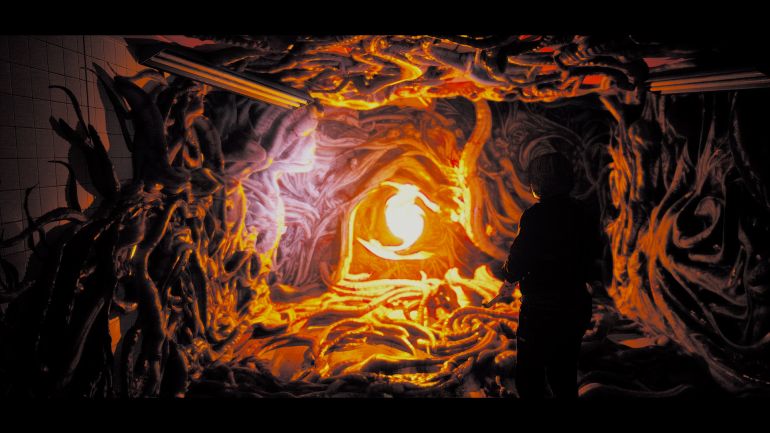
Post Trauma’s visuals, styled after a bygone VHS aesthetic, deserve nothing but praise. The whole lo-fi look, with its film grain, rich lighting, and visual interference, does an excellent job of creating an unsettling atmosphere. Fixed camera angles pay tribute to games like Silent Hill and Resident Evil while skillfully sustaining tension throughout.
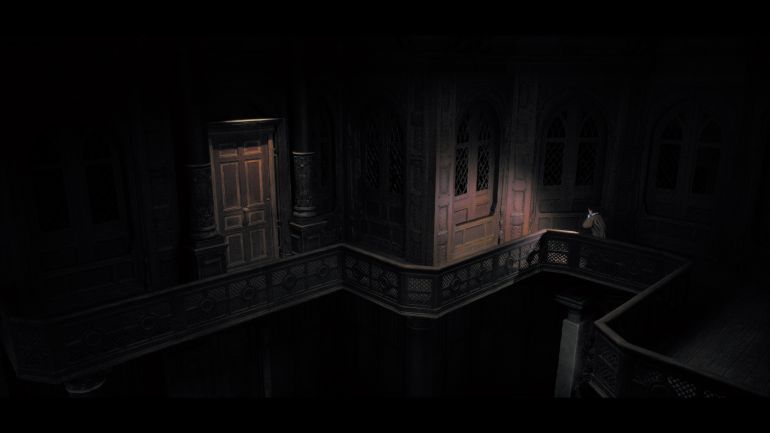
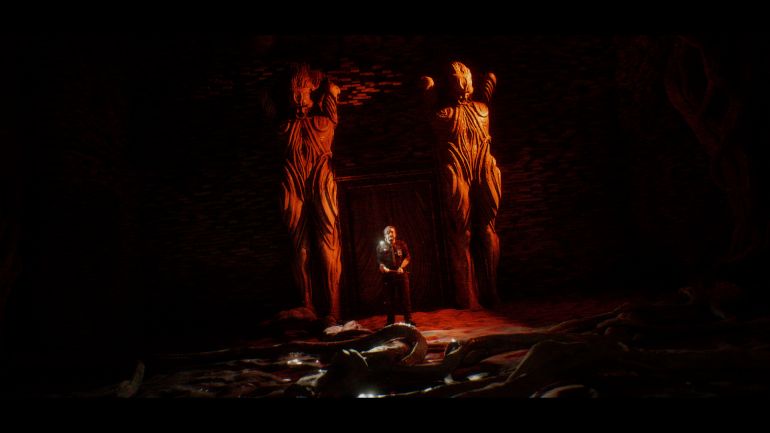
Overall, the game runs reliably, with no serious crashes or bugs. Occasionally, though, some loading screens last unusually long, which can be misleading and prompt a hasty response. Both character and monster animations also look clumsy and stiff.
The sound design and music are of a high standard, beautifully complementing the excellent visual style and fitting perfectly into the game’s world. At times, the music and sound even echo Akira Yamaoka’s masterpieces from that horror series about a foggy little town. The only audio element that lets things down a little is the rather unexpressive voice acting.
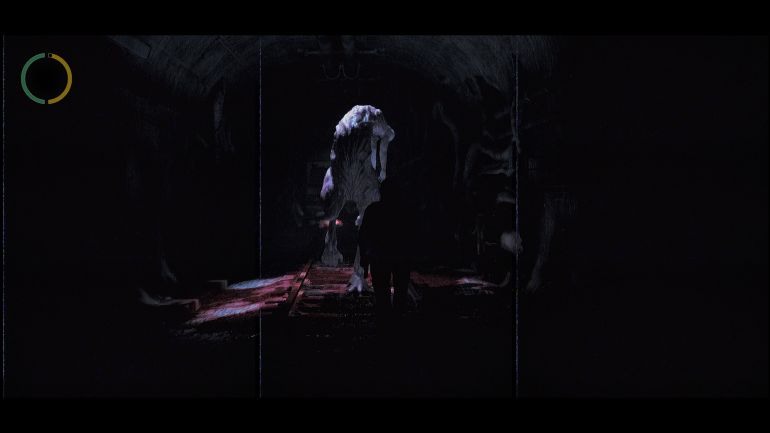
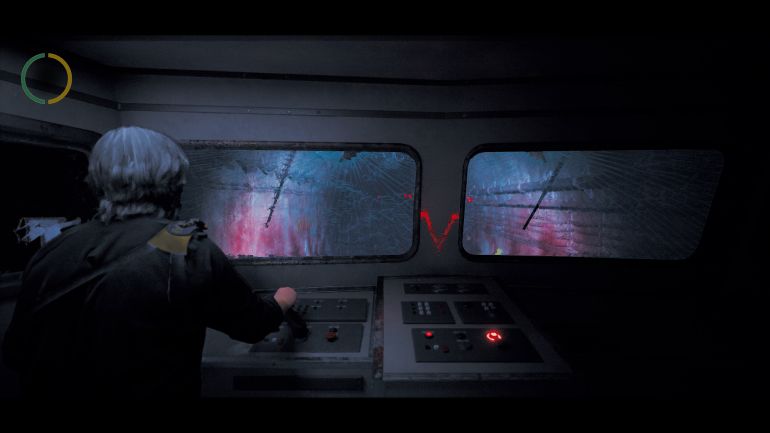
Post Trauma is a sincere love letter to the classic horror games of the PS2 era. Its creators have built a fairly convincing world that feels dark and oppressive. The combat is imperfect and the storytelling falters, but strong puzzles and a deep atmosphere make up for it. If you’re a fan of classic horror, this is one you should certainly check out. Fortunately, it won’t demand much of your time or money. Bear in mind that there’s no official Russian localization, though finding a translation shouldn’t be much of a problem.
Enjoyed this article? Found it helpful? Support GameSpirit.org and help us create more great content.
Author: Godlike_Goblin for GameSpirit.org


