
One-Eyed Likho Review
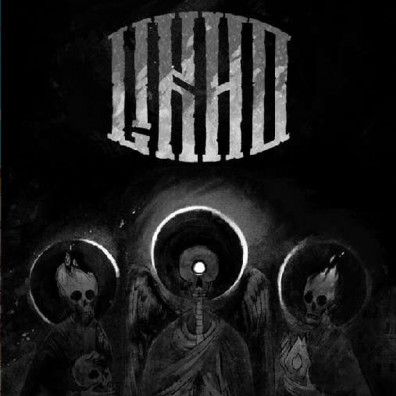
Title: | One-Eyed Likho |
Developer: | Morteshka |
Publisher: | Morteshka |
Release: | 28.07.2025 |
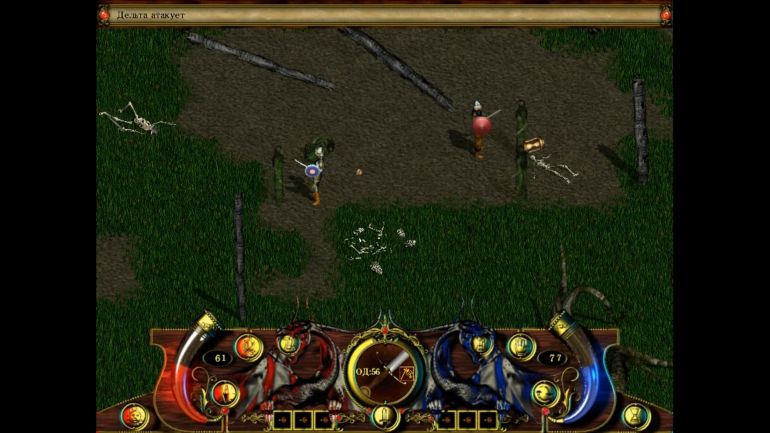
Fairy tales are fertile ground for video games, and Russian folk tales are still largely unexplored. Russian developers did start showing an interest in local folklore back when the country's gaming culture was getting off the ground. That's how we got:
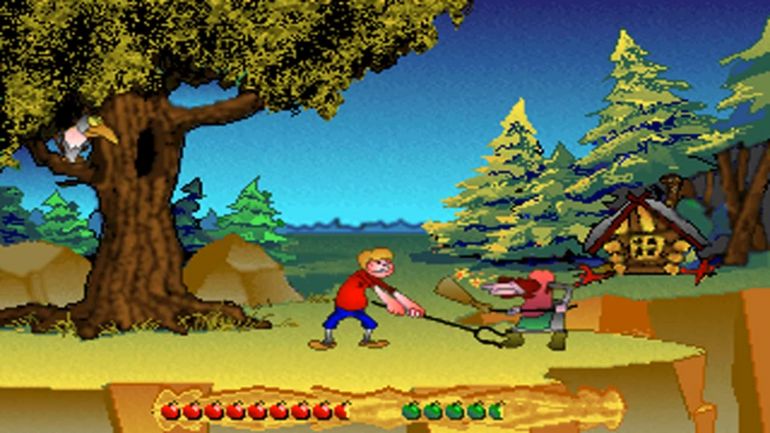
●The arcade game “The Crow, or How Ivan the Fool Went Treasure Hunting”
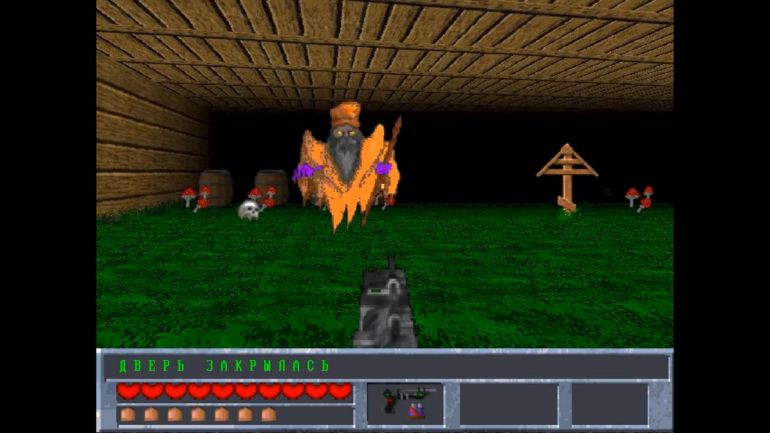
●The shooter “Kremlin Dungeons” and its sequel, “Time of Troubles.”
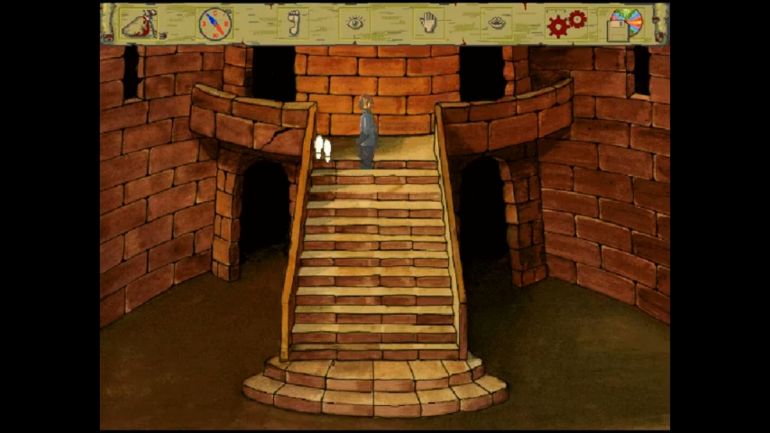
●The adventure games “Tsarevna: A Medieval Russia Quest” and “Birch Bark Tales: A Journey to the Thrice-Ninth Kingdom”
● The RPGs “Konung” and the original “GoldenLand.”
Interest in folk tales cooled for a while, but with the growth of Russia's indie scene, developers are coming back to them. More games about Russian folklore come out every year. One of them is the recent horror game “One-Eyed Likho” from Morteshka, the studio that gave us the excellent “Black Book” in 2021 and explored the legends and supernatural tales of the Perm region in extraordinary depth.
The new game is based on the fairy tale of the same name, collected in “Russian Folk Tales” by folklorist Alexander Afanasyev. The plot follows its namesake closely. Both star a blacksmith whose life is ordinary and dull. In the morning he swings his hammer at the forge. At night he knocks back one drink after another at the local tavern. One day he gets a peculiar idea: “I've never known any grief,” he says. “They say there's trouble in the world. I'll go find some for myself.” So the blacksmith sets off in search of Likho, after getting good and drunk for courage and enlisting a tailor along the way.
“One-Eyed Likho” is a walking simulator with simple puzzles, rudimentary stealth, and a dash of horror. At its core is the methodical exploration of a world made up of fairly compact areas connected by corridors. There are a few reasons to look around. First, it moves the story along. Second, there are notes and secrets to find. Poke into the nooks and crannies and you might find a collectible, a note, or even a new fairy tale that the blacksmith carefully tucks into the “Book of Worlds .”
more on that in a bit
The areas are wonderfully crafted and atmospheric enough to give you chills. They weave together influences from all kinds of cultures, from ancient Paleolithic cave paintings to Russian Orthodox churches, with idols from pre-Christian Rus' and plenty of nods to ancient Greece. The levels play as well as they look. They may seem simple, but the routes loop back around so cleverly that there's hardly any backtracking.
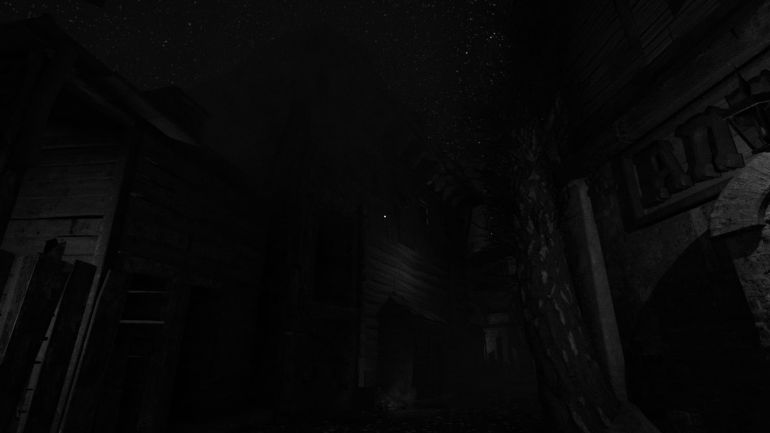
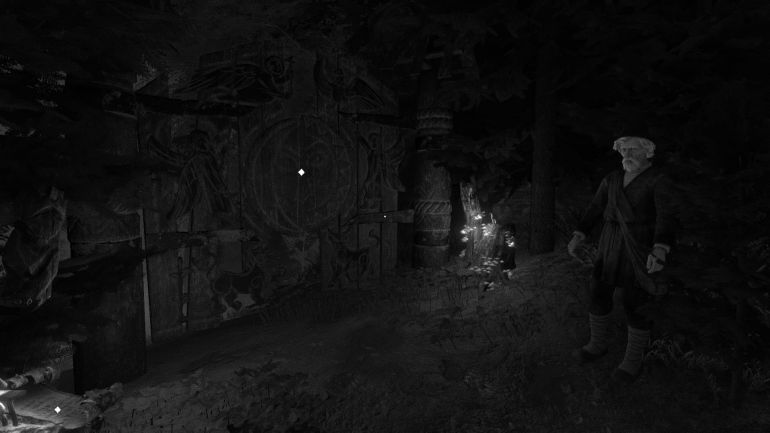
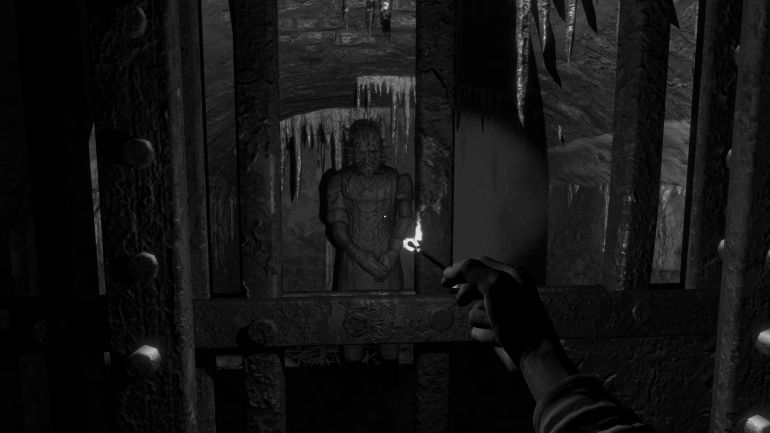
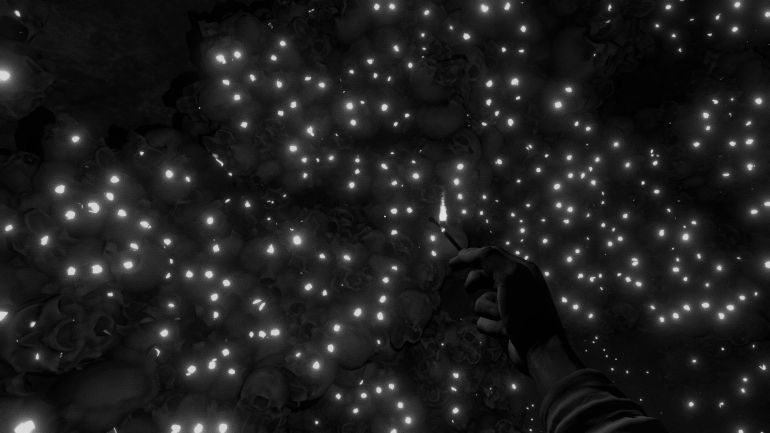
You're surrounded by darkness most of the time, and a box of matches you find near the start helps push it back. Much to our relief, the matches are unlimited , and you can throw them, too. That's the basis for some puzzles, since the game is always nudging you to burn something. A tossed match can light a barrier blocking your way, burn a pile of junk hiding a key item, or even set fire to a rope something is hanging from.
unlike in Amnesia: Rebirth
Other puzzles are more traditional, and there's a nice variety. None repeat, though a few work on similar principles. You might find two pieces and put them in their slots, turn things in the right order, press the right buttons, or even solve a musical puzzle. There's a whole category of puzzles involving chests that contain fairy tales. They all have combination locks, and you can figure out the codes by looking closely at your surroundings. A couple are genuinely tricky. One of the standouts has you guide your fairy-tale companion through a series of pipes.
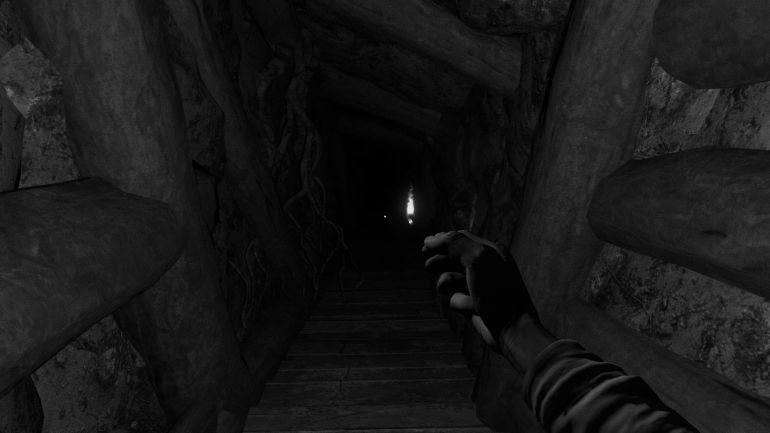
After the first half of the game, Likho itself shows up and starts chasing the blacksmith. That's when “One-Eyed Likho” asks you to engage with its bare-bones stealth. The blacksmith can't crouch, so all you can do is hide behind things. A little meter in the center of the screen shows how visible you are. If it fills up, you die. Unfortunately, the local bogeyman isn't particularly bright, so these few encounters with Likho are hardly tense. Most of the time, you'll be running away and slamming doors in its face.
“One-Eyed Likho” occasionally breaks up the gameplay with simple quick-time events. There are no complicated key combinations, since it's all done with the mouse. If you don't click in time, the worst that usually happens is that you have to try again. There are exceptions, though.
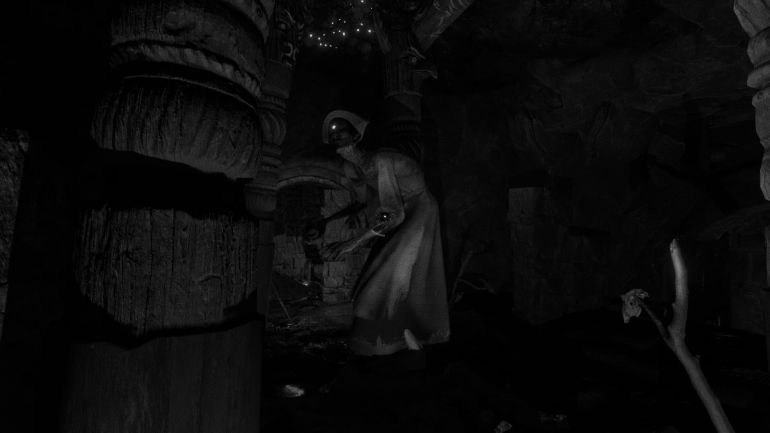
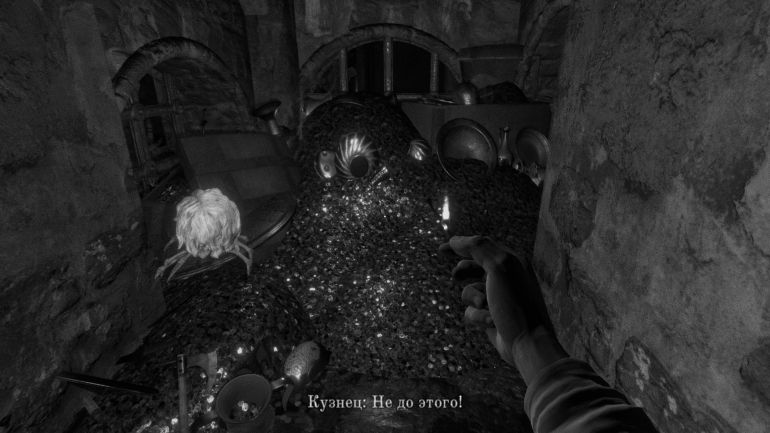
For part of the game, you're on your own, wandering the levels alone. But the tailor the blacksmith drank with at the tavern and then met in the street becomes a loyal companion after a few things happen. He helps with puzzles and keeps you entertained with conversation. One standout is a heartfelt conversation with him in the refectory, where you can reflect on the game's lore.
Having a companion to trade a few words with led to a branching dialogue system where you choose answers with different consequences. The game remembers your answers and brings them up later, though you shouldn't expect any sweeping effects on the plot. The story itself doesn't change.
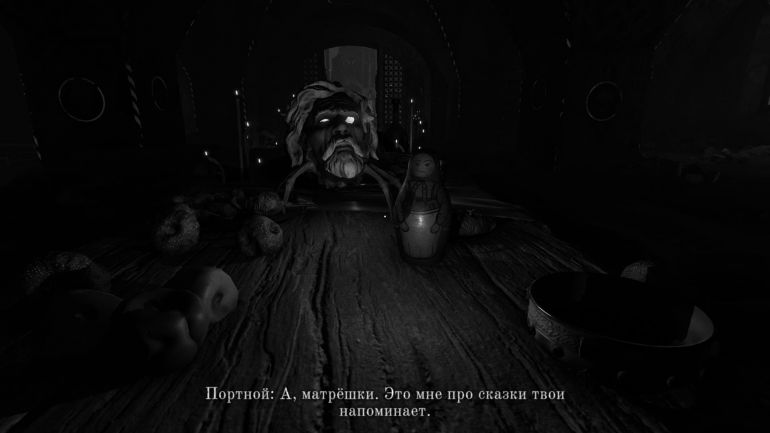
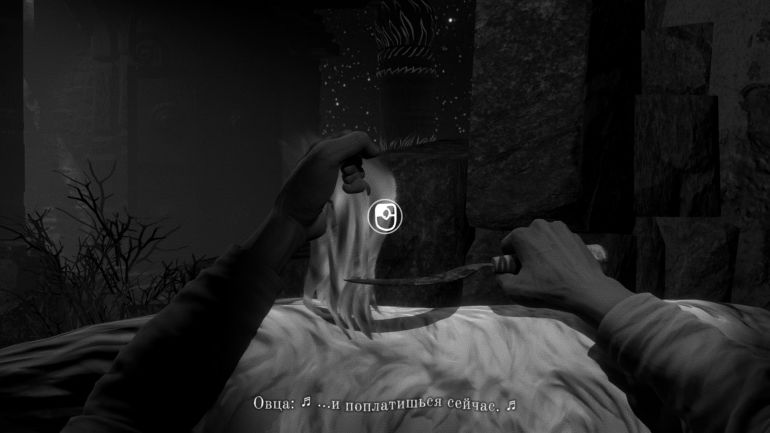
Morteshka's third game also features a book important to the story. This time, instead of the magical “Black Book,” the hero gets the “Book of Worlds.” It starts out empty, but if you explore carefully enough to find and open certain chests, you'll discover pages of fairy tales from all over the world that share a common theme. In them, one or more heroes often blind giants in all sorts of ways before escaping in animal form. The heroes also frequently have to sacrifice something.
In that sense, “One-Eyed Likho” is something more than a game, just like the studio's previous work. It's an exploration of a universal motif that turns up in all sorts of cultures and mythologies. It's also a successful attempt to reflect on the archetypal hero's journey and the search for an original myth or fairy tale, without coming to a definitive answer. As they say, you can draw your own conclusions.
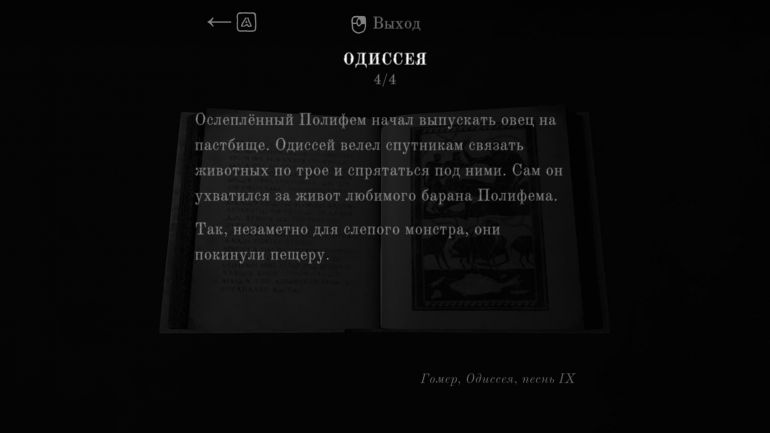
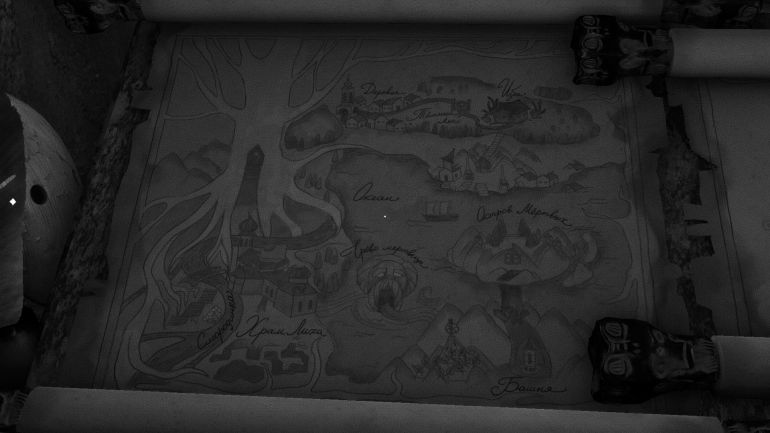
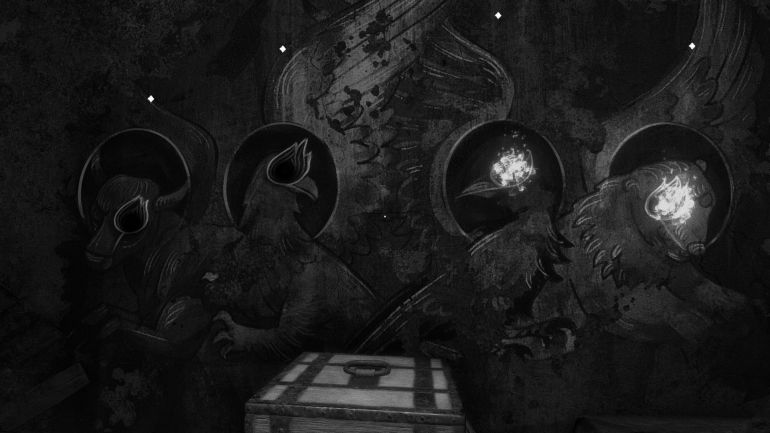
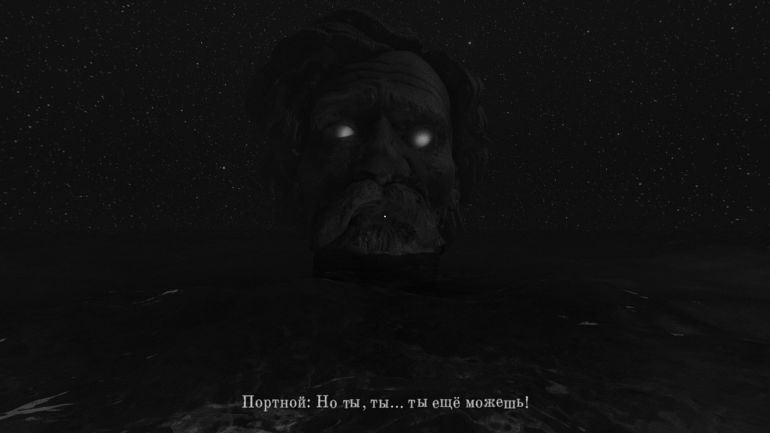
On top of all that, “Likho” captures the thick, gloomy, unsettling atmosphere of those uncompromising, unvarnished folk tales, as though they'd stepped right out of Ivan Bilibin's illustrations. It's hard to call the game scary, though. A couple of jump scares will make you flinch. Something might leap out of the darkness before you can strike a match, or the game will deftly distract you and then shove something right under your nose.
The visuals do most of the work setting the mood. There's the black-and-white palette and the occasional shift to a 4:3 aspect ratio* during cutscenes. As with “Black Book,” Morteshka uses clever stylization and excellent lighting to make the most of visuals that aren't especially advanced on a technical level.
When “Likho” was first announced, 4:3 was supposed to be the only format. The team dropped that idea, and it's hard to say the game lost anything.
There are a few things about the lighting that don't quite add up, though. For one, the matches themselves are beautifully done. They flare bright and burn down quickly, sometimes singeing the hero's fingers. It also adds to the mood that a breeze, a brush with a cobweb, or some unknown cause can snuff them out, and a fresh one doesn't always light on the first strike. As the darkness closes in, you start seeing things in it.
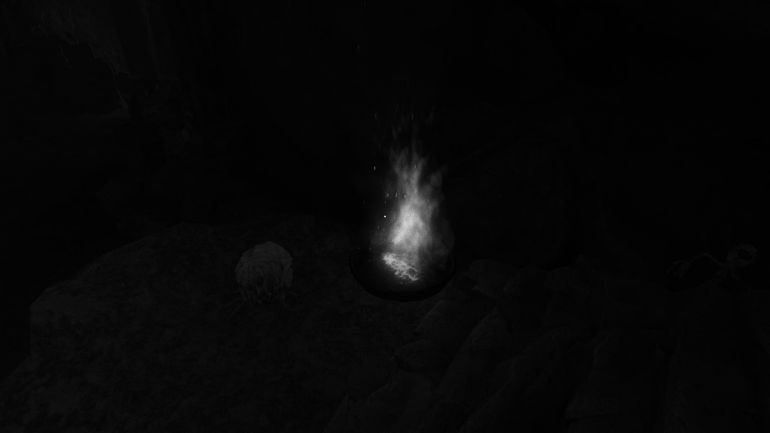
And yet some of it doesn't make sense. Matches burn brightly only as long as they're in your hand. Throw a lit match and its brightness immediately vanishes even if the flame stays lit. None of the other light sources give off much light either. The candles and braziers you can light don't illuminate their surroundings at all. The piles of junk scattered around shed a little light, briefly. It bends the game's own logic a bit, apparently for the sake of atmosphere.
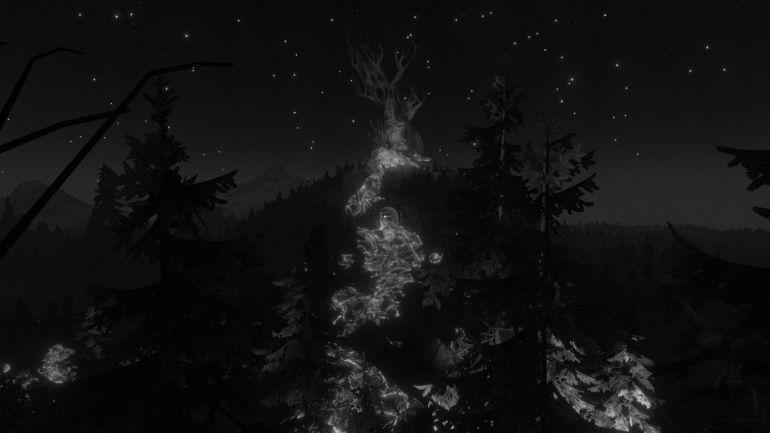
The sound work is excellent, too. Mikhail Shvachko again does a wonderful job with the music, combining traditional motifs with electronic sounds. The soundtrack also makes full use of the letchan vuzha, a musical instrument of the Komi people. The voice actors did excellent work, too, thanks to the GamesVoice team. Sergey Chikhachev voices the Blacksmith, Valery Storozhik plays the Tailor, and Irina Ponomaryova takes on the role of Likho.
Technically, “One-Eyed Likho” isn't perfect. It has a few optimization problems, with freezes and stutters when you move between areas. Character animations occasionally misfire, and some models and objects visibly clip through textures. On the whole, these minor problems don't spoil the experience.
“One-Eyed Likho” is a short but extraordinarily atmospheric adventure that drops you into the eerie world of Russian folk tales. It offers a distinctive look, a gripping story, and a solid set of puzzles that may not be especially challenging but are certainly varied.
For Russian game development, the storytelling in “Likho” is an undeniable step forward among games based on Russian folklore. For the studio that gave us “Black Book,” with its incredibly deep treatment of folklore, it's a step back. Still, it's easy to understand and forgive Morteshka. The team needed a breather.
Enjoyed this article? Found it helpful? Support GameSpirit.org and help us create more great content.
Author: Godlike_Goblin for GameSpirit.org


