
Nobody Wants to Die Review
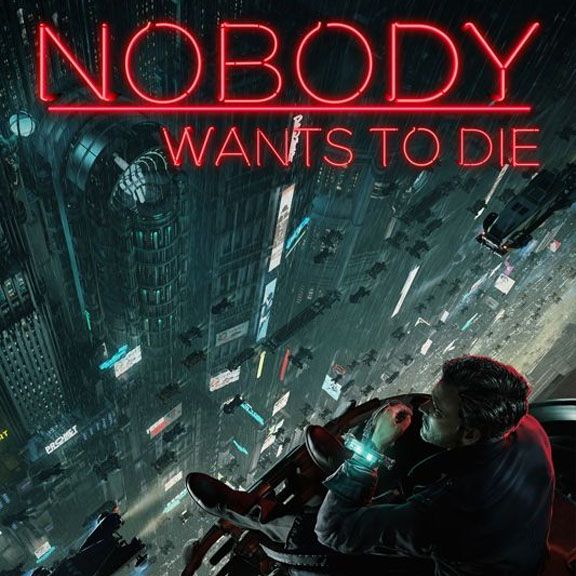
Title: | Nobody Wants to Die |
Developer: | Plaion GmbH |
Publisher: | Critical Hit Games |
Release: | 02.06.2025 |
from the French film noir, meaning ‘black film’
The game takes place in New York in 2329. Technology has advanced so far that humans are effectively immortal. More precisely, their essence is immortal thanks to the discovery of a substance in the brain called Ichorite. People have learned to extract it and transplant it into other bodies, so they can live for a hundred years or more, provided they've got a spare body.
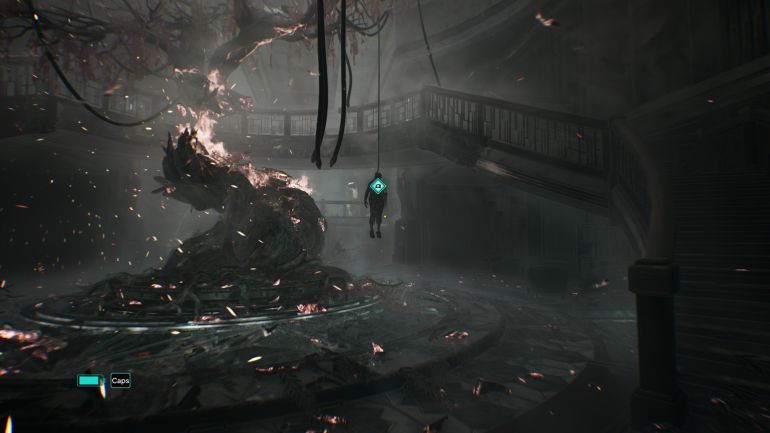
That's the big problem at the heart of Nobody Wants to Die, the one that plunges humanity from a cloudless utopia into a bleak dystopia under a leaden sky. New bodies come by subscription, and plenty of people can't afford one. If someone's subscription lapses, their Ichorite goes into storage until somebody pays the fee. Renting out bodies is fairly common, too. It all looks a lot less cheerful once you take a closer look.
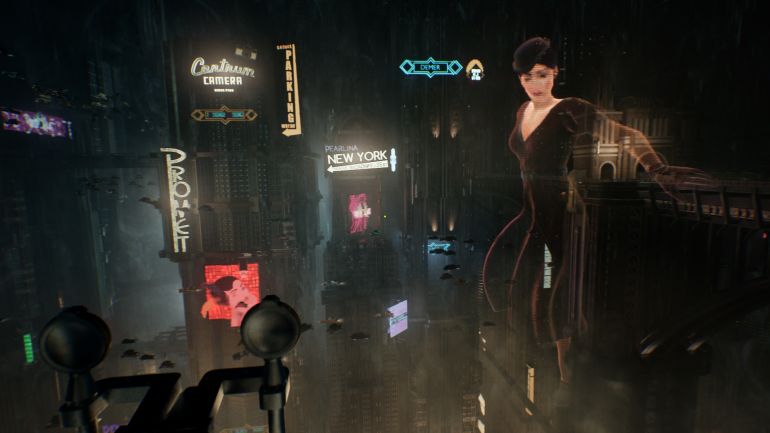
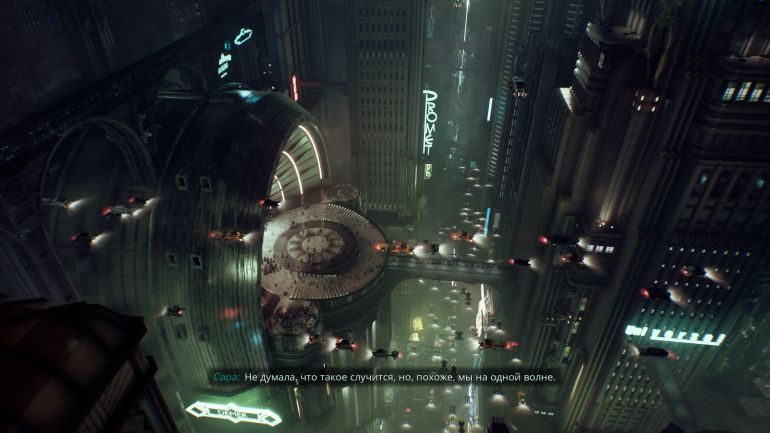
The story follows Detective James Karra. In classic noir fashion, it opens in the rain, with James and his wife watching a movie at an open-air theater. The almost idyllic scene falls apart when Rachel suddenly vanishes. That's when we realize the detective's wife is dead. She died in a world where people are practically immortal. It sets the tone for James's grim, unforgiving reality, a hostile world of towering skyscrapers, flying cars, and giant neon signs.
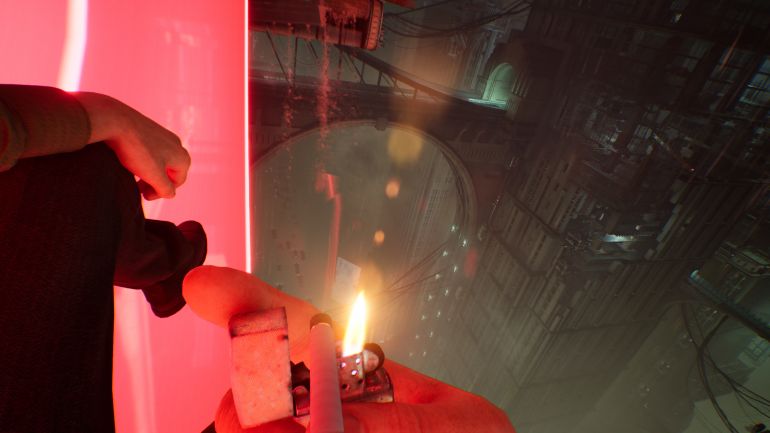
James is almost immediately pulled into a complicated off-the-books investigation into a series of mysterious killings targeting the city's elite. He'll have plenty of time to dig through their dirty secrets. Luckily, Detective Karra has a partner named Sara, who's working remotely. The story is mostly linear, though every now and then you'll make choices that affect what happens later, even the endings. Several times you'll have to decide whether to pocket crucial evidence, leave it where you found it, or destroy it. Don't get too excited. None of that makes much difference to how the story plays out.
At a glance, the gameplay looks like a detective adventure. Look a little more closely and, if we're being honest, Nobody Wants to Die is very good at passing itself off as one. Most of it is a walking simulator, with a handful of investigations where James Karra puts an entire arsenal of fancy futuristic gadgets to work.
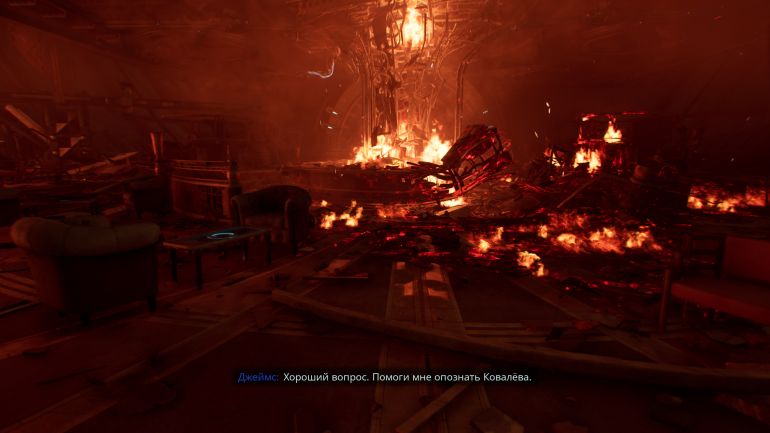
Unfortunately, there's little room to get creative. The game holds your hand the whole way. Each crime scene is a self-contained room. They're spacious and packed with details, some relevant to the case and others that tell you more about the world you've found yourself in. But the detective work is shamelessly simple. Walk from one highlighted clue to the next, listening to the characters' commentary and using your gadgets along the way.
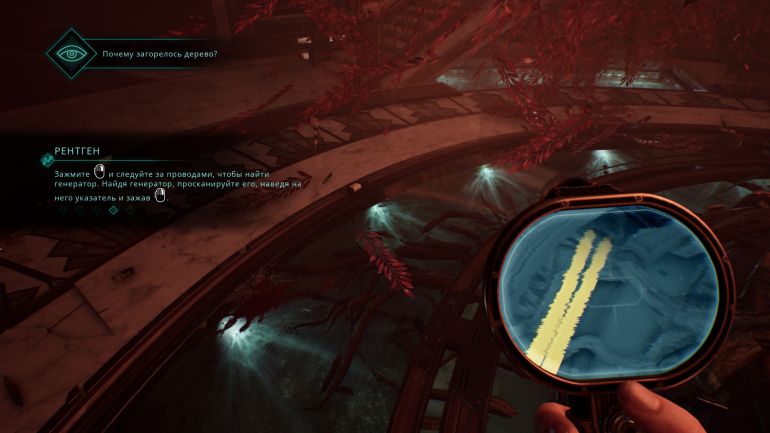
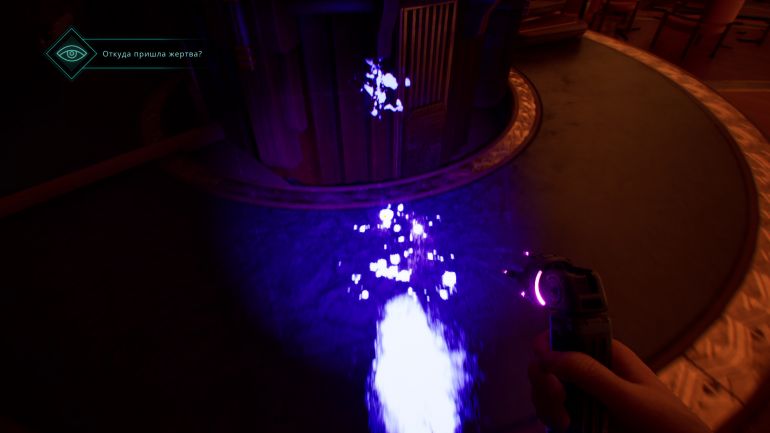
Your main tool is the Reconstructor. In a way, it lets you manipulate time indirectly by showing fragments of what happened at the crime scene before you arrived, clearing up details that don't make sense yet. There's also an X-ray scanner for tracing hidden wiring or following bullet trajectories, and a UV lamp for picking up biological traces like drops of blood, as well as chemicals.
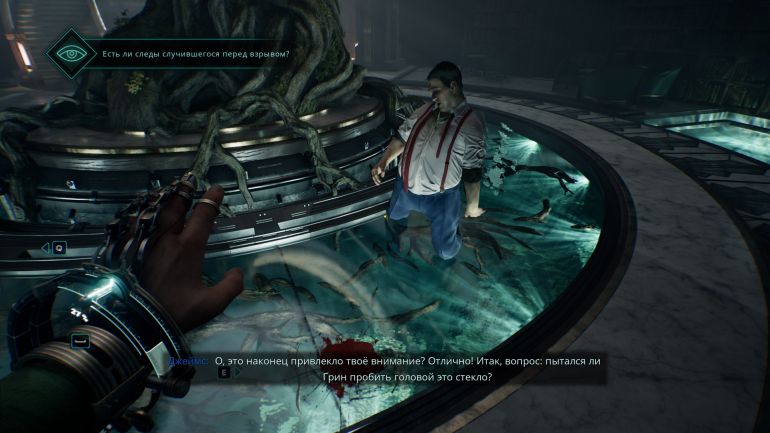
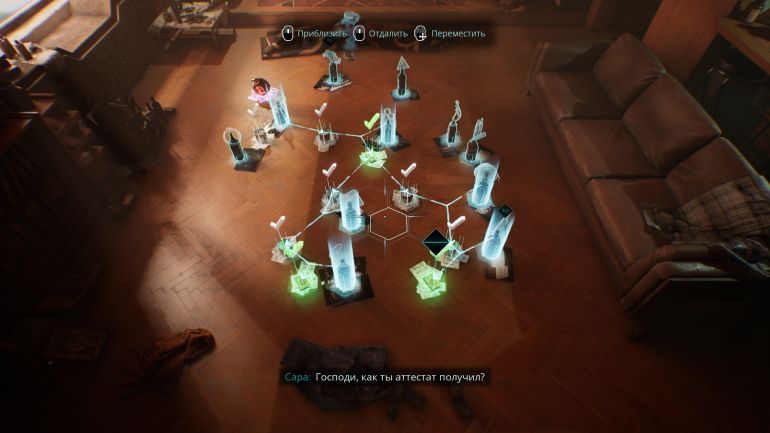
Once he's combed the scene, collected evidence, and written down a few theories, James returns to his apartment to put it all together. Here's another reminder that he's a real detective. He may not have a corkboard for photos and notes connected by red string, but he has a floor and holograms you can link into chains of reasoning. The one problem is that you can't really make a mistake, and there are no consequences if you try. Link the wrong facts and Sara and James correct you. That's how Nobody Wants to Die works. The detective gameplay is simply a way to tell the story.
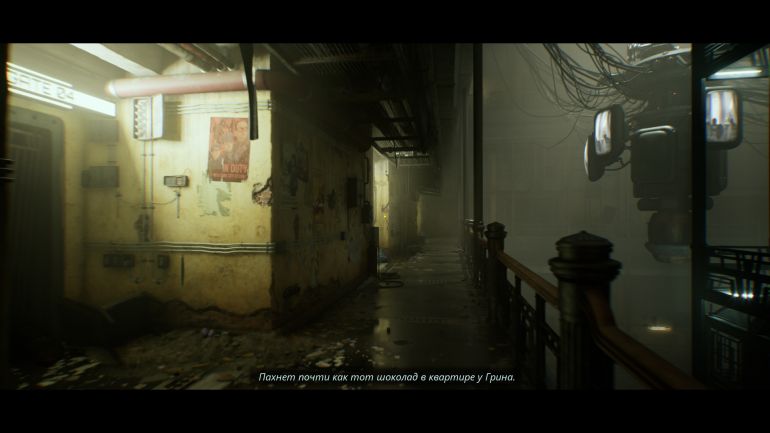
As for immersion, one glance at Nobody Wants to Die tells you how good it looks. From the meticulously detailed car interior in the first few minutes to the stark contrast between life in luxury towers and life in miserable slums, the game impresses with its eye for detail and the force of those contrasts. The pairing of noir and retrofuturism strongly recalls BioShock's grand Art Deco style, while the cyberpunk gives it a look of its own.
The endless rain and understated soundtrack strengthen the noir atmosphere. Nobody Wants to Die sounds every bit as stylish as it looks, in the best noir tradition, from melancholy, tense jazz to powerful orchestral pieces. James's monologues flirt with melodrama without going too far, and the voice cast does an excellent job across the board.
All in all, Nobody Wants to Die is a fine example of what a mid-budget game can do. It tells a tense, morally complicated story that pulls you into a dystopian future where chasing immortality demands serious sacrifices. The blend of classic noir and retrofuturism with inventive sci-fi and cyberpunk visual effects makes a striking impression.
Enjoyed this article? Found it helpful? Support GameSpirit.org and help us create more great content.
Author: Godlike_Goblin for GameSpirit.org


