
Killer Frequency Review
Title: | Killer Frequency |
Developer: | Team 17 |
Publisher: | Team 17 |
Release: | 01.06.2023 |
For all the popularity of slasher films, video games with similar aesthetics and pacing are genuinely rare. Games that capture something close to that mood are mostly interactive horror titles such as Until Dawn, The Dark Pictures anthology, and a few others like them. Then along comes Killer Frequency, delivering a remarkably authentic atmosphere worthy of the best slasher films. And it does so while keeping you behind a DJ’s desk for most of the game, away from the action itself.
In case you missed it, Killer Frequency was released in summer 2023 by British company Team17, acting as both developer and publisher. Yes, the same people responsible for Worms, and for what happened to that series. A horror game is a highly unusual project for them, making it all the more surprising how well it turned out.
The story of Killer Frequency centers on Forrest Nash, a once-famous radio host from Chicago. Hard times and career troubles have brought him to the small town of Gallows Creek, known only for once being stalked by an actual serial killer nicknamed the Whistling Man. The notable detail is that he was never caught. At the height of his activity in the late 1950s, the Whistling Man simply vanished. Vanished, only to return tonight.
The game sets an ominous tone from the outset. During his late-night broadcast, Forrest learns that Gallows Creek’s sheriff is dead and his deputy critically injured. While the town’s only emergency dispatcher tries to save them, the late-night host and his partner, Peggy, have to double as 911 operators. They must answer residents’ calls and save them from a killer roaming the town unchecked.
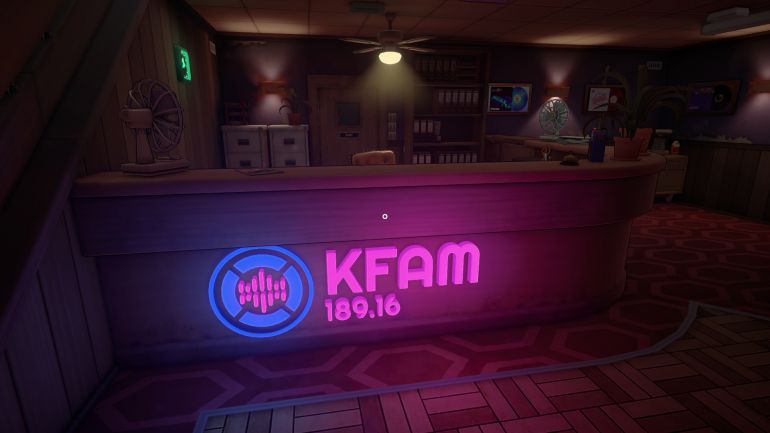
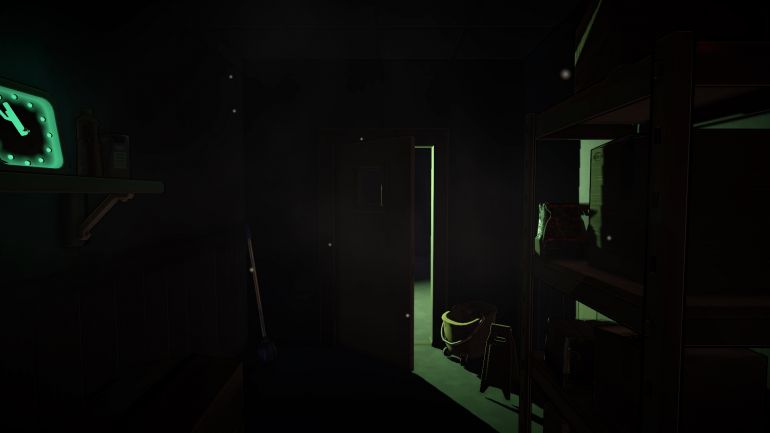
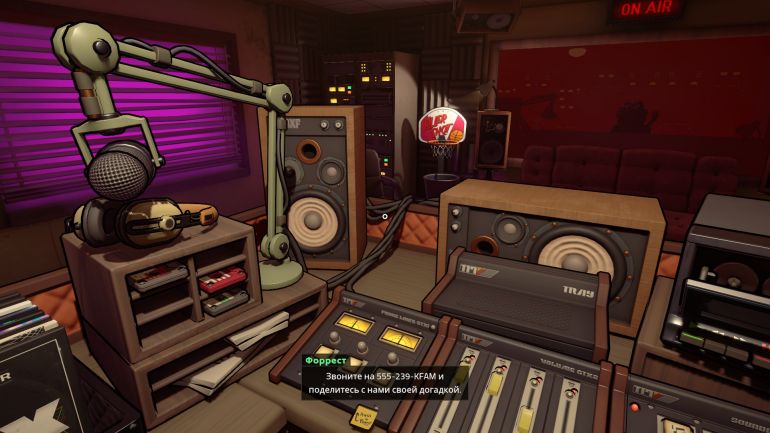
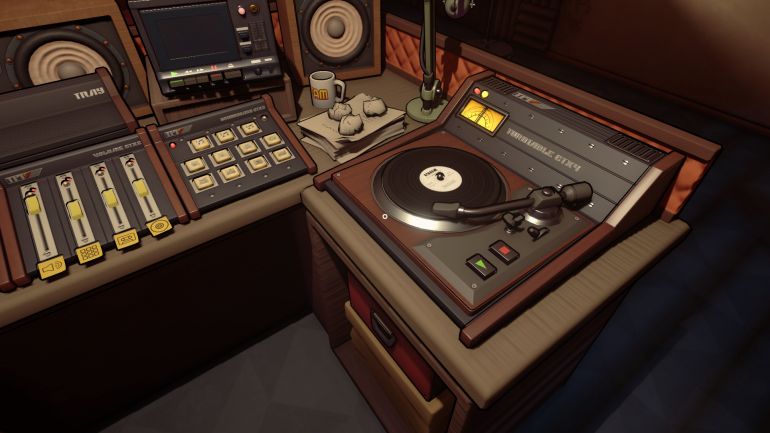
Most of the story in Killer Frequency unfolds through phone calls and conversations with Peggy. Occasionally, you can wander the radio station looking for useful things and immerse yourself in the world of vintage broadcasting. The art direction is delightful and almost flawless. Killer Frequency takes place in the mid-1980s, so there’s plenty of neon, bright colors, and the wood paneling characteristic of the era. The atmosphere is captured wonderfully. Unfortunately, one thing can shatter it if you stop to think. Smartphones didn’t exist in the 1980s, and running from a maniac while holding a landline phone ought to be problematic. Yet nobody seems to have any trouble with it.
The gameplay is fairly basic and somewhat repetitive, but engaging in its own way. At first, you’re gradually introduced to broadcasting, putting on vinyl records and announcing a new song , playing ads, talking to listeners, and optionally adding soundboard effects. That last feature feels like a box checked, though. Don’t expect any reactions to your well-chosen or ill-timed sound effects.
or not
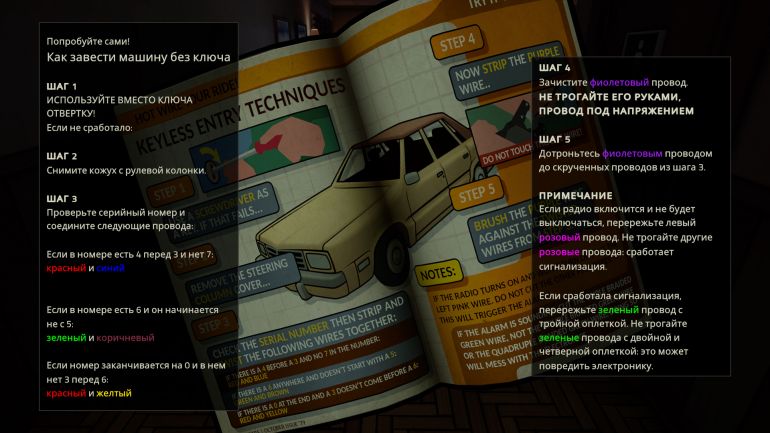
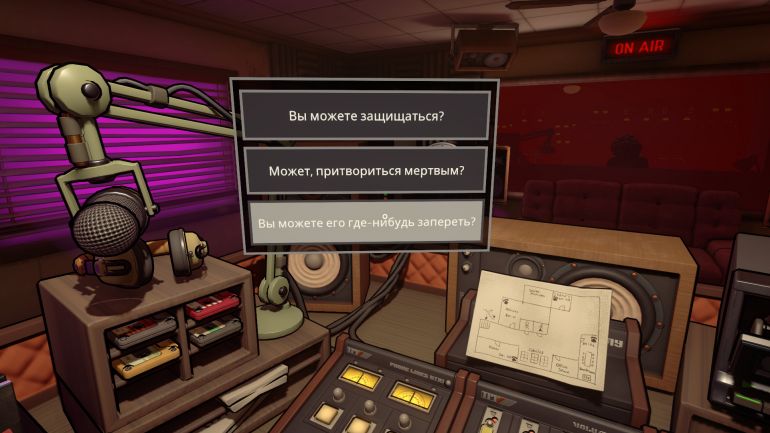
A little later, Killer Frequency reveals its walking simulator side. As the story progresses, you’re allowed to venture farther from the studio into the radio station’s corners. Once, you even get to go outside. During these excursions, you can find collectibles, including new songs, ads, and documents that shed a little light on the Whistling Man’s mystery.In practice, every important call is a puzzle. Some are straightforward and don’t ask too much of you, while others become genuine detective investigations requiring complete chains of logical reasoning to reach the right conclusion.
the ones where you have to save someone
This successful combination of puzzles, decisions, a little radio station exploration, and hosting a broadcast blends beautifully into the engaging, absorbing gameplay of Killer Frequency. The dark yet cozy surroundings of KFAM give the game a distinctive feeling rarely found in modern horror, a sense of detachment from the local nightmares, even a sense of safety. Yet nothing stops you from feeling the horror unfolding at the other end of the telephone line…
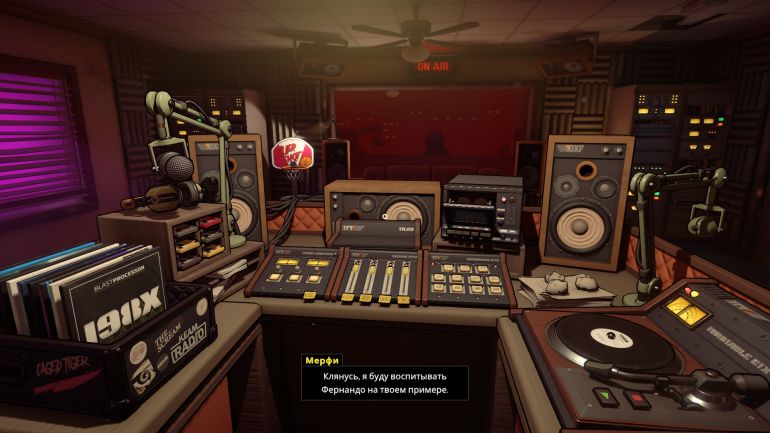
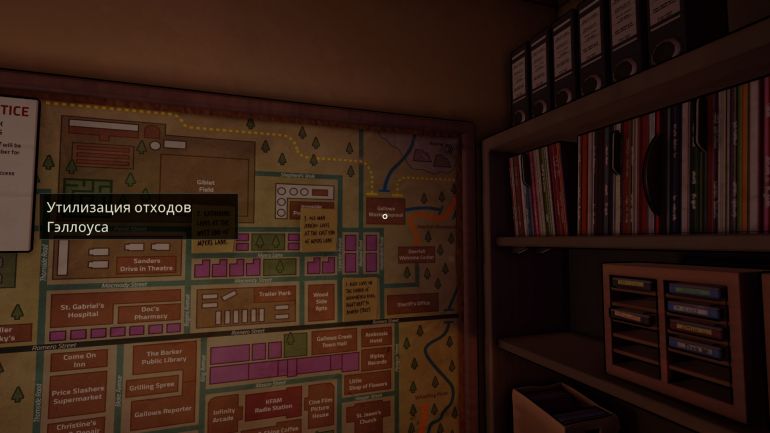
In spirit, Killer Frequency sits very close to teen slashers, which means it has some humor, occasionally extremely dark. This slasher isn’t a tale of suffering and blood so much as a horror comedy in the vein of Tucker & Dale vs. Evil. There’s even a scene where college students get themselves killed under your careful supervision. Some jokes fall flat, of course, but overall Forrest Nash handles his hosting duties admirably, cracking darkly awkward jokes about people’s deaths.
The game isn’t much of a looker, but its successful stylization and cel shading conceal its flaws well. The visuals do their main job, capturing the atmosphere of the 1980s extremely effectively. The audio in Killer Frequency is excellent, especially Forrest and Peggy. The attention to detail extends to the music. Every track fits the depicted era, covering genres from synthwave to disco and hard rock, with one song representing each.
Enjoyed this article? Found it helpful? Support GameSpirit.org and help us create more great content.
Author: Godlike_Goblin for GameSpirit.org


