
Jotunnslayer: Hordes of Hel Review
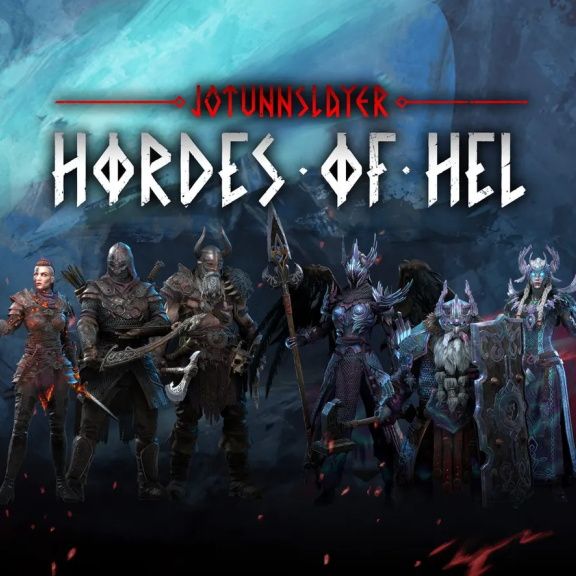
Title: | Jotunnslayer: Hordes of Hel |
Developer: | Games Farm |
Publisher: | Grindstone |
Release: | 21.01.2025 |
Today’s game industry has seen plenty of modest indies suddenly capture everyone’s attention, followed by a whole procession of wildly varied imitators. Something similar happened with Vampire Survivors. Unremarkable graphics, repetitive gameplay with hordes of enemies, instant dopamine as a reward, and the atmosphere of early Castlevania games.
Every one of those criteria except the last fits Jotunnslayer: Hordes of Hel from Slovak studio Games Farm, which returned to Norse mythology after action RPG Vikings: Wolves of Midgard. Developers from the even smaller studio ARTillery helped out. To get a little ahead of ourselves, the result is one of the best survivors-likes around.
Vampire Survivors’ formula has been realized almost to the fullest in Jotunnslayer: Hordes of Hel, falling short only in the amount of content, and even that is down to the gap between their releases and early access periods. Neither game has a story. Although, with Jotunnslayer, you could scrape one together. There’s a loose framework in which a motley band of cursed heroes takes on the goddess of the realm of the dead and a handful of terrifying jotunns serving her. That’s essentially all the story you get, aside from some character descriptions.
The gameplay is equally predictable. Choose an available hero and a map, and you’re dropped into it. You must last a set amount of time, complete the required number of objectives, and survive enormous numbers of monsters before facing the level’s boss. Heroes fight and use their abilities automatically. All you control is their movement, dashes, and a single class ability.
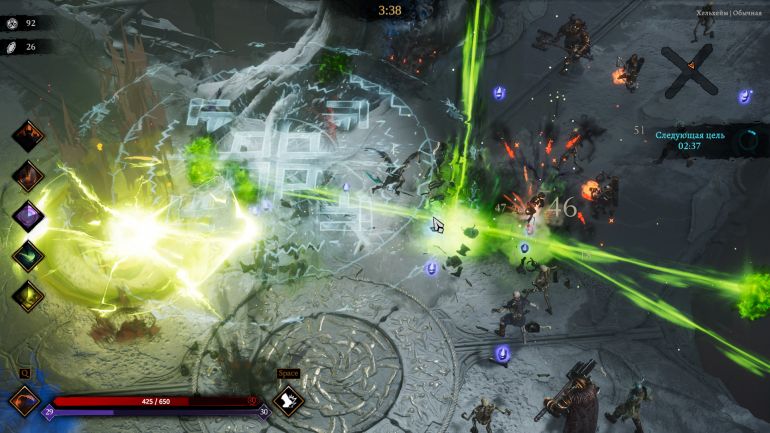
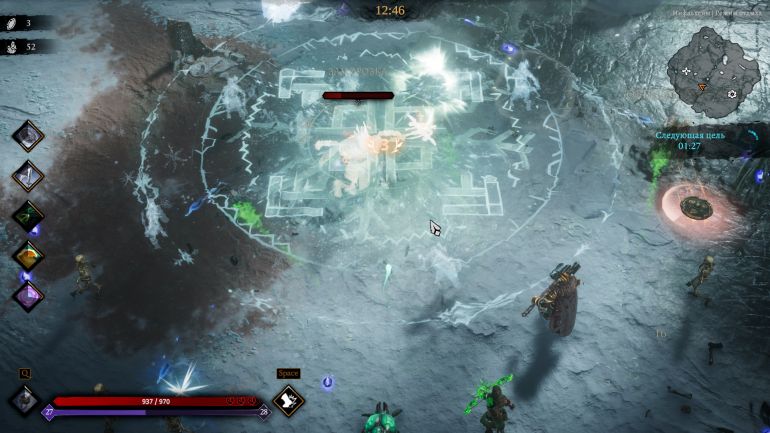
Then you do it all again. You could call it extremely repetitive, and essentially it is, but there are some qualifications, rooted in the progression system. It has two halves. The first happens during a run. Defeated enemies provide experience, and earning enough levels up your hero. Every level requires you to choose one of the abilities offered. These also come in two types, your chosen hero’s skills and divine gifts. Both categories are further divided into active skills and passive abilities.
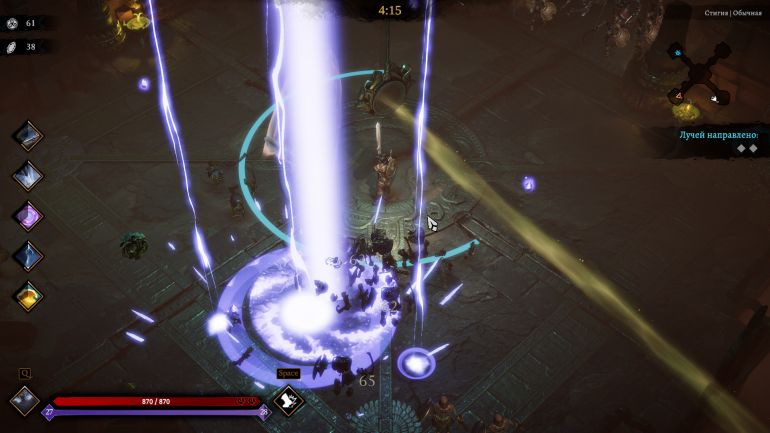
You generally choose one of three options, occasionally four. Very rarely, you get a bonus selection by opening a chest or receiving a bonus with a little luck. There are plenty of heroes and gods, allowing for considerable build variety. You could choose Thor and tear through enemies with countless lightning bolts, for instance, or take Skadi to freeze them as they approach.
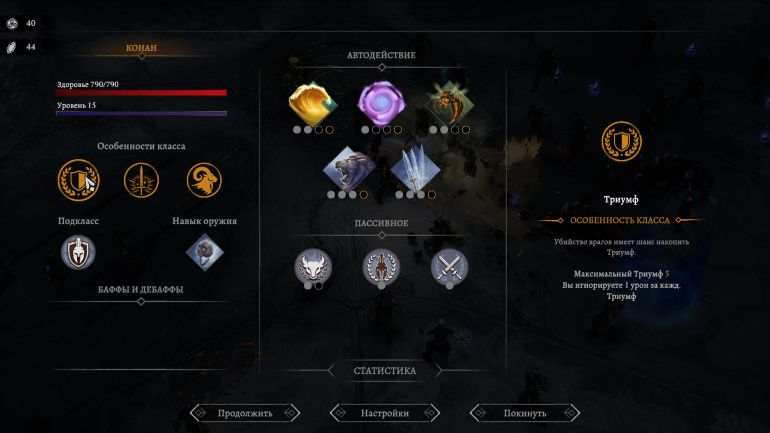
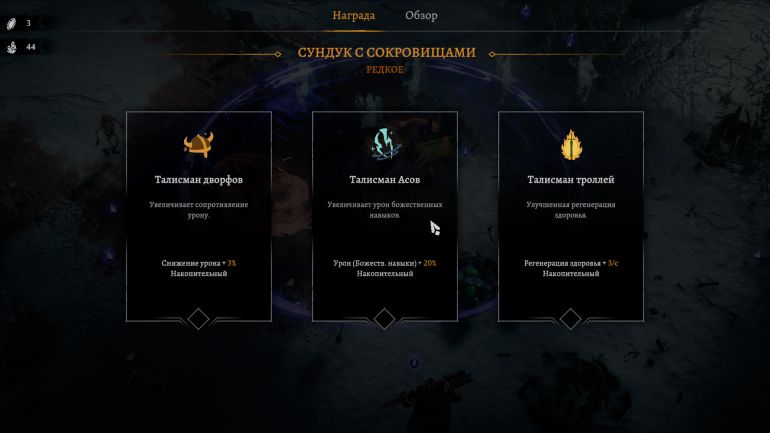
Buildcrafting is where the replayability lies. Eventually, of course, you can assemble a universal build that obliterates anything on any map under any conditions. Experimenting with the wildest combinations is far more interesting, though. You can upgrade your chosen hero exclusively with heroic skills, or focus on a single Norse god to maximize the potential of their blessing. If everything feels too easy, you can always raise the difficulty or add more penalties. Or head into endless mode altogether.
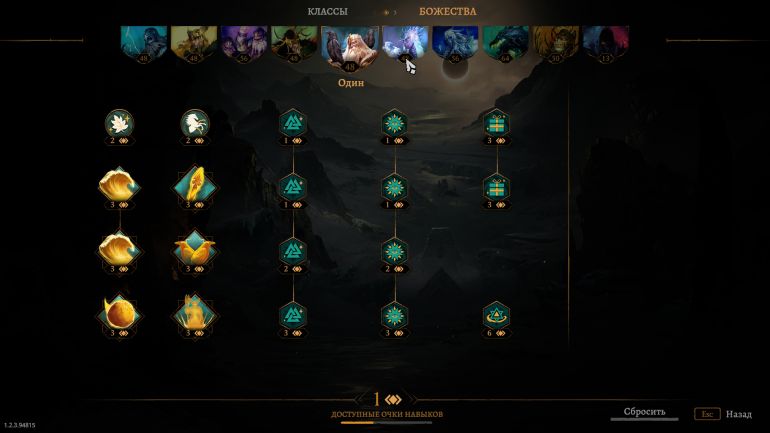
Buildcrafting doesn’t end there, either. Between runs, you can further upgrade both heroes and gods with the gold earned on your outings. Improvements range from passive bonuses for passive abilities to extra levels for active skills that multiply their effectiveness. If you don’t like something, you can refund the gold and invest it in other skills without any penalties.
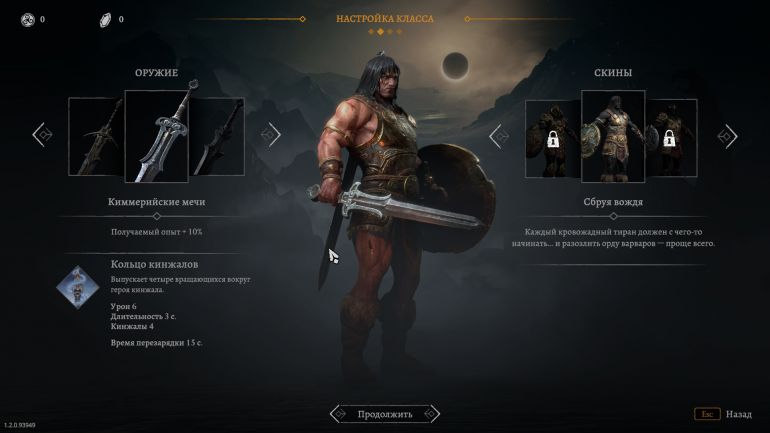
There’s another ingredient in the buildcrafting mix. Each hero can choose between weapons, each with particular effects, including an active skill. This skill is one of the few things you must activate manually instead of leaving to automation. New weapons aren’t available immediately, though. They must be unlocked with crystals, also earned during runs.
Over time, completing maps with particular characters and meeting certain conditions unlocks new heroes. The roster in Jotunnslayer: Hordes of Hel isn’t as large as in Vampire Survivors, but it’s respectable. There are currently eight heroes, the latest being Conan the Barbarian himself, who stormed into the game with paid DLC. Naturally, the brave Cimmerian brought his own abilities and a new map, Stygia. It’s a shame there are no new gods, but given that Conan honors only Crom, who isn’t especially fond of interfering in mortal affairs, it feels fairly authentic.
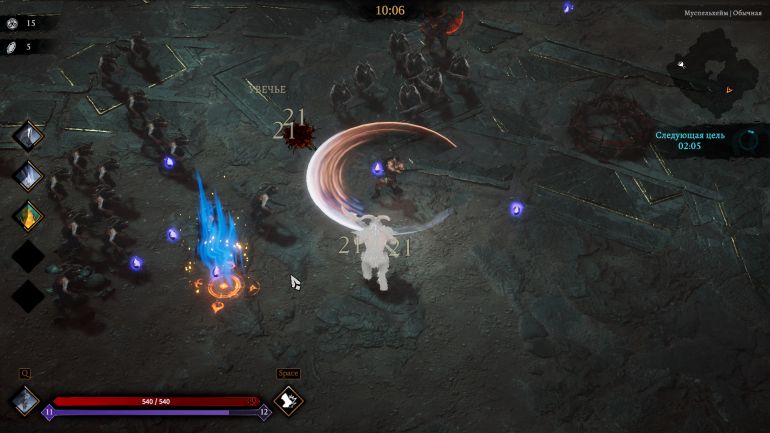
Beyond Conan, you can choose the Berserker, Seeress, Flame Sister, Revenant, Kinslayer, Warden, and Archmage. Although every hero has access to the same pool of gods, they still feel different. Each has unique class skills, movement speed, attack speed, and a style of their own. Some prefer melee combat, others use a bow, and others wield magic. Not every hero even has a dash, and some can resurrect several times per run.
The locations deserve a mention, too. Every area in Jotunnslayer is also based on Norse mythology. All nine realms aren’t included, of course, but you can run around Niflheim, Muspelheim, Svartalfheim, Jotunheim, Alfheim, and even Helheim, where the game’s main antagonist, the goddess Hel, awaits. The latest DLC also adds Stygia from the novels of Robert E. Howard. Levels differ substantially in both appearance and content. Catapults constantly attack you in Muspelheim’s fiery expanses, Svartalfheim lets you travel by catapult, and Jotunheim’s wind keeps blowing your hero around. Each world naturally has its own roster of inhabitants.
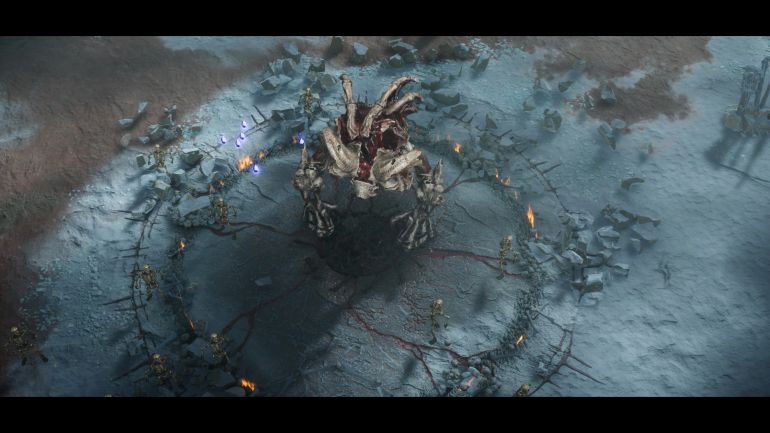
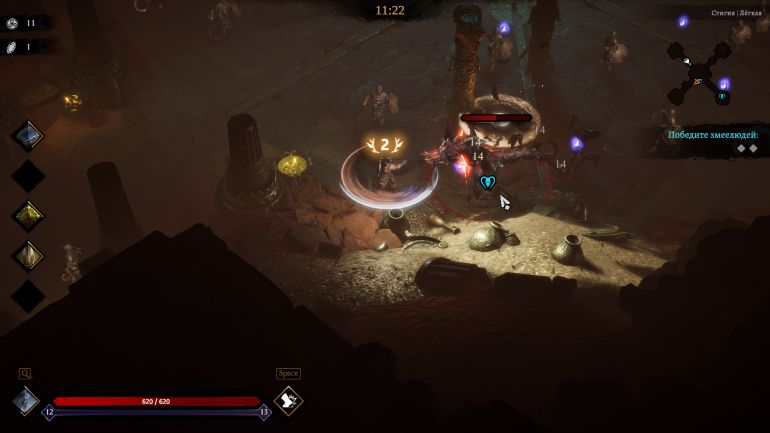
Locations also differ in the objectives you must complete during a run. These are mandatory. Without them, you simply can’t reach the boss or win in Jotunnslayer: Hordes of Hel. Nothing is especially complicated, collect a number of items, kill enemies, defeat a miniboss, defend an area, survive a curse, solve a puzzle, and so on. Always remember the run’s time limit, though. Spend too long on one objective and you risk running out of time and failing the outing.
Compared with Vampire Survivors, Jotunnslayer: Hordes of Hel stands out for its attractive, fully 3D visuals, powered by Unity. Hero, monster, and boss models all look very good, while their ability effects and divine skills make for quite a spectacle. Later on, especially in endless mode, the sheer number of effects onscreen can turn it into an epileptic light show. Even powerful hardware can struggle at those moments.
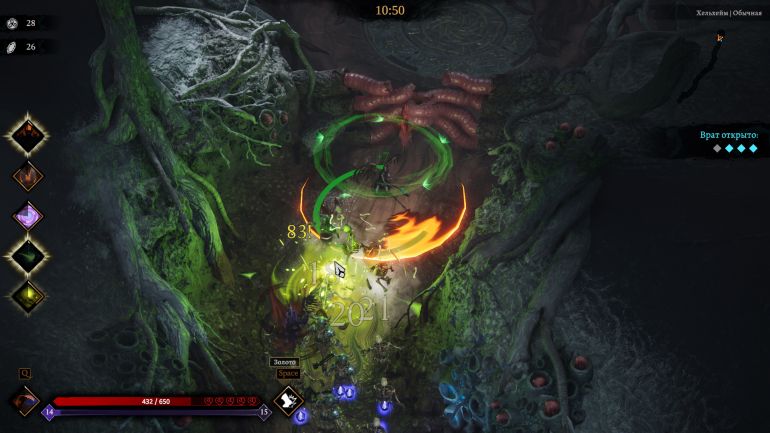
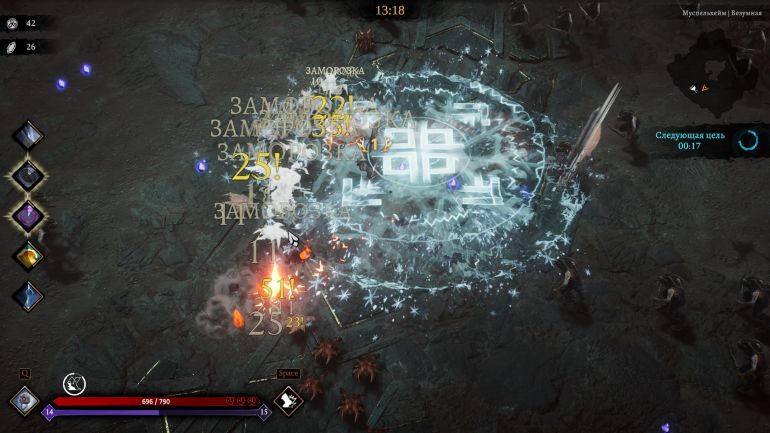
Jotunnslayer also does excellent work with its atmosphere, which is thick and dark. Everything contributes, from the mythology to the harsh, goosebump-inducing Norse music. The game’s audio is well crafted overall, and there’s even a little voice acting, though only for the goddess Hel in the final episode.
Jotunnslayer: Hordes of Hel manages to make a good impression despite its obvious lack of originality. It looks good, sounds decent, and plays wonderfully. Jotunnslayer also boasts strong replayability through its variety of heroes, the different builds you can assemble, and several available maps. Just as important, it’s all wrapped in a popular, dark, mythic Norse setting.
Enjoyed this article? Found it helpful? Support GameSpirit.org and help us create more great content.
Author: Godlike_Goblin for GameSpirit.org


