
A History of Beat ’Em Ups: The 1980s
The history of the beat ’em up, brawler, or “beat them all” genre goes back to the late ’70s. It took shape alongside a closely related genre: fighting games. Beat ’em ups themselves went on to lay the groundwork for several other genres. The main objective in both is to beat the hell out of your opponent using a variety of hand-to-hand combat techniques . Early on, there was no clear distinction between fighting games and beat ’em ups. Most games where you fought opponents were classified as martial arts simulators, or martial arts simulations.
and sometimes weapons
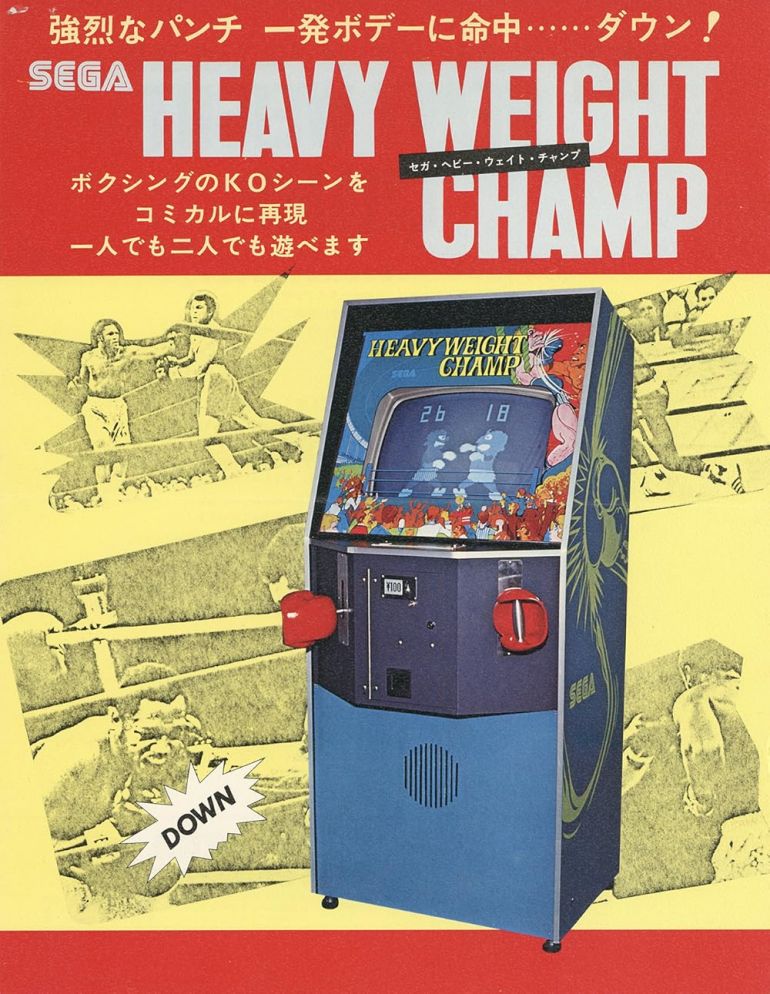
Heavyweight Champ advertisement
The very first game devoted to virtual fisticuffs was Heavyweight Champ, an arcade boxing simulator from Sega Enterprises unveiled in 1976. Players controlled two boxers drawn as fairly large sprites. You threw punches using amusing boxing-glove controllers that also let you choose how high to hit. The fighters appeared against a black background, and the game was in black and white. At heart, Heavyweight Champ was a straight-up fighting game that let players settle things one-on-one.
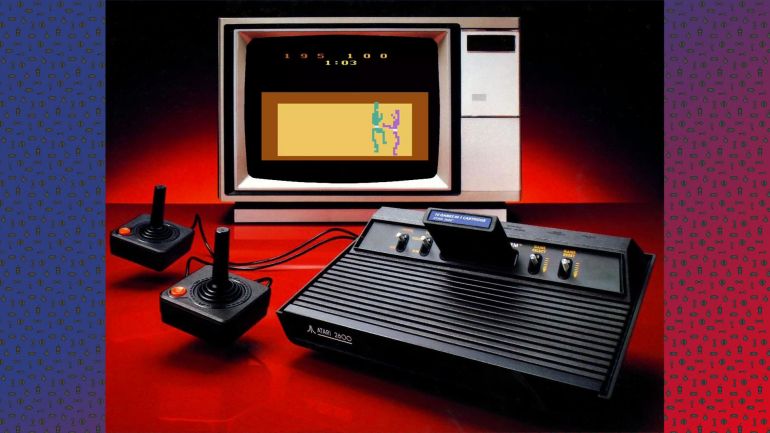
The idea developed further in 1982 with Karate for the Atari 2600. It was another fighting game, with the option to take on the computer or another player. There was no story, of course, but there was a goal. In Karate, you earned a black belt by winning a series of matches. The game was bad, to put it mildly. The controls were unresponsive, and the graphics were so awful it was almost impossible to tell whether a hit had landed.
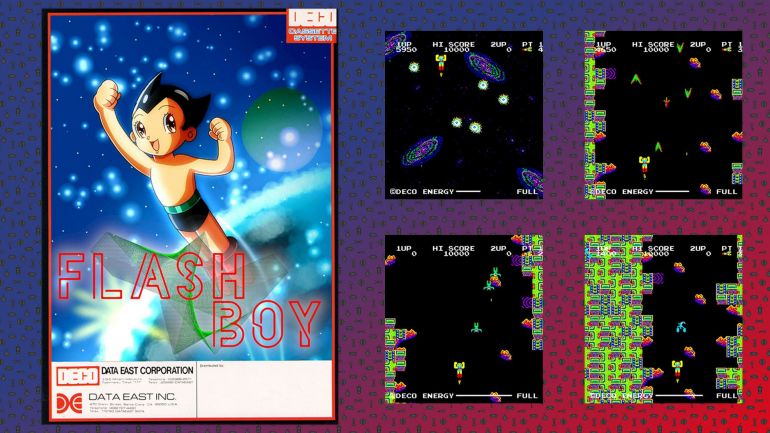
It was a different story with Flash Boy from Japan's Data East, released in 1981 for the DECO Cassette System* arcade platform. It had a fair number of innovative ideas for its time. It took its cues from fixed shooters like Galaxian and Space Invaders, but you controlled a robot that looked suspiciously like the star of the Astro Boy anime and manga. You fought entirely at close range, without missiles or lasers. Another thing that set Flash Boy apart was vertical scrolling, which let the character move up and down the screen.
*Data East's DECO Cassette System, released in 1980, was the first arcade platform to use standardized hardware and let operators swap games without rebuilding the cabinet. Games were stored on audio cassettes, and operators could change them at will. The catch was that the cabinets didn't support hot-swapping. A game had to load from magnetic tape into the cabinet's RAM before it could run. Switch the cabinet off and you'd have to load it all over again.
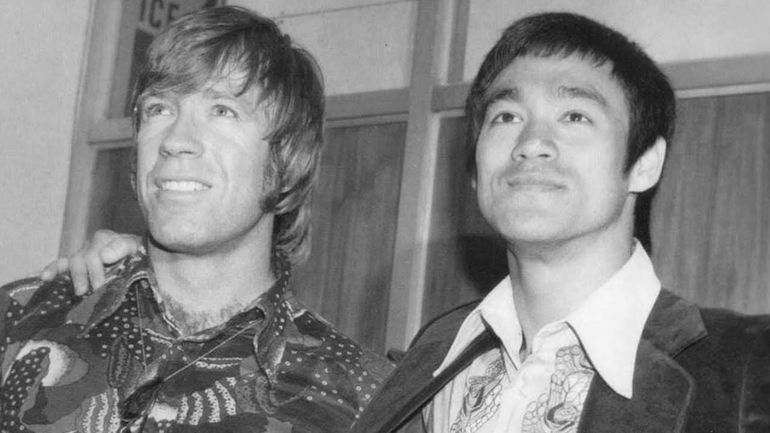
By the mid-’80s, interest in games where you fought barehanded was growing, thanks to the martial arts movie boom. That had peaked in the second half of the ’70s, of course, and took a while to reach games. Hong Kong films starring Bruce Lee, Jackie Chan, and other actors deserve particular mention, including Chuck Norris. His first major role was in the Hong Kong film The Way of the Dragon.
Five martial arts games came out in 1983 alone: Ninja, Ninja Warrior, The Attack of the Phantom Karate Devils, Chuck Norris Superkicks, and Bushido. The first two were essentially shoot ’em ups. Ninja scrolled vertically and Ninja Warrior horizontally. The other three are much more interesting from a beat ’em up perspective. It's hard to say which one came out first. All we know is that Chuck Norris Super Kicks launched in November. It wasn't a pure beat ’em up, either. Superkicks had two kinds of gameplay. The first was a sort of adventure where you moved up the screen, looking for the right path to the temple. The second was a brawler where you fought the enemies that attacked you along the way.
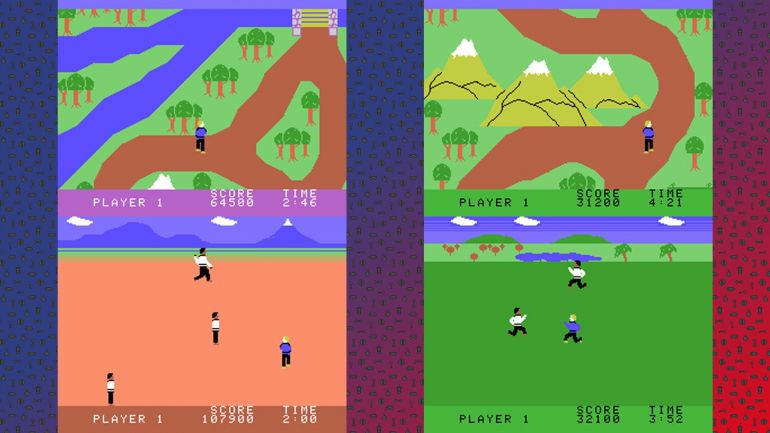
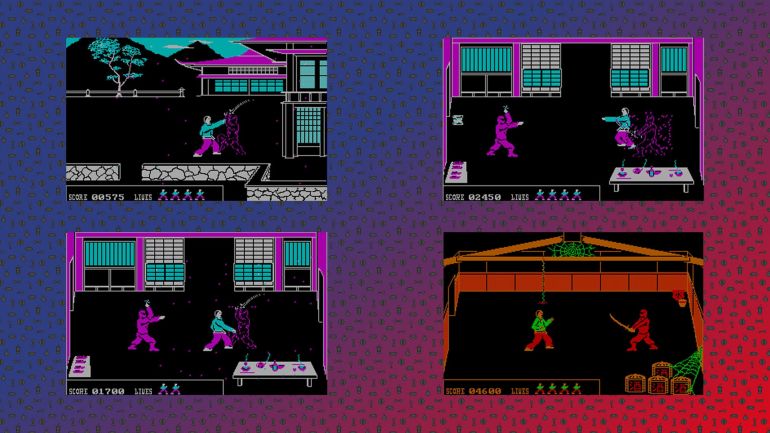
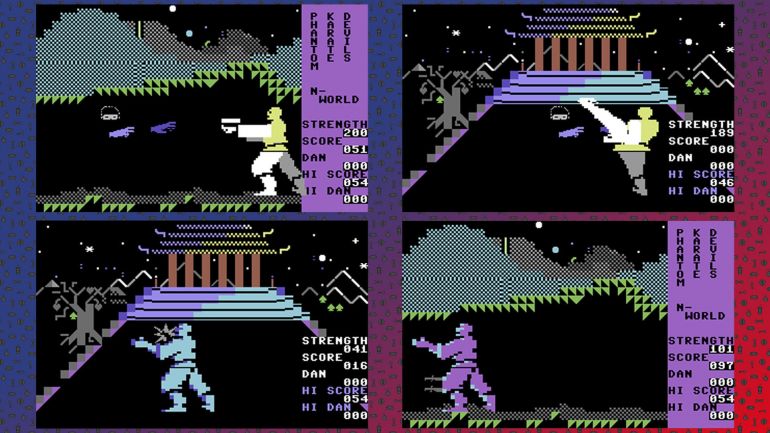
There's no month on record for the other two games, Bushido and Phantom Karate Devils. Both qualify as full-fledged beat ’em ups, though Kung-Fu Master is more often remembered as the genre's first. Both games pit you against crowds of unfriendly ninja, and various animals show up in Bushido. You have to take them all on barehanded, even though the ninja have katanas and shuriken.
also known as Bushido: The Way of the Warrior
snakes, spiders, and birds
Bushido sometimes put several enemies on screen at once. It took place across several connected locations in medieval Japan. Incidentally, the game was written in BASIC, and it's still the only beat ’em up made in that language. Phantom Karate Devils could at least boast some horizontal scrolling.
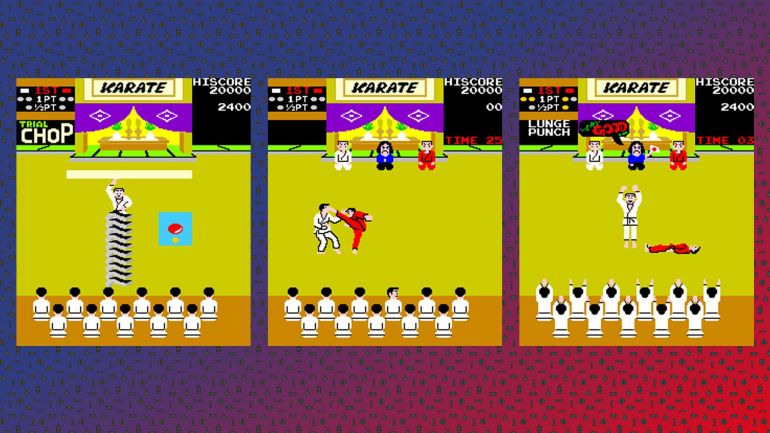
In spring 1984, Technōs and Data East scored an arcade hit with Karate Champ. It was a fighting game, of course, but it opened the floodgates for martial arts games, beat ’em ups included. Two games from that first wave came out in 1984: Kung-Fu Master and Karateka.
Kung-Fu Master was developed by Takashi Nishiyama* at Irem. It came very close to the beat ’em ups that followed and had all of the genre's core mechanics. Its story revolves around another damsel in distress the hero has to rescue by fighting his way through five floors of a pagoda, taking on hordes of enemies and a boss at the end of each level. Enemies in Kung-Fu Master even had a health bar.
*Takashi Nishiyama is a Japanese game designer who worked at Irem, Capcom, and SNK. At Capcom, he co-created the original Street Fighter and came up with the famous Hadoken. After moving to SNK, he launched another famous fighting series, Fatal Fury, and worked on The King of Fighters, Art of Fighting, and Metal Slug.
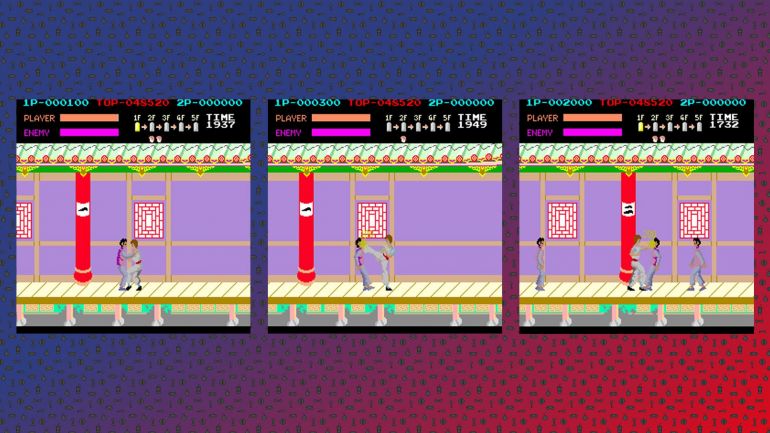
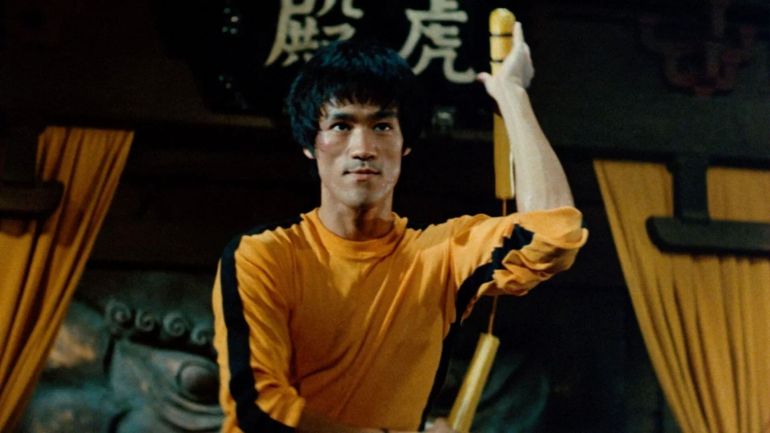
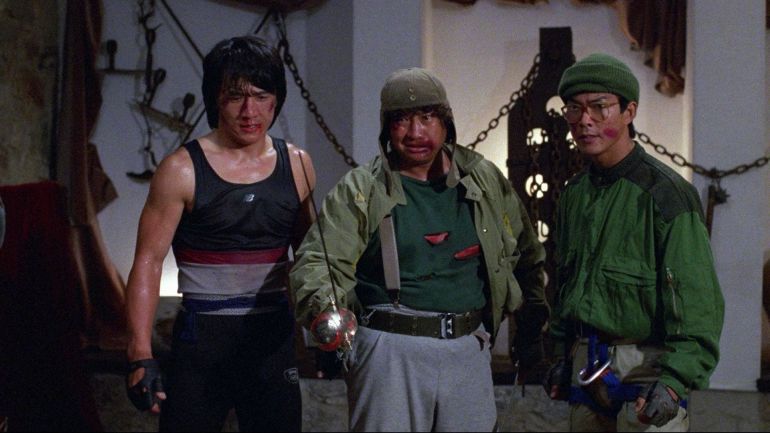
The game drew inspiration from several films. One was Bruce Lee's unfinished Game of Death, which was almost completely shot but never received a wide release. The game took its multi-level pagoda and bosses from it. The other was Wheels on Meals, starring Jackie Chan, Sammo Hung, and Yuen Biao. That film supplied part of the story, the Japanese title Spartan-X, and the hero's name, Thomas .
played by Jackie Chan
Another interesting bit of Kung-Fu Master history is that Famicom/NES development was handled by Nintendo itself, or more precisely its R&D4 division. Miyamoto led the project, working alongside Toshihiko Nakago and composer Koji Kondo. Miyamoto later said that the experience influenced the team's subsequent work on Super Mario Bros. and The Legend of Zelda.
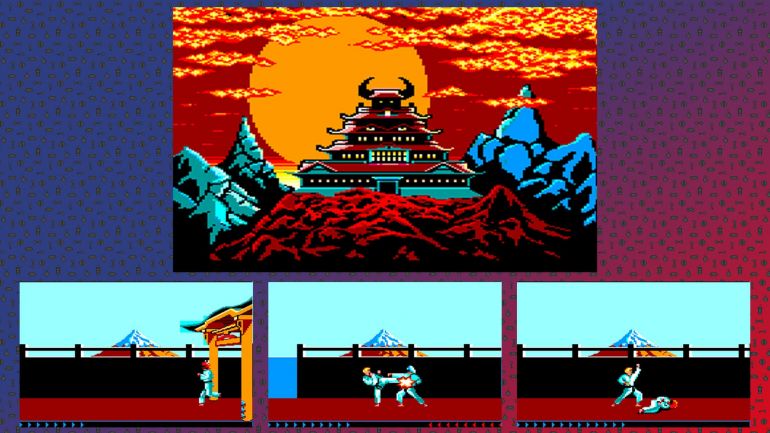
Karateka was another early beat ’em up with a damsel-in-distress story. It came out on Apple II computers instead of in arcades. It was the first game from Jordan Mechner, who later gave us Prince of Persia. It had smooth side-scrolling, cutscenes, and a fighting stance you had to enter before combat. You and your opponents each have three punches and three kicks, aimed at different heights. Karateka was also one of the first games to use rotoscoping.
Besides those two, a few fairly mediocre games with famous names in their titles came out in 1984. MSX computers got Jackie Chan no Project A, based on the 1983 film of the same name. Both the graphics and gameplay were mediocre. It was much the same story with Bruce Lee, which mixed in some platforming
.
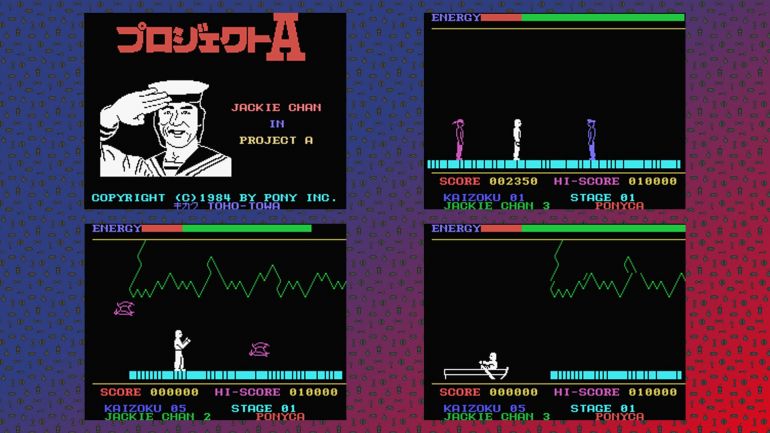
By 1985, more beat ’em ups were coming out, and arcades rang with the sounds of kung fu combat. Japan led the way, since every game released that year was developed there. There was nothing as iconic as Karateka or Kung-Fu Master. What made the year interesting was that developers started trying settings beyond medieval Japan and introduced a few new mechanics along the way.
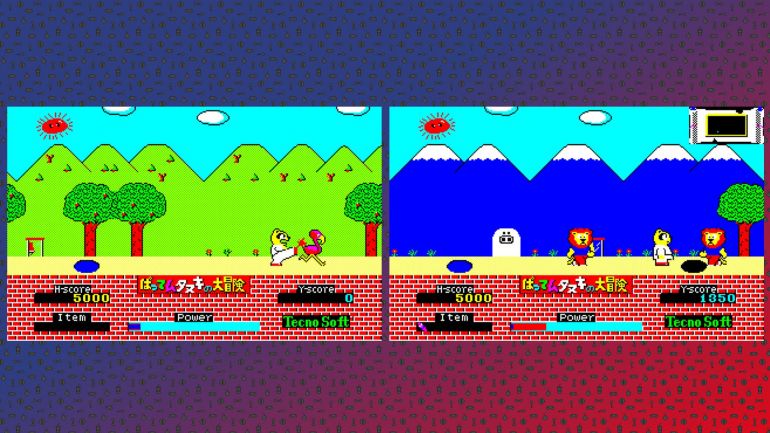
Batten Tanuki no Daibōken, for example, took place in a fairy-tale village of anthropomorphic animals and had the beginnings of a Metroidvania, requiring you to find certain items to advance the story. My Hero brought players to a modern city, though it stuck with the classic story of a damsel kidnapped by nasty thugs.
Knuckle Joe dropped players into a post-apocalyptic world with a touch of science fiction. There was no scrolling, and fights took place in separate arenas. It also had motorcycle bonus stages, weapons you could pick up, and extremely fast gameplay.
Several arcade beat ’em ups starring women came out in 1985, including Typhoon Gal and Lady Master of Kung Fu from Taito and Flashgal from Sega. The latter stood out for its motorcycle, Jet Ski, and helicopter levels.
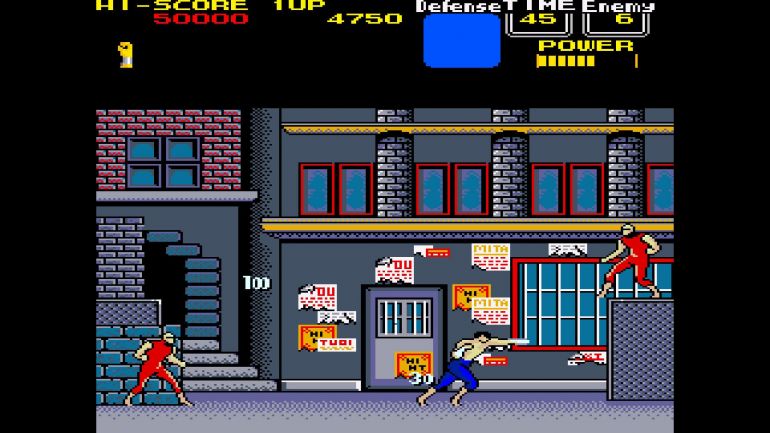
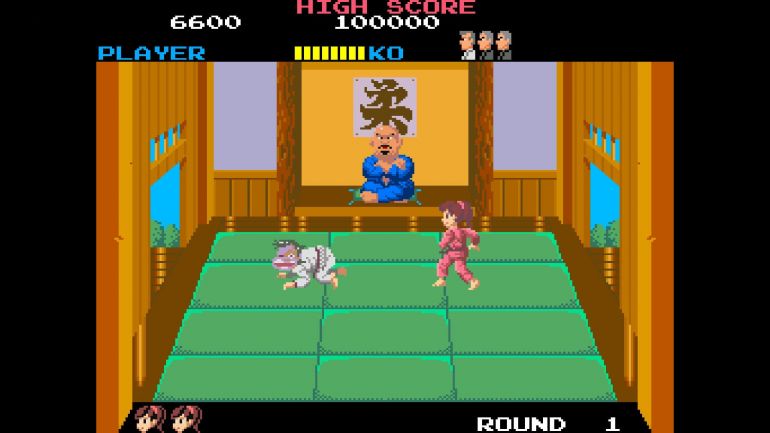
There was another Jackie Chan game, too. Jackie Chan no Spartan X from Pony Canyon came out early in the year and wasn't much different from the company's previous release, Jackie Chan no Project A. It came out for Japanese home computers from NEC, Sharp, and MSX, and was just as bad as its predecessor.
In 1986, Technōs Japan stormed in like it owned the place with the groundbreaking Nekketsu Kōha Kunio-kun. That happened because Technōs had managed to poach Yoshihisa Kishimoto from Data East. He was originally supposed to make games using LaserDisc and FMV *, as he had at his old job, but Kishimoto had other plans. He pitched Technōs a game in the increasingly popular brawler genre. It drew on Bruce Lee's Enter the Dragon and Kishimoto's teenage years, when he frequently got into street fights.
Full-motion video
*Full-motion video is a video game storytelling technique that uses prerecorded video footage to show the action.
or FMV
in place of sprites, vectors, or 3D models
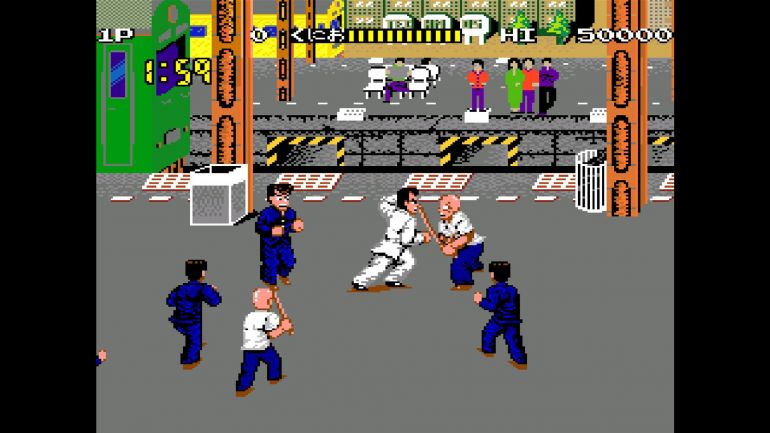
Nekketsu Kōha Kunio-kun established many of the genre's conventions and set the benchmark for beat ’em ups for years. It was the first to use an isometric perspective, letting characters move vertically as well as horizontally. Enemies had more health and no longer went down in one hit, so you could land strings of hits or combos. Technōs' first beat ’em up caught on in Japan thanks to its inventive gameplay, street-fighting premise, and colorful, funny storytelling.
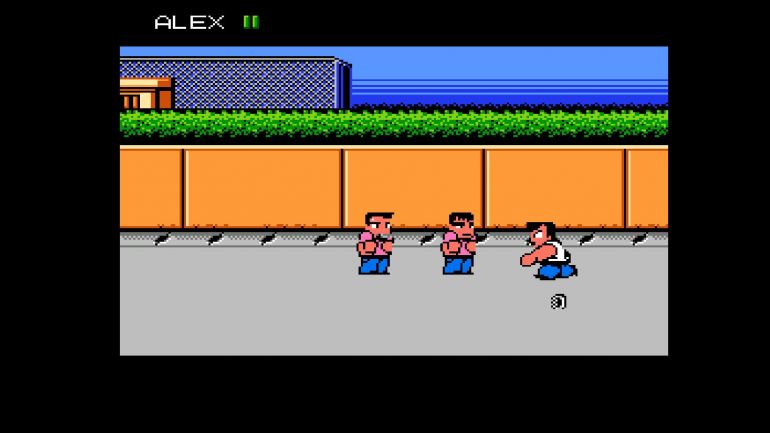
Outside Japan, the game was renamed Renegade. Character sprites and environments were redesigned with Walter Hill's The Warriors in mind. The story changed too. In Renegade, you're saving the usual damsel in distress instead of avenging a friend who keeps getting beaten up by every gang in town.
Warriors
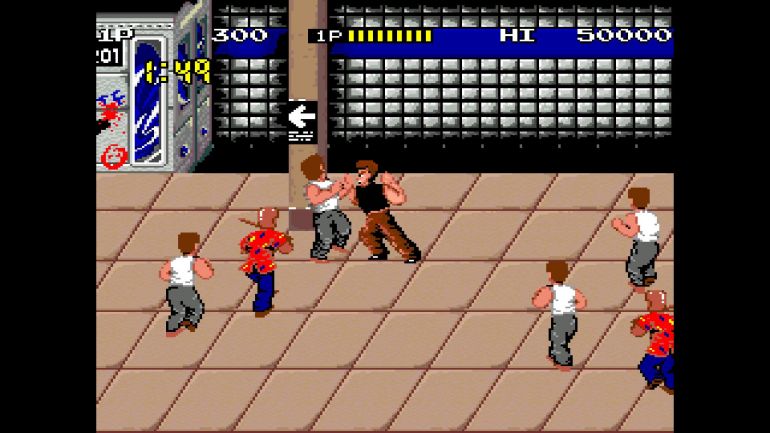
Both versions were big hits and naturally moved on to other platforms. They did best on Famicom/NES. Japan got Nekketsu Kōha Kunio-kun, while North America and Europe got Renegade. Along with the visual changes, the gameplay was reworked. The game was longer, with transitions between areas and even a motorcycle racing section. The story got a few tweaks. In the Japanese version, the hero's friend is kidnapped and you rescue him at the end. In the Western version, the game simply ends after you take down the final boss.
Compared with Nekketsu Kōha Kunio-kun/Renegade, 1986's other beat ’em ups look pretty dull and forgettable. That goes for Knuckle Busters and Fist II: The Legend Continues on Commodore 64, and for Black Belt on Sega Master System. Even Hokuto no Ken , a popular manga in ’80s Japan, couldn't generate much interest in its namesake game on NES .
better known in English as Fist of the North Star
it was downright awful
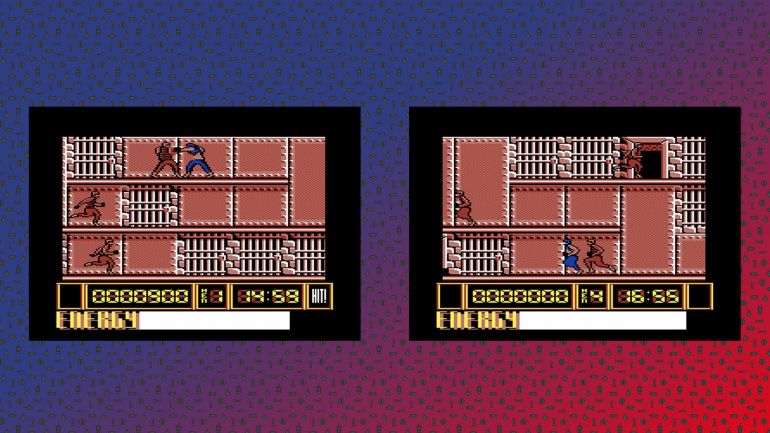
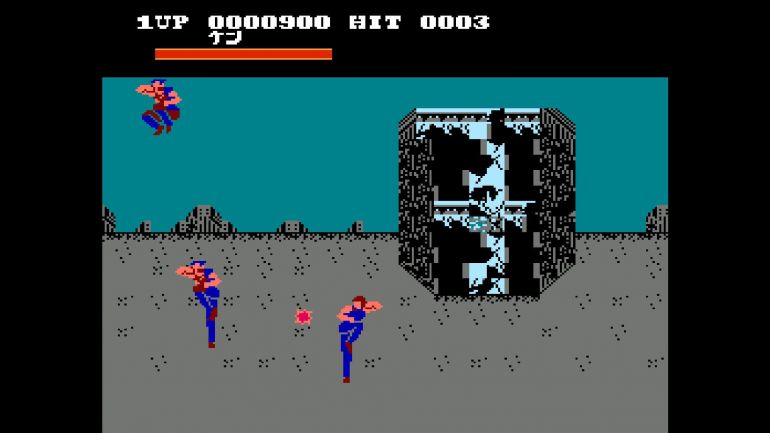
A couple of other 1986 releases stood apart. Get Star from Toaplan, called Guardian in the US, took place in a sci-fi setting with a strong mecha* influence. At the controls of a giant mech, you fought all sorts of monsters across six planets. The other game, Kyros from Alpha Denshi Kōgyō, went for the eerie atmosphere of a castle overrun with monsters, with a top-down view and gameplay that felt a lot like a shoot ’em up.
*A subgenre of anime, manga, and science fiction centered on giant humanoid fighting machines, distinct from ordinary robots. They can be autonomous combat units or piloted machines. The name comes from Japanese slang shortening the English word “mechanical .” In Japan, the genre is known as “robot anime or manga ”
.Japanese: メカ, meka
ロボットアニメ, robotto anime, and ロボット漫画, robotto manga, respectively
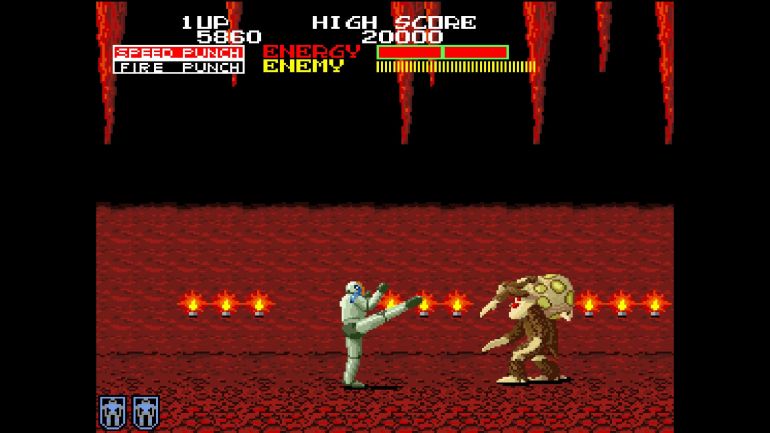
The following year, 1987, Technōs kept its grip on the genre, again with Kishimoto's help. This time the designer with a taste for street fights gave us Double Dragon. It built on the ideas in Nekketsu Kōha Kunio-kun like nothing else, and ushered in the golden age of the beat ’em up.
Double Dragon did just about everything better. Double Dragon offered two-player co-op, long levels with full side-scrolling, and a more advanced combat system that let you use weapons. It was also a technical step forward. The graphics looked better, and cutscenes lent the game a slightly cinematic feel. The sound improved, too, and Kazunaka Yamane's music was more energetic and atmospheric, capturing the game's mood perfectly.
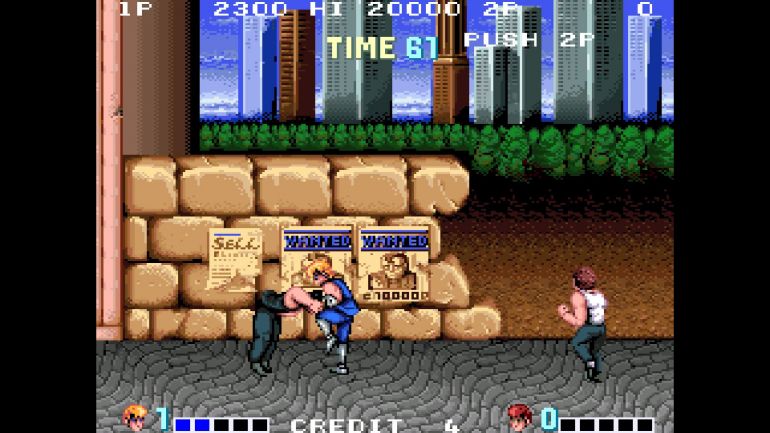
The story still revolved around a damsel in distress, though this time it was set in a post-apocalyptic world inspired by Mad Max and Fist of the North Star. That premise and two-player co-op made for an unusual twist right at the end, which helped make the game even more popular.
As you'd expect from a hit, it got plenty of ports, rereleases, and sequels. One of the most successful versions was Double Dragon for the NES, even though co-op was cut. Players got a mode where they could pick one of six characters and fight each other, just like in a fighting game.
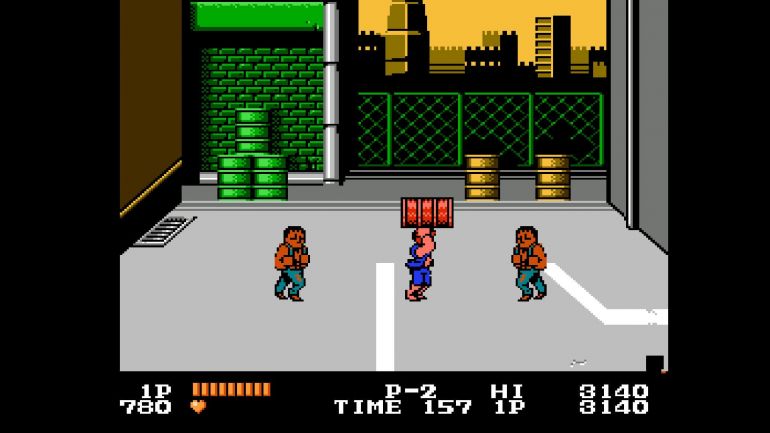
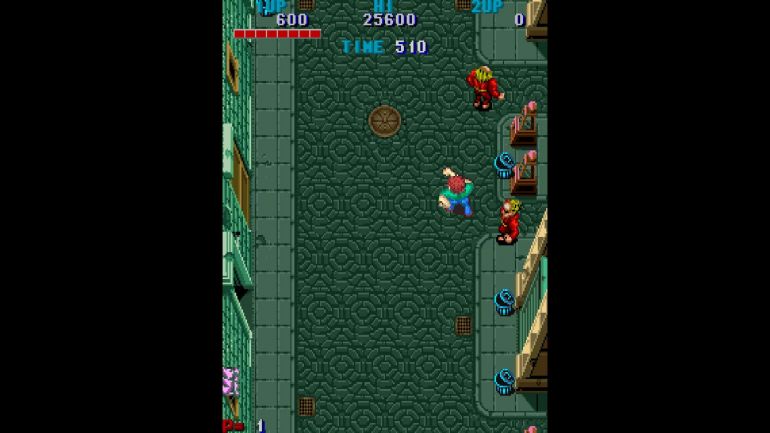
After the success of Nekketsu Kōha Kunio-kun the year before, street fights became a popular theme, and several games in that vein appeared in 1987. There was Street Gang from Time Warp Productions, Sukeban Deka II from Sega, and Bad Street Brawler from Beam Software. The one that really stood out was Avengers from Capcom. It was a beat ’em up with a top-down view and gameplay that felt a lot like a shoot ’em up. And no, it had nothing to do with Marvel comics.
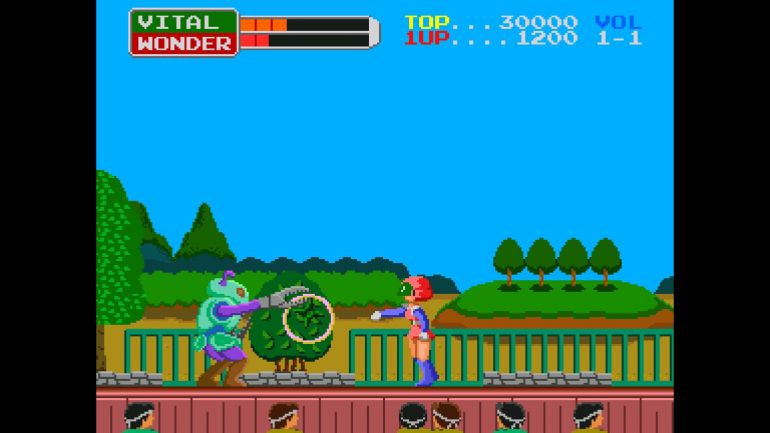
A couple of games that year went in weirder directions. Konami put out Black Panther, a simple side-scrolling brawler with platforming. You played a cybernetic black panther rather than the comic book hero from Wakanda. The other was Wonder Momo from Namco, which had a particularly unusual setting. You played an actress onstage in a children's show, fighting other actors playing thugs and monsters. Weirdly enough, photographers would show up below the stage now and then to try to shoot up the heroine's skirt.
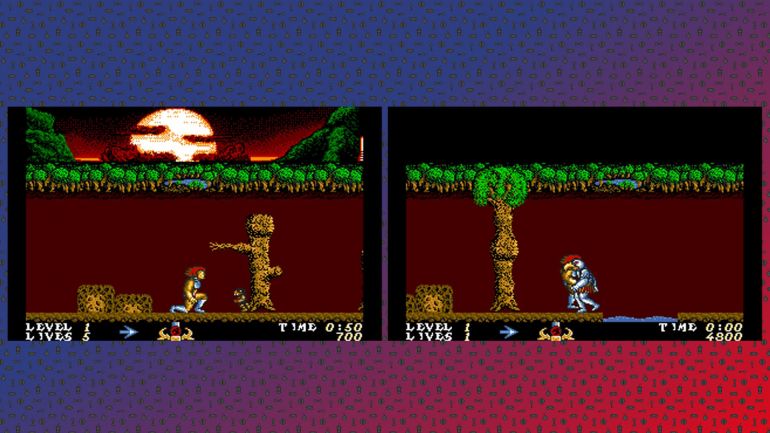
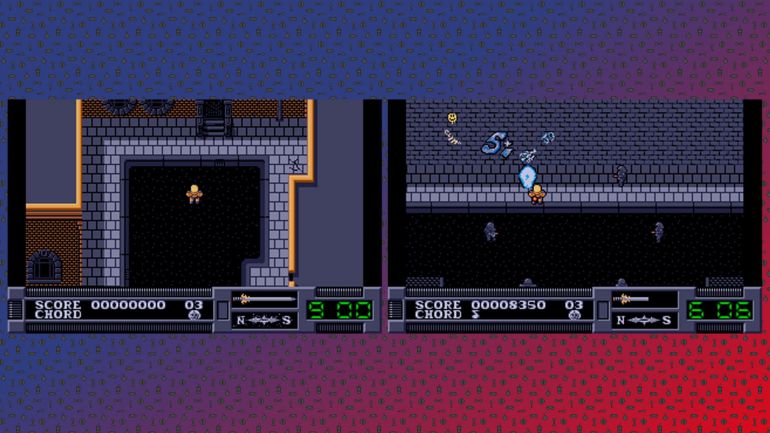
Science fiction got some attention in 1987, too, though these games mostly stayed on home computers. The fairly forgettable Thunder Force came out exclusively for the Commodore 64, with two-player co-op as its only real distinction. Games based on the popular ThunderCats and Masters of the Universe franchises made it to far more platforms, though neither really qualified as a pure beat ’em up.
ThunderCats from Gargoyle Games Ltd. played like Ghosts ’n Goblins, though you could call it an early hack-and-slash game. What set those games apart was how often the heroes fought with melee weapons . Masters of the Universe: The Movie from Gremlin Graphics Software was mostly an adventure game, with only the boss fights set up like a beat ’em up.
swords, axes, and the like
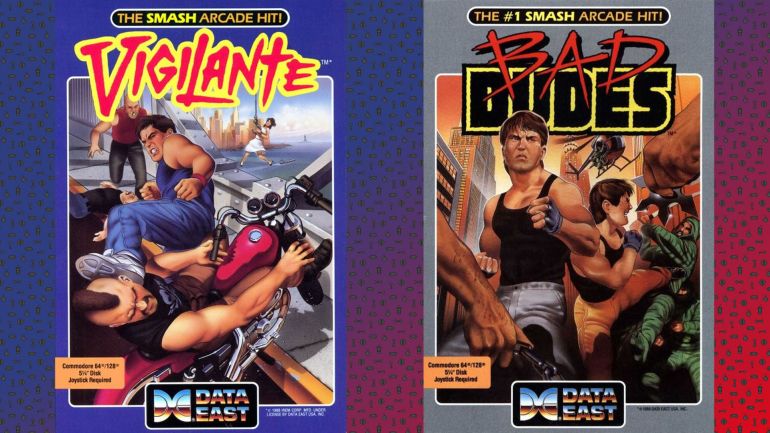
In 1988, developers looking to replicate Nekketsu Kōha Kunio-kun's formula, refined in Double Dragon, kept chasing Technōs' success. Street fighting was especially popular that year. There was Bad Dudes from Data East, Operation: Cleanstreets from Silmarils, Vigilante from Irem, Sukeban Deka III from Shouei System, The Adventures of Bayou Billy from Konami, and Target: Renegade from Ocean Software.
That last one had only an indirect connection to the Technōs game. In 1987, Ocean Software handled the release of Renegade on home computers in Europe. It later used the porting rights to put together a couple of unofficial sequels, one of which was Target: Renegade. Stylistically it had more in common with the more successful Double Dragon.
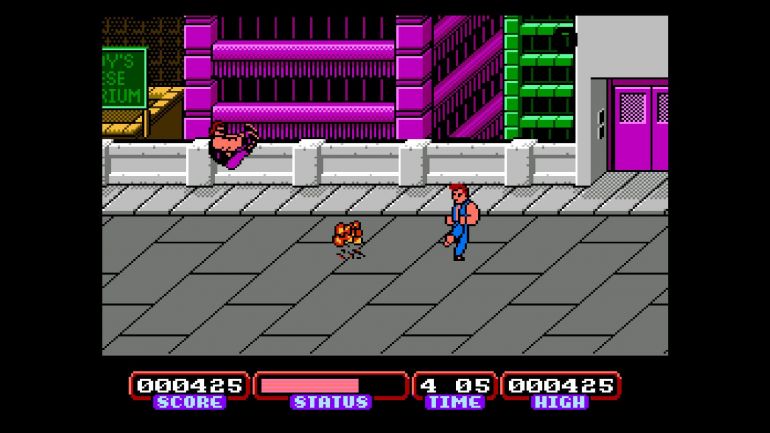
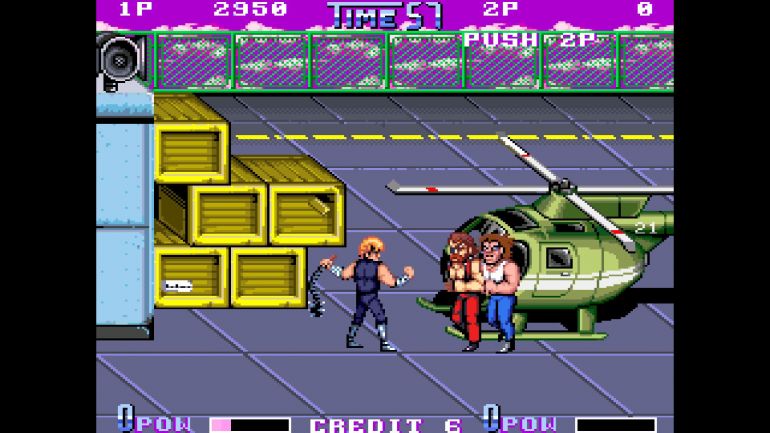
Technōs hadn't forgotten about Double Dragon, either. In 1988 it followed up the first game with Double Dragon II: The Revenge. Revenge drives the story this time. The damsel the Lee brothers rescued in the first game is killed right at the start of the sequel, so Billy and Jimmy set out to avenge her. The gameplay stayed the same, aside from a few tweaks to the controls. Even so, the sequel turned out great.
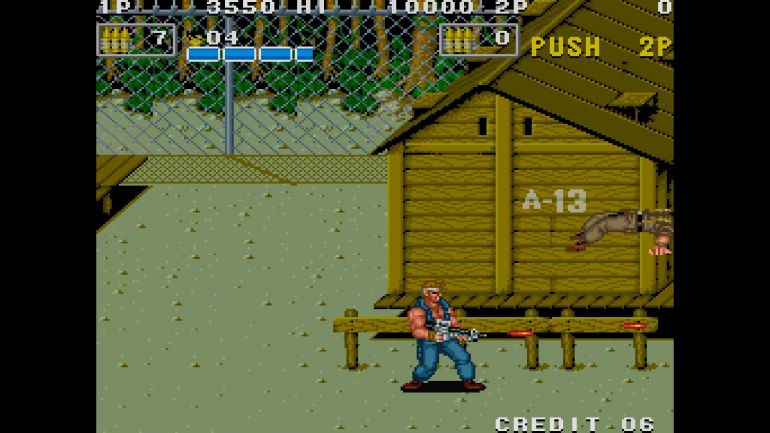
Double Dragon in particular, and street brawlers in general, had a close cousin in P.O.W.: Prisoners of War from SNK. You played a captured soldier trying to escape, or two soldiers if you decided to play with a friend. The one thing that set it apart from similar games was the ability to pick up enemy machine guns and fire them.
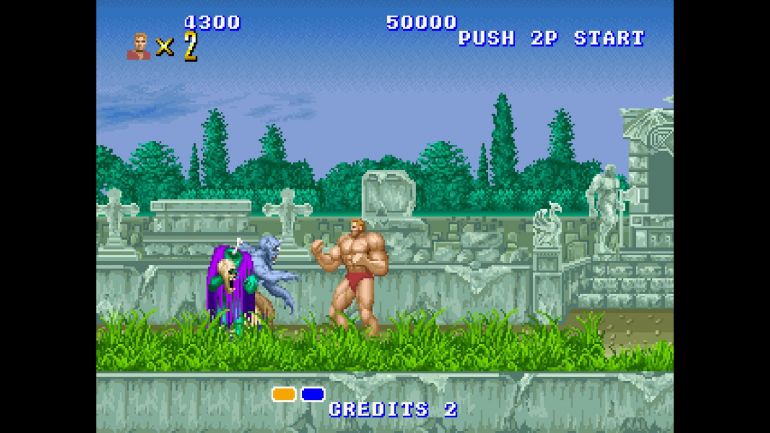
Altered Beast from Sega was a break from the urban landscapes and sci-fi settings of other 1988 games. This arcade beat ’em up took you to ancient Greece as a resurrected hero out to rescue Athena, daughter of Zeus. What set it apart was the power-ups that transformed the hero into various humanoid monsters, each with its own attacks. Game designer Makoto Uchida led development. It was his first major project, and just a year later he'd give us Golden Axe.
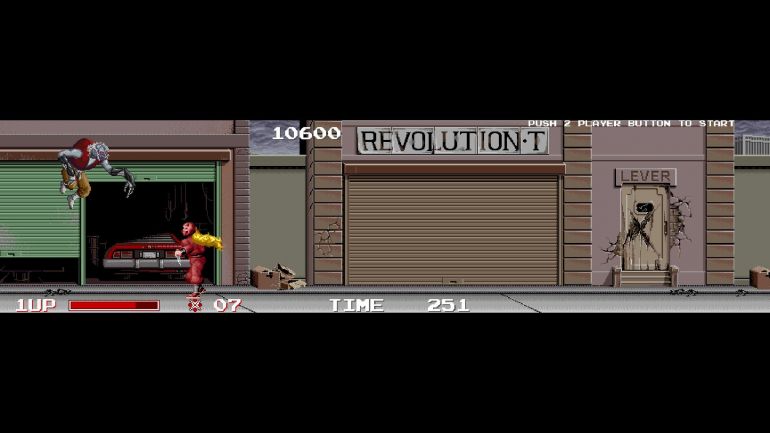
The same year saw more games in the hack-and-slash ’em up subgenre. Their heroes preferred melee weapons to bare fists. One was The Ninja Warriors from Taito, which launched a small series about cybernetic ninja. The original arcade game had a unique widescreen display made up of three adjoining screens in the cabinet.
a loose blend of beat ’em ups and their hack-and-slash subgenre
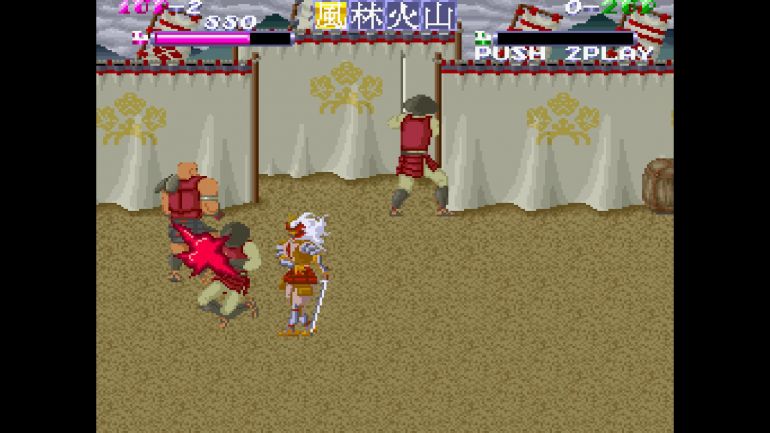
For fans of Japan's medieval Sengoku period, Jaleco released Takeda Shingen. It never got especially popular, but it had a few unique features. Enemies parry frequently, so you have to land a blow just before theirs or circle them until they leave an opening. Between the beat ’em up sections, there were horseback riding bonus stages.
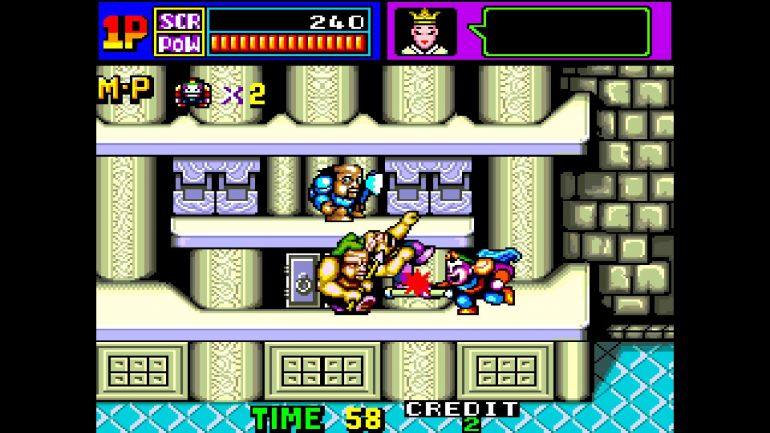
Fantasy got several games in 1988. Technōs put out China Gate, a good-looking game set in an Eastern fantasy world. You could choose from figures of Chinese and Japanese mythology: Goko the Monkey King, Hakkai the pig-man, and Gojo the kappa. The same team made Double Dragon.
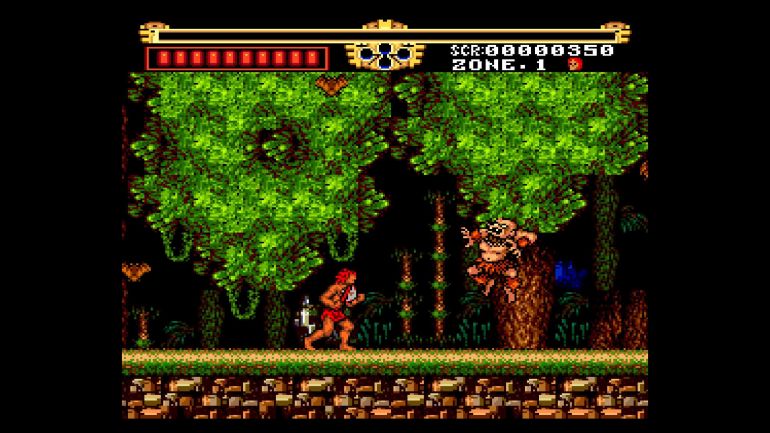
The second game, set in a classic Western fantasy world, was The Legendary Axe from Victor Musical Industries for TurboGrafx-16. It had pretty graphics and large sprites, but it was quite hard, mainly because the clunky combat made it difficult to take on more than one enemy.
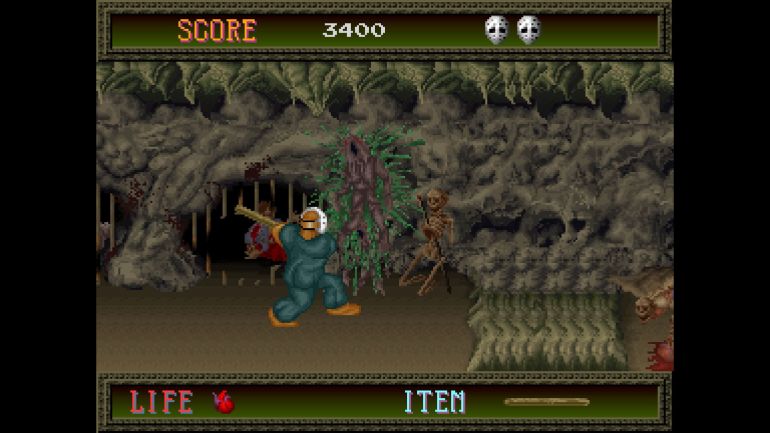
Namco offered something else entirely with Splatterhouse, an ultra-brutal beat ’em up packed with horror. Shigeru Yokoyama directed and designed it. In terms of gameplay, Splatterhouse had few surprises. Apart from its distinctive boss fights, it was a fairly average side-scrolling beat ’em up with simple platforming and a little nonlinearity. Its graphic horrors, blood, and guts really did shock, though, and it instantly became one of the most violent games around. You can still try Namco's bloody creation for yourself by following this link.
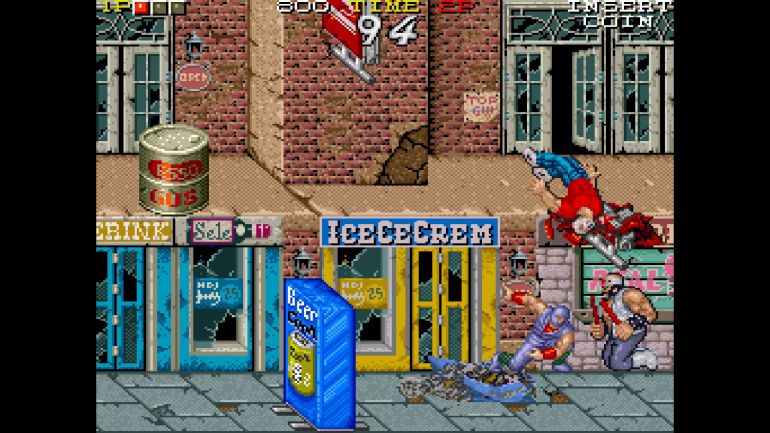
The arcade version of Ninja Gaiden came out in North America in October 1988 and in Europe a month later, kicking off a whole series of action platformers and action-adventures with hack-and-slash elements. The very first version, though, was a proper beat ’em up. You spent most of it punching and kicking enemies, only occasionally reaching for a sword. There was some platforming in Ninja Gaiden, too.
By the end of the ’80s, the number of beat ’em ups had grown considerably across every available platform, from arcades to home computers and consoles. In 1989, street-fighting clones of Renegade and Double Dragon dominated, of course.
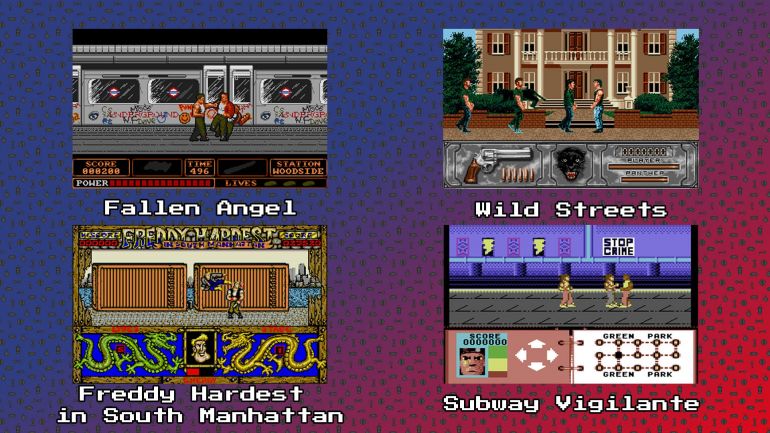
That year's releases included the following.
On home computers: Fallen Angel and Freddy Hardest in South Manhattan for DOS, Renegade III: The Final Chapter and Subway Vigilante for Commodore 64, and Wild Streets for Atari ST.
On home consoles: Chinese Kung Fu and Sakigake!! Otokojuku Shippū Ichigōsei for NES, and Last Battle for Sega Mega Drive.
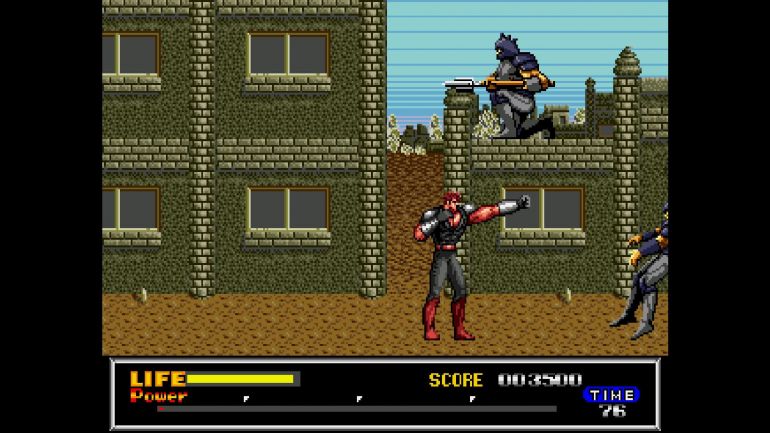
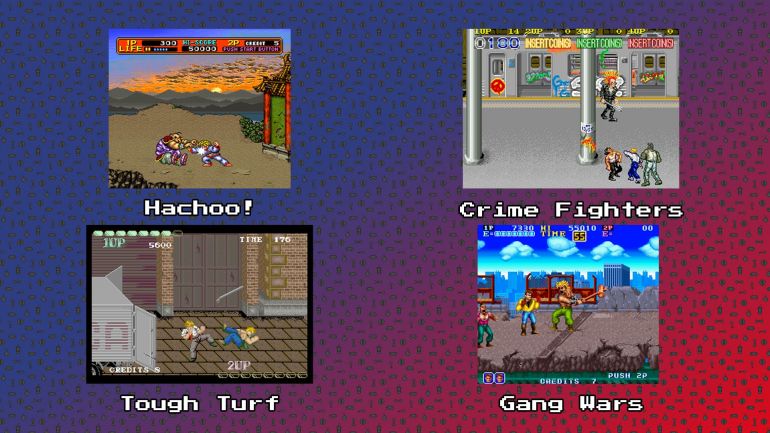
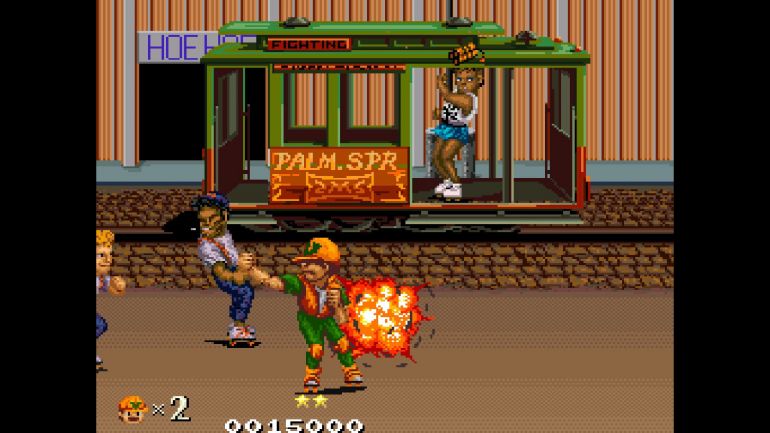
In arcades: Hachoo! from Jaleco, Tough Turf from Sun Corporation, Crime Fighters from Konami, and Gang Wars from Alpha Denshi Kōgyō. Then there was DJ Boy from Kaneko, about a kid who zips around on roller skates fighting crime.
remind you of anything?
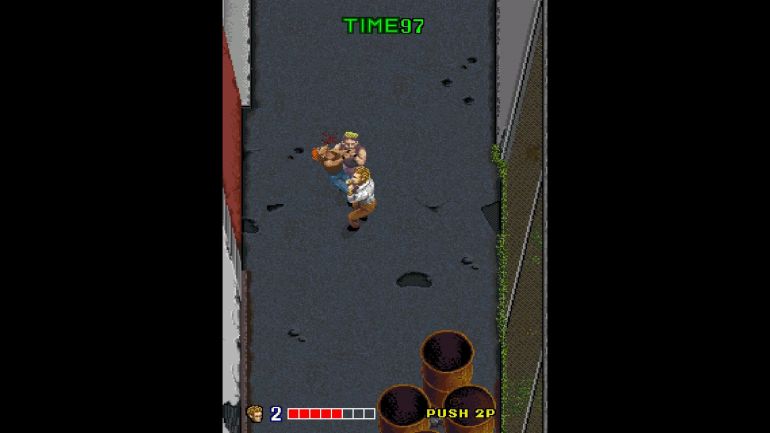
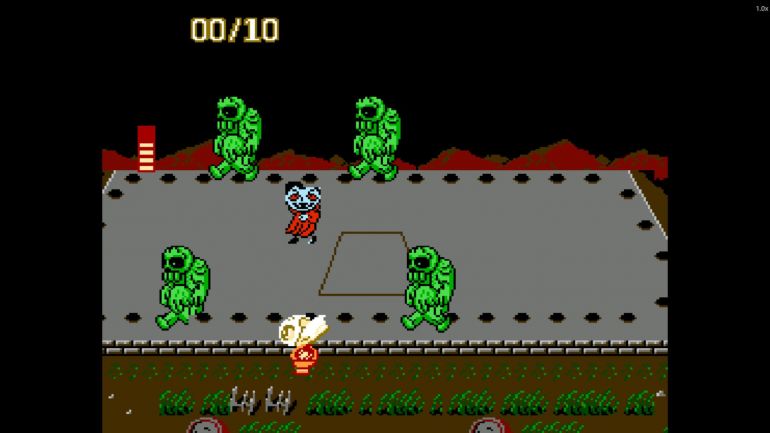
Only a handful of games used similar settings with a top-down view. DownTown from SETA Corporation had a vibe much like the early Grand Theft Auto games, minus the open world and the driving. There was also the lackluster MOT from Opera Soft, about a boy and the giant green monster in his closet. The monster, incidentally, is the one you play.
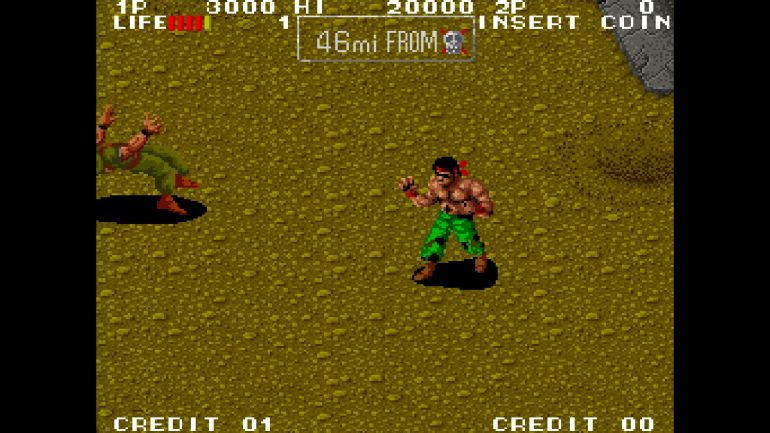
Ikari III: The Rescue from SNK went in a funny direction. The first two games were top-down shooters set in modern warfare. The third made a clean break with that gameplay. Ikari III is a top-down beat ’em up that looks an awful lot like the John Rambo movies.
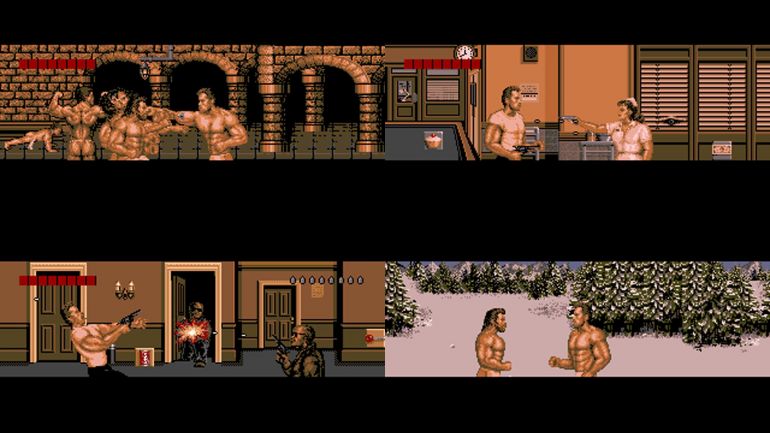
Red Heat from Special FX Software and publisher Ocean Software stood out from those games for its looks and unusual take on the genre's mechanics. It followed the movie Red Heat with Arnold Schwarzenegger practically scene for scene, and you played as Schwarzenegger's character. It wasn't a pure beat ’em up, since there were times you had to use firearms.
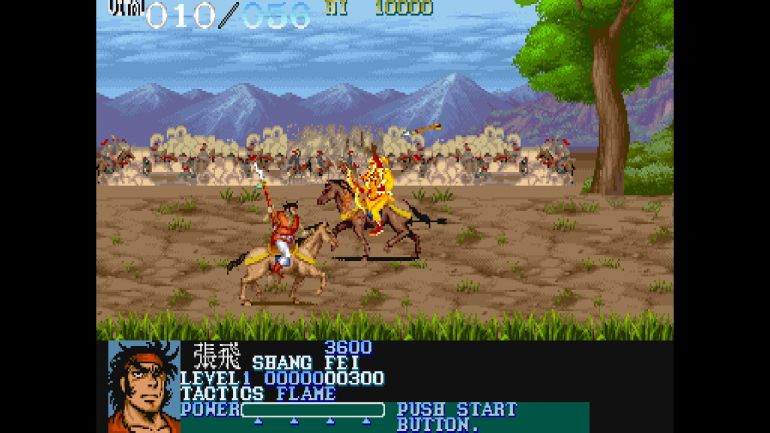
Only two games focused on East Asian culture in 1989. One was Takeda Shingen, developed by Jaleco as a TurboGrafx-16 adaptation of the arcade game of the same name. Capcom put out Dynasty Wars*, set in China's Three Kingdoms period. It was closer to a slasher than a beat ’em up. You took one of the heroes into battle on horseback, cutting through enemy ranks to reach their general.
hack and slash
*Despite the similar name and setting, this arcade game has no connection to Koei Tecmo's Dynasty Warriors hack-and-slash series.
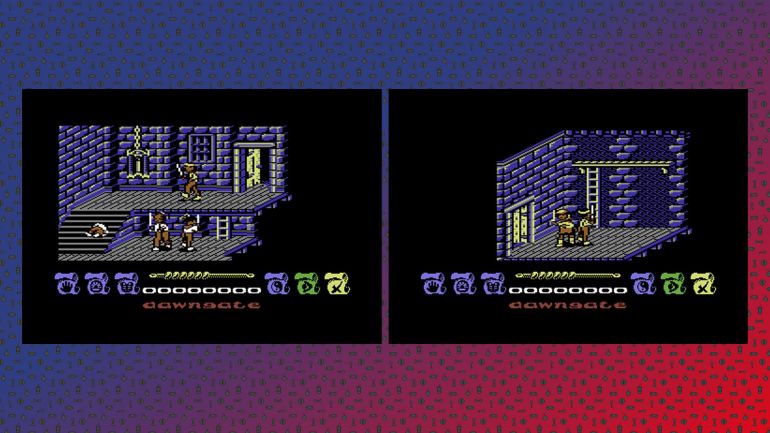
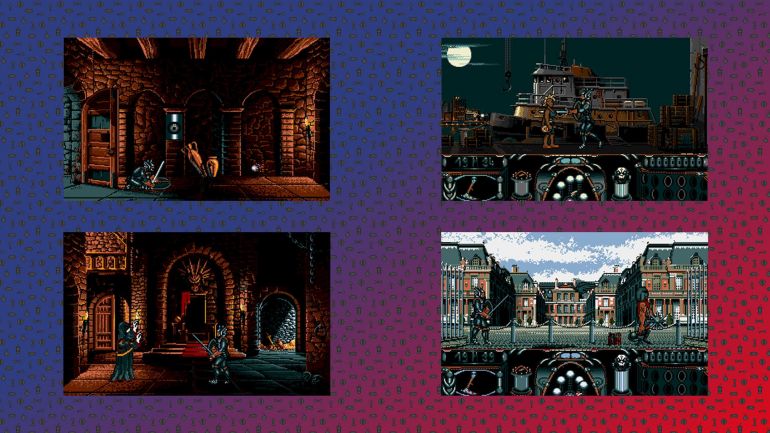
The British team at Graftgold also tried its hand at a game with an East Asian setting and a Sengoku-era feel. It released Bushido: The Way of the Warrior for Commodore 64, telling the story of a feud between two Japanese clans. It had almost nothing in common with the 1983 game of the same name. Besides fighting, a big part of the game was exploring the castle and looking for useful items.
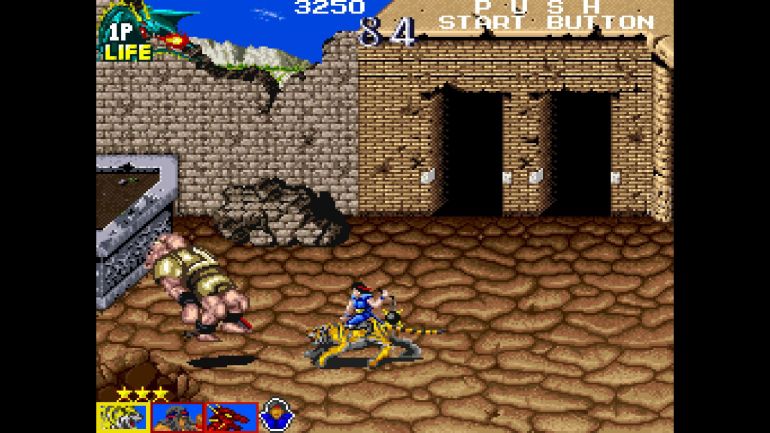
Just three games took on medieval Western fantasy. Tecmo Knight from Tecmo came to arcades, letting players ride a giant as a knight and fight mythical creatures like minotaurs and ogres. Pickups let you temporarily trade the giant for a tiger or even a dragon. Aside from that, Tecmo Knight was fairly average.
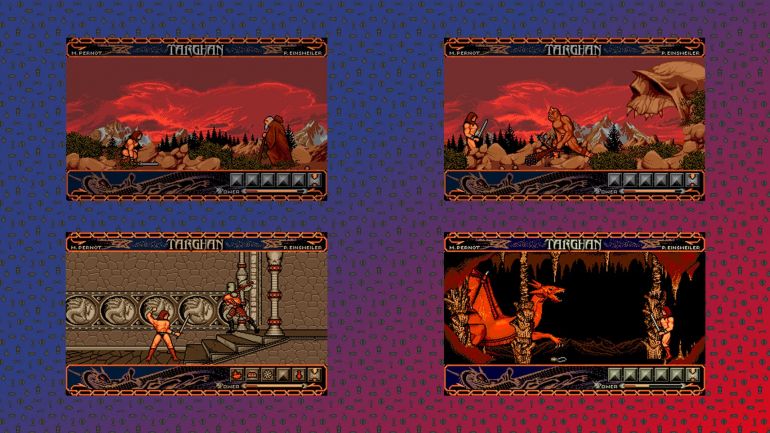
Home computers got a couple of games you could call hack-and-slash titles if you're willing to stretch the definition. The first was Targhan from Silmarils. It looked a little bare next to the arcade games of the same year. There was no true side-scrolling, just transitions between screens. Almost every fight was one-on-one. The most you could hope for was three bats on a screen.
Another 1989 release was Knight Force from Titus Interactive. It was a little closer to hack-and-slash, with more platforming, more enemies, and much faster fights. The story involves time travel, so you fight your way through five eras, from prehistoric times to the future. All to save yet another damsel in distress.
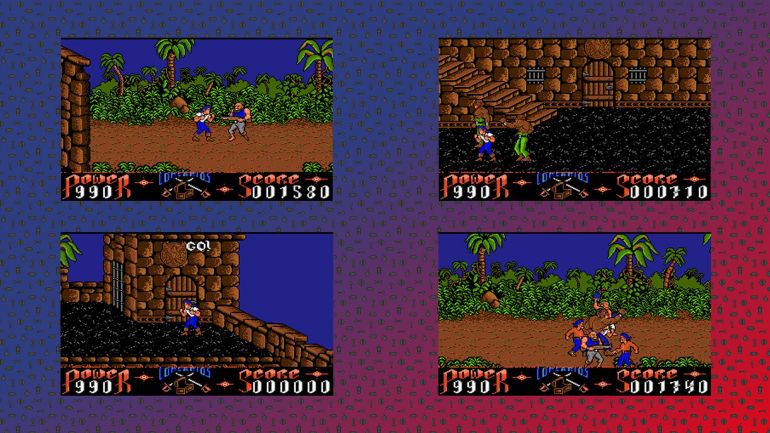
The beat ’em up unlocked a few new settings in 1989, including the Golden Age of Piracy. Two games took place in that era. Home computer players with a taste for pirate adventures could try Corsarios from Opera Soft. It offered distinct phases. The first took place on land, a classic beat ’em up where the hero punched and kicked attacking pirates aside. In the second, you moved onto ships and the game turned into a hack-and-slash, with a cutlass for taking out enemies.
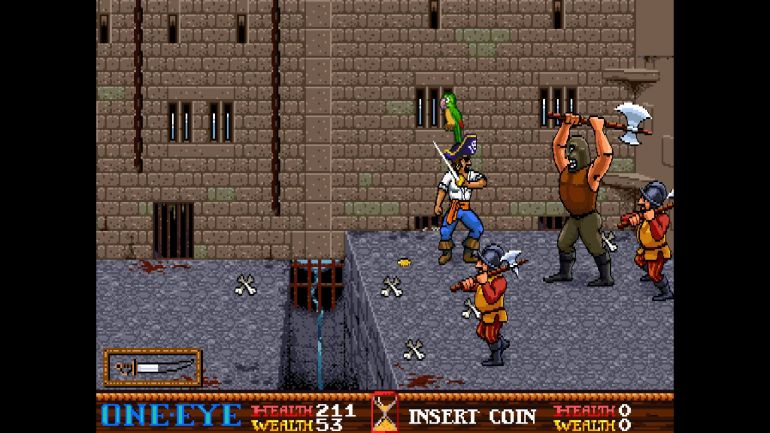
The other pirate game was Skull & Crossbones from Atari for arcades. It was more lighthearted and faster than Corsarios. The story follows two pirates whose gold was stolen by an evil wizard. Skull & Crossbones fits more neatly into hack-and-slash. Combat feels like fencing, with different techniques including parries. You can also dig up treasure.
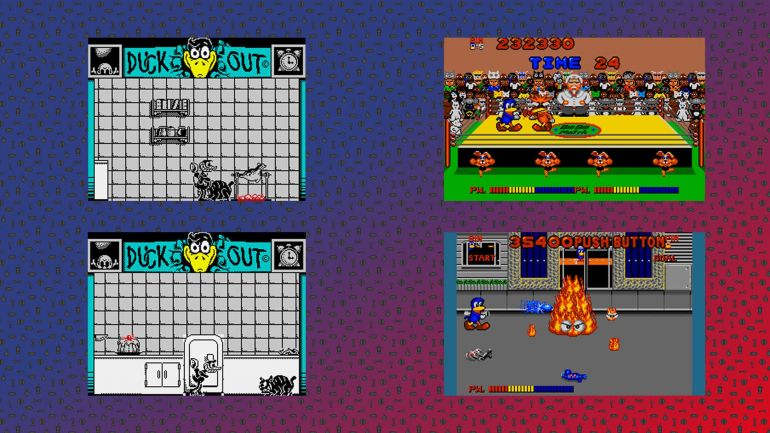
A few games stood out for genuinely offbeat premises. Funny enough, a couple featured anthropomorphic ducks. The ZX Spectrum and MSX got Duck Out!, a straight 2D beat ’em up where you played a duck trying to escape a restaurant armed with a frying pan. The other was Dynamite Düx from Sega, also released on home computers. It had more cartoonish graphics, gameplay borrowed from Renegade, and two-player co-op.
The Splatterhouse port for NES, Wanpaku Graffiti, was just as unusual. The arcade game's ultraviolence was gone, replaced by a Halloween vibe. Think the modern holiday, rather than the slasher series about Michael Myers. A huge flying pumpkin kidnaps the hero's girlfriend, and the hero himself is drawn chibi-style. The game is stuffed with horror references: Michael Jackson's Thriller short, The Fly, Alien, The Exorcist, The Texas Chain Saw Massacre, Friday the 13th, Jaws, and classic horror from Universal and Hammer. Even the ending can catch you by surprise.
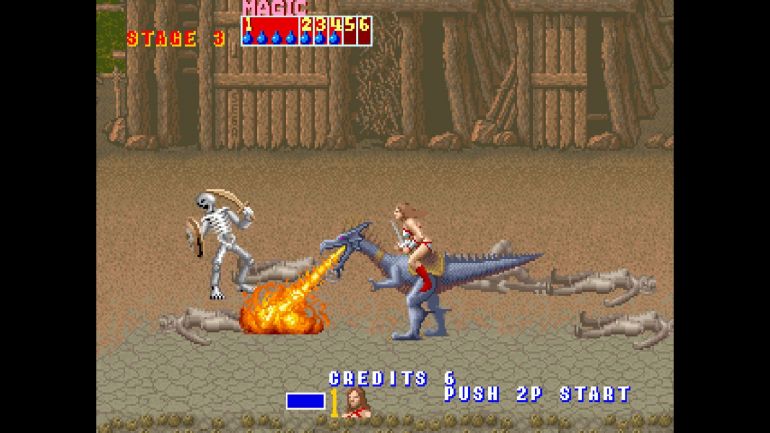
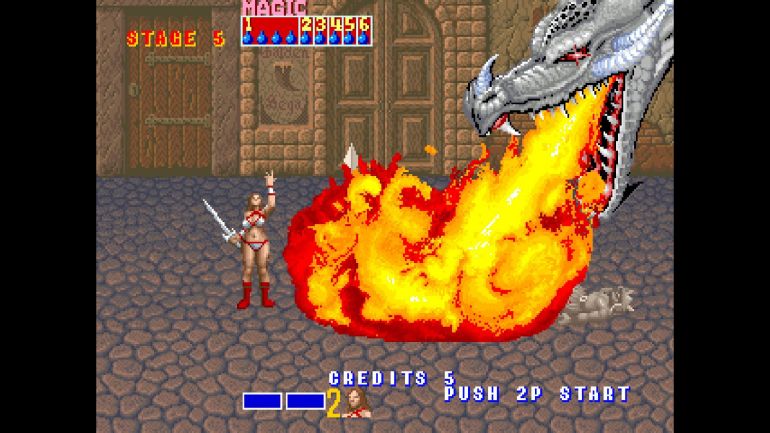
Now for the four most important beat ’em ups of 1989. First is Golden Axe, a hack-and-slash released in January by Sega and Team Shinobi, who had worked on Altered Beast. Makoto Uchida led the project. Double Dragon was a major influence, but Uchida didn't want to copy Technōs' hit outright.
Uchida picked Western fantasy, about as far as he could get from Yoshihisa Kishimoto's post-apocalyptic streets. He drew inspiration from 1982's Conan the Barbarian. That's how Golden Axe got Ax Battler, a barbarian who looks an awful lot like Schwarzenegger's Conan. Some enemies' death sounds also came from the film. Uchida drew on medieval bestiaries, too. That's where Golden Axe got its ridable beasts, cockatrices* and dragons, and the giant turtle and eagle with whole islands on their backs. Greek mythology made its way in via Jason and the Argonauts, specifically its skeletons armed with swords and shields.
*The cockatrice is a mythical creature from medieval European bestiaries and folklore. It's usually depicted as a winged serpent with a rooster's head or a rooster with a serpent's tail. Medieval legends say it hatches from an egg laid by an old rooster and incubated by a snake or toad. Its deadly gaze is said to kill living things or turn them to stone, and its breath is poisonous. Cockatrices are often confused with basilisks.
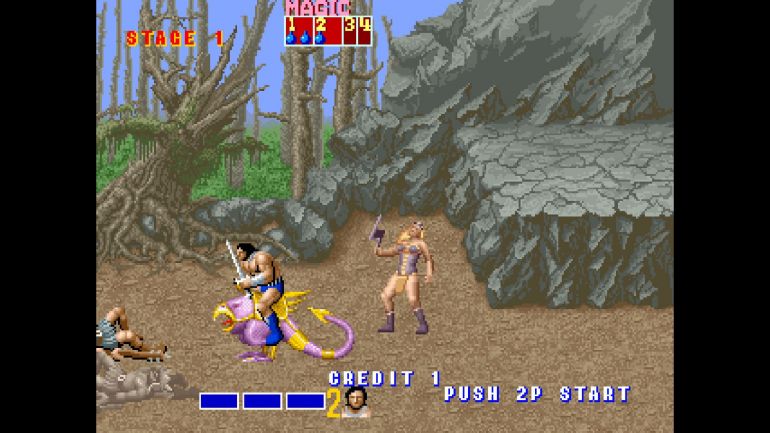
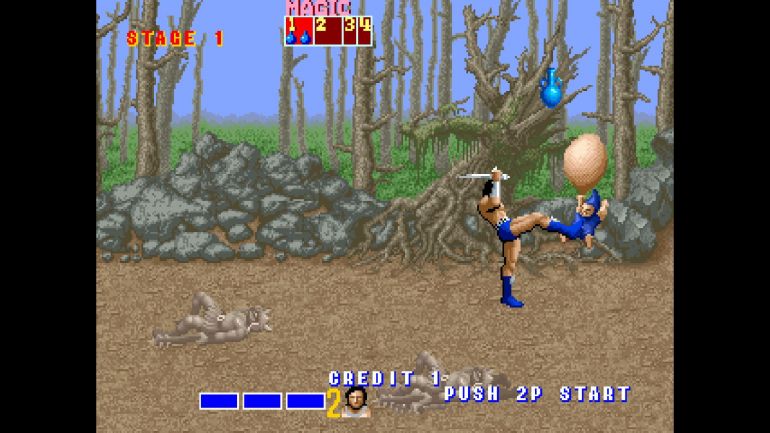
Golden Axe is a full-fledged hack-and-slash where the heroes fight with melee weapons. They can put strikes together and chain them into combos. Each hero also has their own magic, which damages every enemy on screen and grows more powerful the more magic potions you've collected. You can also ride beasts, including cockatrices and small dinosaur-like dragons.
All of that, plus excellent graphics and sound, helped make Golden Axe one of the most successful arcade games of 1989. It launched a whole series, paved the way for similar projects, and strengthened Sega's position in arcades and on home consoles.
If reading that made you want to pick up a sword and go looking for adventure again, why not do it now? You can try Golden Axe for the first time or revisit the classic at this link.
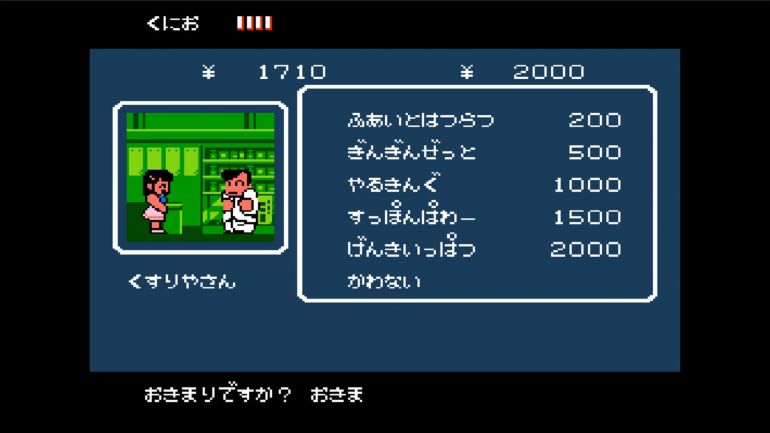
In April 1989, Technōs put out another game – Downtown Nekketsu Monogatari*, directed by Mitsuhiro Yoshida and Hiroyuki Sekimoto. It was the third game in the Nekketsu series, after the arcade games Nekketsu Kōha Kunio-kun and Nekketsu Kōkō Dodgeball Bu and their Famicom ports. Unlike the earlier games, Downtown Nekketsu Monogatari went straight to Nintendo's 8-bit home console. The story follows the first game, now starring high schoolers Kunio and Riki. Their main opponents are Ryūichi and Ryūji, the so-called Dragon Twins, an obvious nod to the heroes of Double Dragon.
Compared with earlier Technōs beat ’em ups, Downtown Nekketsu had more depth. It added RPG elements and an almost open world, divided into areas the heroes could move freely between. The city alternated between combat zones and safe areas, where you could visit shops and diners to buy food to heal up, as well as power-ups and upgrades. The heroes could learn new melee moves, too. You beat the money for all of this out of your enemies. Combat largely followed Double Dragon and let you use weapons taken from opponents.
*Monogatari is a broad term in Japanese literature for works comparable to Western novels and novellas. Monogatari are closely tied to oral tradition and almost always feature fictional plots, even when recounting historical events.
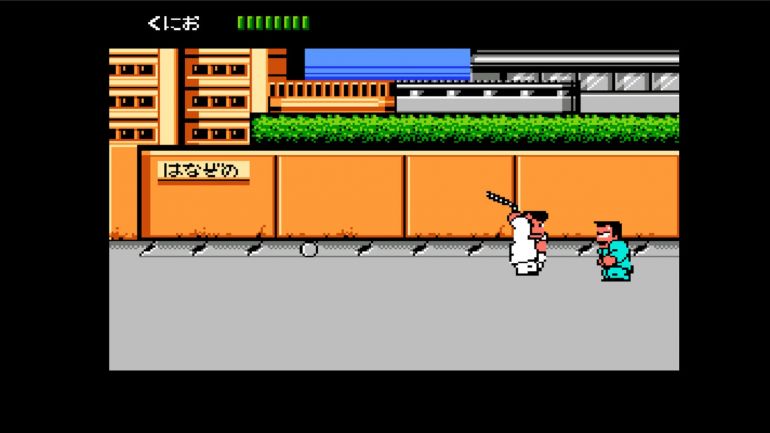
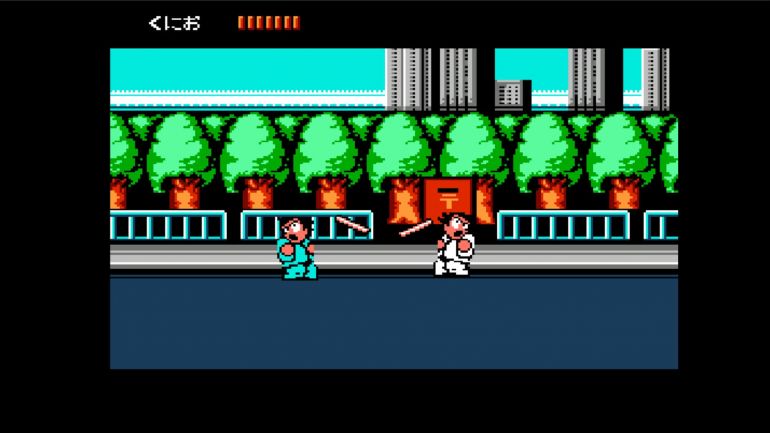
The game did well in Japan even though critics weren't wild about it. Downtown Nekketsu Monogatari was where the series fully embraced its recognizable visual style, with comical, stocky Japanese characters. It stuck with that look in every subsequent 8-bit entry.
The initial Western release didn't make much of a splash. That may have come down to an awkward localization, even though the game was fully translated into English. It came out as River City Ransom in America and Street Gangs in Europe. The series caught on later, once players had time to appreciate its inventive gameplay and great sense of humor.
In 1989, Konami released several games based on Teenage Mutant Ninja Turtles. The company was open to more licensed projects after the success of 1986's Top Gun, based on the film of the same name. Around then, the success of the original mutant turtle comics by Kevin Eastman and Peter Laird led to a full toy line in partnership with Surge Licensing. In 1987, before the toys went into production, Surge head Mark Freedman approached Konami about making a Teenage Mutant Ninja Turtles game. Work on two games soon began. By then, Fred Wolf Films' animated series had come out, and the games would be based on it.
The first was Teenage Mutant Ninja Turtles for Famicom. It made it to North America in June with the same title. It was mostly a 2D action platformer with some light hack-and-slash elements. The view switched between top-down outdoors and side-on inside buildings or sewers.
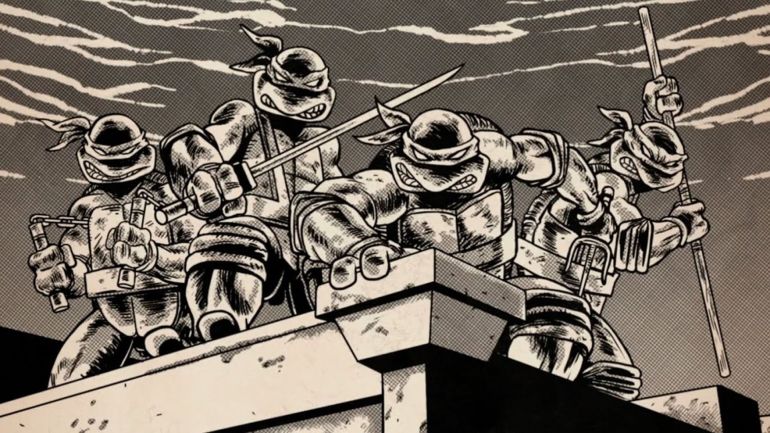
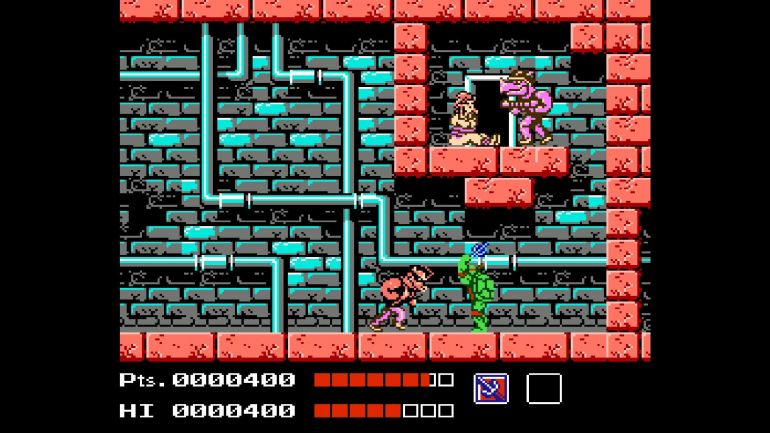
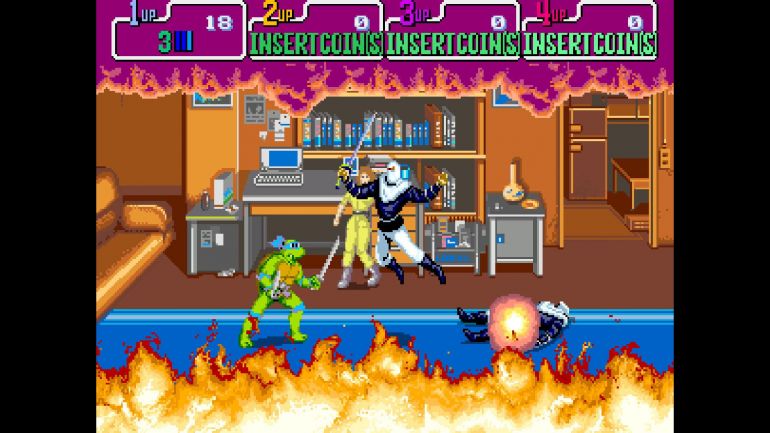
A full beat ’em up and hack-and-slash hybrid arrived in October. It was also called Teenage Mutant Ninja Turtles, but releasing it in arcades in North America and Europe kept the two games distinct. It leaned heavily on the successful Double Dragon formula, but had brighter, sharper graphics, carried over the cartoon's style, and added a little humor. It also played faster and had a much more interactive environment. It was an instant hit, surpassing Double Dragon in popularity and becoming Konami 's most profitable game ever. Japan didn't get the arcade game until the following summer, as Teenage Mutant Ninja Turtles: Super Kame Ninja.
at the time
The last major beat ’em up of the ’80s was Final Fight from Capcom. It started out as a standalone project, but the team tried to make it more appealing by tying it to the successful Street Fighter and renaming it Street Fighter ’89. After the first showings got a warm reception, they went back to Final Fight. The developers included Akira Nishitani, Akira Yasuda, and Yoshiki Okamoto, who later worked on Street Fighter II.
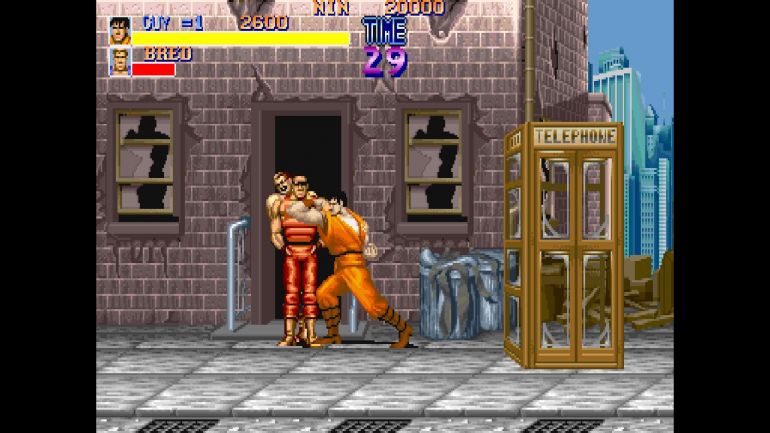
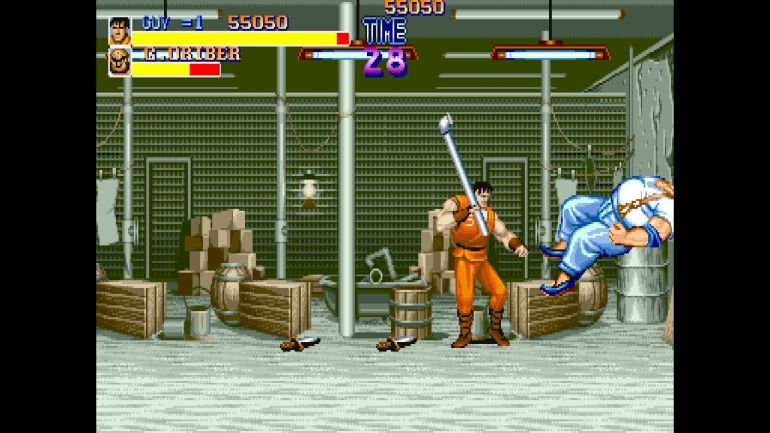
The plot, setting, and gameplay weren't especially original, though all were executed to a high standard. Final Fight is basically a close copy of Double Dragon that brings together the best of the genre. You can punch, kick, jump attack, grapple, and use special moves. There are three characters to choose from, each with their own strengths and moveset. Besides fighting with your hands and feet, you can pick up weapons hidden in crates and barrels or knock them out of enemies. Every stage is a series of fights with a boss at the end.
The story isn't particularly original either. Once again, you're rescuing a damsel in distress from street gangs. What distinguishes it from other beat ’em ups is mainly the visual style. Final Fight looks terrific, with beautiful, big sprites and impressive effects.
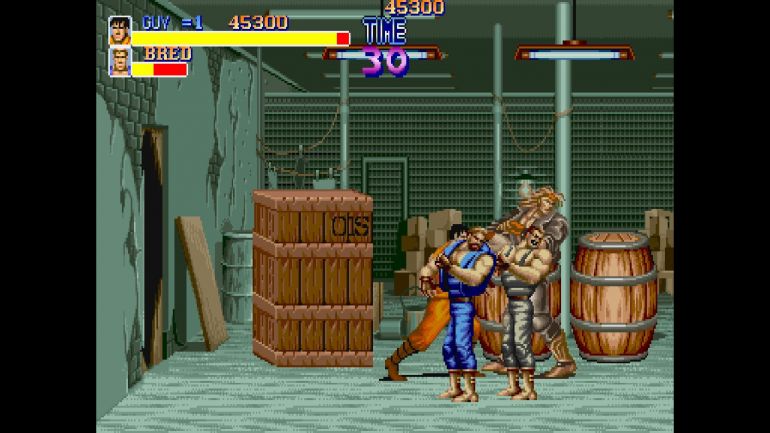
Final Fight got a warm reception worldwide. In the early ’90s its cabinet was one of the most popular in Japan, and in 1991 it was beaten only by Capcom's next game, Street Fighter II. Final Fight launched a series with three full sequels, including the fully 3D Final Fight: Streetwise, plus two spin-offs. There was Famicom/NES's Mighty Final Fight and an arcade and Sega Saturn fighting game, Final Fight Revenge. It also helped inspire later games in the genre, such as Streets of Rage, or Bare Knuckle: Ikari no Tekken, from Sega.
By the end of the ’80s, the beat ’em up had truly come into its own and laid a solid foundation for action games to build on. Double Dragon, Golden Axe, and Final Fight defined the genre for a generation and beyond. The side view, hordes of enemies to beat up, co-op, and simple stories paired with gripping gameplay gave players hours of fun. They also showed what interactive storytelling, fast-paced combat, and playing together could do, leaving a lasting mark on later generations of developers and players.
Enjoyed this article? Found it helpful? Support GameSpirit.org and help us create more great content.
Author: Godlike_Goblin for GameSpirit.org


