
Disciples: Domination Review
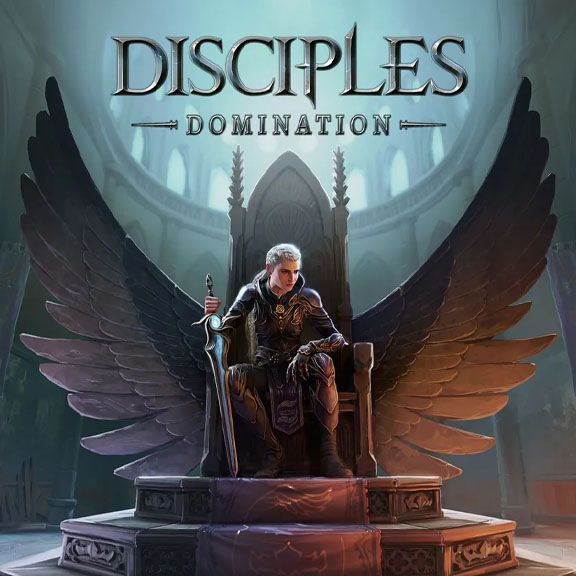
Title: | Disciples: Domination |
Developer: | Artefacts Studio |
Publisher: | Kalypso Media Digital |
Release: | 23.08.2026 |
Alongside Heroes of Might and Magic, Disciples is one of the most beloved gaming series in the CIS countries. It offered a dark Gothic atmosphere, a richly developed world with a distinctive history, and engrossing gameplay. But while Heroes followed its legendary third installment with a great fifth game, at least, Disciples had the misfortune of falling into Akella’s hands. The company couldn’t even bring the game to a logical conclusion.
After the failure of the third Disciples, the series disappeared from view for almost a decade. Then, to everyone’s surprise, its new rights holder, Kalypso Media, unveiled a new game in the universe in early 2021, Disciples: Liberation. Fans initially rejoiced, but quickly realized they’d been screwed over. Only names and proper nouns remained from the original games. Liberation was a reimagining rather than a continuation, and it’s hard to call it a proper entry in the series. More a product containing traces of Disciples. Even then, the concentration of the series players had loved was minimal.
In early 2026, five years after Liberation, the series received a new sequel, Domination. Disciples: Domination doesn’t stray far from its predecessor in either visuals or gameplay. You could call it an extremely cautious sequel that only slightly develops the previous game’s ideas. In fact, the biggest change was the developer. Canada’s Frima Studio was replaced by the more experienced French team at Artefacts Studio.
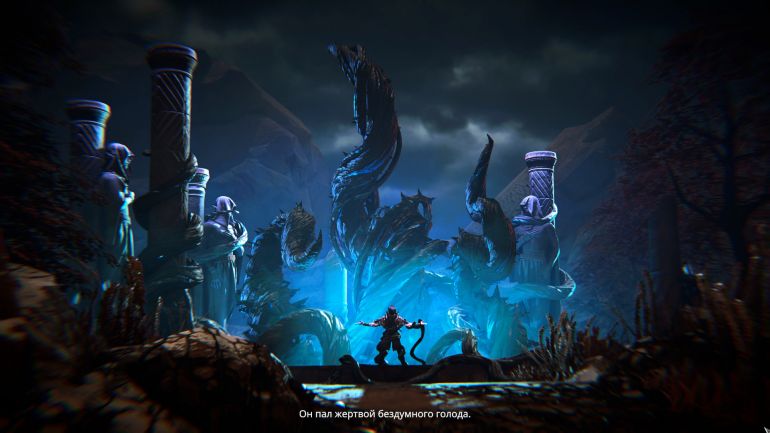
The story begins 15 years after Liberation. The Veil has been defeated, and Nevendaar’s new ruler, Avyanna, has become completely disillusioned with both herself and her ideals. She’s burdened by the feeling that she’s becoming the very thing she fought throughout the first game. Gradually, she withdraws into herself, loses the friends who accompanied her on that journey, and forgets that she’s supposed to be ruling the world. Eventually, the sacred city of Yllian is abandoned by everyone but Avyanna. Left without higher powers watching over it, Nevendaar slides back into unrelenting darkness and cruelty. As if that weren’t enough, a strange substance spreads across the land, poisoning it and driving Nevendaar’s inhabitants mad.
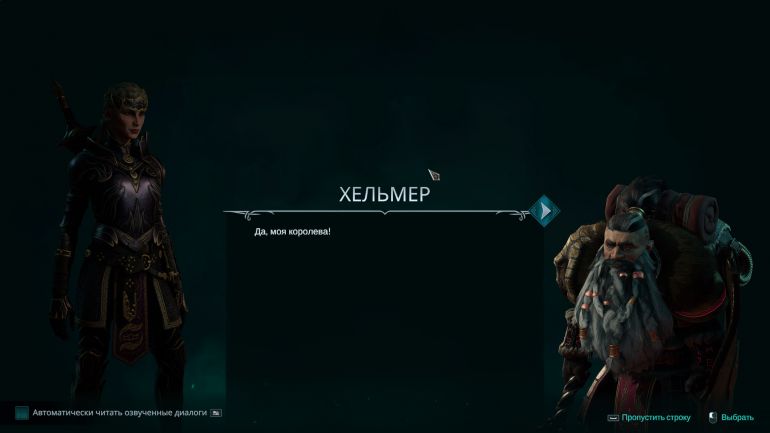
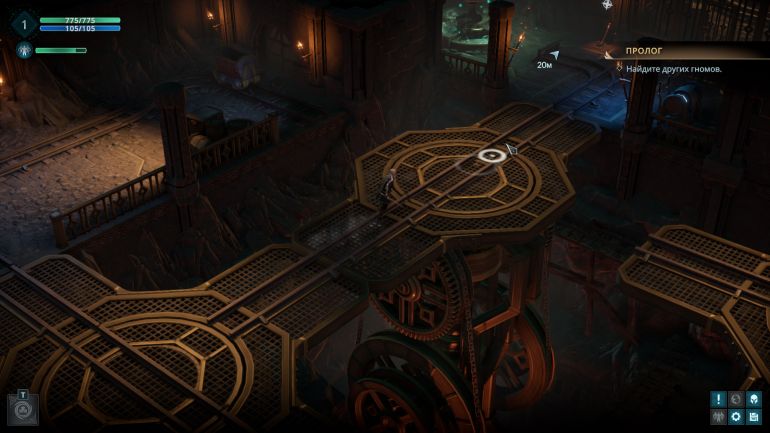
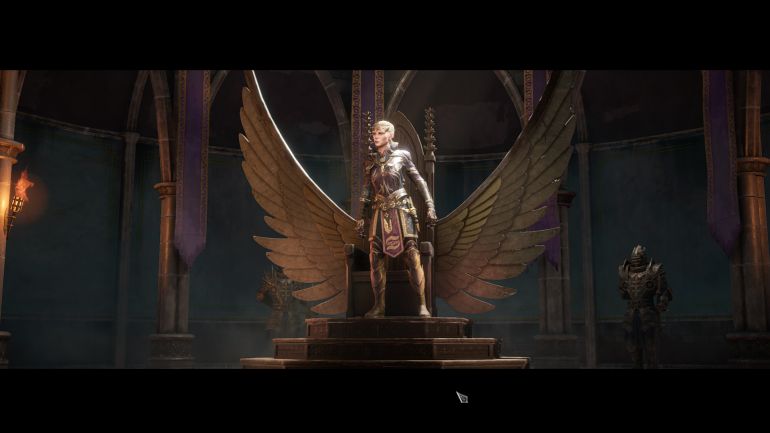
This is already where the storytelling runs into trouble. In the opening cutscene, Avyanna sits sadly on her throne in Yllian. The game clearly emphasizes that everyone has abandoned her because of her behavior. Then gameplay begins, and she’s already poking around abandoned dwarven mines* with demons and other servants in tow. It also turns out these mines aren’t all that abandoned, since dwarves live there. Don’t expect an explanation of how that happened. Like Liberation, Domination’s story is riddled with gaps.
Overall, the new Disciples story is hard to call interesting in any way. There are no memorable characters or unexpected twists, and the side quests fail at the very thing they were added to do, fleshing out the lore. Even Avyanna’s companion quests are halfhearted. Take the demoness Illmeren, who’s trying to find whoever betrayed her. Three times , suspects point her toward someone else. Things occasionally reach outright stupid territory, with guards acknowledging Avyanna as their queen and still refusing to let her through. And the fact that the ruler of all Nevendaar has to sort out petty errands says plenty.
THREE TIMES!
*Rather symbolic, incidentally. The first reboot game also began in filthy sewage water, and now we get abandoned, dusty mines...
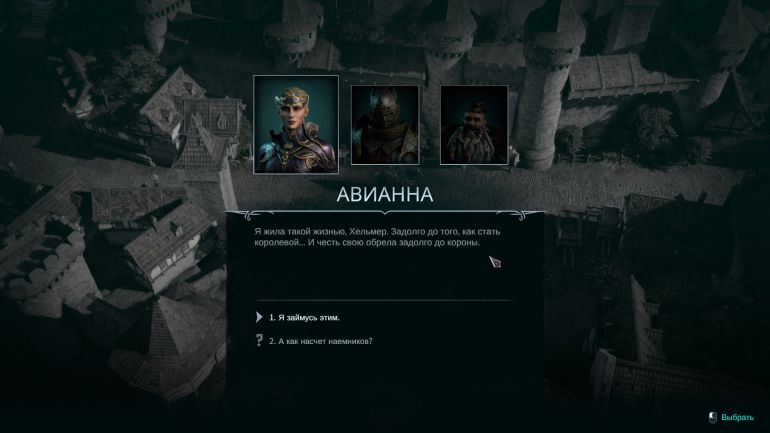
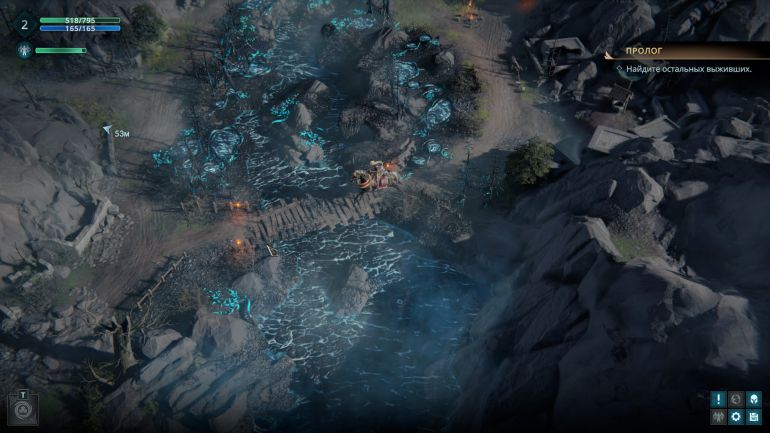
There are some bright spots in Disciples: Domination’s storytelling, though. The new developers listened to criticism of Liberation and worked on some of its mistakes. Domination is darker, harsher, and more brutal, although they couldn’t quite bring it up to the level of a proper Disciples. There are fewer companions, but each gets more attention. Avyanna is a little less amorous now. You can romance any companion, but only one, and only toward the end. With NPCs you meet, however, flirting is as far as it goes. Never mind whether you’re facing a terrifying demon or a living tree.
Mechanically, Domination hasn’t moved far from its predecessor. It’s an RPG with turn-based strategy elements rather than a turn-based strategy game like the original Disciples. The imitation of King’s Bounty continues, in other words. Broadly speaking, gameplay falls into three parts, exploring the world, light city and army management, and tactical battles.
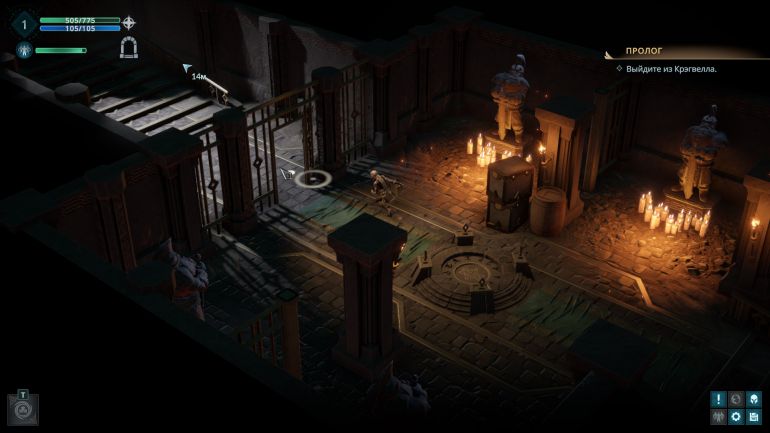
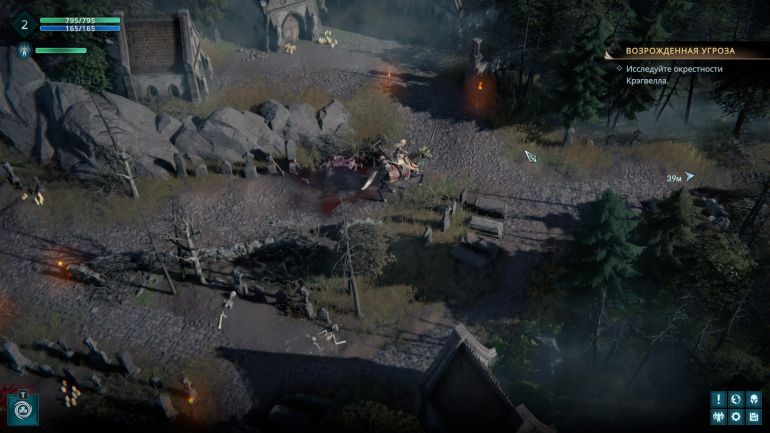
The heroine can explore five regions of Nevendaar, each generously littered with resources, treasure, enemies, and points of interest. The nicest change is the removal of fast-travel restrictions. You can now move freely between locations thanks to the many teleportation points scattered around the world. This works both outdoors and in dungeons.
Naturally, they haven’t brought back territorial control, one of the series’ defining ideas. Get ready to capture every resource mine you come across to establish a steady income. As before, resources accumulate over time, rather than by turn . That means you can leave the game running overnight to rake in a bigger haul.
because there are none here
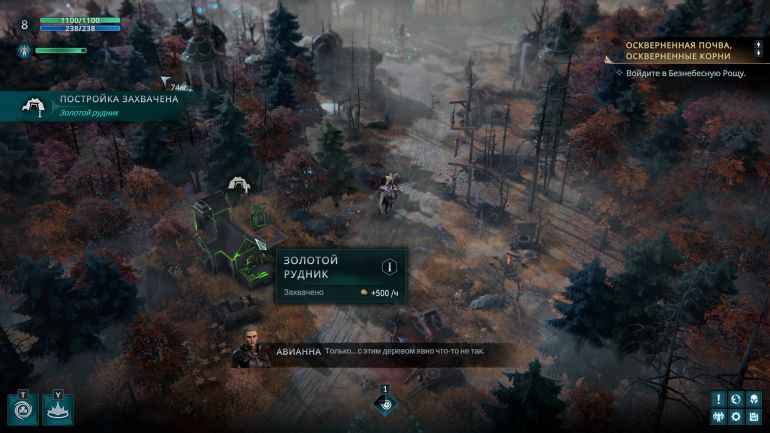
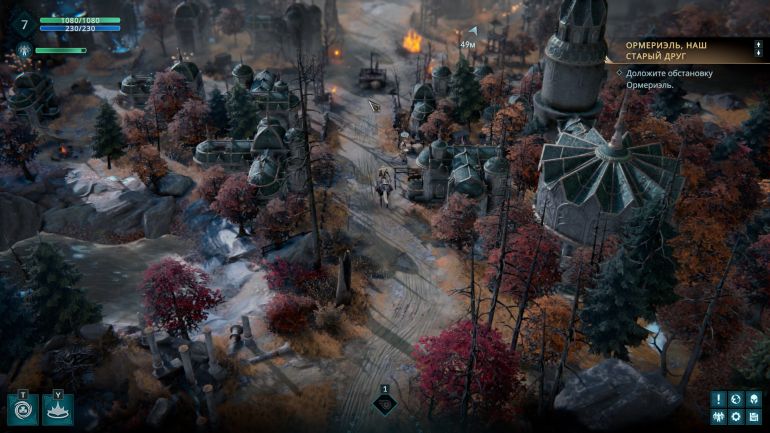
The economy is hard to call well thought out. It seems designed to make your life harder early on, then become completely useless later. Judge for yourself. Initially, the game practically forces you to vacuum up resources across the map to upgrade your city and troops. By the second half, you have so much stockpiled that there’s nothing left to spend it on. The decision to prevent selling resources for gold is strange too.
You can use accumulated resources in different ways, but most go toward developing Yllian. You can’t build anything yourself. Domination only lets you upgrade existing buildings. The overall structure remains the same. Each faction has its own building that unlocks its units. The higher the building’s level, the stronger the troops available. Bear in mind, though, that faction building upgrades are constantly gated by development of the city’s main building, the Castle, and by the story. Beyond military buildings, there’s a market for buying resources and artifacts, and a forge for improving equipment and tinkering with magical shards.
An entirely new feature is the system for managing subjects from across Nevendaar. Avyanna is a queen, after all! The wronged and offended come from all over the kingdom seeking justice. Some problems are tied to the story and only appear as you progress. Others are recurring side issues. As though sorting out everyone else’s problems throughout the world weren’t enough already. To speak with your subjects, go to the throne room and hold court. Resolving petitions is very simple. You’re given a text description of the problem and choose one of the offered responses. Some require spending resources. Others sacrifice your relationship with one faction to improve it with another.
Combat has received some improvements to make it less drawn-out and tedious than in Liberation. First, arenas are more compact and varied. Their size and orientation often change, with some laid out vertically and others horizontally. Second, arenas are more interactive, particularly in story battles. A cave-in might block part of the battlefield, or a strong wind might blow everyone to the other end of the map. Third, many units have abilities for manipulating enemy positions. Both your troops and enemy units can pull or push others into traps and debuff zones.
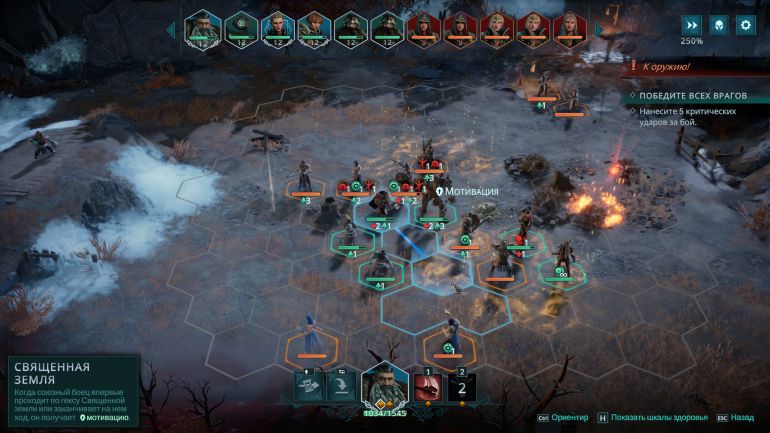
Otherwise, battles work as before, or more specifically as in Liberation. Like other games of this kind, everything is turn-based. Each unit has several types of action points. Some allow only movement , others allow attacks , and a third type allows either moving or striking . Avyanna’s squad can hold up to ten fighters, including herself and no more than two companions. Early on, you’ll have to cut that number further because of limited initiative. You can also place up to three fighters in the backline to support the others with various useful abilities.
blue
red
yellow
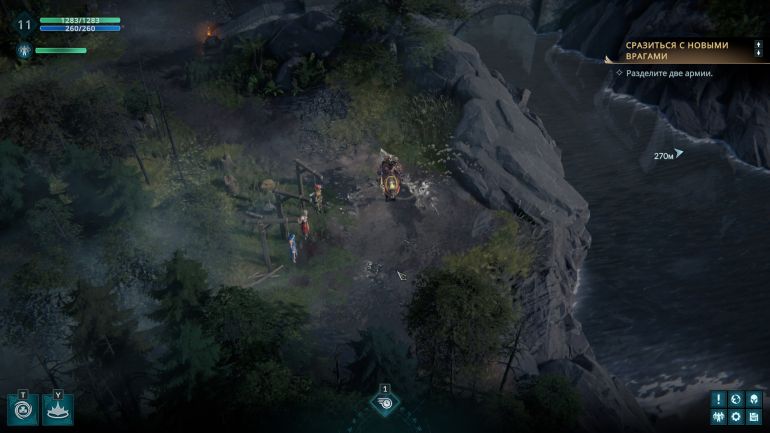
As mentioned earlier, the economy and city management try to slow you down at the start. Enemy battles do an even better job. Mainly because the difficulty is distributed as unevenly as possible. For example, there’s a side mission available in the second act that has you participate in something like gladiatorial combat. The first fight requires level 14, the second already requires level 30, and I don’t think we even need to discuss the third. That’s the situation with side missions.
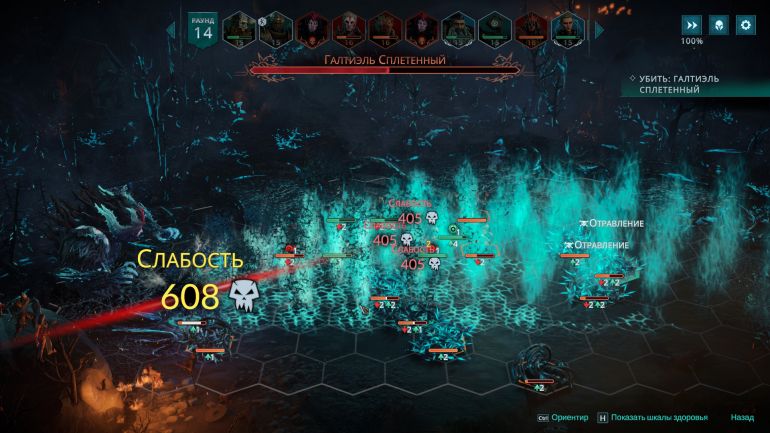
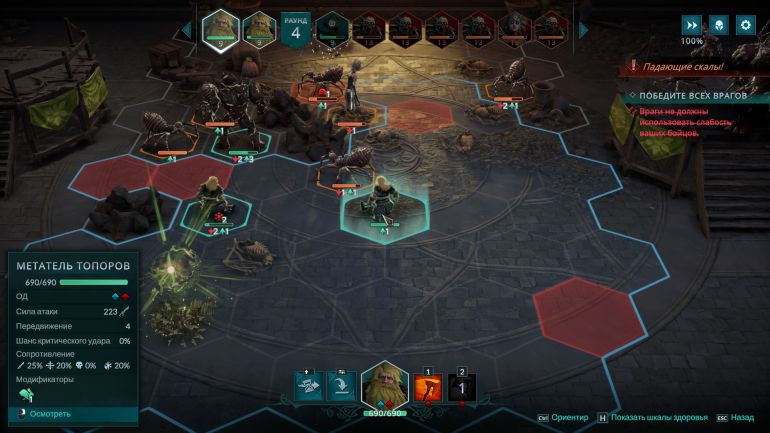
Even if you just want to rush through the story, be warned that you won’t be able to. The game constantly puts you up against enemies whose levels exceed yours. You’ll have to run around locations looking for enemies to fight so you can level up your army. Or you can work through optional quests.
The progression system is hard to call well considered either. Avyanna needs 1,000 experience for every level. Beating an evenly matched enemy gives 100, a slightly stronger one gives 150, and a much weaker one gives just 50. If an enemy is five levels below you, you can skip the battle and collect 50 experience immediately. If you’re only three levels stronger, however, you have to fight and still receive 50 experience for winning. Quests have the same problem. Some award experience for intermediate steps, others don’t, and the amounts vary too.
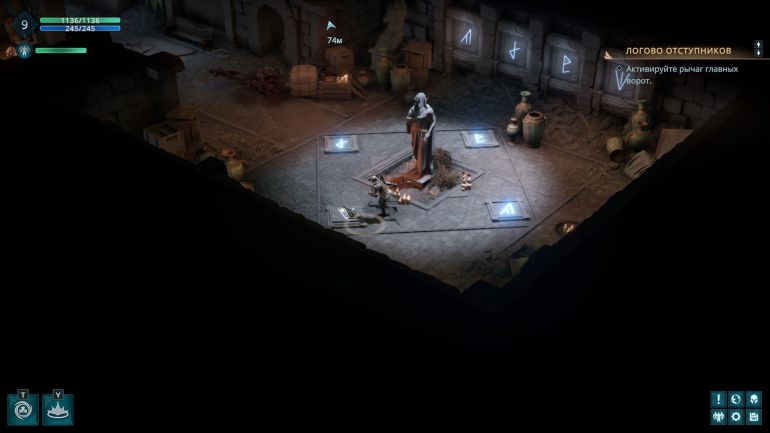
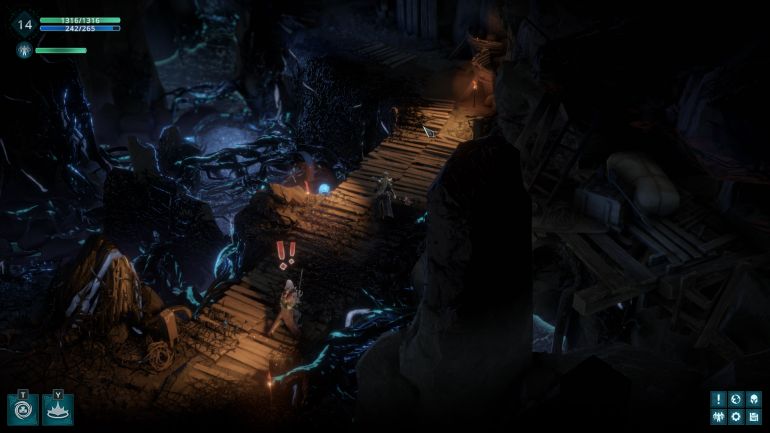
Don’t expect your warriors to evolve like they did in the old Disciples, either. Domination follows Liberation’s approach. That’s a shame, since the old system was a great, distinctive feature that helped the series stand out from similar games. Your units no longer change form as they level up. The only way to get a stronger version is to upgrade the building in your castle and buy a new warrior.
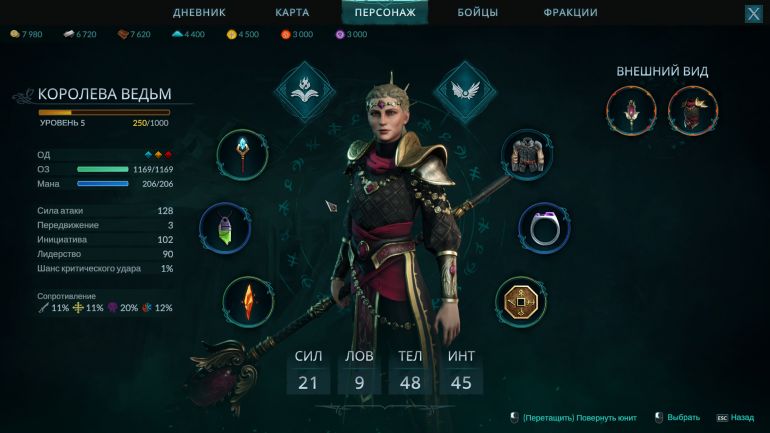
The only place you can feel your army growing more experienced is in the heroine’s progression. These mechanics have been substantially reworked, and Avyanna can now choose one of four classes. If you don’t like your choice, you can change classes at any time for a token pile of gold. Each specialization has its own skill tree, with one skill point awarded per level. You can also learn and improve the heroine’s spells in exchange for resources.
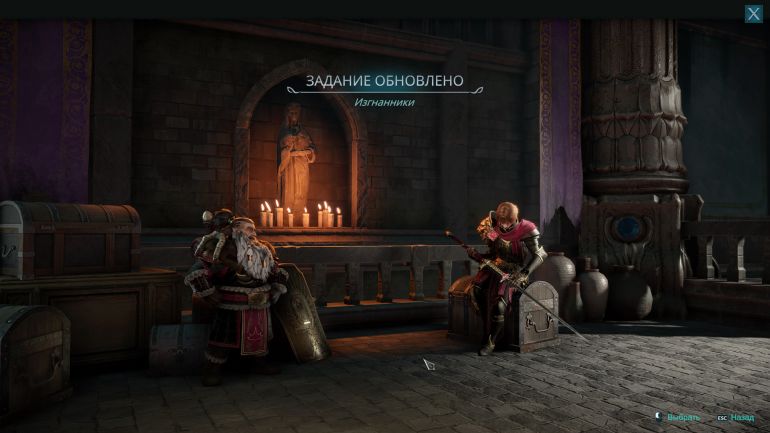
Still, if you take Disciples: Domination as a whole and apart from the rest of the series , it isn’t all that bad. It’s a middling game with a dull story, standard gameplay, unremarkable graphics, and utterly forgettable music. It also has a whiff of mobile grindfests about it. Plenty contributes to that impression, including the interface, time-based economy, artificially stretched gameplay, and visuals. The latter, incidentally, have barely changed since Liberation. Even most of the models are the same.
except Liberation, of course
Enjoyed this article? Found it helpful? Support GameSpirit.org and help us create more great content.
Author: Godlike_Goblin for GameSpirit.org


